Source Eco Friendly Knitted Hoodie Dress for casual wear, events, and travel
Compare 30 Eco Friendly Knitted Hoodie Dress options from verified suppliers. Buyers can evaluate materials like cotton and polyester blends, customization features, and seasonal suitability for diverse applications including spring, summer, and winter use cases; compare the available evidence and request quotations based on your requirements.
Key considerations
Products List


Women′ S Crew Neck Knit Dress, Slim Fit Long Sleeve Sweater Dress
$15.00 - $20.00
MOQ: 100 piece


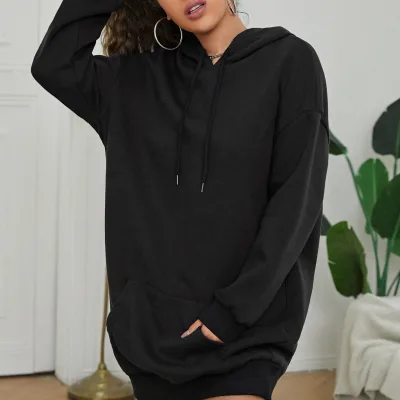


New Loose and Laid-Back Style Long-Sleeved Round-Neck Printed Hoodie Dress
$11.00 - $14.00
MOQ: 100 pieces


Wholesale 100% Cotton off-Shoulder Knitted Sweater Dress Long Sweater Dresses
$11.00 - $12.00
MOQ: 100 Pieces



Comprehensive Sourcing Guide
Eco Friendly Knitted Hoodie Dress Sourcing Guide
The Eco Friendly Knitted Hoodie Dress sits at the intersection of two procurement challenges: knitwear construction, which demands careful yarn and gauge control, and sustainability positioning, which invites scrutiny from both regulators and retail partners. Buyers approaching this category should treat "eco friendly" as a claim requiring substantiation rather than a finished-product attribute. In B2B sourcing, the term can refer to fiber composition, dyeing methods, packaging choices, or manufacturing practices, and each interpretation carries different verification costs. Before requesting quotations, define internally which elements of the eco claim matter most to your market and which your customers will actually verify.
This guide organizes the sourcing process around the decisions that most often cause problems: scope definition, specification clarity, documentation, cost structure, supplier qualification, and long-term monitoring. The category examples observed in current listings include knitted sweater and dress constructions in cotton, blended wool, and polyester/cotton mixes, spanning spring/summer and autumn/winter seasons, with customization, custom labels, and OEM service commonly advertised. Those signals give buyers a realistic baseline for what suppliers in this space offer — and what they must still confirm independently through sampling and documentation review.
Product Scope and Observed Listing Signals
Current marketplace listings under this keyword reveal a varied product scope. Observed attributes include sleeveless and long-sleeve constructions, V-neck and turtleneck collars, loose and A-line silhouettes, and lengths ranging from long to knee-length. Seasonal coverage spans spring/summer, autumn, and winter, meaning the same keyword can return lightweight cotton dresses and heavier blended-wool sweater dresses. Model identifiers such as S113, WS346, and K-0126 appear in listings, alongside fabric declarations like blending wool and stated compositions such as 10% wool, 22% nylon, 40% viscose, 28% polyester. Buyers should use these signals to segment the category before comparing suppliers.
Beyond construction, the listings advertise consistent commercial signals: customization availability, customized logos and labels, customizable or polybag packing, OEM service supply type, and origin in China. Declared weights range from 0.3kg to 0.45kg per unit, and MOQ figures observed in the category range from 2 to 300 units, with listed prices from roughly $0.50 to $59.99 — a spread wide enough that price alone is meaningless without aligned specifications. Pattern attributes include pure colour, solid, and dyed/yarn-dye treatments, in colors including white, green, blue, multicolor, and customized colors. Define your target silhouette, season, and fiber profile first so quote comparisons stay like-for-like.
Technical Specifications to Verify
Knitted hoodie dresses concentrate quality risk in yarn, gauge, and finishing. Require suppliers to declare the full fiber composition with percentages — as the observed listing did with its wool/nylon/viscose/polyester breakdown — rather than accepting vague terms like "blending wool" or "polyester/cotton." Confirm knit technique (the listings show knitted technics and pullover characteristics), stitch density, fabric weight in grams per square meter, and finished garment measurements across your size range. One listing offers "Free Size," which is a red flag for consistent fit; insist on graded size charts with tolerance tables for chest, length, sleeve, and hood dimensions.
Construction details deserve equal attention. Verify hood shaping and attachment, whether the collar is a true turtleneck, V-neck, or stand style as listed, seam joining method, and edge finishing on hems and cuffs. For eco positioning, ask specifically about dye methods — the listings mention both dyed and yarn-dye patterns — since yarn-dyed knits typically hold color differently than piece-dyed goods. Check declared attributes such as anti-pilling durability and washability through your own wash-cycle testing rather than accepting listing claims. Finally, confirm per-unit weight against the declared 0.3–0.45kg range in your sample approvals, since significant deviation signals gauge or yarn substitution.
Compliance and Safety Documentation
Because the keyword centers on an eco claim, documentation is where sourcing succeeds or fails. Ask each candidate supplier to state exactly which certifications their materials and processes hold — for example, recognized textile safety standards, restricted-substance compliance, or fiber-origin documentation — and to provide certificates naming the specific fabric lots. Do not assume certification status from listing keywords; the observed product pages advertise customization and OEM service but make no certification claims. If your market is the USA, as one listing declares, verify which federal labeling requirements apply to fiber content and care instructions for your specific sales channel.
Request a full declaration of dyes, auxiliaries, and finishing agents used in production, particularly if you intend to market the garment with environmental language. Yarn-dyed and piece-dyed goods carry different chemical inputs, and your compliance file should reflect the actual process for your order. Confirm that care labeling matches the real washability of the knit — the listings claim "washable," but blended-wool constructions may need specific care instructions that differ from cotton. Finally, obtain the supplier's own test reports for pilling resistance, colorfastness, and shrinkage, then re-test independently at a recognized third-party laboratory before mass production proceeds. Treat any certificate you cannot trace to a specific production batch as unverified.
Cost Drivers and Commercial Terms
The observed price spread — from under one dollar to nearly sixty dollars across category listings — illustrates how much specification drives cost in knitted dresses. Primary drivers include fiber content (wool-rich blends cost substantially more than cotton or polyester/cotton), yarn-dye versus piece-dye processing, gauge complexity, hood construction, and finishing such as anti-pilling treatment. Weight also matters: declared unit weights of 0.3kg versus 0.45kg imply meaningfully different material consumption. Build a costed specification sheet so every quote itemizes yarn, knitting, dyeing, making-up, and packing, letting you see where suppliers differ rather than comparing opaque totals.
Commercial terms require equal discipline. MOQs in the observed listings range from 2 to 300 pieces, which likely reflects different supplier types — small workshops versus larger factories — so confirm what an MOQ covers per color and per size. Customization of logos, labels, and packing is widely advertised, but ask whether customization changes MOQ, unit price, or tooling fees. Confirm packaging format (one listing specifies 1 piece per polybag, another mentions air packing) and whether packing materials align with your eco positioning. Agree in writing on sample costs, sample lead time, bulk lead time, payment schedule, Incoterms, and remedies for quality failures before placing any deposit.
Supplier Qualification and Quality Control
Qualify suppliers through a structured sequence rather than listing keywords. Start with a capability questionnaire covering knitting machines, gauge range, dyeing access (in-house versus subcontracted), and typical order profiles. The observed attributes — OEM service, customized logos, customization availability — suggest most listed suppliers position themselves for private-label work, which is favorable for branded programs but demands stronger contract terms. Verify business licensing, factory photos or an audit visit, and whether the factory actually knits or merely assembles purchased panels, since this affects your control over the eco claim at the yarn stage.
Quality control should anchor on a golden sample approved before bulk. Define an inspection protocol covering measurement against tolerance, stitch appearance, hood symmetry, color consistency across the shade band, pilling after defined wash cycles, and per-unit weight against the declared standard. For orders at the lower observed MOQs, in-line inspection during knitting and finishing matters more than end-of-line checks, because small batches leave little room for rework. Agree on AQL sampling levels and defect classifications in the purchase contract, and specify that third-party pre-shipment inspection is acceptable at the buyer's discretion. Keep signed sealed samples from both production run and reference sample for dispute resolution.
Long-Term Procurement Checks
Sustained sourcing in this category depends on tracking consistency across repeat orders, not just first-article quality. Maintain a specification history per model — fiber percentages, gauge, weight, dye process, and packing format — and verify each new production run against it, since knitted goods drift subtly when suppliers change yarn lots or subcontract dyeing. Re-run wash and pilling tests periodically rather than only at onboarding, especially for blended-wool constructions where the anti-pilling and washable claims in listings need ongoing confirmation. Review the compliance file annually and whenever fiber sourcing changes.
Commercially, monitor price movements against raw material indices for cotton, wool, and viscose so cost negotiations are grounded in market reality rather than supplier assertions. Track supplier performance metrics — on-time delivery, defect rates, sample-to-bulk fidelity, and responsiveness on claims — in a simple scorecard reviewed quarterly. If your eco positioning strengthens, revisit whether your current yarn and dye sources can support the upgraded claim, and plan re-verification before making new marketing statements. Finally, avoid single-supplier dependence: keep a qualified second source for your best-selling models, sharing the approved specification so capacity can shift without re-developing the product from scratch.
FAQs
Can I customize the logo on the knitted hoodie dress?
Yes, customized logos are available for these knitted garments. Buyers can request specific branding to align with their corporate identity or retail requirements. This customization option allows for unique product differentiation in the market. The process typically involves providing vector files for accurate placement and color matching on the fabric surface.
What materials are used in the knitted sweater production?
The knitted sweaters utilize various materials including cotton, blending wool, and polyester/cotton mixes. Specific models may feature yarn-dyed fabrics for enhanced colorfastness. These material choices ensure durability and comfort for different seasonal needs. Buyers can select based on desired texture, breathability, and care requirements for their target audience.
What is the minimum order quantity for these dresses?
The minimum order quantity ranges from 2 to 300 pieces depending on the specific model and customization level. Standard items may have lower MOQs, while fully customized designs with unique logos or packaging might require higher volumes. Buyers should confirm the exact MOQ with the supplier based on their selected product specifications and design requirements.
Are these knitted dresses suitable for spring and summer seasons?
Yes, specific models are designed for spring and summer seasons with sleeveless and loose styles. These features provide breathability and comfort in warmer weather. Other models are intended for winter or autumn, featuring long sleeves and turtlenecks. Buyers should check the seasonal classification and sleeve length specifications to ensure the product matches their inventory needs.
How is the packaging handled for bulk orders?
Packaging is customizable and typically includes individual polybag packing for each piece. Some options may involve air packaging or bag packaging depending on buyer preference. The standard packing ensures product protection during transit. Buyers can request specific packaging instructions to meet retail display requirements or sustainability goals, ensuring the goods arrive in optimal condition.
What is the origin of these knitted apparel products?
These knitted apparel products originate from China. The manufacturing facilities are located in this region, leveraging established textile supply chains. Buyers sourcing from this origin should consider logistics and lead times associated with international shipping. The Chinese market offers diverse options for knitted garments with various customization capabilities and competitive pricing structures.