Source Customized Logo Diary Notebook for Business, School, and Promotions
Source Customized Logo Diary Notebook options from 30 verified listings. Compare spiral and perfect bound styles, hard and soft covers, and eco-friendly materials to find the right fit for business gifts, school supplies, and promotional events; compare the available evidence and request quotations based on your requirements.
Key considerations
Products List


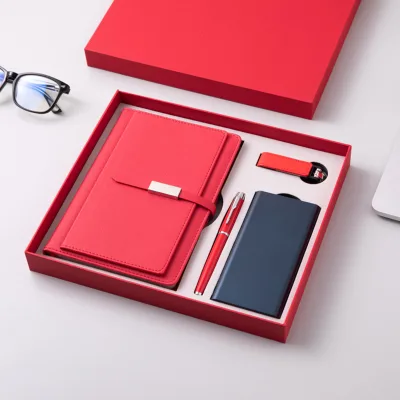
Customized Business Office Stationery A5 Thick Journal Diary Planner Notebook
$0.25 - $2.00
MOQ: 200 Pieces


High Quality Customized Logo Printing Eco Friendly Inner Pages Diary Notebook
$1.90 - $2.10
MOQ: 1000 Pieces




Comprehensive Sourcing Guide
Customized Logo Diary Notebook Sourcing Guide
Sourcing customized logo diary notebooks requires a strategic approach that balances aesthetic appeal with functional durability. Buyers must first define the primary use case, whether for corporate gifting, promotional events, or daily educational use, as this dictates material selection and binding style. The market offers a wide variety of options, from softcover journals to hardcover planners, each serving distinct professional and personal needs. Understanding these distinctions is crucial for aligning product specifications with brand identity and user expectations.
Procurement teams should also consider the customization depth, including logo placement, cover design, and internal page layout. Many suppliers offer flexible options for paper weight, cover material, and binding methods, allowing for tailored solutions that enhance brand visibility. It is essential to communicate clear requirements early in the sourcing process to avoid misunderstandings regarding production capabilities. This proactive communication ensures that the final product meets both quality standards and marketing objectives, resulting in a successful procurement outcome.
Product Scope and Observed Listing Signals
The current market landscape for diary notebooks reveals a diverse range of products, with observed price points varying significantly based on material quality and customization complexity. Listings indicate a broad spectrum of options, including softcover journals, hardcover planners, and spiral-bound notebooks, catering to different budget constraints and functional requirements. Buyers should note that while some products are marketed as eco-friendly, others focus on premium finishes like film lamination or varnish, which impact the final aesthetic and tactile experience of the notebook.
Observed minimum order quantities (MOQs) typically range from small batches for testing to larger volumes for mass distribution, reflecting the scalability of manufacturing processes. Suppliers often provide customization services for logos, colors, and packaging, allowing businesses to create unique branded items. However, buyers must verify specific details such as paper type, binding style, and cover material, as these attributes can vary widely even within similar product categories. This variability necessitates careful review of product specifications to ensure alignment with procurement goals.
Technical Specifications to Verify
When evaluating diary notebooks, buyers must scrutinize technical specifications to ensure product suitability for intended use. Key attributes to verify include the binding method, such as spiral, saddle stitch, or perfect binding, which affects durability and lay-flat functionality. The cover material, whether hard paper, soft cover, or other variants, plays a critical role in protecting the contents and enhancing the product's perceived value. Additionally, the paper type, such as offset paper or ivory board, influences writing quality and longevity, making it a vital consideration for professional and educational applications.
Surface treatments and printing techniques also significantly impact the final product's appearance and durability. Options like film lamination, varnish, or custom printing allow for enhanced visual appeal and protection against wear and tear. Buyers should confirm the availability of these features and their compatibility with the chosen design elements. Furthermore, understanding the single package size and gross weight is essential for logistics planning, ensuring that shipping costs and storage requirements are accurately estimated. These technical details collectively determine the product's overall quality and suitability for specific procurement needs.
Compliance and Safety Documentation
Ensuring compliance with relevant safety and environmental standards is paramount when sourcing diary notebooks, particularly for products intended for educational or promotional use. Buyers should request documentation verifying that materials used, such as paper and cover components, meet recognized safety guidelines. This includes checking for restrictions on harmful substances and ensuring that inks and adhesives are non-toxic, especially if the notebooks are targeted towards children or sensitive audiences. Compliance with these standards not only mitigates legal risks but also enhances brand reputation by demonstrating a commitment to consumer safety.
Environmental certifications may also be relevant, depending on the buyer's sustainability goals. While some listings mention eco-friendly features, buyers should seek specific certifications or material declarations that substantiate these claims. This could include recycled content percentages or sustainable sourcing practices for paper and cover materials. Additionally, verifying that the manufacturing process adheres to ethical labor standards is crucial for maintaining corporate social responsibility. By prioritizing compliance and safety, buyers can ensure that their procurement decisions align with both regulatory requirements and corporate values, fostering trust among end-users and stakeholders.
Cost Drivers and Commercial Terms
Several factors influence the cost structure of customized diary notebooks, with material quality, customization complexity, and order volume being primary drivers. Premium materials such as hard covers, specialized paper types, and advanced surface treatments like lamination or varnish typically increase production costs. Similarly, intricate logo designs or custom packaging solutions can add to the overall expense. Buyers should carefully evaluate these elements against their budget constraints, considering the balance between cost efficiency and desired product quality. Understanding these cost drivers enables more accurate budgeting and negotiation with suppliers.
Commercial terms, including minimum order quantities (MOQs) and payment conditions, also play a significant role in the procurement process. Suppliers may offer tiered pricing based on order volume, incentivizing larger purchases. Buyers should negotiate favorable terms that align with their inventory management strategies and cash flow requirements. Additionally, clarifying lead times and shipping arrangements is essential for planning purposes, ensuring timely delivery for promotional events or product launches. By addressing these commercial aspects proactively, buyers can optimize their procurement strategy and achieve better value for their investment.
Supplier Qualification and Quality Control
Selecting a reliable supplier is critical for ensuring consistent quality and timely delivery of customized diary notebooks. Buyers should conduct thorough due diligence, verifying the supplier's manufacturing capabilities, quality control processes, and track record in producing similar products. This includes assessing their ability to handle customization requests, such as logo printing and cover design, while maintaining high standards of craftsmanship. Suppliers with established quality assurance protocols are more likely to deliver products that meet specified requirements, reducing the risk of defects or inconsistencies.
Implementing robust quality control measures throughout the production process is equally important. Buyers should request samples for evaluation before committing to large orders, allowing for verification of material quality, binding durability, and print accuracy. Establishing clear acceptance criteria and inspection protocols helps ensure that the final products align with expectations. Additionally, maintaining open communication with the supplier regarding any issues or adjustments needed during production can prevent potential problems. By prioritizing supplier qualification and quality control, buyers can mitigate risks and ensure a successful procurement outcome.
Long-Term Procurement Checks
Establishing long-term procurement relationships with diary notebook suppliers requires ongoing monitoring and evaluation to ensure sustained quality and service reliability. Buyers should regularly review supplier performance metrics, including on-time delivery rates, product defect rates, and responsiveness to issues. This continuous assessment helps identify potential areas for improvement and fosters a collaborative partnership focused on mutual growth. By maintaining open lines of communication and providing constructive feedback, buyers can strengthen their relationship with suppliers and encourage a commitment to excellence.
Additionally, staying informed about market trends and technological advancements in notebook manufacturing can provide competitive advantages. Buyers should periodically reassess their product specifications and customization options to align with evolving consumer preferences and industry standards. This proactive approach ensures that the sourced products remain relevant and appealing to end-users. Furthermore, exploring opportunities for cost optimization through volume consolidation or alternative material sourcing can enhance overall procurement efficiency. By implementing these long-term checks, buyers can secure a reliable supply chain and drive continuous improvement in their diary notebook procurement strategy.
FAQs
Can I add a custom logo to the diary notebook?
Yes, you can add a custom logo to the diary notebook as the product accepts customized logos. This feature is available for promotional and business uses, allowing you to brand the item effectively for your specific needs.
What is the minimum order quantity for this notebook?
The minimum order quantity is 500 pieces for this specific diary notebook model. However, some listings show a range from 10 to 2000 units, so you should verify the exact MOQ with the supplier before placing your order.
Which binding styles are available for the journal?
The journal is available with spiral binding, saddle stitch, or perfect bound styles. These options allow you to choose the most suitable format for your usage, whether for daily use, school, or business promotional purposes.
How is the product packed for shipping?
The product is typically packed in one piece per OPP bag or in cartons. Some suppliers also offer packing per customer request, ensuring the softcover journals are protected during transit to your destination location.
What materials are used for the cover and pages?
The cover is made of hard paper or soft cover paper, while the text paper can be ivory board or custom options. This combination ensures durability and a professional look suitable for various applications like gifts or trade shows.
Can the notebook be customized for specific occasions?
Yes, the notebook can be customized for occasions such as festivals or general promotions. The product supports custom colors and styles, making it ideal for business, school, or gift purposes with tailored designs.
Where is the product manufactured?
The product originates from locations in China, specifically Guangdong and Guangzhou. These regions are known for manufacturing notebooks and journals with features like eco-friendly materials and custom printing capabilities.