Source Customized Logo Pole Dance Wear for stage, studio, and competition
Compare 30 listings of Customized Logo Pole Dance Wear from verified suppliers offering OEM services. Buyers can evaluate fabric types, printing methods, and bulk pricing for stage performances, studio classes, and dance competitions.
Key considerations
Products List
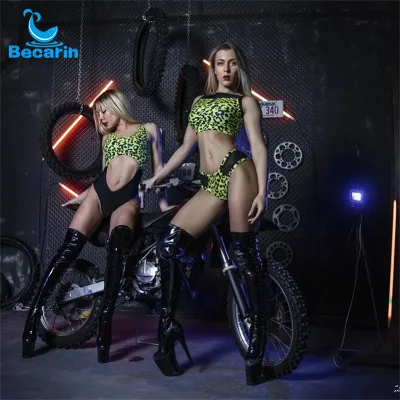
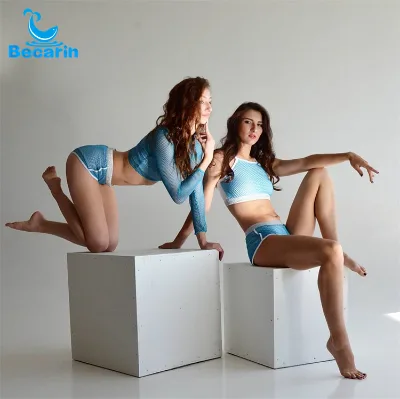
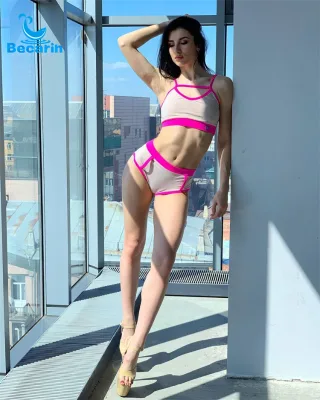
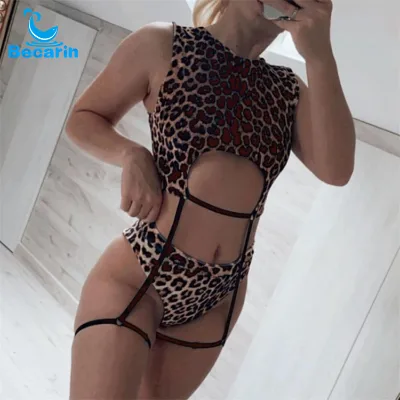
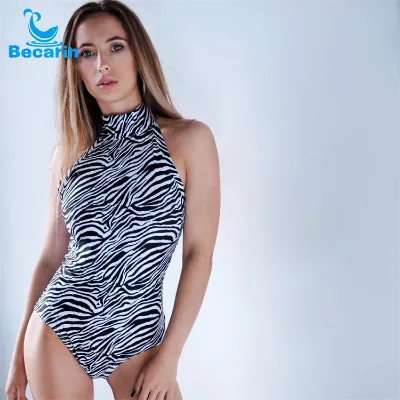
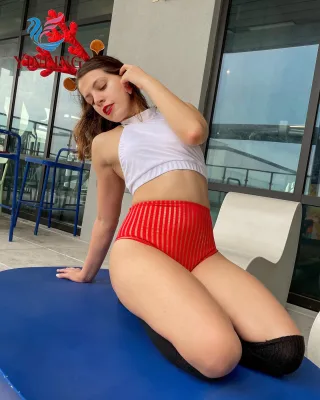
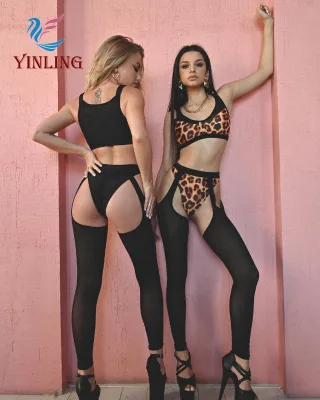
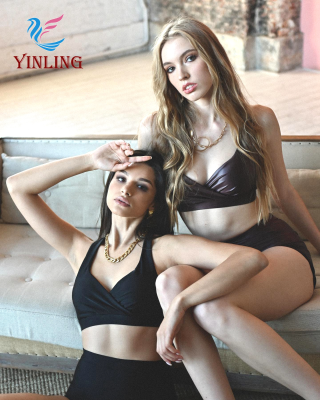
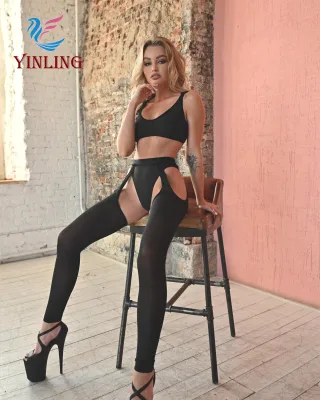
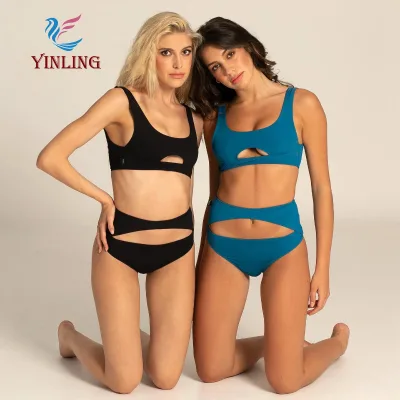
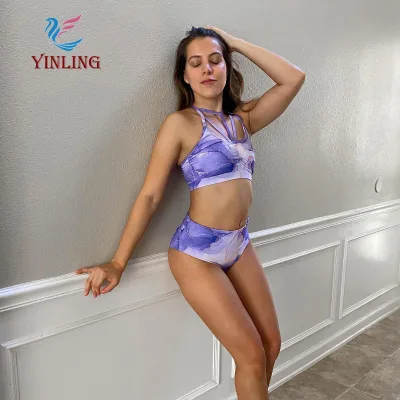
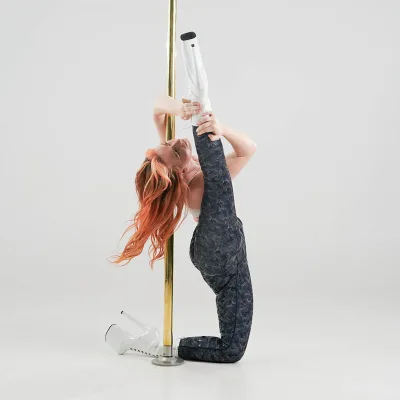
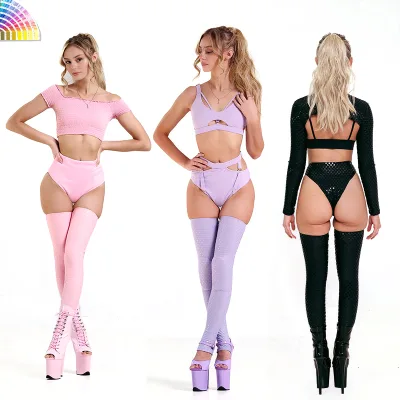
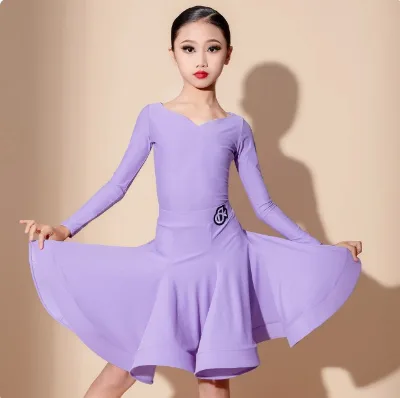

Girls Lyrical Dance Dress Contemporary Dance Costume Performance Wear Stage Wear
$28.00 - $32.00
MOQ: 2 Pieces

2 in 1 Ballet Dance Performance Wear Dance Costume for Exceptional 5000 Capacity
$28.00 - $31.00
MOQ: 2 Pieces


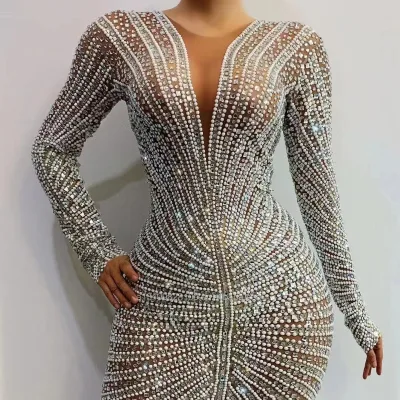


Custom Made Competition Girls Leotard OEM Gymnastic Leotard Girls Dancewear
$8.00 - $20.00
MOQ: 10 piece


Comprehensive Sourcing Guide
Strategic Sourcing Guide for Customized Logo Pole Dance Wear
Understanding Product Specifications and Technical Attributes
When sourcing Customized Logo Pole Dance Wear, buyers must first establish a clear understanding of the technical specifications that define performance and fit. The core product category encompasses specialized apparel designed for stage performance and athletic dance, specifically tailored for women and adults. The fabric composition is a critical technical factor, with observed market standards indicating a blend of Polyester and Spandex. This combination is essential for providing the necessary elasticity, breathability, and quick-drying properties required during high-intensity pole dancing routines. The material must withstand the friction and tension inherent in grip-based movements while maintaining its shape and color vibrancy.
The customization process often relies on specific printing technologies to ensure the logo and design elements adhere correctly to the synthetic fabric. Sublimation digital printing is a prevalent method in this sector, allowing for full-color, seamless designs that do not crack or peel during movement. This technology supports the creation of complex patterns, including floral prints, solid colors, and custom graphics, which are frequently requested by buyers. The sizing structure is equally important for a global supply chain; standard size ranges typically extend from XS to 4XL, accommodating a diverse demographic of performers. Buyers should verify that the supplier's size charts align with international standards, as fit is paramount for safety and performance in pole dance.
Furthermore, the physical attributes of the product, such as weight and packaging dimensions, influence logistics planning. Individual units are often lightweight, with single gross weights observed around 0.200 kg to 0.250 kg. Packaging is designed to be compact, with single package sizes ranging from 5x5x2 cm to 20x20x2 cm depending on the specific style and set configuration. This compactness is beneficial for reducing shipping costs, particularly when ordering bulk quantities. The product style is generally categorized under "Sport" and "Performance," with specific sub-categories like "Belly Dancing" or "Stage & Dancerwear" appearing in supplier catalogs. Understanding these technical distinctions helps buyers filter suppliers who specialize in high-performance athletic wear versus general fashion swimwear.
Compliance, Certification, and Regulatory Verification
In the realm of B2B procurement for performance apparel, compliance and certification checks are vital, even when specific certification documents are not explicitly listed in initial product descriptions. Buyers must recognize that while many suppliers offer OEM (Original Equipment Manufacturer) services and customization, the absence of a stated certification does not imply non-compliance, nor does it guarantee it. The primary regulatory focus for pole dance wear involves textile safety standards, specifically regarding chemical residues, flammability, and fiber content labeling.
Buyers should verify that the polyester-spandex blend meets international textile safety regulations relevant to their target market, such as REACH in Europe or CPSIA in the United States. These regulations often limit the presence of hazardous substances like azo dyes, formaldehyde, and heavy metals. Since the supply chain often originates from Guangdong, China, buyers must ensure that the manufacturing facility adheres to local environmental regulations and international labor standards. The "OEM service" attribute indicates that the supplier is capable of producing goods to specific buyer requirements, but the buyer retains the responsibility to define the compliance parameters.
It is crucial to distinguish between marketing claims and verified compliance. While some product listings may mention "high quality" or "custom manufacturer" status, these are observations rather than certified guarantees. Buyers should request specific test reports from third-party laboratories to validate the safety of the fabric and the printing inks used in the sublimation process. The "Performance Wear Type" designation suggests the garment is intended for athletic use, which may subject it to stricter durability and safety testing than casual wear. Without explicit mention of certifications like OEKO-TEX or ISO 9001 in the provided data, buyers must treat these as verification points to be addressed during the supplier negotiation phase rather than assumed facts.
Cost Drivers and Pricing Dynamics
The pricing structure for customized pole dance wear is influenced by several dynamic factors, primarily driven by the level of customization, order volume, and material quality. The observed price range in the market spans from approximately $4.99 to $279 USD per unit, a wide variance that reflects differences in design complexity, fabric grade, and branding. Lower price points often correspond to standard designs with minimal customization, while higher prices may indicate premium fabrics, intricate sublimation patterns, or specialized branding services.
Order Volume is a significant cost driver, directly linked to the Minimum Order Quantity (MOQ). The data indicates an MOQ range of 1 to 100 units, with a specific high-confidence observation of 50 sets per color per style. This tiered structure suggests that smaller orders may incur higher unit costs due to the setup costs for digital printing and pattern cutting. Conversely, larger orders benefit from economies of scale, potentially lowering the per-unit cost. Buyers must balance their inventory needs against the MOQ to optimize cash flow. The "Supply Ability" of 100,000 pieces per month indicates that suppliers have the capacity to handle large-scale orders, which can stabilize pricing for bulk procurement.
Additional cost factors include the lead time and shipping logistics. The "Shipping Time" of about 3 to 5 working days for delivery, combined with a "Bulk Production Time" of 10 to 22 working days, affects the overall cost structure. Expedited production or rush orders may incur premium charges. Furthermore, the "OEM high waist new design bikini set" nature of some listings implies that design development costs may be factored into the price if the buyer requires unique patterns or cuts. Buyers should also consider the cost of packaging, which ranges from single polybags to bulk cartons containing 50-100 sets. These logistical details must be factored into the total landed cost calculation to ensure accurate budgeting.
Typical Applications and Performance Use Cases
The primary application of customized pole dance wear is within the performance and athletic sectors, specifically for pole dancing, stage shows, and dance competitions. The product is explicitly categorized under "Performance Wear Type" and "Stage & Dancerwear," indicating its intended use in environments where visibility, flexibility, and durability are critical. The "Sport" and "Sister" style attributes suggest that these garments are also used in team settings or group performances, where uniformity and branding are essential.
The "Use: PERFORMANCE" designation highlights that these garments are engineered for active movement. The fabric's quick-drying and breathable properties are essential for maintaining comfort during rigorous routines that involve sweating and high physical exertion. The customization aspect, particularly the ability to add logos and custom colors, makes these garments ideal for dance studios, performance troupes, and professional athletes who require branded apparel for team identity. The "Floral print" and "Solid" style options allow for aesthetic versatility, catering to different performance themes ranging from classical to contemporary.
Beyond professional performance, these items are also suitable for fitness enthusiasts and hobbyists. The "Season: Spring Summer Autumn Winter" attribute suggests that the fabric technology is versatile enough for year-round use, although the lightweight nature of the material makes it particularly popular in warmer climates or indoor heated studios. The "Belly Dancing" classification further expands the potential application to other dance forms that require similar flexibility and aesthetic appeal. Buyers should consider the specific performance requirements of their end-users when selecting styles, ensuring that the chosen design supports the intended movement patterns and stage lighting conditions.
Supplier Evaluation and Verification Protocols
Evaluating suppliers for customized pole dance wear requires a rigorous approach to verifying their capabilities and reliability. The presence of "OEM service" and "Customization Service Provided" indicates that the supplier is equipped to handle bespoke orders, but buyers must validate the depth of this capability. Key evaluation criteria include the supplier's "Supply Ability" of 100,000 pieces per month, which serves as a baseline for capacity. However, buyers should also assess the consistency of their production quality and their ability to meet specific design requirements.
The "Place of Origin" is consistently listed as Guangdong, China, a major manufacturing hub known for its textile industry. While this location offers access to a robust supply chain, buyers should verify the specific factory's location and reputation. The "Port of dispatch: Guangzhou" provides logistical clarity, but buyers must confirm the reliability of the shipping partners and the accuracy of the "Fast" shipping claims. Lead time verification is critical; while "7 days sample order lead time" and "3-7 Days" delivery times are mentioned, these should be treated as estimates and confirmed in writing before placing an order.
Buyers should also scrutinize the "Packaging Details" and "Packing" methods to ensure they meet their distribution needs. The variation in packaging, from single polybags to bulk cartons, requires clear communication to avoid confusion. Additionally, the "Brand Name" field often shows "OEM bikini" or specific names like "Yinling," indicating that the supplier may operate under different brand identities or white-label arrangements. Buyers must ensure that the supplier is willing to sign non-disclosure agreements (NDAs) to protect their proprietary designs and logo usage. The "Technology: Sublimation Digital Printing" should be verified through sample requests to ensure the print quality meets the buyer's standards for colorfastness and detail.
Quality Control and Long-Term Procurement Strategy
Implementing a robust quality control (QC) strategy is essential for maintaining product integrity in the customized pole dance wear sector. Given the technical nature of the fabric and the precision required for sublimation printing, buyers should establish clear QC checkpoints before and after production. The "Single gross weight" and "Single package size" data points can serve as baseline metrics for verifying that the correct materials and packaging are being used. Deviations from these specifications may indicate quality issues or production errors.
For long-term procurement, building a strategic partnership with the supplier is more beneficial than transactional relationships. The "MOQ: 50 sets for each color each style" requirement suggests that buyers should plan their orders carefully to maximize efficiency and minimize waste. Developing a long-term contract with a supplier who can consistently meet the "Bulk Production Time" of 10 to 22 working days ensures a stable supply chain. Buyers should also consider the "Sample Time" of 7 to 12 working days as a critical phase for validating designs before full-scale production.
Sustainability and ethical sourcing are increasingly important considerations for long-term success. While specific environmental certifications are not explicitly detailed in the provided data, buyers should inquire about the supplier's waste management practices, particularly regarding the sublimation printing process. The "OEM/ODM" capability suggests flexibility, which is valuable for adapting to changing market trends. By maintaining open communication regarding quality standards, delivery timelines, and design updates, buyers can ensure a reliable supply of high-performance pole dance wear that meets the evolving needs of their customers. Regular audits and feedback loops will help maintain the high standards required in this competitive market.
FAQs
What is the minimum order quantity for each style?
The minimum order quantity is 50 sets for each color and style. Some listings also mention an MOQ of 50 pieces, so buyers should confirm the specific requirement for their chosen design before placing an order.
How long does sample production take?
Sample production typically takes about 7 to 12 working days. A 7-day lead time is supported for sample orders, but the standard range extends up to 12 working days depending on design complexity.
Which printing technology is used for custom logos?
Sublimation digital printing is the technology used for custom designs. This method allows for full-color, seamless patterns like floral prints that adhere well to the polyester spandex fabric without cracking.
Can I get customized colors for this wear?
Yes, custom colors are available for this pole dance wear. The product listing explicitly states that custom colors are an option, allowing buyers to tailor the aesthetic to their brand or team identity.
What is the bulk production time for large orders?
Bulk production takes about 10 to 22 working days. This timeframe covers the manufacturing process after the sample is approved, ensuring the final order meets the specified quality and customization standards.
Where are these products manufactured?
These products are manufactured in Guangdong, China. The place of origin is consistently listed as Guangdong, with the port of dispatch located in Guangzhou for international shipping logistics.
What fabric is used for this performance wear?
The fabric used is a blend of polyester and spandex. This combination provides the necessary elasticity, breathability, and quick-drying properties required for high-intensity pole dancing and stage performances.