Source Customized Logo Motorcycle Radiator for racing, touring, and off-road
Find 30 listings for Customized Logo Motorcycle Radiator options including aluminum and alloy variants. Buyers can compare specifications, prices, and warranty terms from verified suppliers in China.
Key considerations
Products List
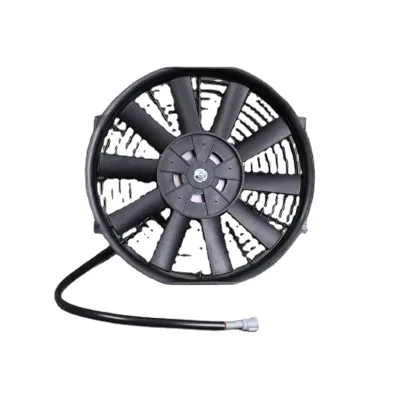
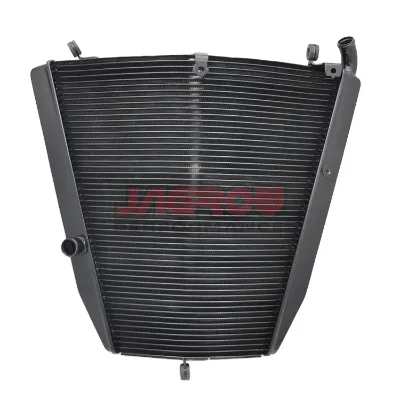
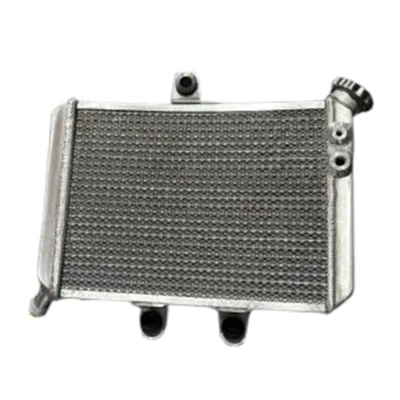
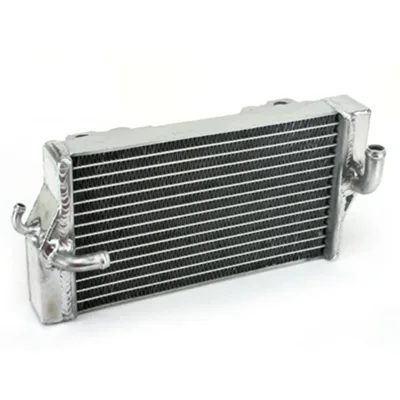
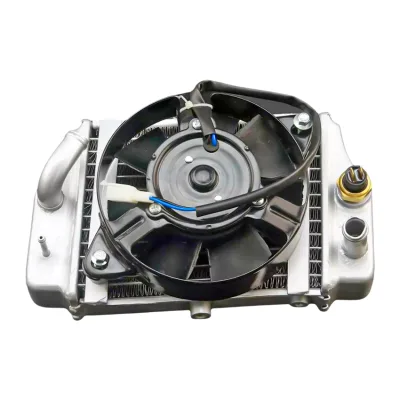


Motorcycle Engine Radiator Aluminium Motor Replace Part Cooling Cooler
$10.00 - $100.00
MOQ: 100 Pieces


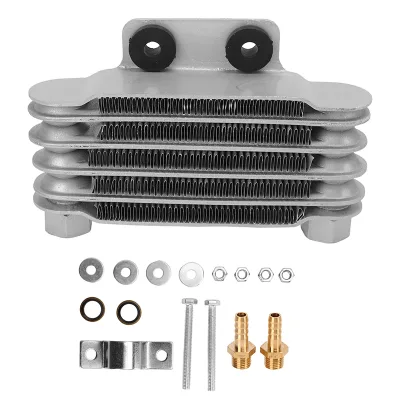


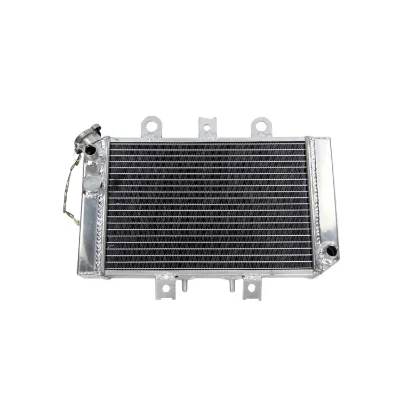


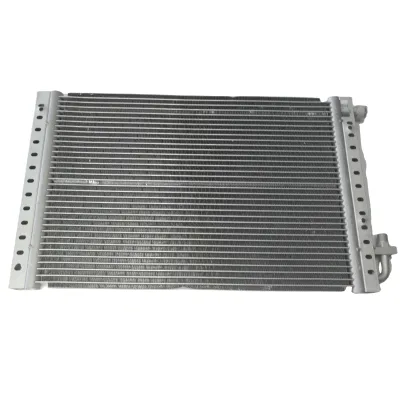
Customized Aluminum Motorcycle Radiators Water Cooler System for Motorcycle
$1.00 - $3.00
MOQ: 100 Pieces


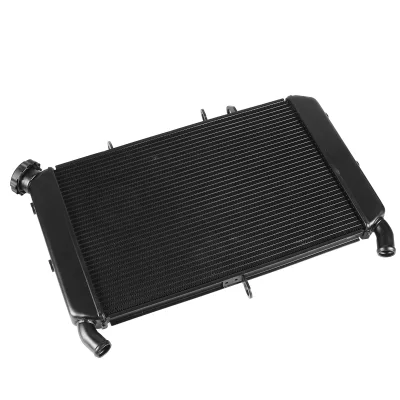
Comprehensive Sourcing Guide
Strategic Sourcing Guide for Customized Logo Motorcycle Radiators
Understanding Product Variants and Technical Specifications
When initiating a procurement strategy for customized logo motorcycle radiators, the buyer must first navigate the distinct technical architectures available in the market. The supply landscape for these components is not monolithic; it comprises specialized units designed for specific functions, such as engine cooling, oil temperature regulation, and air intake cooling. A primary distinction exists between standard aluminum radiators and performance-oriented aluminum alloy oil coolers. The former typically utilizes an aluminum brazed construction process to ensure structural integrity under high thermal loads, while the latter often employs an aluminum alloy composition to maximize heat dissipation efficiency in high-performance racing or heavy-duty applications.
Material selection is a critical technical parameter. The dominant material observed in high-quality listings is aluminum, chosen for its favorable strength-to-weight ratio and superior thermal conductivity. In specific contexts, aluminum alloy is specified to meet the rigorous demands of racing coolant systems. The physical dimensions of these units vary significantly based on the intended application. For instance, some units are packaged in dimensions of 35x20x15 cm, indicating a compact design suitable for specific retrofit scenarios, while larger performance radiators may require packaging of 56x40x35 cm to accommodate increased surface area and core depth. The color options available for these components generally include black, silver, blue, red, and gold, allowing for aesthetic customization that aligns with the branding of the motorcycle manufacturer or the end-user's preference.
The compatibility matrix for these radiators is equally complex. While some units are marketed as "universal" to fit a broad range of motorcycle models, others are engineered for specific makes and models, such as the Honda CBR1000 series. The "OE NO." designation often appears as "Performance Parts," suggesting that these components are designed to replace or upgrade original equipment without necessarily adhering to the exact part number of the factory original, yet maintaining OEM-standard sizing. Buyers must verify the "Car Model" or "Car Make" specifications against their specific inventory needs, as the fitment for a CBR1000RR differs fundamentally from a generic universal fitment. The processing method, specifically aluminum brazing, is a key indicator of manufacturing quality, ensuring that the internal fins and tubes are securely joined to prevent leaks under pressure.
Compliance, Certification, and Quality Assurance Protocols
In the B2B procurement of motorcycle cooling systems, verifying compliance and certification status is paramount to mitigating supply chain risks. The market contains suppliers who claim adherence to international quality management standards. Specifically, the ISO-TS16949 certification is a recognized benchmark in the automotive industry, indicating that a supplier has implemented a quality management system specifically tailored for the automotive sector. This certification suggests that the manufacturing process includes rigorous controls for design, production, and service, which is crucial for components that operate under high stress and temperature variations.
However, buyers must exercise caution regarding other standards. While ISO9001 and ISO9001:2000 are frequently mentioned in the broader industry context, they should be treated as background information rather than guaranteed specifications for every listed product. The presence of an ISO-TS16949 claim is a high-confidence indicator of automotive-grade quality, whereas general ISO9001 claims may vary in their depth of application to specific automotive parts. Buyers should request valid, current certificates from potential suppliers rather than relying on marketing materials alone. The quality classification of "A-CLASS" is another observation found in product listings, which implies a tier of manufacturing excellence, but this term is not a standardized industry metric and should be validated through third-party inspection reports or detailed quality control documentation provided by the supplier.
Quality assurance extends beyond certifications to the physical attributes of the product. The "Condition" of the product is consistently listed as "New," which is a baseline expectation for B2B transactions. However, the "Warranty" terms provide a more tangible measure of supplier confidence. A standard warranty period of 12 months or 12 months is commonly observed, serving as a guarantee against manufacturing defects. This warranty period is a critical negotiation point; a supplier offering a shorter warranty may be signaling lower confidence in their brazing processes or material purity. Furthermore, the "Purpose" of the product, whether for "retrofit/upgrade" or "replace/repair," dictates the required tolerance levels. Upgrade components often require higher precision to ensure compatibility with modified engine setups, whereas replacement parts must match the original dimensions and flow rates exactly.
Cost Drivers and Pricing Dynamics in the Supply Chain
The pricing structure for customized logo motorcycle radiators is influenced by a complex interplay of material costs, manufacturing complexity, and logistical factors. The observed price range in the market spans from $1 to $2,000 USD, a variance that reflects the diversity of product types, from simple universal oil coolers to high-performance, model-specific aluminum radiators. This wide range indicates that price is not a linear function of size alone but is heavily dependent on the specific engineering required for the application. For instance, a radiator designed for a high-revving sportbike like the CBR1000RR will command a premium over a generic unit due to the precision engineering and testing required.
Material costs constitute a significant portion of the final price. Aluminum and aluminum alloy prices are subject to global market fluctuations, which can impact the base cost of the product. The manufacturing process, particularly the aluminum brazing technique, adds value but also cost, as it requires specialized equipment and skilled labor to ensure leak-free joints. The customization aspect, specifically the application of a logo, introduces additional variables. While the base product may be standard, the requirement for a custom logo involves tooling setup, screen printing, or laser etching processes, which can affect the unit price, especially at lower volumes.
Logistics and packaging also play a substantial role in the total cost of ownership. The "Single package size" and "Single gross weight" (e.g., 3.000 kg) are critical data points for calculating freight costs. Larger radiators with dimensions of 56x40x35 cm will incur higher shipping fees compared to compact units. The "Packing" details, such as "1 kit per carton" or "10pcs per carton," influence how efficiently the product can be loaded into containers, directly impacting the per-unit shipping cost. Buyers should consider the "Port of dispatch," which is often Shanghai or Ningbo for Chinese suppliers, as these are major hubs with competitive rates, but the final destination and mode of transport (sea, air, or railway) will determine the final landed cost.
Typical Applications and Fitment Scenarios
The application of customized logo motorcycle radiators spans a broad spectrum of use cases, from street riding to professional racing. The primary application is for "retrofit/upgrade," where existing motorcycles are modified to improve cooling efficiency, often to handle increased engine power or to address overheating issues in high-performance builds. In these scenarios, the radiator must not only fit the physical constraints of the bike but also provide enhanced thermal performance. The "Universal" designation suggests that these units can be adapted to various models, but this often requires custom fabrication of mounting brackets or hoses, adding to the installation complexity.
For "replace/repair" applications, the focus shifts to exact compatibility and reliability. These radiators are designed to restore the motorcycle to its original operating condition. The "Car Make" and "Car Model" specifications are critical here; a radiator listed for the CBR1000RR 06 07 must match the specific mounting points and fluid flow requirements of that model year. The "Purpose" of the product dictates the necessary durability. Racing applications demand components that can withstand extreme thermal cycling and vibration, whereas street applications may prioritize longevity and ease of maintenance.
The "Type" of the component, whether it is a standard "Fan" or a "Radiator," also influences its application. While the core keyword focuses on radiators, the inclusion of "Performance Customized 10 inches Motorcycle Radiator Fans" suggests that some suppliers offer integrated cooling solutions. These fan-assisted systems are essential for low-speed cooling or for bikes with tight engine bays where airflow is restricted. The "Color" options, such as black, silver, blue, and red, are often selected to match the aesthetic of the motorcycle, making these components visible and integral to the bike's visual identity. This aesthetic consideration is particularly relevant for custom builders and racing teams where branding and visual consistency are paramount.
Supplier Evaluation and Operational Capabilities
Evaluating a supplier for customized logo motorcycle radiators requires a deep dive into their operational capabilities and logistical reliability. The "Place of Origin" is a key indicator of the manufacturing ecosystem. Suppliers located in Anhui, China, and Chongqing, China, represent different industrial hubs with varying specializations. Chongqing, for instance, is known for its strong automotive and motorcycle manufacturing base, which may imply a higher level of expertise in automotive-grade components. The "Supply Ability" of 6000 pieces per month for aluminum motorcycle radiators provides a concrete metric for assessing whether a supplier can meet large-scale demand without compromising quality or lead times.
The "MOQ" (Minimum Order Quantity) is a critical factor in supplier selection. The market shows a range from 10 PCS to 100 Sets, indicating that suppliers cater to both small boutique orders and large volume contracts. A supplier with an MOQ of 100 Sets may be better suited for established distributors, while one with an MOQ of 10 PCS might be more accessible for smaller buyers or those testing new designs. The "Delivery time" is another vital operational metric. A lead time of 30 days for no stock orders versus 45 days for other orders highlights the importance of inventory management. Buyers must align their procurement timelines with these lead times to avoid production delays.
Payment terms, such as "T/T" (Telegraphic Transfer) and "Paypal," are standard but require verification of the supplier's financial stability. The "Shipping" options, including sea, air, and railway, offer flexibility but come with different cost and speed trade-offs. A supplier offering multiple shipping methods demonstrates logistical maturity and the ability to adapt to urgent or cost-sensitive requirements. The "Brand Name" associated with the product, such as "Jagrow" or "JAGROW PERFORMANCE," can also serve as a proxy for brand reputation, though buyers should verify the actual manufacturer behind the brand name to ensure direct communication and accountability.
Long-Term Procurement and Quality Control Strategies
Sourcing customized logo motorcycle radiators is not merely a transactional activity but a strategic partnership that requires long-term planning and robust quality control measures. The "Warranty" of 12 months is a standard baseline, but buyers should negotiate terms that cover specific failure modes, such as brazing defects or corrosion. A clear warranty policy protects the buyer from the costs of premature failures and ensures that the supplier stands behind their product. The "Quality" classification of "A-CLASS" should be backed by a documented quality control process, including incoming material inspection, in-process checks, and final testing.
For long-term success, buyers should establish a clear specification sheet that details the required dimensions, material composition, and customization requirements. The "Single package size" and "Single gross weight" should be verified against the buyer's logistics requirements to ensure efficient storage and transport. The "Packing" details, such as "10 boxes per carton" and "wooden cases for cartons," are essential for protecting the product during transit, especially for international shipments. Buyers should also consider the "Keyword" relevance in their sourcing strategy; ensuring that the product is accurately tagged as "radiator fans" or "motorcycle aluminium alloy" helps in filtering search results and identifying the most relevant suppliers.
Finally, the "Purpose" of the product should be continuously reviewed to ensure it aligns with the buyer's evolving needs. As the motorcycle industry shifts towards higher performance and customization, the demand for specialized radiators will likely increase. Buyers should maintain a relationship with suppliers who can adapt to these changes, offering new designs and materials as technology evolves. By focusing on technical specifications, compliance, cost drivers, and supplier capabilities, buyers can build a resilient supply chain that delivers high-quality, customized logo motorcycle radiators consistently and reliably.
FAQs
What certifications do customized logo motorcycle radiators have?
Some listings show ISO-TS16949 certification for automotive quality management. Buyers should verify valid certificates directly with suppliers rather than assuming all products meet this standard.
How long is the delivery time for no stock orders?
Delivery times range from 30 to 45 days for orders without existing stock. Specific lead times depend on the supplier location and current production capacity for aluminum parts.
Which materials are used for these motorcycle radiators?
Products are primarily made from aluminum or aluminum alloy. These materials are selected for their strength-to-weight ratio and superior thermal conductivity in high-performance cooling applications.
What is the minimum order quantity for these parts?
Minimum order quantities vary between 10 pieces and 100 sets depending on the specific product listing. Buyers should check individual supplier requirements before placing an order.
Can these radiators be used for retrofit and upgrade purposes?
Yes, many units are designed specifically for retrofit and upgrade applications. They are also suitable for replace and repair scenarios to restore original cooling performance.
What warranty is typically offered for these radiators?
A standard warranty of 12 months is commonly observed for these products. This period guarantees against manufacturing defects and reflects supplier confidence in their brazing processes.
Which motorcycle models are compatible with these radiators?
Compatibility includes specific models like the Honda CBR1000RR and CBR1000 series. Some units are also marketed as universal to fit a broader range of motorcycle applications.