Source Customized Logo Silicon Molds for Car, Home, and Industrial Use
Find 30 options for Customized Logo Silicon Molds suitable for automotive, household, and industrial applications. Compare features like TPE and silicone rubber materials, hot and cold runner systems, and single cavity designs to identify the right solution for your manufacturing needs.
Key considerations
Products List


Custom Logo Food Grade Silicone Candy Mold, Baking Mold for Chocolate & Gummies
$1.00 - $10.00
MOQ: 10 Pieces


Factory Customized Silicone Rubber Liquid Mold Silicon Rubber Rubber Logo
$0.01 - $0.50
MOQ: 100 Pieces


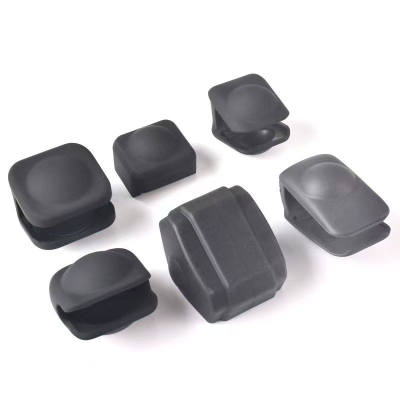


Company Good Quality Experienced Custom Logo Silicone Mould Rubber Molds Making
$100.00 - $1500.00
MOQ: 1 Pieces

High Precision Compression Mould Molding Silicone Rubber Molds Making
$100.00 - $1500.00
MOQ: 1 Pieces

Good Quality Customized Printing Parts Mold Custom Silicone Rubber Molded
$100.00 - $1500.00
MOQ: 1 Pieces

Factory Custom High Precision Compression Mould Silicone Rubber Molds Making
$500.00 - $800.00
MOQ: 1 Pieces

Customized Molded Silicone Rubber Part
$0.05 - $0.05
MOQ: 10000 Pieces
Ningbo Beilun Hengnai Fluorine & Plastic Production Co., Ltd.


Comprehensive Sourcing Guide
Customized Logo Silicon Molds Sourcing Guide
Sourcing Customized Logo Silicon Molds requires a nuanced understanding of the intersection between soft-tooling flexibility and hard-tooling precision. Buyers often encounter a wide spectrum of products labeled under this keyword, ranging from simple silicone rubber stamping molds for household items to complex metal injection molds for automotive components. The core challenge lies in distinguishing between true silicone-based tooling, which offers rapid iteration and lower initial costs, and traditional metal molds that provide durability for high-volume production. Understanding these distinctions is critical for aligning procurement strategy with production volume, budget constraints, and quality requirements.
This guide provides evidence-based procurement advice for buyers navigating the global market for these specialized tools. It focuses on verifying technical specifications, ensuring compliance with safety standards, and evaluating supplier capabilities. By adhering to the facts observed in current market listings and applying trusted industry knowledge, buyers can mitigate risks associated with mismatched tooling, unexpected lead times, and quality inconsistencies. The following sections detail the essential steps for validating suppliers and selecting the right mold solution for specific manufacturing needs.
Product Scope and Observed Listing Signals
The market for Customized Logo Silicon Molds exhibits significant variability in material composition and intended application. Observed listings indicate a broad range of product types, including silicone rubber molds for stamping and shaping, as well as metal-based molds for injection molding processes. For instance, some products are explicitly described as "Stamp Silicone Molds" made from silicone rubber, designed for applications such as household products or car parts. These soft molds typically feature a single cavity and are suitable for low-to-medium volume production or prototyping phases where design changes are frequent. Buyers must carefully review the "Product Material" and "Plastic Material" fields to ensure the mold material aligns with the intended manufacturing process.
Conversely, other listings describe metal molds with specific standards such as HASCO or PUNCH, indicating compatibility with established industrial injection molding systems. These molds often utilize hot or cold runner systems and are designed for high-volume manufacturing of automotive, electronic, or hardware components. The presence of design software references like UG or AutoCAD suggests that suppliers offer CAD-based customization services, allowing buyers to submit their own drawings for logo integration. It is crucial to verify whether the "Customization" attribute refers to the mold design itself or merely the branding on the packaging, as this distinction impacts the engineering effort and cost involved.
Technical Specifications to Verify
When evaluating technical specifications, buyers should prioritize the mold cavity configuration, runner system, and surface finish. Listings often specify "Single Cavity" for silicone molds, which is typical for low-volume stamping or casting applications. For higher-volume metal molds, the runner system—whether hot or cold—is a critical determinant of cycle time and material waste. Buyers must confirm if the supplier supports the specific runner type required for their production line, as retrofitting existing machinery to accommodate a different runner system can be costly and time-consuming. Additionally, surface finish processes like polishing are commonly listed, but buyers should request specific Ra values or visual samples to ensure the finish meets the aesthetic requirements of the final product.
The dimensional accuracy and model specifications are equally important for ensuring compatibility with downstream manufacturing processes. Observed data includes various model numbers and size specifications, such as 1010mm or 3mm thickness, which may refer to the mold plate dimensions or the thickness of the resulting product. Buyers should verify that the "Standard" listed, such as HASCO or customized sizes, matches their existing tooling infrastructure. Furthermore, the "Mould Life" attribute, described as capable of being stamped multiple times, should be clarified with the supplier to understand the expected durability in terms of cycles. This information is vital for calculating the total cost of ownership and planning for mold maintenance or replacement.
Compliance and Safety Documentation
Compliance with international standards is non-negotiable for molds used in food-contact, automotive, or medical applications. Listings frequently mention certifications such as CE, ISO, FDA, and TSCE, which indicate adherence to specific safety and quality management protocols. Buyers must verify the scope of these certifications, as a general ISO certification may not cover the specific materials or processes used in mold manufacturing. For silicone-based molds, FDA compliance is particularly relevant if the molds are used to produce items that will come into direct contact with food. Buyers should request copies of the relevant certificates and ensure they are current and issued by an accredited body.
In addition to certifications, material safety data sheets (MSDS) and material traceability records are essential for risk management. The "Material" field in listings may specify Nitrile Rubber, Silicone Rubber, or Metal, each with different chemical and physical properties. Buyers should confirm that the materials used in the mold construction are free from harmful substances and are suitable for the intended application environment. For example, silicone molds used in high-temperature applications must demonstrate thermal stability and resistance to degradation. Verifying these details helps prevent regulatory violations and ensures the safety of the end-users of the products manufactured using these molds.
Cost Drivers and Commercial Terms
The cost of Customized Logo Silicon Molds is influenced by several factors, including material selection, complexity of design, and order quantity. Observed price ranges vary widely, from low-cost silicone stamping molds to high-value metal injection molds, reflecting the disparity in manufacturing complexity. Buyers should be aware that "Customized" designs often incur additional engineering fees, which may be separate from the unit price. It is advisable to request a detailed breakdown of costs, including design, prototyping, and production phases, to avoid hidden charges. Additionally, the "MOQ" (Minimum Order Quantity) can range from one piece to ten thousand, impacting the unit price and overall budget.
Commercial terms such as payment methods, lead times, and packaging requirements also play a significant role in the total cost of procurement. Listings indicate various packaging options, from standard boxes to customized packages, which can affect shipping costs and handling requirements. Buyers should negotiate clear terms regarding delivery schedules, especially for customized orders that may require longer lead times. It is also important to clarify the warranty and after-sales support policies, including provisions for mold repair or modification. Understanding these commercial terms helps buyers plan their cash flow and supply chain logistics more effectively.
Supplier Qualification and Quality Control
Evaluating supplier qualifications is crucial for ensuring the reliability and quality of customized molds. Buyers should assess the supplier's technical capabilities, including their proficiency with design software like UG and AutoCAD, as well as their manufacturing equipment and processes. Suppliers located in regions like Guangdong or Hebei in China are common sources for these products, but buyers should verify the supplier's specific location and facility details to ensure transparency. Requesting factory audits or virtual tours can provide insights into the supplier's quality control processes and production capacity.
Quality control measures should be clearly defined and agreed upon before placing an order. This includes specifications for incoming material inspection, in-process quality checks, and final product testing. Buyers should inquire about the supplier's defect rate and their procedures for handling non-conforming products. Additionally, the "Installation" type, whether fixed or mobile, may impact the supplier's responsibility for setup and commissioning. Establishing a robust quality assurance framework helps minimize the risk of receiving molds that do not meet the required specifications, thereby reducing downtime and rework costs.
Long-Term Procurement Checks
Long-term procurement success depends on establishing a sustainable relationship with suppliers who can support ongoing production needs. Buyers should monitor supplier performance over time, tracking metrics such as on-time delivery, product quality, and responsiveness to issues. Regular communication and feedback loops can help identify potential problems early and foster continuous improvement. Additionally, buyers should stay informed about industry trends and technological advancements that may impact mold design and manufacturing processes. This proactive approach ensures that the procurement strategy remains aligned with business goals and market conditions.
Finally, buyers should regularly review and update their supplier qualification criteria to reflect changing business requirements and regulatory landscapes. This includes reassessing compliance documentation, material safety standards, and environmental sustainability practices. By maintaining a dynamic and informed procurement process, buyers can mitigate risks and capitalize on opportunities for cost savings and innovation. The goal is to build a resilient supply chain that supports the long-term success of the business, ensuring that Customized Logo Silicon Molds continue to meet the highest standards of quality and performance.
FAQs
Can I get a customized logo on the silicone molds?
Yes, you can get a customized logo on the silicone molds. The product supports custom logos and allows for customization according to specific drawing requirements to meet your unique branding needs.
What materials are used for these silicone molds?
These molds are primarily made from silicone rubber and TPE materials. Some variations also utilize metal components, ensuring durability and suitability for applications like hot stamping and sealing in various industries.
Which design software is compatible with these molds?
The molds are compatible with UG and AutoCAD design software. This allows for precise engineering and customization, ensuring the final product meets exact specifications for automotive, household, or industrial applications.
How is the installation type configured for these molds?
Installation can be configured as either fixed or mobile depending on the specific mold design. This flexibility supports different production setups, whether for stationary machinery or portable industrial components.
What is the minimum order quantity for these molds?
The minimum order quantity is one piece for many items. However, some listings indicate an MOQ range up to 10,000, so buyers should verify specific supplier requirements based on their production volume needs.
Can the molds be customized for specific sizes?
Yes, the molds can be customized for specific sizes. The product standard allows for customized dimensions, and the size can be tailored to fit requirements such as the 1010mm specification observed in certain listings.