Source Customized Logo Slam Ball for Gym, Home, and Outdoor Training
Find 30 options for Customized Logo Slam Ball products from Chinese manufacturers. Compare PVC models in various weights from 1kg to 40kg, featuring CE certification and manual power sources for strength training and fitness applications; compare the available evidence and request quotations based on your requirements.
Key considerations
Products List


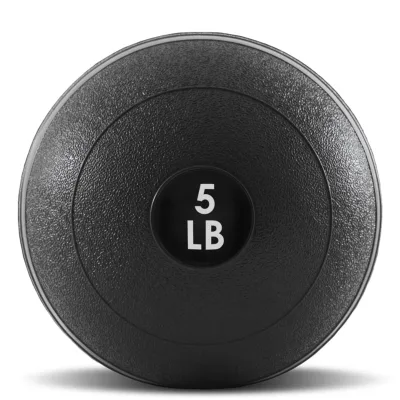
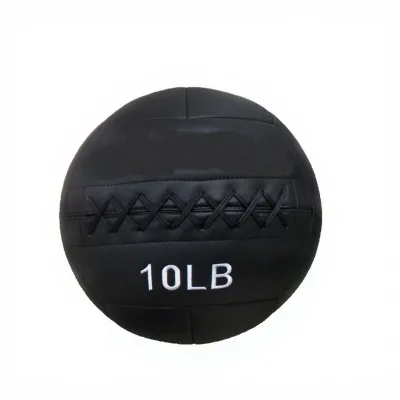
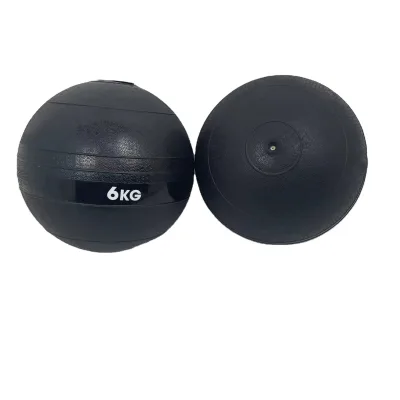
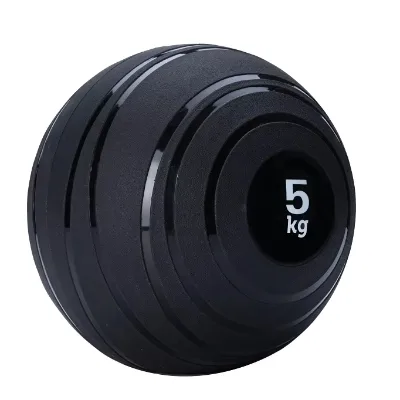
Slam Ball Gym Fitness Power Training Workout Weighted Slam Ball for Training
$3.82 - $4.19
MOQ: 200 Pieces



Comprehensive Sourcing Guide
Customized Logo Slam Ball Sourcing Guide
Procuring customized logo slam balls requires balancing durable construction with specific branding requirements for gyms, schools, and training facilities. The observed market data indicates a wide range of weight options, typically spanning from 1kg to 80kg, allowing buyers to select units suitable for diverse strength training and physical therapy applications. Buyers must verify that the selected model supports the intended usage environment, whether it is an indoor gymnasium or an outdoor training ground, as material durability varies significantly across these settings.
The customization process often involves specific lead times for logo application, which can extend the standard sample delivery window. While some suppliers offer rapid turnaround for standard logos within two days, complex customizations may require up to fifteen working days for sample approval before mass production begins. Procurement teams should align their project timelines with these variable production schedules to ensure that branded inventory arrives before scheduled fitness events or facility openings.
Product Scope and Observed Listing Signals
The current market listings reveal a diverse product scope including slam balls, medicine balls, and specialized training equipment with weights ranging from 2kg to 40kg. These products are frequently constructed from PVC materials and are available in standard colors like black or red, though custom color options may be requested. The observed listings also indicate that some units are designed for specific sports types, such as ball sports, while others focus purely on power training and strength development for unisex or specific gender groups.
Buyers should note that product dimensions and packing methods vary by manufacturer, with some items shipped in polybags within cartons and others in strong brown cartons. The observed specifications include models with fixed weights and others that may offer adjustable configurations, though most listed items appear to be fixed-weight units. Understanding these variations is critical when comparing suppliers, as the physical footprint and shipping weight directly impact logistics costs and storage requirements for the buyer.
Technical Specifications to Verify
Technical verification must begin with the weight standard, as observed listings show increments ranging from 1kg up to 5kg depending on the total mass. Buyers should confirm that the weight tolerance aligns with their training protocols, ensuring that a 10kg ball does not deviate significantly from the nominal value. Additionally, the physical dimensions, such as the 24x24x24cm specification observed in some listings, must be checked to ensure the ball fits the intended training space and equipment racks.
Material composition is another critical technical factor, with PVC being a common material observed in the current market data. Procurement teams must verify the thickness and durability of the outer shell to ensure it can withstand repeated high-impact drops without tearing or losing its shape. The condition of the product should be confirmed as new, and the folding status, typically listed as unfolded for these rigid units, must be consistent with the storage and transport requirements of the facility.
Compliance and Safety Documentation
Safety compliance is paramount for equipment used in public fitness centers and educational institutions, with CE certification being a frequently observed standard in the current listings. Buyers should request valid certification documents to ensure the product meets European safety requirements, which often serve as a baseline for global market acceptance. The presence of ISO certification in some listings further indicates a commitment to quality management systems, providing an additional layer of assurance regarding manufacturing consistency and safety.
Documentation should also cover the specific application limits of the equipment, distinguishing between indoor and outdoor usage scenarios. While some products are explicitly rated for indoor gymnasium use, others may be suitable for outdoor applications, requiring verification of UV resistance and weather durability. Procurement teams must ensure that all safety warnings and usage instructions are included in the product packaging to mitigate liability risks associated with improper use or equipment failure during training sessions.
Cost Drivers and Commercial Terms
The observed price range of 0.1 to 64.5 USD suggests significant variation based on weight, material quality, and customization complexity. Heavier units and those with specialized branding or custom colors will naturally command higher prices, while standard models in common weights may be available at the lower end of the spectrum. Buyers should analyze the cost per kilogram to determine the true value proposition, as the base price alone may not reflect the durability or performance characteristics of the product.
Commercial terms such as payment methods and delivery timelines are equally important for budget planning. The market data indicates that suppliers often accept T/T or Trade Assurance payments, providing a secure transaction environment for international buyers. Lead times can vary from three to thirty days depending on order volume and customization needs, so procurement teams must factor in these durations when calculating total landed costs and ensuring inventory levels remain sufficient to meet demand.
Supplier Qualification and Quality Control
Supplier qualification should focus on verifying the origin of the products, with observed listings indicating manufacturing hubs in Shandong, Hebei, Nantong, and Jiangsu in China. Buyers should assess the logistical capabilities of suppliers in these regions to ensure they can handle the specific shipping requirements for heavy or bulky items. Additionally, checking the supplier's history with similar orders and their ability to maintain consistent quality across different production batches is essential for long-term reliability.
Quality control processes must be clearly defined before placing an order, including requirements for pre-shipment inspections and sample approvals. The observed sample times of three to seven days, or up to fifteen days for customized logos, provide a window for buyers to evaluate product quality before committing to large volumes. Establishing clear acceptance criteria for weight accuracy, material integrity, and logo placement will help prevent disputes and ensure that the final delivered goods meet the buyer's exact specifications.
Long-Term Procurement Checks
Long-term procurement success depends on establishing a reliable supply chain that can adapt to changing market demands and volume fluctuations. Buyers should maintain open communication channels with suppliers to monitor production capacity and potential supply chain disruptions that could affect delivery schedules. Regular reviews of supplier performance, including adherence to lead times and quality standards, will help identify any issues early and allow for corrective actions before they impact business operations.
Sustainability and product lifecycle management are also critical considerations for ongoing procurement strategies. Buyers should inquire about the recyclability of materials like PVC and the durability of the products to minimize waste and replacement costs over time. By selecting suppliers who demonstrate a commitment to quality and environmental responsibility, organizations can build a resilient supply chain that supports their fitness and training goals for years to come.
FAQs
Can I customize the logo on the slam ball?
Yes, logo customization is available according to customer needs. The product page explicitly states that the logo can be tailored to specific requirements. This allows buyers to brand the equipment for their gym or organization. Customization options are supported alongside standard manufacturing processes to ensure brand visibility.
What certifications do the slam balls have?
The slam balls carry CE certification, and some models also include ISO certification. These certifications indicate compliance with relevant safety and quality standards for the European and international markets. Buyers can rely on these documented credentials when sourcing equipment for regulated environments or commercial fitness facilities.
What materials are used to make the slam balls?
The slam balls are constructed from PVC material. This durable material is suitable for high-impact exercises like throwing and slamming. The PVC construction ensures longevity and resistance to wear during intense training sessions. The material choice supports the product's application in both indoor and outdoor fitness settings.
What is the weight range for the slam balls?
The weight range spans from 2kg to 40kg. Specific models are available in standard increments such as 1kg up to 10kg, or larger sizes like 12kg, 15kg, and 20kg. This wide range accommodates various strength training levels, from beginners to advanced athletes, ensuring suitable options for diverse training projects.
Where are the slam balls manufactured?
The slam balls are manufactured in China, with origins in Shandong, Hebei, and Jiangsu provinces. These locations represent key manufacturing hubs for fitness equipment in the region. Buyers can source products from these verified origins, ensuring access to established supply chains and production capabilities for bulk orders.
What is the sample time for customized orders?
The sample time is typically 15 working days for standard requests. If a customized logo is required, the sample time may be within 2 days for certain configurations. This rapid turnaround supports buyers who need to verify quality and branding before committing to larger production runs or bulk purchases.
How are the slam balls packed for shipping?
The slam balls are packed in polybags and cartons, with some models using strong brown cartons. The packing dimensions are specified as 24x24x24cm for certain models. This secure packaging protects the PVC balls during transit and ensures efficient storage and handling for both domestic and international shipping logistics.