Source Customized Motorcycle Modification Bolts for Auto, Car Wheel, Machinery
Explore 30 listings for Customized Motorcycle Modification Bolts featuring square and round head styles with various surface treatments. Buyers can compare specifications, materials like stainless steel and carbon steel, and OEM services across multiple suppliers.
Key considerations
Products List

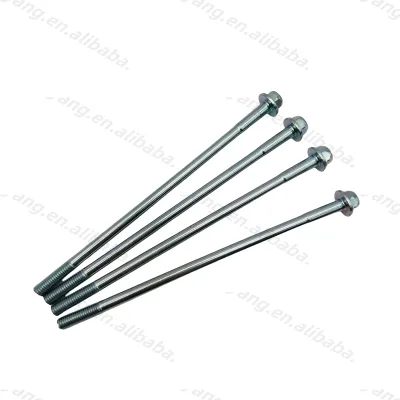
Specialized in Fastener Since 2002 Motorcycle Parts Accessories Customized Bolt
$0.01 - $0.02
MOQ: 5000 Pieces

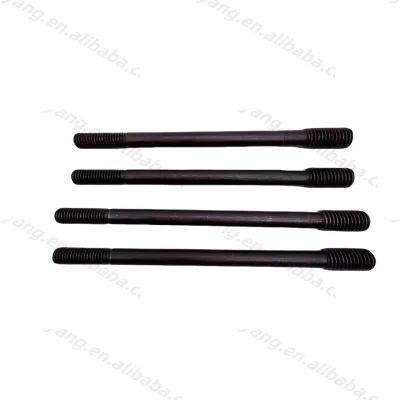
Factory Direct Sale Motorcycle Parts Accessories Carriage Customized Bolt
$0.01 - $0.02
MOQ: 5000 Pieces


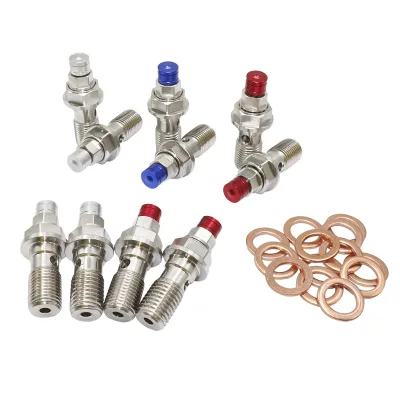
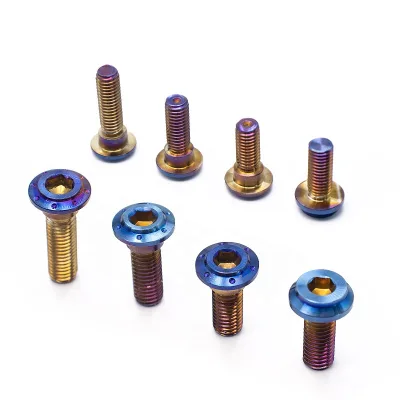


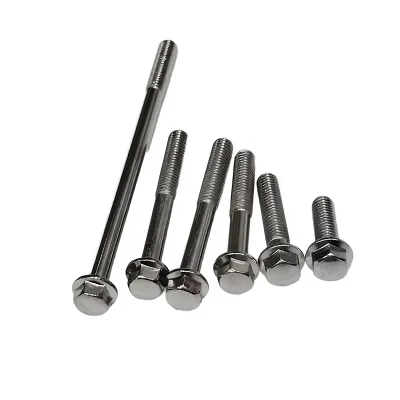

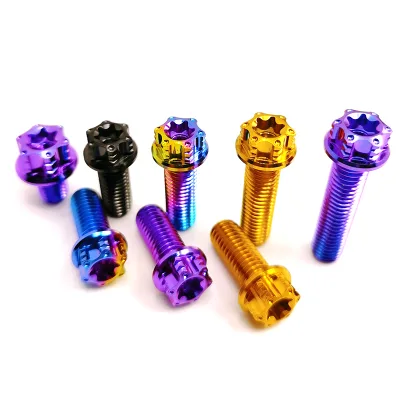
Premium Grade Bolts for Motorcycle Customization and Accessories Mounting
$0.50 - $10.00
MOQ: 1000 Pieces


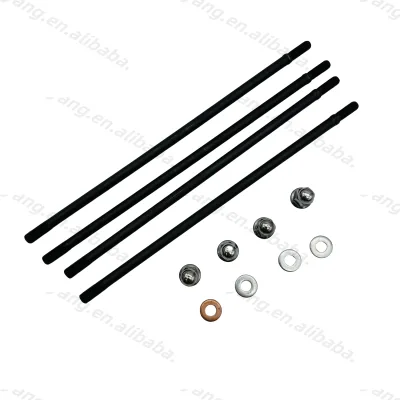



Comprehensive Sourcing Guide
Strategic Sourcing Guide for Customized Motorcycle Modification Bolts
Understanding Technical Specifications and Material Variability
When sourcing Customized Motorcycle Modification Bolts, the primary challenge lies in navigating the diverse technical specifications that define performance and compatibility. The market offers a wide array of configurations, ranging from square head designs to round head styles, each serving distinct mechanical functions. Buyers must recognize that "customized" implies a deviation from standard off-the-shelf inventory, requiring precise alignment with the motorcycle's specific engineering requirements.
Material selection is the foundational step in this process. The supplied data indicates a clear divergence in material grades available in the current market. Stainless Steel is a prominent option, often paired with specific grades such as 10, which suggests a focus on corrosion resistance and structural integrity for high-exposure applications. Conversely, Carbon Steel is also available, typically associated with Grade 8 specifications and round head styles. This distinction is critical; stainless steel may be preferred for components exposed to the elements, such as exhaust mounts or frame hardware, while carbon steel might be selected for internal engine components where tensile strength is prioritized over corrosion resistance.
The manufacturing process significantly influences the final product's mechanical properties. Cold-heading is a documented process for certain bolt types, offering high strength and dimensional accuracy through plastic deformation at room temperature. In contrast, hot-working or heat treatment processes are also observed, which may be necessary to achieve specific hardness levels or to relieve internal stresses in larger or more complex geometries. Surface treatments further differentiate the products. Options include color-zinc plating, oil removal, oxid black finish, nickel plating, and blue and white zinc. Each treatment serves a dual purpose: enhancing aesthetic appeal and providing a barrier against environmental degradation. For instance, a motorcycle brake caliper bolt might require a specific finish like oxid black or nickel plating to ensure compatibility with braking fluids and high-temperature environments.
| Feature Category | Observed Variations | Typical Application Context |
|---|---|---|
| Head Style | Square, Round | Square heads often used for high-torque applications; Round heads for general assembly. |
| Material | Stainless Steel, Carbon Steel | Stainless for corrosion resistance; Carbon for high tensile strength. |
| Surface Finish | Zinc Plated, Oxid Black, Ni Plated, Oil Removed | Zinc for general protection; Black/Ni for specific aesthetic or chemical resistance. |
| Manufacturing | Cold-Heading, Hot-Working | Cold-heading for precision; Hot-working for complex shapes or specific metallurgy. |
Compliance Verification and Certification Standards
Navigating the compliance landscape is essential for ensuring that sourced components meet international safety and quality benchmarks. The supply chain for customized fasteners often references a robust set of international standards. Buyers should verify that products adhere to recognized standards such as DIN, GB, ANSI, BSW, JIS, and GOST. These standards dictate the dimensional tolerances, thread profiles, and mechanical properties required for safe operation in machinery and automotive applications.
Certification status is another critical verification point. The market data highlights the presence of ISO 9001, Rous, and SGS certifications. ISO 9001 indicates a quality management system that ensures consistent product quality, while SGS and Rous certifications often relate to third-party inspection and material verification. It is important to note that while some background information may suggest RoHS or ASTM B348 compliance, buyers must request explicit documentation for these specific standards rather than assuming their presence based on general industry knowledge. The presence of a "Customized Bolt" label often implies that the manufacturer has the flexibility to meet specific client requirements, but this does not automatically guarantee compliance with every standard unless explicitly stated in the contract.
Furthermore, the "Applied Area" for these bolts extends beyond motorcycles to include general machinery, building construction, and automotive wheel applications. This versatility suggests that the manufacturing facilities are equipped to handle diverse regulatory environments. However, for motorcycle-specific modifications, the buyer must ensure that the specific bolt grade and finish are suitable for the high-vibration and high-stress environment of a motorcycle. The "Product Name" field explicitly mentions "Motorcycle Brake Caliper Bolt," indicating that specialized applications exist within the broader category of customized fasteners.
Cost Drivers and Economic Factors in Customization
The economics of sourcing customized motorcycle bolts are influenced by several interconnected factors. The observed price range in the market spans from 0 to 10.3 USD, a wide variance that reflects differences in material costs, complexity of the design, and order volume. The Minimum Order Quantity (MOQ) ranges significantly, from as low as 5 units to as high as 10,000 units. This flexibility allows buyers to tailor their procurement strategy based on their immediate needs and budget constraints.
Material cost is a primary driver. Stainless steel typically commands a higher price point than carbon steel due to the raw material costs and the additional processing required to maintain its corrosion-resistant properties. The choice of surface treatment also impacts the final cost. Processes like nickel plating or specialized color-zinc plating involve additional chemical baths and quality checks compared to standard oil removal or basic zinc plating.
The level of customization is another significant cost variable. "OEM/ODM" capabilities imply that the manufacturer can alter the geometry, thread pitch, or head style to meet unique specifications. This level of engineering support adds value but also increases the unit cost, particularly for smaller batches. The "Sample: for Free" attribute suggests that some suppliers are willing to absorb the cost of prototyping to secure larger orders, which can be a strategic advantage for buyers in the early stages of product development.
Lead times and logistics also play a role in the total cost of ownership. Delivery times are observed to be between 15 and 30 days. While this is a standard range for custom manufacturing, any delays in the supply chain or additional expedited shipping requirements will affect the overall budget. The packaging details, such as carton packages of specific dimensions (e.g., 33x25x15cm), indicate that logistics efficiency is considered in the design, but bulk shipping costs will still vary based on the total volume and weight of the order.
Typical Applications and Performance Requirements
Customized Motorcycle Modification Bolts serve a critical role in enhancing the performance, safety, and aesthetics of two-wheeled vehicles. The specific application of these fasteners often dictates the required material and finish. For example, the "Motorcycle Brake Caliper Bolt" is a specialized component where precision and reliability are paramount. These bolts must withstand high clamping forces and resist the corrosive effects of brake fluids and road salts. The use of stainless steel or specific plating like nickel or blue and white zinc is common in these scenarios to ensure longevity and safety.
Beyond the braking system, these bolts are utilized in various other areas of the motorcycle, including the engine assembly, frame construction, and wheel attachments. The "Applied Area" data lists "Auto, Car Wheel," suggesting that the same manufacturing capabilities can be leveraged for automotive applications, but the specific tolerances and grades for motorcycles may differ. The "Tolerance" of ±0.2 is a key specification that ensures the bolts fit correctly without causing stress concentrations or loosening due to vibration.
The "Head Style" also influences the application. Square head bolts are often used in scenarios where high torque is required and a specific tool is available, while round head bolts are more common for general assembly where aesthetics and ease of installation are prioritized. The "Shape" attribute being listed as "OEM/ODM" reinforces the idea that these bolts are not one-size-fits-all but are engineered to fit specific motorcycle models or custom builds.
Supplier Evaluation and Service Capabilities
Evaluating a supplier for customized motorcycle bolts requires a holistic approach that goes beyond price and lead time. The "Service" attribute, specifically "Response in One Hour," indicates a high level of customer support responsiveness, which is crucial for resolving technical queries or addressing urgent production issues. This level of service suggests a supplier that is actively engaged in the procurement process and values client relationships.
Quality control (QC) procedures are another vital metric. The data mentions "Inspect 30mins in Production and Before Delivery," which implies a rigorous in-process and final inspection protocol. This is essential for customized products where deviations from the design can lead to catastrophic failure. Buyers should verify the specific criteria used during these inspections to ensure they align with the motorcycle industry's safety standards.
The "Specialty" of OEM (Original Equipment Manufacturer) indicates that the supplier is experienced in producing parts for established brands or custom orders. This experience is valuable as it suggests the supplier has the technical expertise to handle complex designs and maintain consistency across large batches. The "Packing" details, such as "Carton Package" and "Packed Into Carton," show attention to logistics, ensuring that the bolts arrive in good condition and are easy to handle on the production line.
Quality Control Protocols and Inspection Standards
Maintaining high quality in customized fasteners requires a multi-layered inspection strategy. The observed "QC Control" of inspecting for 30 minutes during production and before delivery highlights a commitment to continuous monitoring. This approach helps identify defects early, reducing waste and ensuring that only compliant products reach the customer.
Tolerance control is a specific area of focus. The documented tolerance of ±0.2 is a critical parameter that must be maintained throughout the production run. Buyers should request sample reports or calibration certificates to verify that the supplier's measurement equipment is accurate and up to date. The "Process" of cold-heading or hot-working must be strictly controlled to ensure that the mechanical properties of the bolt, such as hardness and tensile strength, meet the required specifications.
Surface treatment consistency is another area where quality control is paramount. Variations in plating thickness or color can indicate underlying issues with the chemical bath or the pre-treatment process. For motorcycle applications, where exposure to moisture and chemicals is common, the integrity of the surface treatment is a direct indicator of the bolt's lifespan. The "Finish" options, ranging from color-zinc plating to oxid black, require different inspection criteria to ensure they meet the visual and functional requirements of the end user.
Long-Term Procurement Considerations and Supply Chain Resilience
Sourcing customized motorcycle bolts is not a one-time transaction but a long-term partnership that requires careful planning. The "Lead Time" of 15-30 days is a baseline that buyers must factor into their production schedules. Variations in this timeline due to raw material shortages or logistical disruptions can impact the entire supply chain. Therefore, establishing a relationship with a supplier who has a proven track record of meeting delivery deadlines is essential.
The "Warranty" of 6 months mentioned for specific products like the motorcycle brake caliper bolt provides a safety net for buyers. However, for customized orders, the warranty terms should be clearly defined in the contract, covering defects in material, workmanship, and dimensional accuracy. The "Brand Name" and "Product Name" fields suggest that some suppliers offer branded solutions, which can add value through brand recognition and customer trust.
Finally, the "Origin" of the products, such as Zhejiang or Guangdong, China, indicates the geographic concentration of the manufacturing base. Buyers should consider the logistical implications of sourcing from these regions, including shipping costs, import duties, and the potential for supply chain disruptions. A diversified supplier base can mitigate these risks, ensuring that the procurement of customized motorcycle bolts remains resilient in the face of market fluctuations. By focusing on technical specifications, compliance, cost drivers, and supplier capabilities, buyers can build a robust sourcing strategy that supports the high standards required for motorcycle modification.
FAQs
Can I get free samples for Customized Motorcycle Modification Bolts?
Yes, free samples are available for Customized Motorcycle Modification Bolts to help you verify quality before ordering. This offer allows you to test the specific head style, material grade, and surface finish required for your project without initial financial risk.
What certifications do these Customized Motorcycle Modification Bolts have?
These bolts carry ISO 9001, Rous, and SGS certifications to ensure consistent quality and material verification. These standards confirm that the manufacturing process meets international requirements for machinery and automotive applications involving stainless or carbon steel.
How long is the delivery time for Customized Motorcycle Modification Bolts?
The standard delivery time for these bolts ranges from 15 to 30 days after order confirmation. This lead time accounts for the cold-heading or hot-working processes and the specific surface treatments like zinc plating or nickel plating required for your order.
Which materials are used for Customized Motorcycle Modification Bolts?
The bolts are manufactured using Stainless Steel and Carbon Steel to suit different mechanical and environmental needs. Stainless Steel is often paired with Grade 10 for corrosion resistance, while Carbon Steel is used with Grade 8 for high tensile strength in engine components.
What is the minimum order quantity for Customized Motorcycle Modification Bolts?
The minimum order quantity varies between 5 and 10,000 units depending on the specific customization and supplier capacity. This flexible range allows buyers to start with small prototype batches or scale up to large production runs for machinery and building applications.
How are Customized Motorcycle Modification Bolts packaged for shipping?
The bolts are packed into carton packages with dimensions such as 33x25x15 cm or 33x25x21 cm for protection. Each package is designed to ensure the fasteners arrive in good condition, with some specific models like motorcycle brake caliper bolts packed individually in bags.
Can I get customized dimensions for motorcycle modification bolts?
Yes, the bolts offer fully customized sizes and specifications to meet unique engineering requirements. The manufacturing process supports OEM and ODM requests, allowing you to specify exact tolerances like ±0.2 mm and specific head styles such as square or round heads.