Source Customized Music Musical Sculpture for Street, Square, and Home
Find and compare 30 Customized Music Musical Sculpture options crafted from steel, copper, and resin. These pieces support embedded installation for outdoor street and square displays, as well as indoor home decoration, with various sizes and European or natural styles available for personal or commercial use.
Key considerations
Products List
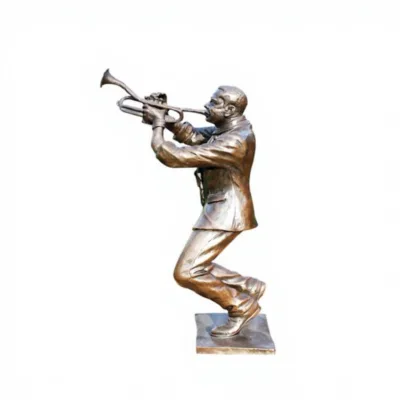
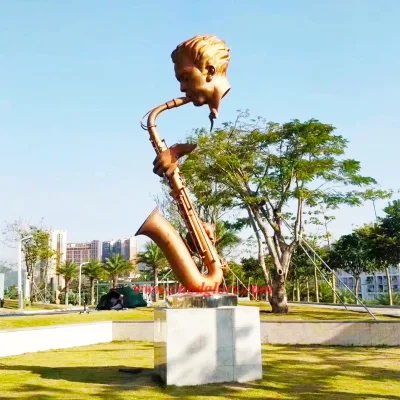

Outdoor Landmark Musicians Bronze Harmony Musical Ensemble Play The Piano Sculpture
$4000.00 - $12000.00
MOQ: 1 Pieces

Art Stainless Steel Mirror Polished Music Note Sculpture for Outdoor Garden Decoration
$1500.00 - $9000.00
MOQ: 1 Pieces


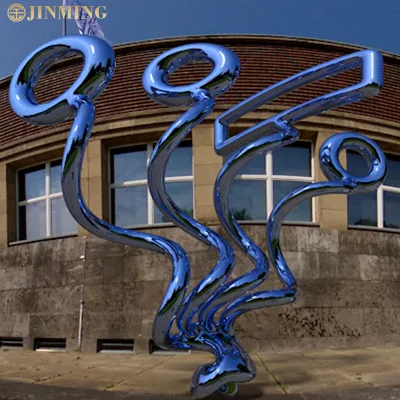


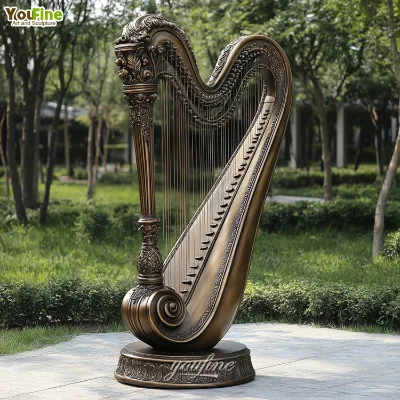



Outdoor Modern Art Sculpture Abstract Stainless Steel Music Figure Sculpture
$700.00 - $6000.00
MOQ: 1 Pieces

Custom Metal Musical Instrument Sculpture Outdoor Large Stainless Steel Cello Sculpture
$1000.00 - $4580.00
MOQ: 1 Pieces


Comprehensive Sourcing Guide
Customized Music Musical Sculpture Sourcing Guide
Sourcing customized music musical sculptures requires a nuanced understanding of both artistic craftsmanship and mechanical engineering. These products are not merely static decorative items; they are kinetic or audio-enabled installations that blend aesthetic appeal with functional sound production. Buyers must recognize that the term "customized" implies a high degree of variability in materials, dimensions, and internal mechanisms. The procurement process involves balancing the artistic vision of the client with the technical feasibility of integrating moving parts, sound modules, or structural elements that respond to music. This guide provides a structured approach to navigating the complexities of this niche market, ensuring that buyers can make informed decisions regarding design, compliance, and supplier selection.
The market for these sculptures is diverse, ranging from small personal decorations to large-scale public installations. Observed listings indicate a wide range of product types, including steel and copper sculptures with European and American styles, as well as resin and fiberglass figures suitable for home or outdoor use. The customization options extend to color, size, and specific carving techniques such as polishing or painting. Buyers should approach this category with the understanding that each project may require unique engineering solutions, particularly when integrating musical elements into non-traditional materials. The following sections detail the critical factors that influence the success of a procurement project in this specialized field.
Product Scope and Observed Listing Signals
The product scope for customized music musical sculptures encompasses a variety of materials and applications, reflecting the diverse needs of different market segments. Common materials observed in the market include steel, copper, resin, and fiberglass, each offering distinct advantages in terms of durability, weight, and aesthetic finish. Steel and copper sculptures often feature hand-made processing and forge technology, resulting in high-quality, durable pieces suitable for outdoor environments such as streets and squares. In contrast, resin and fiberglass sculptures are frequently used for indoor home decorations or promotional gifts, offering lighter weight and easier handling. The style of these products often leans towards European and American designs, with natural or polished finishes that enhance their visual appeal.
Application scenarios for these sculptures vary significantly based on the intended use and environment. Products are designed for personal decorations, home decor, commerce gifts, and large-scale public installations. For instance, steel sculptures with embedded installation methods are suitable for outdoor public spaces, while smaller resin figures are ideal for business gifts or holiday decorations. The customization capabilities allow buyers to tailor products to specific themes, such as natural styles or specific color palettes like blue, brown, burgundy, or silver. Understanding these distinctions is crucial for buyers to select the appropriate product type that aligns with their project requirements, whether it involves a small-scale promotional item or a large-scale architectural feature.
Technical Specifications to Verify
Verifying technical specifications is critical to ensuring that the Customized Music Musical Sculpture meets the intended functional and aesthetic requirements. Buyers must pay close attention to material specifications, such as the grade of stainless steel (e.g., 304 #) or the type of resin used, as these directly impact durability and weather resistance. For outdoor applications, it is essential to confirm that the materials are suitable for external environments and that the surface treatments, such as polishing or painting, provide adequate protection against corrosion and UV damage. Additionally, the installation method, whether embedded or freestanding, must be clearly defined to ensure proper structural integrity and safety.
The integration of musical elements introduces additional technical complexities that require careful verification. Buyers should inquire about the power source, sound quality, and durability of the audio components integrated into the sculpture. For kinetic sculptures, the mechanism that translates music into movement must be robust and reliable. Specifications such as dimensions (e.g., 200cmH or specific compact sizes) and weight are also vital for logistics and installation planning. Buyers must ensure that the supplier provides detailed technical drawings and specifications for the customized elements, including color codes, size tolerances, and any specific carving or processing techniques required to achieve the desired artistic effect.
Compliance and Safety Documentation
Compliance and safety documentation are paramount when sourcing customized music musical sculptures, particularly for products intended for public spaces or commercial use. Buyers must ensure that the supplier provides evidence of compliance with relevant safety standards, including electrical safety for any integrated audio or lighting components. For outdoor sculptures, resistance to environmental factors such as rain, wind, and temperature fluctuations must be verified through appropriate testing or material certifications. Buyers should request documentation that confirms the structural stability of the sculpture, especially for large or heavy pieces, to prevent accidents or damage.
In addition to physical safety, buyers must consider intellectual property and design compliance, especially when ordering customized pieces. If the design involves copyrighted music or specific artistic elements, buyers must ensure that all necessary licenses and permissions are in place. Suppliers should be transparent about the origin of the design and any third-party components used in the manufacturing process. Buyers should also verify that the packaging and shipping methods comply with international regulations, particularly for fragile or heavy items, to prevent damage during transit. Clear communication regarding compliance requirements from the outset can help avoid legal issues and ensure a smooth procurement process.
Cost Drivers and Commercial Terms
The cost of customized music musical sculptures is influenced by several key drivers, including material selection, complexity of design, and the degree of customization required. High-quality materials such as stainless steel or copper, along with hand-made processing and forge technology, typically result in higher costs compared to mass-produced resin or fiberglass items. The integration of musical components, such as speakers, motors, or sensors, also adds to the overall price. Buyers should expect a wide range of prices, from affordable promotional items to high-end artistic installations, depending on the specific requirements and quality expectations.
Commercial terms, including minimum order quantities (MOQ), payment methods, and shipping arrangements, play a significant role in the total cost of ownership. Suppliers may offer flexible MOQs, ranging from single units for custom projects to bulk orders for promotional items. Payment terms often include options such as T/T, Trade Assurance, Western Union, or Money Gram, providing buyers with various choices for securing transactions. Shipping costs can be substantial, especially for large or heavy sculptures, so buyers should inquire about door-to-door service options and packaging requirements, such as wooden frame boxes or styrofoam protection, to ensure safe delivery. Understanding these commercial terms helps buyers budget accurately and negotiate favorable conditions.
Supplier Qualification and Quality Control
Supplier qualification is a critical step in sourcing customized music musical sculptures, as the quality of the final product depends heavily on the manufacturer's expertise and capabilities. Buyers should verify the supplier's experience in producing similar products, particularly in the areas of metalworking, resin casting, or kinetic sculpture assembly. Requesting samples or case studies of previous projects can provide valuable insights into the supplier's craftsmanship and attention to detail. Additionally, buyers should assess the supplier's ability to handle customization requests, including design modifications, material changes, and specific finishing techniques.
Quality control measures must be clearly defined and agreed upon before production begins. Buyers should establish clear acceptance criteria for materials, dimensions, surface finishes, and functional performance of the musical components. Regular inspections during the manufacturing process, such as pre-production, during-production, and pre-shipment inspections, can help identify and address potential issues early. Buyers should also verify the supplier's quality management systems and certifications, if any, to ensure consistent product quality. Clear communication regarding quality expectations and inspection protocols helps minimize the risk of receiving substandard products and ensures that the final sculpture meets the buyer's standards.
Long-Term Procurement Checks
Long-term procurement checks are essential for maintaining the quality and reliability of customized music musical sculptures over time. Buyers should establish a maintenance plan that includes regular inspections of the sculpture's structural integrity, surface condition, and musical components. For outdoor sculptures, this may involve checking for corrosion, paint peeling, or mechanical wear, while indoor pieces may require dusting and occasional cleaning. Buyers should also verify the availability of spare parts and technical support from the supplier, particularly for complex musical or kinetic mechanisms that may require repair or replacement.
Building a long-term relationship with a reliable supplier can provide significant benefits, including better pricing, priority service, and consistent quality. Buyers should regularly review supplier performance based on metrics such as on-time delivery, product quality, and responsiveness to issues. Continuous feedback and communication help identify areas for improvement and ensure that the supplier remains aligned with the buyer's evolving needs. Additionally, staying informed about industry trends and technological advancements in sculpture design and musical integration can help buyers make informed decisions about future procurement projects, ensuring that their investments remain relevant and valuable over time.
FAQs
What customization options are available for these sculptures?
Customization is available for these sculptures, allowing buyers to specify unique designs. The products support custom styles and can be tailored to specific requirements like size or material finish.
Which materials are used to manufacture these decorative sculptures?
These sculptures are manufactured using steel, copper, resin, and fiberglass materials. Buyers can select from various material options depending on the desired durability and aesthetic finish for their specific application.
How are these sculptures packaged for safe shipping?
Packaging options include wooden frame boxes, styrofoam with brown boxes, or inner boxes with styro foam and cartons. This ensures the sculptures remain protected during transit to international destinations.
Can these sculptures be installed in outdoor environments?
Yes, these sculptures are suitable for outdoor use in locations like streets and squares. They are designed to withstand outdoor conditions while maintaining their polished or painted surface treatments effectively.
What is the minimum order quantity for these products?
The minimum order quantity ranges from 1 to 200 pieces depending on the specific design. Some designs require a minimum of 200 pieces per design, while others may have lower thresholds.
Which payment methods are accepted for these orders?
Accepted payment methods include T/T, Trade Assurance, Western Union, Money Gram, and E. Buyers can choose the most secure and convenient payment option to complete their transaction with suppliers.