Source Customized Mung Bean Polishing Machine for Beans Wheat All
Find 30 Customized Mung Bean Polishing Machine options with varying capacities up to 5 tons per hour and power ratings from 4.75 to 6.25 Kw. Buyers can compare dimensions, weights, and cleaning rates to select the right equipment for beans, wheat, and other grains.
Key considerations
Products List


Bean Coffee Bean Mung Bean Red Bean Polishing Machine Polishing Brush
$1900.00 - $2000.00
MOQ: 1 Pieces


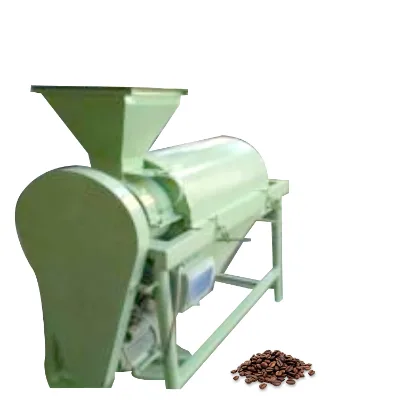


Comprehensive Sourcing Guide
Strategic Sourcing Guide for Customized Mung Bean Polishing Machines
Understanding the Technical Landscape of Bean Polishing Equipment
When sourcing a Customized Mung Bean Polishing Machine, buyers must first navigate a complex technical landscape where specifications vary significantly between models. The core function of these machines is to remove surface dust, soil, and impurities from beans, wheat, and other grains, ensuring a high-quality final product. Based on observed market data, the functional requirements for these units often include a cleaning rate of 95%, which is a critical metric for efficiency. The machinery is designed to handle specific material types, with soybean and bean grains being primary targets. The physical configuration of these units is not uniform; while some models are designed with a horizontal appearance, others feature a vertical structure, depending on the factory layout and processing line requirements.
Power consumption is a major technical variable. Observed data indicates that power ratings can range from 4.75 Kw to 6.25 Kw, with some units listing a power consumption of 5.37 Kw. This variance suggests that buyers must carefully match the machine's electrical requirements to their facility's capacity. Voltage specifications are generally standardized at 380V, which is typical for industrial equipment in many regions. The physical dimensions of the machines also vary, with observed models ranging from 20006001300 mm to 30007001500 mm. Weight is another distinguishing factor, with units observed weighing 300kg or 450kg. These physical attributes directly impact shipping costs and the structural requirements of the installation site. Buyers should verify that the specific model's dimensions and weight align with their floor space and load-bearing capabilities before finalizing a purchase.
Compliance, Certification, and Quality Standards
In the realm of industrial machinery, compliance with international standards is a non-negotiable aspect of the procurement process. The observed market data highlights several quality standards that are frequently associated with these polishing machines. Notably, ISO9001:2008 and ISO9001-2008 are cited as relevant standards, indicating a focus on quality management systems. Additionally, third-party verification bodies such as SGS, TUV, and SONCAP are mentioned in the context of product standards. These certifications serve as indicators that the manufacturer adheres to specific safety and quality protocols, though buyers must verify the current validity of these certificates for the specific unit they intend to purchase.
It is crucial to distinguish between observed certifications and those that are merely background knowledge. While CE certification is often associated with industrial machinery, it should not be assumed as a guaranteed feature without explicit confirmation from the supplier. Similarly, while ISO9001 is a common standard, the specific version (e.g., 2008 vs. newer iterations) must be confirmed. The presence of these standards suggests a commitment to quality, but the buyer's due diligence must extend to verifying that the specific machine model carries these certifications. The warranty period is another critical compliance factor, with a standard observation of a 1-year guarantee. This warranty period covers the mechanical integrity of the machine, but the specific terms and conditions should be reviewed to understand what components are included and what constitutes a valid claim.
Cost Drivers and Pricing Dynamics
The pricing of customized mung bean polishing machines is influenced by a variety of factors, including power rating, capacity, and the extent of customization required. The observed price range in the market spans from 897 USD to 8500 USD. This wide disparity indicates that the cost is not solely determined by the base machine but is heavily influenced by the specific configuration and added features. For instance, a machine with a higher capacity, such as 5 tons per hour, may command a higher price point compared to a unit with a capacity of 2 tons per hour. Similarly, the power rating, which can vary between 4.75 Kw and 6.25 Kw, likely impacts the overall cost.
Customization is a significant cost driver. The market data confirms that customization is available, allowing buyers to tailor the machine to their specific production needs. This could involve adjusting the dimensions, changing the color to white or green, or modifying the internal components to handle specific grain types more efficiently. The minimum order quantity (MOQ) is observed to be as low as 1 unit, which is favorable for small to medium-sized enterprises that may not require bulk purchasing. However, the lead time and production capacity of the supplier, which can range from 80 to 100 sets per month, may affect the final delivery schedule and potentially the pricing structure. Buyers should be aware that while the base price might be low, the total cost of ownership, including shipping, installation, and potential customization fees, must be calculated to ensure a realistic budget.
Typical Applications and Processing Capabilities
The versatility of mung bean polishing machines is a key consideration for buyers looking to maximize their investment. These machines are primarily designed for the application of beans, but many models are also capable of processing wheat, maize, and other grains. The observed data suggests that the machines can handle a variety of grain types, including soybean, maize, wheat, and bean grain. This multi-grain capability is particularly valuable for facilities that process different types of crops throughout the year. The function of the machine extends beyond simple polishing; it includes the removal of surface dust and soil, which is essential for producing high-quality, clean beans ready for consumption or further processing.
Capacity is another critical application factor. The observed capacity ranges from 2 tons per hour to 5 tons per hour, with some units capable of processing 5000 kg per hour. This range allows buyers to select a machine that matches their production volume. For small-scale operations, a 2-ton per hour unit may be sufficient, while larger facilities may require the higher capacity models. The cleaning rate of 95% is a significant performance metric, ensuring that the majority of impurities are removed during the polishing process. This high efficiency reduces waste and improves the overall yield of the processing line. Buyers should also consider the specific application requirements, such as the need for a horizontal or vertical configuration, to ensure the machine integrates seamlessly into their existing workflow.
Supplier Evaluation and Production Capabilities
Evaluating suppliers for customized mung bean polishing machines requires a thorough assessment of their production capabilities and reliability. The observed data indicates that the factory location is often in Shijiazhuang City, near Beijing City, which is a known industrial hub in China. This location suggests a concentration of manufacturing expertise and supply chain resources. The productivity of the factories is observed to be between 80 and 100 sets per month, indicating a moderate to high production capacity. This level of output suggests that suppliers can handle both small and large orders, but buyers should confirm the lead time for their specific order size.
When evaluating a supplier, buyers should look for evidence of their ability to provide customized solutions. The availability of customization options, such as specific dimensions, colors, and functional modifications, is a strong indicator of a supplier's flexibility and technical competence. The use of high-quality materials, such as carton steel, is another positive sign, as it suggests a commitment to durability and longevity. The packaging method, typically wooden cases or containers, is also important to consider, as it ensures the safe transport of the machine. Buyers should verify the supplier's track record in delivering machines that meet the specified standards and performance metrics. The presence of a 1-year warranty is a standard offering, but the specific terms and the supplier's responsiveness to warranty claims should be carefully reviewed.
Long-Term Procurement and Maintenance Considerations
Long-term procurement considerations for mung bean polishing machines extend beyond the initial purchase price. Buyers must plan for the ongoing maintenance and operational costs associated with the equipment. The power consumption, which ranges from 4.75 Kw to 6.25 Kw, will directly impact the electricity costs of running the machine. Over time, these costs can accumulate, making energy efficiency a key factor in the selection process. The weight of the machine, observed at 300kg or 450kg, also plays a role in maintenance, as heavier units may require more robust support structures and potentially higher maintenance costs.
The customization aspect of the machine also has long-term implications. While customization allows for a tailored solution, it may also limit the availability of spare parts if the machine is highly specialized. Buyers should ensure that the supplier provides a comprehensive list of spare parts and has a reliable supply chain for replacements. The warranty period of 1 year is a standard offering, but buyers should consider the potential need for extended warranties or service contracts to protect their investment. Additionally, the cleaning rate of 95% and the ability to remove dust and soil effectively are critical for maintaining the quality of the final product. Regular maintenance and calibration are essential to ensure that the machine continues to operate at peak efficiency throughout its lifespan. By carefully considering these long-term factors, buyers can make informed decisions that ensure the continued success of their operations.
FAQs
What is the cleaning rate for these machines?
The cleaning rate is 95 percent, ensuring efficient removal of surface dust and soil. This metric applies to models designed for beans, wheat, and maize grains.
Can I customize the machine dimensions and color?
Yes, customization is available for dimensions and color options like white or green. Buyers can select specific sizes such as 2000*600*1300 mm or 3000*700*1500 mm.
What is the power consumption of the equipment?
Power consumption ranges from 4.75 Kw to 6.25 Kw depending on the specific model. The standard voltage for operation is 380V across all observed units.
Which capacity options are available for production?
Capacity options range from 2 tons per hour to 5 tons per hour. Some models also list a capacity of 5000 kg per hour for high-volume processing.
What standards do the machines meet?
Machines meet ISO9001:2008, ISO9001-2008, SGS, TUV, and SONCAP standards. These certifications indicate adherence to quality management and safety protocols for industrial use.
How long is the warranty period for the unit?
The warranty period is 1 year for the mechanical integrity of the machine. This coverage applies to the new condition units supplied from the factory.