Source Customized Motocross Racing Suit for Racing, Off-Road, and Karting
Find 30 listings for Customized Motocross Racing Suit options featuring flame-retardant, waterproof, and breathable materials. Buyers can compare specifications like size ranges, material compositions, and lead times from verified suppliers in China.
Key considerations
Products List
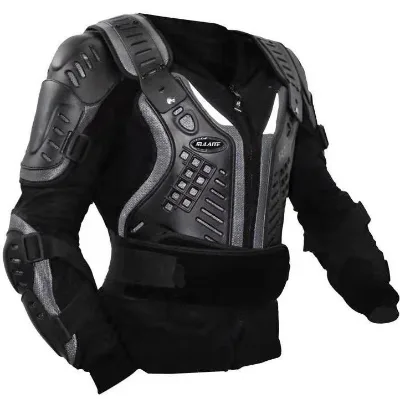
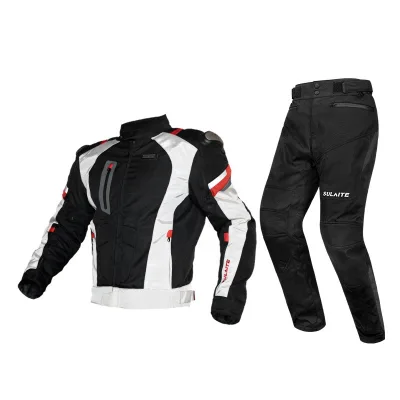


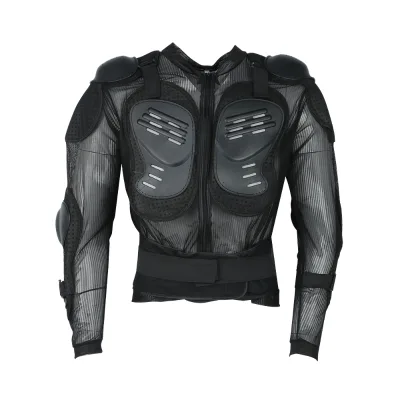
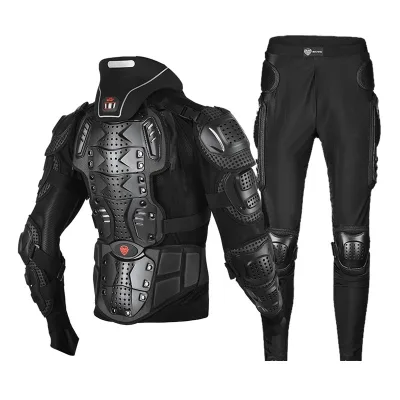


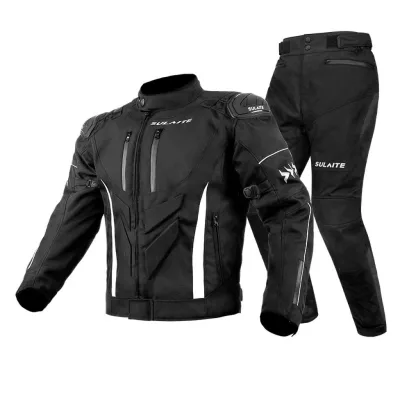
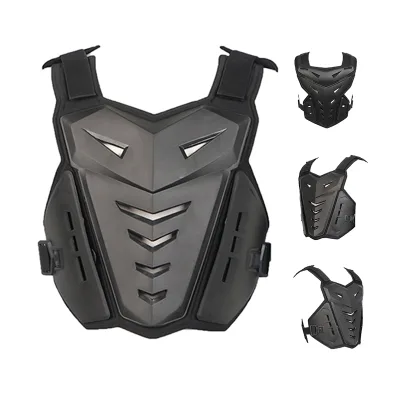


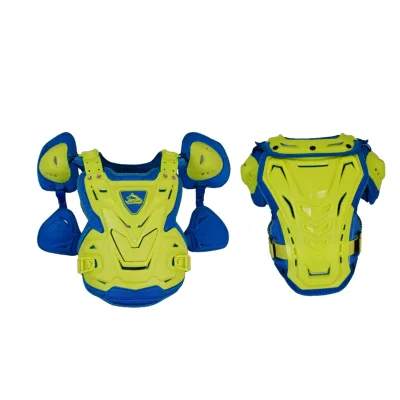
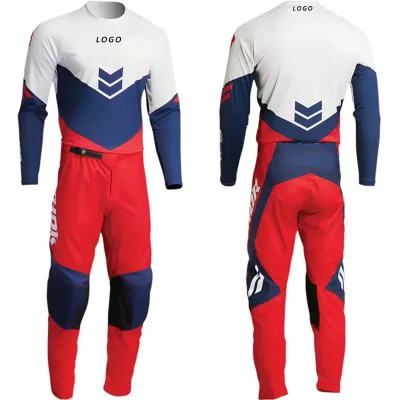


Comprehensive Sourcing Guide
Strategic Sourcing Guide for Customized Motocross Racing Suits
Sourcing customized motocross racing suits requires a disciplined approach that balances technical performance, supply chain reliability, and strict adherence to safety standards. The market for these specialized garments is characterized by a wide variance in material composition, protective capabilities, and manufacturing origins. Buyers must navigate a landscape where "customization" can range from simple logo placement to full structural modifications of the suit's protective architecture. This guide provides a comprehensive framework for evaluating suppliers and products, ensuring that procurement decisions are grounded in verifiable facts rather than marketing assertions.
Technical Specifications and Material Composition
The foundation of a high-performance motocross suit lies in its material composition and structural design. When evaluating potential suppliers, the primary technical differentiator is the fabric used. The market offers suits constructed from various blends, including Polypropylene (PP), Polyester, Polyethylene, Oxford cloth, Leather, and Polyurethane (PU). Each material serves a distinct function within the suit. For instance, suits designed for high-impact racing often incorporate Leather or Cordura-type fabrics to maximize abrasion resistance, while others may utilize Polyester/Spandex blends to prioritize flexibility and body shaping.
A critical observation in the current market is the variation in feature sets. Buyers should verify if the selected suit includes specific functional attributes such as flame-retardancy, waterproofing, windproofing, and breathability. These features are not universal; some products are marketed as "Flame-Retardant" and "Breathable," while others emphasize "Waterproof" and "Durable" capabilities. The presence of these features directly impacts the suit's suitability for specific racing environments, such as wet conditions versus dry, high-heat tracks.
Furthermore, the sizing architecture is a vital technical specification. Standard sizing often ranges from Medium (M) to 4XL or 5XL, with some suppliers offering extended ranges to accommodate diverse body types. However, the "Plus Size" category is frequently highlighted as a distinct feature, indicating that the suit's cut and protective padding are engineered to fit larger frames without compromising mobility. Buyers must confirm that the size chart provided by the supplier aligns with the specific anthropometric data of their riders, as a poor fit can negate the protective value of the suit.
Customization Capabilities and Production Flexibility
The core keyword "customized" implies a need for flexibility in branding and design. In the context of motocross racing suits, customization typically encompasses logo placement, color schemes, and potentially material selection. Many suppliers indicate that "Customized Logo Accept" is a standard service, allowing teams to brand their gear with unique identifiers. Additionally, the "Customization: Available" attribute suggests that structural or aesthetic modifications can be requested, though the extent of these modifications must be clarified during the initial inquiry.
Color options are another significant aspect of customization. Market observations show a wide palette including Black, Yellow, White, Green, and Patterned designs. Some suppliers offer "Black without Neck Brace" configurations, indicating that specific protective components can be excluded or included based on the rider's preference or the specific racing discipline. The ability to select specific colors and patterns is essential for team uniformity and brand visibility.
The production process for customized orders often involves specific lead times. While some suppliers support sample orders with a lead time of 7 days, and others promise samples within 24 hours, the full production timeline for customized batches can vary significantly. Buyers should verify the "Supply Ability," which in some observed cases is listed as 1000 sets per day, to ensure the supplier can meet volume requirements without compromising quality. The "Sample" availability is a crucial step in the customization process, allowing buyers to validate the design, fit, and material quality before committing to a large order.
Compliance, Certification, and Safety Standards
Safety is the paramount concern in motocross racing. While the market is saturated with claims of high quality, buyers must rigorously verify compliance with international safety standards. It is important to note that specific certification statuses, such as CE certification, are often mentioned in background contexts but cannot be assumed for every listed product without direct verification from the supplier. The absence of a specific certification claim in a product listing does not necessarily indicate non-compliance, but it does require the buyer to request documentation.
When evaluating safety, buyers should look for explicit statements regarding "Quality" guarantees. Some suppliers assert "100% Guaranteed" quality, while others reference specific quality control metrics like "Aql 2.5 and 4" (Acceptable Quality Limit). These metrics refer to the statistical threshold for acceptable defects in a batch. An AQL of 2.5 is generally considered stricter than 4, indicating a higher standard of quality control. Buyers should request the specific AQL standards applied to their order to ensure the suits meet their internal safety requirements.
Additionally, the "Product Standard" or packaging dimensions (e.g., 30.00cm * 20.00cm * 10.00cm) can sometimes indicate the level of standardization in the manufacturing process. However, the most critical safety verification involves the "Function" of the suit. Products explicitly labeled for "Motorcycle Racing Protection" or "Sport Protector Motorbie Cordura Jackets" are designed with specific impact zones in mind. Buyers must confirm that the protective padding, armor, and stitching meet the rigorous demands of motocross racing, where high-speed impacts are common.
Cost Drivers and Pricing Structures
Understanding the cost drivers for customized motocross racing suits is essential for budget planning. The price range in the market is broad, observed between 9 and 120 USD, reflecting significant differences in material quality, protection level, and customization complexity. Several factors influence the final cost:
- Material Costs: Suits made from Leather, PU, or high-grade Cordura are typically more expensive than those made from standard Polyester or PP blends.
- Protection Level: The inclusion of advanced armor, flame-retardant treatments, and waterproof membranes increases manufacturing costs.
- Customization: The extent of customization, such as complex patterned designs or unique logo placements, can add to the unit cost.
- Order Volume: The Minimum Order Quantity (MOQ) plays a significant role. While some suppliers offer an MOQ as low as 1 or 2 pieces, others may require orders of 500 units. Higher volumes often result in lower per-unit costs, but the initial investment is higher.
Buyers should be aware that the "Selling Units" are often listed as "Single item," which simplifies the purchasing process for small teams or individual riders. However, for bulk procurement, understanding the "Payment Term" options (such as Trade Assurance, Western Union, TT, PayOneer, PayPal) is crucial for financial security and cash flow management.
Supplier Evaluation and Geographic Considerations
The geographic origin of the manufacturer is a key factor in supplier evaluation. The majority of observed products originate from Guangdong, China, with some from Henan and Fujian provinces. These regions are known for their robust textile and protective gear manufacturing ecosystems. The "Place of Origin" can influence logistics, lead times, and the supplier's familiarity with international export standards.
When evaluating a supplier, buyers should consider the "Supply Type." Most products are listed as "In-Stock Items," which suggests a readiness to ship. However, for customized orders, the "In-Stock" status may apply only to the base model, with customization added during production. The "Port of Dispatch" (e.g., Shenzhen) is also relevant for logistics planning, as it determines the shipping route and potential transit times.
Supplier reliability can be gauged by their "Quality" assurances and "Customized Services." A supplier that explicitly states "Can Be Customized" and offers "Customized Logo Accept" demonstrates flexibility. Additionally, the "Package" details, such as "Zip lock bag" or "1 set/opp bag, outside is carton," indicate the level of care taken in packaging, which is vital for protecting the suits during transit. Buyers should also verify the "Sample" lead time, as a quick turnaround (e.g., within 24 hours) can accelerate the decision-making process.
Quality Control and Long-Term Procurement Strategy
Implementing a robust quality control (QC) strategy is essential for long-term procurement success. The "Quality" attribute, often cited as "100% Guaranteed" or adhering to "Aql 2.5 and 4," provides a baseline for expectations. However, buyers should not rely solely on these claims. Instead, they should establish a QC protocol that includes pre-production sample approval, in-line inspection, and final random sampling.
The "Application" of the suit, such as "Outdoor Motorcycle Sports" or "Motorcycle, Bicycle, Kart," should be clearly defined to ensure the product matches the intended use. A suit designed for karting may not offer the same level of abrasion resistance required for motocross. Buyers must verify that the "Feature" set, including "Breathable," "Quick Dry," and "Keep Warm," aligns with the environmental conditions of their racing events.
For long-term procurement, building a relationship with a supplier that offers "Customized Services" and consistent quality is beneficial. The ability to maintain a consistent "Style" (e.g., "Jackets & Pants" or "Jackets") across multiple orders ensures brand consistency. Additionally, the "Keywords" associated with the product, such as "Motorbike Riding Jackets" or "Robe," can help in searching for specific product types, but buyers should focus on the technical specifications rather than generic terms.
Conclusion
Sourcing customized motocross racing suits is a complex process that requires careful attention to technical specifications, material quality, and supplier reliability. By focusing on verified attributes such as material composition, protection features, and quality control metrics, buyers can make informed decisions that prioritize safety and performance. The market offers a wide range of options, from basic polyester suits to high-end leather and Cordura models, each with unique customization possibilities. Buyers must navigate this landscape with a clear understanding of their specific needs, ensuring that the final product meets the rigorous demands of motocross racing. Through diligent supplier evaluation and strict adherence to quality standards, organizations can secure protective gear that enhances rider safety and team identity.
FAQs
What materials are used for customized motocross racing suits?
Suits are constructed from materials like PP, Polyester, Polyethylene, Oxford, Leather, and PU. Specific blends such as Polyester/Spandex are also available to prioritize flexibility and body shaping for riders.
Can I get a sample order for a Customized Motocross Racing Suit?
Yes, sample orders are supported with lead times ranging from 7 days to within 24 hours depending on the supplier. This allows buyers to validate design and fit before committing to bulk production.
Which sizes are available for customized motocross racing suits?
Standard sizes range from Medium to 5XL, including options for Plus Size. Specific listings offer M, L, XL, 2XL, 3XL, 4XL, and 5XL to accommodate diverse body types and ensure proper fit.
How much is the minimum order quantity for a Customized Motocross Racing Suit?
Minimum order quantities vary significantly, ranging from as low as 1 or 2 pieces up to 500 units. Buyers should check specific supplier listings to find options that match their volume requirements.
What features do customized motocross racing suits typically include?
Common features include flame-retardant, breathable, waterproof, windproof, and quick-dry properties. Some suits also offer durability and warmth, designed specifically for motorcycle racing protection and outdoor sports.
Can I customize the logo on a motocross racing suit?
Yes, customized logo acceptance is a standard service offered by many suppliers. This allows teams to brand their gear with unique identifiers while maintaining the structural integrity of the protective suit.
Where are customized motocross racing suits manufactured?
Most products originate from Guangdong, China, with some manufacturing also located in Henan and Fujian provinces. These regions provide robust textile ecosystems for producing protective racing gear.