Source Customized Precision Tube Fittings for Auto, Machinery, Hardware
Compare 30 listings for Customized Precision Tube Fittings from verified manufacturers. Evaluate options based on material grades like stainless steel, machining methods, and surface treatments for hardware tools, machinery accessories, and automotive applications.
Key considerations
Products List


$0.50 - $20.00
MOQ: 5000 Pieces


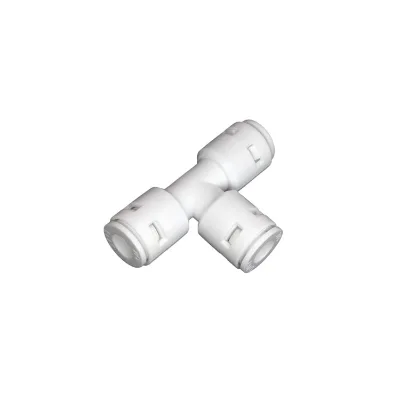
Premium Stainless Steel Standard Flange Pipe Fittings for Reliable Connections
$1.00 - $5.00
MOQ: 100 Pieces


Comprehensive Sourcing Guide
Strategic Sourcing Guide for Customized Precision Tube Fittings
Understanding Technical Specifications and Material Variability
When sourcing Customized Precision Tube Fittings, the primary challenge lies in navigating the diverse material compositions and machining capabilities available in the global market. The core keyword "Customized Precision Tube Fittings" implies a need for components that are not off-the-shelf but engineered to specific dimensional and functional requirements. Based on available market data, these fittings are frequently manufactured from a wide spectrum of metals, including Stainless Steel, Alloy, Steel, Iron, Aluminum, Copper, Brass, and Nylon. The specific grade of stainless steel is a critical differentiator, with common designations such as SUS304 and SUS316 appearing in product listings, often accompanied by customizable options to meet specific corrosion resistance or strength needs.
The manufacturing process for these components is equally varied, relying heavily on CNC Machining as a primary method. This technique allows for high precision, with observed processing tolerances ranging from ±0.01mm to ±0.05mm. Such tight tolerances are essential for applications requiring leak-proof seals or precise fluid dynamics. The machining process itself is comprehensive, encompassing cutting, chamfering, turning, milling, and bending operations. Furthermore, the surface treatment of these fittings is a vital technical consideration, with options including electroplating, powder coating, polishing, passivation, tin plating, and nickel plating. These treatments are not merely aesthetic; they are functional requirements designed to enhance durability, reduce friction, or prevent corrosion in harsh environments.
Buyers must also consider the geometric versatility of these fittings. The applicable pipe shapes are not limited to simple cylinders; the market supports round, rectangle, square, oval, solid bar, and profile shapes. This versatility extends to the production of fittings suitable for various metal processing machinery, including casting, coating, drawing, engraving, forging, spinning, and straightening equipment. The ability to customize the head shape, with round heads being a common observation, further underscores the need for precise engineering. When evaluating potential suppliers, procurement teams should verify that the supplier's CNC capabilities align with the specific tolerances and surface roughness requirements of the project, which typically fall within a Ra 0.8 to Ra 3.2 range.
Compliance, Certification, and Quality Standards
In the realm of industrial procurement, compliance is not a suggestion but a prerequisite. The supply chain for Customized Precision Tube Fittings is governed by a complex web of international and national standards. Buyers must verify that their suppliers adhere to recognized codes such as ASME, JIS Code, China GB Code, EN, GB, BS, ANSI, GOST, ASTM, and DIN. These standards ensure that the fittings meet specific safety, dimensional, and performance criteria required for their intended application, whether in hardware tools, machinery accessories, or automotive sectors.
Certification plays a pivotal role in validating a supplier's commitment to quality. The presence of ISO9001 certification for the company is a strong indicator of a robust quality management system. Additionally, product-specific certifications such as CE and ISOCE are frequently observed, signaling compliance with European safety and health requirements. For material integrity, buyers should demand Material Certification documents, specifically looking for EN 10204-3.1 or a comprehensive Material Test Report. These documents provide traceability and verify that the raw materials used—whether stainless steel, alloy, or other metals—meet the specified chemical and mechanical properties.
Quality control protocols are another critical area of verification. High-confidence data indicates that many manufacturers implement a 100% inspection policy before shipment. This rigorous approach is often backed by adherence to ISO 9001 quality control standards. However, buyers should not rely solely on the presence of a certification label. It is essential to inquire about the specific inspection methods used, the frequency of audits, and the protocols for handling non-conforming products. The distinction between batch production and continuous manufacturing can also impact consistency; while batch production is a common model, the ability to maintain uniform quality across different batches is a key metric for supplier reliability.
Cost Drivers and Pricing Dynamics
The pricing structure for Customized Precision Tube Fittings is highly dynamic and influenced by several interconnected factors. The observed price range in the market is extensive, spanning from $0.01 to $6,000 USD. This vast disparity is not indicative of a single product type but rather reflects the complexity of the order, the volume of the purchase, and the specific material and processing requirements. For instance, a simple, small-scale sample may fall at the lower end of the spectrum, while a large batch of complex, high-grade stainless steel fittings with specialized surface treatments will command a significantly higher price.
Material costs are a primary driver of the final price. The choice between standard carbon steel, aluminum, copper, or high-grade stainless steel (such as SUS316) will drastically alter the base cost. Furthermore, the complexity of the machining process adds to the expense. CNC machining, while precise, is time-intensive and requires skilled labor and high-end equipment. Processes such as turning, milling, and bending, especially when combined with tight tolerances of ±0.01mm, increase the unit cost. Surface treatments like electroplating or nickel plating also add layers of cost, as they involve additional chemical processes and quality checks.
Order volume is another significant variable. The Minimum Order Quantity (MOQ) can range from 1 piece for sample orders to 10,000 pieces for bulk production. Suppliers often offer tiered pricing, where the unit cost decreases as the order volume increases. However, buyers must balance the cost savings of bulk ordering against the capital tied up in inventory. Additionally, payment terms such as TT (Telegraphic Transfer) or LC (Letter of Credit) can influence the financial dynamics of the transaction, with LCs often preferred for larger international orders to mitigate risk. Shipping terms like EXW, FOB, CFR, CIF, and DDP also play a role in the total landed cost, as they determine who bears the responsibility and expense of logistics and insurance.
Typical Applications and Industry Requirements
Customized Precision Tube Fittings serve a multitude of industries, each with unique demands regarding performance and durability. The applications listed in the market data highlight the versatility of these components, ranging from hardware tools and fasteners to specialized machinery accessories. A significant portion of the demand comes from the automotive and motorcycle sectors, where fittings must withstand vibration, temperature fluctuations, and exposure to various fluids. In these contexts, the choice of material and surface treatment is critical to prevent failure and ensure safety.
Beyond automotive applications, these fittings are integral to metal processing machinery. They are used in casting, coating, drawing, engraving, forging, spinning, and straightening operations. In metal casting machinery, for example, fittings must handle high pressures and temperatures, necessitating materials like alloy steel or high-grade stainless steel. In metal coating and drawing machinery, the surface finish and dimensional accuracy are paramount to ensure smooth operation and prevent defects in the final product. The ability to customize the fitting to fit specific machine profiles—whether round, rectangular, or oval—makes these components indispensable in modern manufacturing lines.
The hardware tool and machinery accessory sectors also rely heavily on these fittings. Whether for general maintenance or specialized industrial equipment, the fittings must be robust and reliable. The "Service: Tube Processing Fabrication Service" attribute suggests that suppliers often provide end-to-end solutions, from raw material selection to final assembly. This level of service is particularly valuable for buyers who require complex, multi-step fabrication processes that cannot be achieved with standard off-the-shelf parts. The "New" condition of the products further emphasizes that these are fresh, high-quality components ready for immediate integration into production systems.
Supplier Evaluation and Manufacturing Capabilities
Selecting the right supplier for Customized Precision Tube Fittings requires a thorough evaluation of their manufacturing capabilities and business model. The market data indicates that the majority of suppliers operate as manufacturers rather than trading companies. This distinction is crucial, as manufacturers typically offer greater control over the production process, better pricing, and more direct communication regarding technical specifications. Buyers should verify the supplier's annual production capacity, with figures like 1,000,000 pieces per year serving as a benchmark for large-scale operations.
The supplier's ability to handle customization is a key evaluation criterion. The "Customization: Available" and "Customized: Customized" attributes suggest that most suppliers are equipped to handle bespoke orders. However, buyers should assess the depth of this capability. Does the supplier offer design support, or do they simply execute drawings provided by the client? The support for various drawing formats, including 2D/3D CAD, PDF, IGS, and STEP files, is a strong indicator of technical proficiency. Additionally, the availability of sample services, with lead times of 7-10 working days, allows buyers to validate the supplier's quality before committing to a bulk order.
Logistics and supply chain reliability are also essential factors. The observed lead time for mass production ranges from 15 to 25 working days, which is a standard timeframe for custom machining. Buyers should evaluate whether this timeline aligns with their project schedules and whether the supplier has a track record of meeting deadlines. Shipping terms such as EXW, FOB, CFR, CIF, and DDP offer flexibility, but buyers must understand the implications of each term on their own logistics network. Furthermore, the packaging standards, such as 25 kg per carton or wooden boxes, should be assessed to ensure they provide adequate protection during transit, especially for precision components that could be damaged by vibration or impact.
Long-Term Procurement and Quality Assurance Strategies
Establishing a long-term procurement strategy for Customized Precision Tube Fittings involves more than just securing a single order. It requires building a relationship with a supplier who can consistently deliver high-quality products over time. The "Quality Control: 100% Inspection" attribute is a strong starting point, but buyers should look for evidence of continuous improvement and process stability. A supplier that adheres to ISO 9001 standards and provides Material Test Reports demonstrates a commitment to transparency and quality assurance.
To mitigate risks, buyers should implement a robust quality assurance protocol. This includes conducting pre-shipment inspections, verifying material certifications, and testing samples for dimensional accuracy and surface finish. The ability to request custom samples with a lead time of 7-10 working days is an excellent tool for this purpose. By testing samples before mass production, buyers can identify potential issues early and avoid costly recalls or production delays. Additionally, maintaining open communication with the supplier regarding any changes in specifications or requirements is essential for long-term success.
Inventory management is another critical aspect of long-term procurement. With MOQs ranging from 1 piece to 10,000 pieces, buyers must balance the need for inventory with the cost of holding stock. For high-volume, steady-demand applications, establishing a recurring supply agreement can help stabilize costs and ensure availability. For low-volume or highly specialized applications, a just-in-time approach may be more appropriate, leveraging the supplier's ability to produce small batches efficiently. Ultimately, the goal is to create a supply chain that is resilient, cost-effective, and capable of adapting to changing market conditions and technical requirements.
FAQs
What materials are used for Customized Precision Tube Fittings?
These fittings are manufactured from stainless steel, alloy, steel, iron, aluminum, copper, brass, and nylon. Specific grades like SUS304 and SUS316 are available, with customization options to meet specific corrosion resistance or strength requirements for various industrial applications.
Which machining methods and tolerances are available for these parts?
CNC machining is the primary method, utilizing cutting, turning, milling, and bending processes. The typical processing tolerance ranges from ±0.01mm to ±0.05mm, ensuring high precision suitable for leak-proof seals and fluid dynamics in machinery accessories.
What certifications verify the quality and material integrity of these fittings?
Suppliers often hold ISO9001 company certification and provide CE product certificates. Material integrity is verified through EN 10204-3.1 documents or Material Test Reports, ensuring the raw metals meet specified chemical and mechanical properties before shipment.
How long is the lead time for sample and mass production orders?
Sample orders typically require 7 to 10 working days for production. Mass production lead times generally range from 15 to 25 working days, depending on the order volume and specific customization requirements requested by the buyer.
What are the standard payment and shipping terms for these products?
Payment is commonly accepted via Telegraphic Transfer or Letter of Credit. Shipping terms include EXW, FOB, CFR, CIF, and DDP, allowing flexibility for logistics management while ensuring the products are packed in wooden boxes or cartons as required.
Can these fittings be customized for specific pipe shapes and applications?
Yes, customization is available for round, rectangular, square, oval, and solid bar shapes. They serve diverse applications including hardware tools, automotive accessories, and various metal processing machinery such as casting, forging, and spinning equipment.