Find 24 Keys Kids Electronic Piano with Light for Schools, Homes, and Gifts
Source 30 units of 24 Keys Kids Electronic Piano with Light featuring ABS plastic, DSP chips, and customizable options. Buyers can compare models like JDP-20 Plus and JDP-1000 based on polyphony, weight, and package dimensions for educational or retail use.
Key considerations
Products List


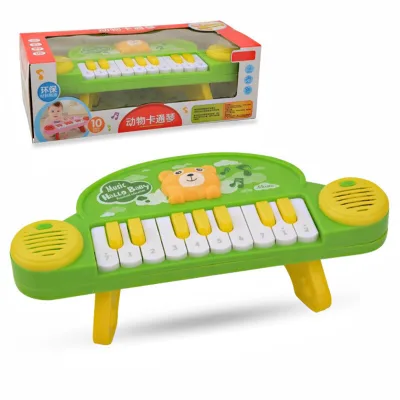
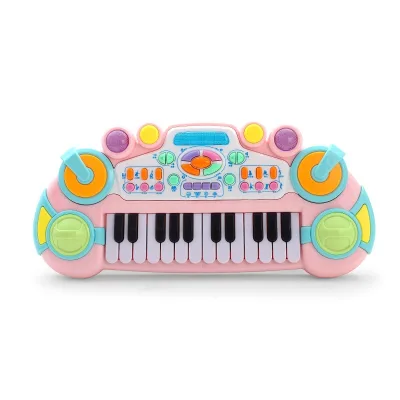
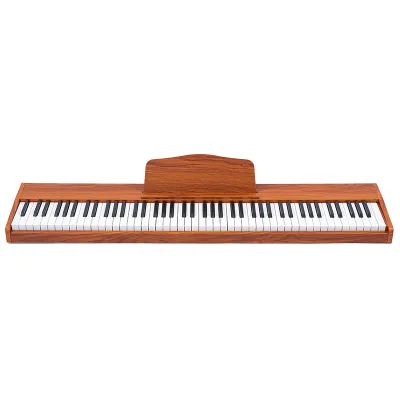
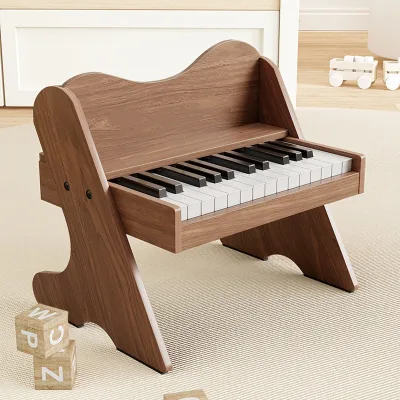
Children's Piano Electronic Piano Beginner Wooden Birthday Gifts Instrument Keyboard
$51.24 - $57.77
MOQ: 1 pieces
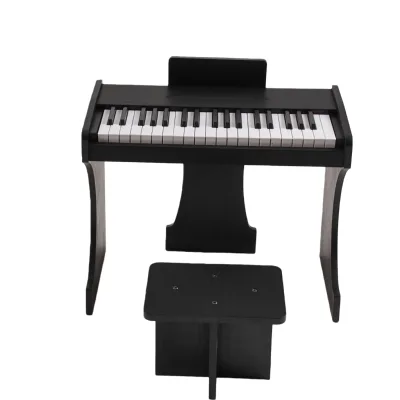

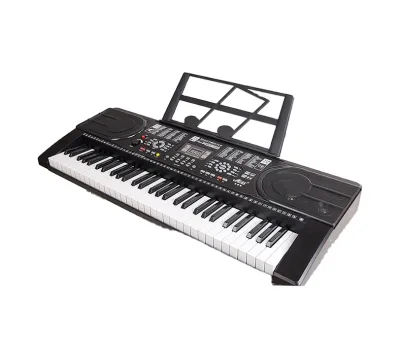
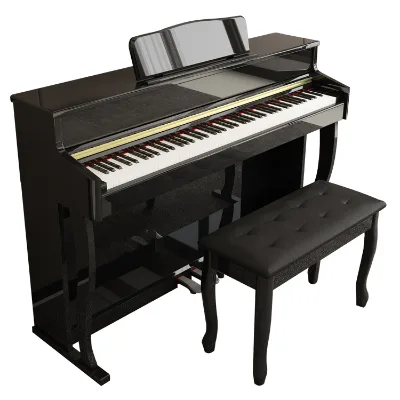


Piano Keyboard 25 Keys Digital Piano for Kids Music Educational Instrument Toy
$16.00 - $16.20
MOQ: 1000 Pieces


Educational Instrument Mini Pianos 25-Key Digital Wooden Toy Piano for Kids W07K028
$20.00 - $30.00
MOQ: 100 Pieces


Portable and Lightweight Basic Digital 88-Key Electric Piano Digital Piano
$57.00 - $59.00
MOQ: 1 Pieces


Comprehensive Sourcing Guide
Sourcing Strategy for 24-Key Kids Electronic Pianos with Light Features
When entering the B2B market for children's musical instruments, specifically the 24-key electronic piano with light features, buyers must navigate a landscape defined by specific technical constraints and safety requirements. The core keyword "24 Keys Kids Electronic Piano with Light" points to a niche segment of the broader digital piano market, distinct from full-sized adult instruments. While the provided product data highlights high-end models like the JDP-1000 and JDP-20 Plus, which feature 128 to 256 polyphony and advanced Dream DSP chips, the target product for this guide is a simplified, entry-level unit designed for early childhood education. Sourcing this specific item requires a clear understanding of how to identify the correct specifications amidst a catalog that often includes professional-grade equipment. The following guide outlines the critical factors for procurement, ensuring that buyers select products that are safe, compliant, and suitable for their intended educational or retail applications.
Technical Specifications and Feature Verification
The primary differentiator for a 24-key instrument is its scale and functionality. Unlike the full 88-key or even 61-key models listed in the reference data, a 24-key unit is designed for portability and ease of use for toddlers and young children. Buyers must verify that the instrument includes the "light" feature, which typically refers to LED indicators that guide the child to the correct keys during learning modes. This feature is crucial for the "Educational" attribute observed in the product data, as it transforms the instrument from a simple toy into a learning tool.
When evaluating technical specs, the polyphony count and tone generation are less critical for a 24-key unit than they are for the JDP-1000, which boasts 256 notes of polyphony. However, the sound quality must still be clear and distinct. The reference data indicates that materials are predominantly ABS plastic, which is essential for durability in a children's product. The weight of the instrument is another vital specification; while the JDP-1000 weighs 62 kg and the JDP-20 Plus weighs 25 kg, a 24-key kids' piano should be significantly lighter to ensure it can be moved by a child or a parent. A weight range of 3 to 8 kg is typical for this category, though exact figures must be confirmed with the supplier.
The package dimensions are also a key logistical consideration. The reference data shows package sizes ranging from 1430440290 mm for larger units to 129526089 mm for smaller models. For a 24-key unit, the package size will likely be compact, potentially fitting within a 40-50 cm length range, which facilitates efficient shipping and storage. Buyers should request the exact Cbm (cubic meter) and weight in kilograms to calculate shipping costs accurately, as these figures directly impact the landed cost of the product.
Compliance and Certification Standards
Safety is the paramount concern when sourcing products for children. The reference data explicitly lists certifications such as CQC, CE, and GOST. These are not optional; they are mandatory for market access in many regions. CE certification indicates compliance with European health, safety, and environmental protection standards, which is essential for selling in the EU. CQC is the China Quality Certification, often required for domestic sales in China and sometimes recognized internationally. GOST certification is relevant for markets in Russia and the Commonwealth of Independent States.
Buyers must verify that the specific 24-key model they intend to purchase holds these certifications. It is a common misconception that a manufacturer's general certification covers all their products; however, a certification for a 61-key adult model does not automatically apply to a 24-key children's model. The electrical components, battery compartments, and plastic materials must all be tested specifically for the target product. The "New" condition of the products in the data suggests that buyers should ensure the units are not refurbished or used, as this can compromise safety standards.
Furthermore, the "Customized" attribute in the data indicates that suppliers may offer OEM/ODM services. If a buyer chooses to customize the product, they must ensure that any changes to the design, such as adding specific colors or altering the casing, do not void existing safety certifications. The supplier must provide updated test reports for the customized version. The absence of specific age ranges in the data beyond "Adults" for the high-end models necessitates that buyers explicitly confirm the target age group for the 24-key unit, ensuring it aligns with safety standards for children, typically ages 3 to 6.
Cost Drivers and Pricing Structures
The observed price range in the market data spans from $2.8 to $300.04 USD. This wide variance reflects the difference between basic plastic toys and professional digital pianos. For a 24-key kids' piano with light features, the price is likely to fall on the lower end of this spectrum, typically between $20 and $80, depending on the complexity of the light system and the quality of the sound engine. The low-end price of $2.8 likely represents a very basic toy without significant electronic features, while the higher end represents full-sized instruments.
Several factors drive the cost of the 24-key unit. The primary driver is the inclusion of the LED light system, which adds to the component cost and assembly time. The quality of the ABS plastic used for the casing also influences the price; higher-grade, impact-resistant plastics cost more but offer better longevity. The packaging type, noted as "Carton" in the data, is another cost factor. Customized packaging with branding or protective inserts will increase the unit price. Additionally, the MOQ (Minimum Order Quantity) range of 1 to 1000 units allows for flexibility, but higher volumes generally reduce the per-unit cost. Buyers should negotiate based on their volume requirements, keeping in mind that the MOQ for customized designs may be higher than for standard stock items.
Typical Applications and Market Segmentation
The "Educational" attribute highlighted in the product data points to the primary application of these instruments: early childhood music education. These 24-key pianos are ideal for preschools, kindergarten classrooms, and home learning environments. The light feature serves as a visual aid, helping children learn to play simple melodies and understand basic music theory without needing to read sheet music. This makes the product highly attractive to parents and educators looking for engaging, interactive learning tools.
Beyond the educational sector, these instruments are also popular as gifts and promotional items. The compact size and colorful appearance (available in White, Black, Brown, Rosewood, Beige, etc.) make them appealing as holiday gifts. The "Customized" option allows businesses to brand the instrument with their logo, making it a viable promotional product for music schools or toy retailers. The reference data mentions a quantity of 6pcs, which might suggest a set configuration or a specific packaging unit, but for a 24-key unit, the standard unit is typically a single instrument. Buyers should clarify if the "6pcs" refers to a set of different models or a bulk pack, as this affects the total order value.
Supplier Evaluation and Selection Criteria
Selecting the right supplier is critical for ensuring product quality and reliability. The data indicates that the products originate from China, a major hub for electronic musical instrument manufacturing. Buyers should evaluate suppliers based on their ability to provide the necessary certifications (CQC, CE, GOST) and their track record in producing children's products. It is essential to verify that the supplier has experience with the specific "24-key" format, as many manufacturers specialize in full-sized pianos and may not have the tooling for smaller, specialized units.
The "Customized" attribute suggests that the supplier is capable of OEM services. Buyers should assess the supplier's flexibility in handling custom orders, including color variations (White/Black/Brown/Rosewood/Beige) and branding. The ability to provide samples before bulk production is a key indicator of a reliable supplier. Buyers should also check the supplier's lead times and production capacity to ensure they can meet demand, especially during peak seasons. The reference data shows a wide range of models, from the JDP-10 to the JDP-1000, indicating a broad product line. A supplier with a diverse portfolio is more likely to have the expertise to handle the specific requirements of a 24-key unit.
Quality Control and Long-Term Procurement
Quality control is non-negotiable for children's products. Buyers should implement a rigorous QC process that includes checking the structural integrity of the ABS plastic, the functionality of the LED lights, and the clarity of the sound output. The "New" condition of the products in the data implies that buyers should insist on new, unused units and verify that there are no defects in the packaging or the instrument itself. The weight and dimensions provided in the data serve as benchmarks; any significant deviation from these specs could indicate a quality issue or a different product variant.
For long-term procurement, buyers should consider the durability and repairability of the instrument. The "Pedal" feature, while present in high-end models, may be simplified or omitted in a 24-key unit, but the sustain function should still be reliable. Buyers should also plan for the lifecycle of the product, considering the availability of spare parts and the potential for future upgrades. The "Record" and "Demo" features mentioned in the data for larger models may not be present in the 24-key unit, but buyers should confirm the presence of any recording or playback capabilities that enhance the educational value. Establishing a long-term relationship with a supplier who can consistently meet quality standards and provide timely support is essential for maintaining a successful B2B operation in this sector.
Comparative Analysis of Product Attributes
To facilitate decision-making, the following table summarizes the key attributes of the target 24-key unit compared to the high-end models found in the reference data. This comparison highlights the distinct differences in specifications and helps buyers understand the trade-offs involved.
| Attribute | Target 24-Key Kids Unit | Reference High-End Model (e.g., JDP-1000) | Reference Mid-Range Model (e.g., JDP-20 Plus) |
|---|---|---|---|
| Key Count | 24 Keys | 88 Keys (implied by size) | 61 Keys (implied by model) |
| Polyphony | Low (Typically 32-64) | 256 Notes | 128 Notes |
| DSP Chip | Basic or Generic | Dream 5704 | Dream 5504 |
| Material | ABS Plastic | ABS Plastic | ABS Plastic |
| Weight | ~3-8 kg | 62 kg | 25 kg |
| Pedals | None or Sustain Only | Soft/Sostenuto/Sustain | Sustain Pedal |
| Primary Use | Early Education | Professional/Advanced | Intermediate/Educational |
| Certifications | CQC, CE, GOST (Required) | CQC, CE, GOST | CQC, CE, GOST |
| Price Range | $20 - $80 (Est.) | $200+ | $100+ |
This table illustrates that while the material and certification requirements remain consistent across the product line, the technical specifications and intended use cases vary significantly. Buyers must ensure that the 24-key unit meets the specific needs of their target market without being over-engineered or under-equipped. By focusing on the core attributes of safety, durability, and educational value, buyers can successfully source high-quality 24-key kids' electronic pianos that meet the demands of the B2B market.
FAQs
What certifications are required for 24 Keys Kids Electronic Piano with Light?
The product must hold CQC, CE, and GOST certifications to ensure safety compliance. These standards verify that the electrical components and ABS plastic materials meet international safety requirements for children's instruments.
How much does a 24 Keys Kids Electronic Piano with Light typically cost?
Prices generally range from $20 to $80 for this specific entry-level category. The observed market range spans $2.8 to $300, but the lower end reflects simplified units with LED features rather than professional models.
Which material is used for the casing of these electronic pianos?
The casing is constructed from durable ABS plastic to withstand active use by children. This material choice ensures longevity and safety while maintaining a lightweight profile suitable for educational environments.
Can buyers customize the color and branding of the 24 Keys Kids Electronic Piano with Light?
Yes, suppliers offer customized options including White, Black, Brown, Rosewood, and Beige finishes. Customization may also include OEM branding, but buyers must verify that design changes do not void existing safety certifications.
What is the typical weight and package size for these units?
While high-end models weigh up to 62 kg, a 24-key unit is significantly lighter, typically between 3 to 8 kg. Package dimensions are compact, often around 40-50 cm in length, facilitating efficient shipping and storage.
How does the light feature assist in learning for children?
The LED light feature guides children to the correct keys during learning modes, transforming the instrument into an educational tool. This visual aid helps toddlers and young children understand basic music theory without reading sheet music.