Source Customized Steel Expanding Mandrels for Metal Casting
Find 20 Customized Steel Expanding Mandrels for metal casting, coating, and drawing machinery. Compare ISO-certified options with GOST and ANSI standards, featuring HRC 50-55 hardness and Ra ≤0.4μm surface roughness for precise industrial applications; compare the available evidence and request quotations based on your requirements.
Updated
Key considerations
Products List


High-Temperature Heat-Resistant Steel Mandrel for Heavy Equipment Manufacturing
$699.00 - $999.00
MOQ: 1 Pieces


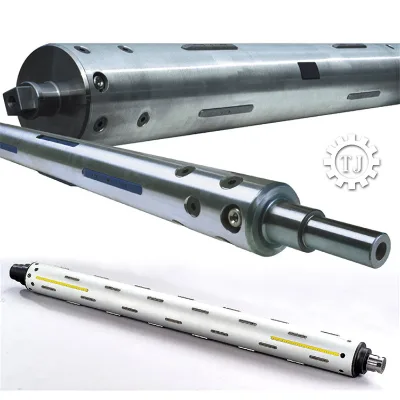
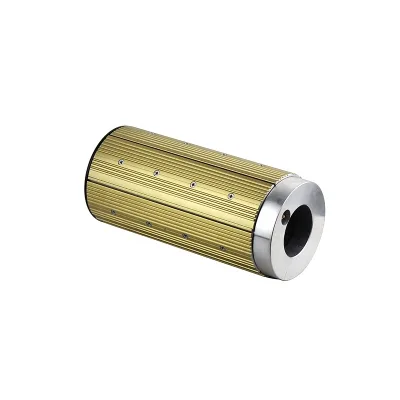
Comprehensive Sourcing Guide
Customized Steel Expanding Mandrels Sourcing Guide
Procuring Customized Steel Expanding Mandrels requires a disciplined approach to aligning mechanical performance with specific operational constraints. Buyers must first define the precise dimensional tolerances and load requirements for their application, as these factors directly influence the selection of material grades and manufacturing processes. The observed market data indicates a wide range of customization options, from standard sand casting to complex die casting methods, allowing for tailored solutions that meet unique production needs.
Understanding the available technical specifications is critical for ensuring compatibility with existing machinery. Suppliers offer various configurations, including different surface treatments and heat treatments, which significantly impact the durability and lifespan of the mandrels. By carefully evaluating these technical parameters against the intended operating conditions, procurement teams can mitigate the risk of premature failure and ensure consistent performance in high-stress environments.
Product Scope and Observed Listing Signals
The current market landscape for Customized Steel Expanding Mandrels reveals a diverse array of product offerings tailored to specific industrial applications. Listings indicate that these components are frequently used in metal casting, coating, drawing, engraving, forging, and cutting machinery, highlighting their versatility across multiple manufacturing sectors. The presence of both "Large" and "Middle" model specifications suggests that suppliers cater to varying scale requirements, allowing buyers to select mandrels that fit their specific production line capacities.
Observations from product listings also highlight significant variations in manufacturing methods and material structures. Some products utilize sand casting with cast steel materials, while others employ die casting or semi-extrusion techniques using high-strength metal roller cores or aluminum alloys. This diversity in production approaches means that buyers must carefully review the casting form material and usage count to ensure the selected mandrel meets the mechanical demands of their specific application, whether it involves high-pressure profile molding or general metal processing.
Technical Specifications to Verify
When evaluating technical specifications, buyers should prioritize the verification of hardness and surface roughness, as these attributes directly affect the mandrel's wear resistance and interaction with workpieces. The observed data shows hardness ratings ranging from HRC 50-55, which is suitable for many heavy-duty applications, while surface roughness values as low as Ra ≤0.4μm indicate high-precision finishing capabilities. It is essential to confirm that the specified hardness and roughness levels align with the friction and wear characteristics required by the specific machinery being used.
Machining tolerance and allowable runout are equally critical parameters that influence the precision of the expanding action. Listings indicate machining tolerances of +/-0.02mm and allowable runout of ≤0.005mm, which are vital for maintaining accuracy in high-speed or high-precision operations. Buyers must verify these tolerances against their own equipment's capabilities to ensure that the mandrel can operate within the required precision limits without causing vibration or misalignment issues during the expansion process.
Compliance and Safety Documentation
Compliance with international quality standards is a fundamental requirement for sourcing reliable expanding mandrels. The observed listings frequently mention ISO certifications, including ISO 9001, which indicates that the supplier has implemented a robust quality management system. Buyers should request valid certification documents to verify that the manufacturing processes adhere to recognized quality benchmarks, ensuring consistency in product quality and reducing the risk of defects in the supplied components.
In addition to quality certifications, safety and operational documentation are crucial for integrating the mandrels into existing production lines. Specifications such as operating temperatures ranging from -20°C to +400°C and working air pressures of 0.4-0.6 MPa provide essential safety boundaries for operation. Buyers must ensure that the mandrels are designed to withstand these environmental conditions and that the supplier provides clear guidelines on safe operating limits to prevent equipment damage or safety hazards during use.
Cost Drivers and Commercial Terms
Cost drivers for Customized Steel Expanding Mandrels include the complexity of the design, the choice of material, and the required manufacturing processes. Products with non-standard dimensions or specific surface treatments, such as electroplating, typically incur higher costs due to the additional labor and specialized equipment required. Buyers should analyze the trade-off between customization level and cost to determine the most economical solution that still meets their technical requirements.
Commercial terms, including minimum order quantities (MOQ) and packaging standards, also play a significant role in the total cost of ownership. Observed MOQs start as low as 1 unit, offering flexibility for small-scale or prototype orders, while packaging options range from wooden boxes to steel frames for export. Understanding these terms helps buyers plan their inventory and logistics more effectively, ensuring that they can manage cash flow and storage requirements efficiently while maintaining a steady supply of critical components.
Supplier Qualification and Quality Control
Supplier qualification involves assessing the manufacturer's capability to produce high-quality customized mandrels consistently. Buyers should verify the supplier's experience with specific manufacturing processes, such as quenching, normalizing, tempering, and induction hardening, which are critical for achieving the desired mechanical properties. A supplier with a proven track record in these heat treatment processes is more likely to deliver products that meet the specified hardness and durability requirements.
Quality control measures, including defect control methods like ultrasonic testing (UT) and magnetic particle testing (MT), are essential for ensuring the integrity of the mandrels. Buyers should inquire about the supplier's quality control protocols to ensure that potential internal or surface defects are identified and addressed before shipment. Additionally, verifying the supplier's ability to provide customized services based on customer drawings ensures that the final product will meet the exact specifications required for the application.
Long-Term Procurement Checks
Long-term procurement success depends on establishing a reliable supply chain that can adapt to changing production needs. Buyers should monitor the supplier's ability to maintain consistent quality over time, particularly when dealing with customized orders that may require adjustments in design or material. Regular audits and performance reviews can help identify any deviations in quality or delivery times, allowing for proactive management of potential issues.
Furthermore, buyers should consider the long-term availability of spare parts and support services. Since expanding mandrels are subject to wear and tear, having access to replacement components or repair services is crucial for minimizing downtime. Establishing a strong relationship with a supplier who offers comprehensive support and can provide timely replacements ensures that the procurement process remains efficient and cost-effective over the lifespan of the equipment.
FAQs
Can Customized Steel Expanding Mandrels be produced with ISO certification?
Yes, Customized Steel Expanding Mandrels are available with ISO certification. The product page lists ISO and ISO 9001 certifications alongside water coating standards. Customization is explicitly available for these metal processing machinery parts to meet specific buyer requirements.
What is the minimum order quantity for these steel mandrels?
The minimum order quantity is one unit for these Customized Steel Expanding Mandrels. This low MOQ allows buyers to test the product without large commitments. The product attributes confirm that customization is available even for single-unit orders.
Which heat treatment processes are applied to these steel mandrels?
These mandrels undergo normalizing, tempering, and induction hardening heat treatments. Some variants also feature quenching processes to achieve specific hardness levels. The surface roughness is controlled to Ra 0.4 micrometers or Ra 12 depending on the specific treatment applied.
How is the hardness of the steel mandrels defined?
The hardness of these steel mandrels is defined as HRC 50 to 55. This level ensures durability for metal casting and forging applications. The material structure includes high-strength metal roller cores to support this hardness requirement during operation.
What operating temperature range do these mandrels support?
These mandrels support an operating temperature range from minus 20 degrees Celsius to plus 400 degrees Celsius. This wide range makes them suitable for various metal processing machinery applications. The design ensures stability under extreme thermal conditions.
Can the product specifications be customized according to drawings?
Yes, product specifications can be customized according to customer drawings. The standard is listed as nonstandard, allowing for tailored dimensions like large or middle models. Export packaging in wooden boxes or steel frames is provided for these custom orders.
What material is used to manufacture these expanding mandrels?
The mandrels are manufactured using cast steel and Zg35 material. Some versions feature aluminum alloy outer structures for specific applications. The casting method used is sand casting, ensuring high-quality metal forms for industrial machinery parts.