Source Seeding Machine Wheel for Tillage Planting and Harvesting
Find 27 Seeding Machine Wheel options from Chinese manufacturers for tillage, planting, and harvesting applications. Compare specifications like dimensions, materials, and customizations to select the right parts for your agricultural machinery needs.
Key considerations
Products List


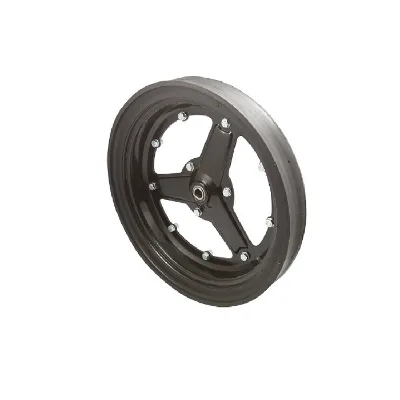
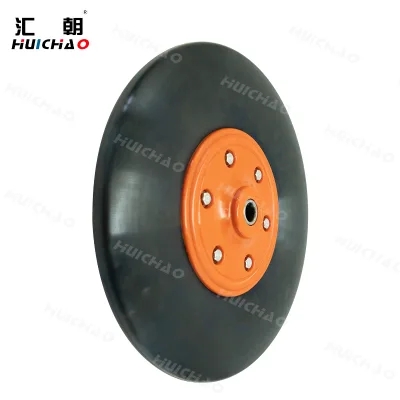
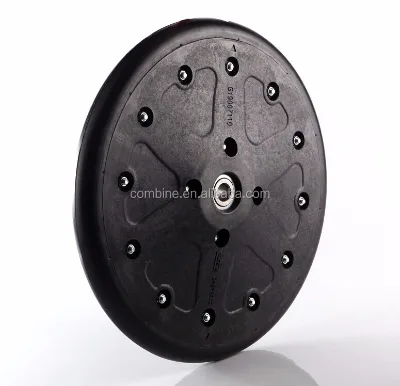
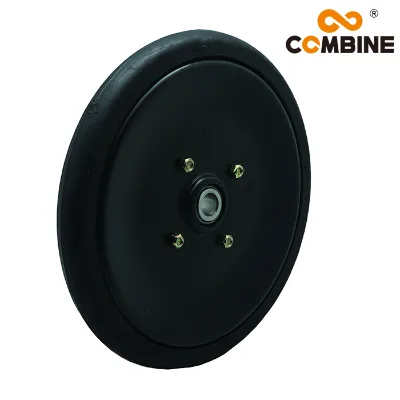
Seeder/Planter Closing Wheel for Farms Agriculture Machine Press Wheel
$14.00 - $19.00
MOQ: 100 Pieces


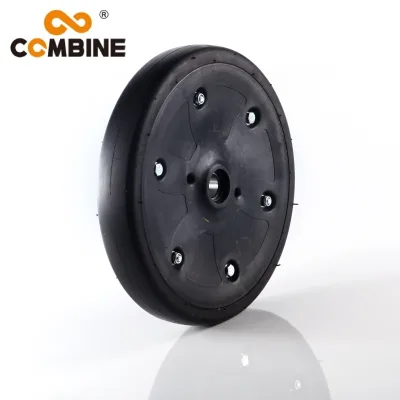
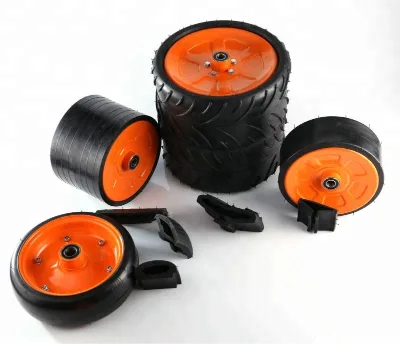


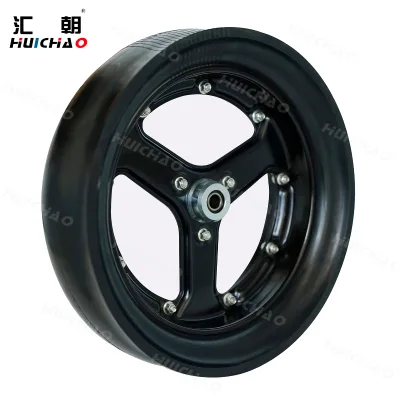
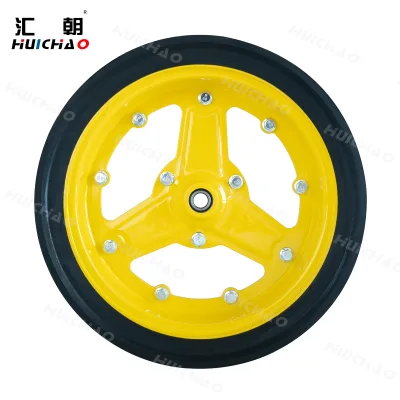

High-Quality Steel Seeder Press Wheel for Agricultural Machinery Seeders
$0.10 - $2.00
MOQ: 200 Pieces


Comprehensive Sourcing Guide
Seeding Machine Wheel Sourcing Guide
Sourcing replacement wheels for seeding machines requires a precise understanding of the mechanical interface between the wheel, the axle, and the soil engagement requirements. These components are critical for maintaining consistent seed depth and ensuring uniform fertilizer distribution across varied field conditions. Buyers must recognize that "Seeding Machine Wheel" is a broad category encompassing both structural support wheels and functional press wheels, each serving distinct roles in the planting process. The primary objective is to secure parts that match the original equipment manufacturer (OEM) specifications while offering durability against abrasion and impact.
The procurement landscape for these parts is dominated by manufacturers in China, with significant production hubs in Hebei and Zhejiang provinces. This geographic concentration offers buyers access to a wide variety of models, ranging from standard iron castings to composite rubber-steel assemblies. However, the diversity of origins also means that buyers must rigorously verify material compositions and manufacturing standards. The goal is to identify suppliers who can provide consistent quality across different wheel types, whether they are designed for heavy-duty tillage or precision planting operations.
Product Scope and Observed Listing Signals
The observed market listings reveal a clear segmentation between structural components and functional agricultural implements. One segment includes wheels constructed primarily from iron, often associated with general tillage and harvester applications. These parts are typically listed with specific dimensional standards, such as 33050mm or 31029mm, indicating a focus on legacy or standardized machinery interfaces. Buyers should note that these iron-based wheels are often packaged in wooden boxes or pallets, suggesting they are heavier and require careful handling during logistics. The presence of models like 132 Inch and 121 Inch further highlights the importance of matching exact diameter and width specifications to avoid fitment issues.
A second, distinct segment focuses on specialized rubber press wheels and seeder parts, which are critical for modern precision planting. These components are often described with materials combining rubber and steel, designed to provide traction and soil compaction control. Listings for these items frequently reference specific model numbers such as SM1006, SM1013, and SM1008, alongside dimensions like 170x340mm. These wheels are marketed for use in seeding machines and agricultural product processing, emphasizing their role in ensuring seed-to-soil contact. The variation in packaging, from standard packages to specific single-item units, suggests that these parts may be lighter or more delicate than their iron counterparts, requiring different storage and handling protocols.
Technical Specifications to Verify
Dimensional accuracy is the most critical technical factor when sourcing seeding machine wheels. Buyers must verify the exact diameter, width, and bore size of the wheel to ensure compatibility with the existing axle and frame. The supplied data indicates a range of standard sizes, including 110"/32250mm and 210"/58250mm, which correspond to specific wheel models. It is essential to cross-reference these measurements with the machinery’s technical manual, as even minor deviations can lead to improper alignment, uneven seed placement, or premature wear. Buyers should request detailed engineering drawings or CAD files from suppliers to confirm that the listed dimensions match the physical product exactly.
Material composition and bearing compatibility are equally vital for long-term performance. Wheels constructed from iron offer robustness but may be prone to corrosion if not properly treated, while rubber-steel composites provide better traction and shock absorption. Buyers must verify the type of bearing used, such as the 5203KYY2 model mentioned in some listings, to ensure it can handle the expected load and rotational speed. Additionally, the weight of the component, which varies from 1.6 kg to 8.5 kg depending on the model, affects the overall balance of the seeding machine. Understanding these material and mechanical properties helps buyers select wheels that will withstand the rigors of field operations without failing prematurely.
Compliance and Safety Documentation
While specific safety certifications for individual wheels may not always be explicitly listed, buyers should insist on machinery test reports that validate the structural integrity of the product. These reports provide evidence that the wheel has undergone stress testing and can withstand the operational loads of a seeding machine. Suppliers who provide these documents demonstrate a commitment to quality control and transparency, which is crucial for minimizing the risk of field failures. Buyers should review these reports to ensure they cover the specific model and material combination being purchased, rather than relying on generic certification statements.
Warranty terms serve as a key indicator of supplier confidence in their product’s durability. The observed market offers warranties ranging from 6 months to 1 year, which should be clearly defined in the purchase agreement. A longer warranty period often correlates with higher quality materials and better manufacturing processes, although it is not a guarantee of performance. Buyers should clarify the scope of the warranty, including whether it covers manufacturing defects, material failures, or normal wear and tear. Understanding these terms helps in calculating the total cost of ownership and mitigating financial risks associated with part replacements.
Cost Drivers and Commercial Terms
The cost of seeding machine wheels is influenced by several factors, including material type, manufacturing complexity, and order volume. Iron wheels, which are often heavier and require more raw material, may have different pricing structures compared to lighter rubber-steel composites. The observed minimum order quantity (MOQ) ranges from 1 to 200 pieces, with some suppliers setting a specific MOQ of 100 pieces for certain models. Buyers should negotiate pricing based on their volume requirements, keeping in mind that larger orders may yield better unit prices but increase inventory holding costs. It is also important to consider the packaging method, as wooden boxes or pallets may add to the shipping weight and cost.
Shipping and logistics play a significant role in the final landed cost of these components. The primary port of origin for many of these products is Ningbo Port, which is a major hub for international trade. Buyers should factor in freight costs, insurance, and potential customs duties when evaluating supplier quotes. The single gross weight of items, which can range from 0.0 kg to 8.000 kg, affects the volumetric weight calculation used by shipping carriers. Understanding these commercial terms helps buyers make informed decisions about supplier selection and order timing, ensuring that the total cost aligns with their budget constraints.
Supplier Qualification and Quality Control
Evaluating supplier qualifications is essential for ensuring a reliable supply chain for seeding machine wheels. Buyers should prioritize suppliers who have a proven track record in the agricultural machinery parts industry, particularly those located in established manufacturing regions like Hebei and Zhejiang. The presence of a "High Level" quality attribute in some listings suggests that certain suppliers adhere to stricter internal quality standards. However, buyers should not rely solely on these self-reported attributes and should instead request evidence of quality management systems, such as ISO certifications or internal audit reports.
Quality control processes should be verified through direct communication with the supplier. Buyers should ask about the inspection procedures used before shipment, including visual checks, dimensional verification, and functional testing. The availability of machinery test reports is a positive indicator, but buyers should also inquire about the frequency of these tests and the criteria used to pass or fail a batch. Establishing a clear quality agreement with the supplier, including acceptance criteria and rejection procedures, helps ensure that the delivered wheels meet the required specifications and performance standards.
Long-Term Procurement Checks
Building a long-term relationship with a reliable supplier requires ongoing monitoring of product performance and supplier responsiveness. Buyers should track the failure rate of the wheels in the field and compare it against industry benchmarks to assess quality consistency. If issues arise, such as premature wear or bearing failures, buyers should work with the supplier to identify the root cause and implement corrective actions. Regular feedback loops help improve product quality and ensure that the supplier remains aligned with the buyer’s evolving needs.
Supply chain resilience is another critical aspect of long-term procurement. Buyers should diversify their supplier base to mitigate the risk of disruptions caused by production delays or logistical issues. Maintaining a buffer stock of critical wheel models can help prevent downtime in seeding operations. Additionally, buyers should stay informed about market trends and technological advancements in wheel design, such as new materials or bearing technologies, to ensure that their procurement strategy remains competitive and effective. By proactively managing these factors, buyers can secure a stable and cost-effective supply of seeding machine wheels.
FAQs
What materials are used for seeding machine wheels?
Seeding machine wheels are constructed from iron or a combination of rubber and steel. These materials ensure durability for tillage, planting, and harvesting operations while providing the necessary strength for agricultural processing tasks.
Which specifications are available for these wheels?
Available specifications include dimensions like 13x2 inches, 12x1 inch, and 10x1 inch. Models also come in metric sizes such as 330x50mm and 310x29mm to fit various seeder requirements and machinery standards.
Can I request customization for these agricultural wheels?
Yes, customization is available for these seeding machine wheels. Buyers can specify unique requirements to ensure the wheels meet specific operational needs for tillage, planting, and fertilizer application in diverse agricultural environments.
What is the minimum order quantity for these parts?
The minimum order quantity is typically 100 pieces for standard orders. However, some listings indicate a range from 1 to 200 units depending on the specific supplier and product configuration selected for the transaction.
How are these wheels packaged for shipping?
These wheels are packaged in pallets or wooden boxes to ensure safe transport. Standard packaging options are also available to protect the rubber and steel components during international shipping from the manufacturing origin.
What warranty is provided for these seeding machine parts?
Warranty periods vary between 6 months and 1 year depending on the specific product model. Buyers should verify the exact warranty terms with the supplier to ensure coverage for the purchased agricultural components.
Where are these seeding machine wheels manufactured?
These wheels are manufactured in China, specifically in regions like Hebei and Zhejiang. The products are exported globally, with shipping ports such as Ningbo Port facilitating international distribution to various markets.