Source Customized Steel Structure Barndominium for Villa, Warehouse, Dormitory
Explore 30 listings for Customized Steel Structure Barndominium options featuring bolt or welded connections, various insulation materials, and wind load capacities up to 285 km/h. Buyers can compare specifications from Tianjin and Qingdao suppliers to find suitable solutions for villas, warehouses, and dormitories.
Key considerations
Products List


Steel Structure Frame Prefab Building Metal Barn Kits Pole Barn Barndominium
$25.00 - $100.00
MOQ: 100 Square Meters

Hot Sales Steel Barn Light Metal Steel Structure Barndominium Kits Prefabricated Barn
$30.00 - $60.00
MOQ: 100 Square Meters

Prefab Steel Structure Barndominium Houses Prefab Steel Structure Metal Barn
$30.00 - $60.00
MOQ: 100 Square Meters

Steel Fabricated House Prefabricated Steel Structure Barndominium House Barn
$30.00 - $60.00
MOQ: 100 Square Meters

Metal Building Companies Steel Structure Buildings Prefab Construction Barndominium Home/Barn
$25.00 - $100.00
MOQ: 100 Square Meters


Steel Frame Pole Barn 40X60 Barndominium Cost Tiny Pole Barn House Barn Buildings Structure
$29.90 - $39.90
MOQ: 500 Square Meters


Mixed-Use Steel Structure Building with Warehouse and Office Space Barndominium
$30.00 - $60.00
MOQ: 100 Square Meters


Design Steel Structure Barn Construction Steel Structure Factory Buildings
$25.00 - $80.00
MOQ: 300 Square Meters

Prefab Metal Barn Large Span Hangar Steel Structure Metal Building
$69.00 - $89.00
MOQ: 3000 Square Meters

Bolt Connection Steel Structure Pre-Engineered Building Metal Buildings Steel Barn
$30.00 - $70.00
MOQ: 500 Square Meters
Qingdao Xinguangzheng Fancan Construction Engineering Co., Ltd.

Quick Build Light Steel Frame Storage Shelter Steel Structure Metal Barn with Good Price
$25.50 - $68.60
MOQ: 200 Square Meters


$30.00 - $70.00
MOQ: 1000 Square Meters

$30.00 - $70.00
MOQ: 1000 Square Meters

$30.00 - $70.00
MOQ: 1000 Square Meters


Steel Structure Building Manufacture Prefab Steel Structure Building Construction
$30.00 - $35.00
MOQ: 5000 Square Meters

Comprehensive Sourcing Guide
Sourcing Guide for Customized Steel Structure Barndominiums
Understanding the Technical Architecture of Steel Barndominiums
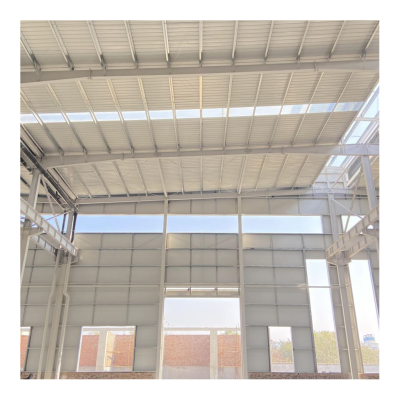
When sourcing a Customized Steel Structure Barndominium, the primary focus must be on the structural integrity and the specific engineering parameters that define the building's performance. The core of these structures relies on high-strength steel frameworks, often utilizing H-section high-strength steel or low-alloy high-tensile structural steel to ensure durability and load-bearing capacity. The connection methods are critical; while some configurations utilize welded connections for permanent rigidity, others employ bolt connections to facilitate easier assembly and potential disassembly. Buyers must verify the specific connection form required for their project, as this dictates the on-site labor requirements and the precision needed during installation.
The physical envelope of the barndominium is equally significant. The wall and roof systems typically consist of single metal sheets or thermal insulation sandwich panels. The choice of insulation material directly impacts the energy efficiency and comfort of the living space. Common options observed in the market include polyurethane, rockwool, glasswool, and EPS (Expanded Polystyrene). Each material offers different thermal resistance properties and fire ratings, which must be selected based on local climate conditions and building codes. The surface treatment of the steel components is another vital technical aspect, with options ranging from painting to hot-dip galvanizing. This treatment is essential for corrosion resistance, particularly in coastal or humid environments, ensuring the longevity of the structure.
Compliance, Certification, and Regulatory Standards
Navigating the regulatory landscape is a fundamental step in the procurement of steel structures. Buyers must ensure that the supplier adheres to recognized international and national standards. The industry frequently references standards such as AISI, BS, ASTM, JIS, DIN, and GB. These standards govern the chemical composition, mechanical properties, and manufacturing tolerances of the steel used. For instance, the steel tolerance is often specified within a range of plus or minus 2mm, a critical metric for ensuring that prefabricated components fit together seamlessly on-site.
Certification serves as a third-party verification of quality and safety. Reputable suppliers often provide certifications such as CE, ISO, UL, RoHS, and SGS. These documents indicate that the manufacturing process and the final product have undergone rigorous testing. Specifically, the ISO 9001 certification validates the quality management system, while CE marking confirms compliance with European health, safety, and environmental protection standards. When evaluating a potential supplier, buyers should request copies of these certificates and verify their validity with the issuing bodies. It is important to note that certification requirements can vary by destination country; a structure built for the US market may require different compliance documentation than one intended for the European Union.
Cost Drivers and Pricing Variables
The pricing of a Customized Steel Structure Barndominium is influenced by a complex interplay of factors rather than a single fixed rate. The observed market range for such structures can vary significantly, from approximately $16.99 to $5,000 per unit or square meter, depending heavily on the scope of customization and the scale of the order. The Minimum Order Quantity (MOQ) is another variable that impacts the unit cost, with ranges typically spanning from 1 to 5,000 units. Larger orders often benefit from economies of scale, reducing the per-unit cost, while highly customized, small-batch projects may command a premium.
Several specific elements drive the final cost. The type of steel selected, such as hot-rolled high-strength steel versus standard structural steel, directly affects material expenses. The thickness of the steel and the complexity of the design, including the roof slope which can range from 10% to 40%, also play a role. Additionally, the choice of insulation and cladding materials adds to the overall price. The surface treatment method, whether simple painting or the more expensive hot-dip galvanizing, is a significant cost factor. Furthermore, the inclusion of design services, such as Auto CAD, Tekla, or Solidworks modeling, may be bundled into the price or charged separately. Buyers should request detailed breakdowns of these costs to understand where the budget is allocated and to identify areas where value engineering might be possible without compromising structural safety.
Typical Applications and Functional Versatility
Customized steel structure barndominiums are highly versatile and serve a wide array of applications beyond traditional residential use. While the term "barndominium" often implies a residential dwelling, the structural capabilities of these buildings make them suitable for various commercial and industrial purposes. Common usage scenarios include dormitories, offices, warehouses, villas, temporary offices, and workshops. The ability to customize the layout allows for the creation of open-plan living spaces, large storage areas, or specialized work environments.
The structural design supports diverse functional requirements. For residential applications, the building can be configured with sliding doors or auto-uprolling doors for vehicle access, alongside aluminum alloy or plastic steel windows for natural light and ventilation. The insulation options allow for year-round comfort, making the structure viable for use as a primary residence or a vacation home. In industrial contexts, the high load-bearing capacity and large clear spans make these structures ideal for storage facilities or manufacturing plants. The "Raw Material Warehouse" characteristic of some steel structures highlights their utility in logistics and supply chain operations. The flexibility of the design ensures that the building can be adapted to specific operational needs, whether that involves high ceilings for heavy machinery or partitioned spaces for office use.
Supplier Evaluation and Selection Criteria
Selecting the right supplier is critical to the success of a steel structure project. Buyers should evaluate potential partners based on their production capabilities, geographical location, and track record. The origin of the steel structure is a key indicator of supply chain logistics; major manufacturing hubs in China, such as Tianjin and Qingdao, are known for their steel production infrastructure. Suppliers located in these regions often have established supply chains for raw materials, which can lead to more competitive pricing and reliable lead times.
When assessing a supplier, buyers should look for evidence of customization capabilities. The ability to offer customized solutions is a hallmark of a mature supplier, allowing for tailored designs that meet specific client requirements. The lead time is another crucial factor; typical production and delivery windows range from 30 to 45 days, though this can vary based on the complexity of the order and the current workload of the factory. Buyers should also consider the warranty terms, with some suppliers offering up to 10 years of coverage, which indicates confidence in the product's durability. Additionally, the availability of online guidance for installation is a valuable service that can reduce on-site errors and construction costs. A comprehensive evaluation should include a review of past projects, client testimonials, and the supplier's ability to provide design services using industry-standard software.
Quality Control and Long-Term Procurement Considerations
Ensuring the long-term performance of a steel structure barndominium requires a robust quality control (QC) strategy. The expected life span of a well-constructed steel building can be a minimum of 50 years, provided that the materials and workmanship meet high standards. To achieve this, buyers must verify the quality of the raw materials and the precision of the manufacturing process. The tolerance of +/- 2mm is a standard metric that should be consistently maintained to ensure component fitment.
Environmental resistance is another critical aspect of quality control. The structure must be capable of withstanding extreme weather conditions, including high wind loads and heavy snow loads. Specifications often indicate a wind load capacity of up to 285 km/h (180 miles/hour) and a snow load capacity ranging from 10 to 100 kg/sqm. In seismic zones, the structure should be designed to meet specific seismic load levels, such as Level 7. The packaging of the steel components is also part of the quality assurance process; standard export packages, often bundled by steel belts or pallets, protect the materials during transit.
For long-term procurement, buyers should consider the maintenance requirements and the availability of replacement parts. The use of durable materials like low-alloy high-tensile steel and appropriate surface treatments like hot-dip galvanizing reduces the need for frequent maintenance. Additionally, the eco-friendliness and recyclability of steel make it a sustainable choice for future-proofing investments. By focusing on these quality and longevity factors, buyers can ensure that their Customized Steel Structure Barndominium remains a safe, functional, and valuable asset for decades.
Summary of Key Technical Specifications
To assist in the final decision-making process, the following table summarizes the key technical specifications and attributes observed in the market for customized steel structure barndominiums. This overview provides a quick reference for comparing different offerings and ensuring that all critical requirements are met.
| Attribute Category | Specific Specification / Observation |
|---|---|
| Material Type | Steel Structure, Low-Alloy High-Tensile Structural Steel, Hot-Rolled High-Strength Steel |
| Steel Standard | SteelQ235, AISI, BS, ASTM, JIS, DIN, GB |
| Connection Form | Welded Connection, Bolt Connection |
| Surface Treatment | Painting, Hot DIP Galvanized |
| Insulation Options | Polyurethane, Rockwool, Glasswool, EPS |
| Wind Load Capacity | 285 Km/Hour (180 Miles/Hour), 285km/H (180m/S) |
| Snow Load Capacity | 10-100 Kg/Sqm |
| Seismic Load | Level 7 |
| Roof Slope | 10-40% |
| Wall & Roof | Single Metal Sheet, Thermal Insulation Sandwich |
| Doors | Sliding Door, Auto Uprolling Door |
| Windows | Aluminum Alloy, Plastic Steel |
| Tolerance | +/- 2mm |
| Life Span | Minimum 50 Years |
| Warranty | Up to 10 Years |
| Lead Time | 30-45 Days (Typical) |
| Certifications | CE, ISO, UL, RoHS, SGS, BV |
| Origin Locations | Tianjin, Qingdao, China |
| Packing | Standard Export Package, Bundled by Steel Belt, Pallet |
| Design Services | Auto CAD, Tekla, Bkbm, Solidworks |
By carefully reviewing these specifications and aligning them with the specific needs of the project, buyers can make informed decisions that ensure the delivery of a high-quality, Customized Steel Structure Barndominium. The combination of robust engineering, certified materials, and experienced suppliers forms the foundation of a successful procurement strategy in this sector.
FAQs
What certifications are required for these steel structures?
Reputable suppliers provide certifications such as CE, ISO, UL, RoHS, SGS, and BV. These documents verify compliance with international safety and quality standards, ensuring the structure meets regulatory requirements for your specific destination market.
How long is the typical lead time for production?
The standard lead time ranges from 30 to 45 days for most orders. This duration accounts for manufacturing, surface treatment like hot-dip galvanizing, and packaging, though complex customizations may extend the timeline slightly.
Which insulation materials are available for the building envelope?
Common insulation options include polyurethane, rockwool, glasswool, and EPS. These materials are selected based on thermal resistance needs and fire ratings to ensure energy efficiency and comfort in various climate conditions.
Can the structure withstand high wind and snow loads?
Yes, the design supports wind loads up to 285 km/h and snow loads between 10 to 100 kg/sqm. These specifications ensure structural integrity against extreme weather events, with some models also rated for Level 7 seismic activity.
What is the expected life span of the steel building?
A well-constructed steel structure has a minimum life span of 50 years. This longevity is achieved through the use of high-strength steel, appropriate surface treatments like painting or galvanizing, and strict manufacturing tolerances.
How are the steel components packaged for shipping?
Components are typically packed in standard export packages and bundled by steel belts or pallets. This method protects the materials during transit and ensures that prefabricated parts arrive safely for on-site assembly.