Source Customized Thickness Fridge Magnets for Home, Office, and Retail
Explore 30 options for Customized Thickness Fridge Magnets suitable for home decor, office organization, and retail promotions. Compare materials like PVC, metal, and rubber, along with printing styles and packaging details to find the right supplier for your needs; compare the available evidence and request quotations based on your requirements.
Key considerations
Products List


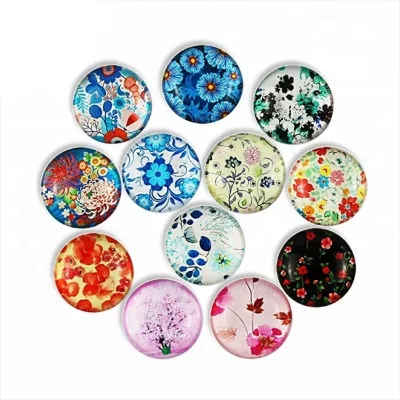


Wholesale Factory Direct Sale Soft Rubber Customized Medium Fridge Magnets
$0.35 - $0.50
MOQ: 500 Pieces

Rubber Fridge Magnet Custom Different Styles Fridge Magnet Refrigerator Magnet
$0.35 - $0.50
MOQ: 500 Pieces

Custom Design Metal Fridge Magnet Customized Tinplate Refrigerator Tin Fridge Magnets
$0.08 - $0.10
MOQ: 1000 Pieces


Comprehensive Sourcing Guide
Customized Thickness Fridge Magnets Sourcing Guide
Procuring Customized Thickness Fridge Magnets requires a clear definition of the functional role these items will play in your specific marketing or souvenir strategy. The observed market data indicates a diverse range of materials, including paper, PVC, rubber, metal, and glass, each offering distinct structural properties and aesthetic finishes. Buyers must align their thickness requirements with the intended application, whether for industrial magnetism, jewelry attachment, or general decoration, as the material choice directly dictates the final product's durability and magnetic strength.
The customization landscape for these items is extensive, with suppliers offering options for die-cut or kiss-cut shapes, UV-proof eco-friendly inks, and various color palettes ranging from standard browns to multicolor designs. While some listings specify exact dimensions like 80x53mm or 210x297mm, the core value proposition often lies in the ability to tailor the thickness and size to unique branding needs. Understanding the interplay between the chosen material, such as transparent PVC film or tin, and the desired thickness is essential for ensuring the magnet adheres correctly to metallic surfaces without peeling or warping over time.
Product Scope and Observed Listing Signals
The current market inventory reveals a broad spectrum of product types, from standard adhesive stickers to specialized industrial and jewelry magnets, all converging on the theme of customization. Listings frequently highlight features like waterproof capabilities and self-adhesive properties, which are critical for items intended for high-traffic environments or outdoor use. The presence of specific model numbers like BSX-2516 and YYMAG suggests that suppliers maintain distinct SKUs for different thickness profiles and material compositions, allowing buyers to select based on precise technical requirements rather than generic descriptions.
Observations of packaging standards, such as individual polybags or boxes, indicate that suppliers are prepared for varied order volumes, with MOQs ranging from 100 to 5000 units. This variability in minimum order quantities allows businesses to scale their procurement strategies, whether launching a small promotional campaign or a large-scale retail distribution. The diversity in styles, including cartoon designs and modern aesthetics, further expands the scope, ensuring that customized thickness magnets can be tailored to appeal to specific demographics, such as children or industrial clients, while maintaining a cohesive brand identity.
Technical Specifications to Verify
When evaluating technical specifications, the primary focus must be on the material composition and its impact on the final thickness and magnetic performance. The supplied data confirms the availability of materials like rubber, metal, and glass, each requiring different manufacturing tolerances to achieve the desired thickness. Buyers should verify that the supplier can consistently produce the specified dimensions, such as the 0.55mm standard or custom sizes, as variations in thickness can significantly alter the magnetic pull force and the overall feel of the product in the end-user's hand.
Verification of printing and cutting methods is equally critical, as the precision of die-cutting or kiss-cutting directly affects the visual quality and edge finish of the magnet. The use of UV-proof eco-friendly inks ensures that the colors remain vibrant and do not fade when exposed to light or moisture, a crucial factor for items intended for long-term display. Additionally, the film type, such as transparent PVC, must be compatible with the chosen thickness to prevent delamination or bubbling, ensuring that the adhesive layer remains secure and the design remains intact throughout the product's lifecycle.
Compliance and Safety Documentation
Ensuring compliance with safety standards is paramount, particularly when the magnets are intended for use by children or in environments where small parts could pose a choking hazard. While the observed data mentions eco-friendly inks and non-disposable features, buyers must request specific documentation confirming that the materials meet relevant international safety regulations for toys and consumer goods. This includes verifying that the magnetic strength does not exceed safe limits for children's products and that the materials used do not contain hazardous substances like lead or phthalates, which are strictly regulated in many global markets.
Documentation regarding the origin and manufacturing standards of the product is also essential for maintaining supply chain transparency and quality assurance. The data indicates origins in Fujian, China, and other regions, necessitating a review of the supplier's quality control processes to ensure consistency across batches. Buyers should seek evidence of adherence to production standards, such as the 210x297x0.55mm specification, and confirm that the supplier has a robust system for tracking and testing products to prevent defects that could lead to safety incidents or brand reputation damage.
Cost Drivers and Commercial Terms
The cost of Customized Thickness Fridge Magnets is influenced by several key factors, including the complexity of the design, the choice of material, and the volume of the order. Materials like metal and glass generally command higher prices compared to paper or PVC due to the additional processing required to achieve the desired thickness and finish. Additionally, the customization of the thickness itself can introduce variable costs, as it may require specialized tooling or adjustments to the production line, which suppliers often pass on to the buyer in the form of higher unit prices or setup fees.
Commercial terms, such as lead times and payment conditions, play a significant role in the overall procurement strategy, with delivery windows ranging from 15 to 35 days depending on the order complexity. Buyers must negotiate clear terms regarding the minimum order quantity, which can vary from 100 to 5000 units, to ensure that the cost per unit remains competitive while meeting their inventory needs. Understanding the relationship between the order volume and the unit price is crucial for budgeting, as larger orders often benefit from economies of scale, reducing the overall cost per item while maintaining the high quality and customization required for the project.
Supplier Qualification and Quality Control
Selecting a qualified supplier involves a rigorous assessment of their production capabilities, quality control processes, and ability to meet specific customization requirements. The observed data highlights a range of suppliers with different specializations, from those offering standard adhesive stickers to those providing custom metal and glass magnets. Buyers should verify the supplier's experience with similar projects, their capacity to handle the required order volumes, and their track record for delivering products that meet the specified thickness and material standards without compromise.
Quality control measures must be integrated into the procurement process to ensure that every batch of magnets meets the agreed-upon specifications. This includes verifying the consistency of the thickness, the durability of the adhesive, and the accuracy of the printing and cutting processes. Suppliers should provide detailed quality reports and samples for approval before mass production begins, allowing buyers to identify and address any potential issues early in the process. Establishing a clear communication channel for feedback and resolution is essential for maintaining high standards and ensuring that the final product aligns with the buyer's expectations and brand values.
Long-Term Procurement Checks
Establishing a long-term procurement strategy for Customized Thickness Fridge Magnets requires regular performance reviews and continuous improvement initiatives. Buyers should monitor the supplier's ability to maintain consistent quality over time, particularly as order volumes increase or design requirements evolve. This involves tracking key performance indicators such as defect rates, delivery times, and responsiveness to changes in specifications, ensuring that the supplier remains a reliable partner capable of supporting the buyer's growing needs.
Continuous engagement with the supplier to explore new materials, technologies, and design trends is also vital for staying competitive in the market. As the industry evolves, suppliers may introduce innovative solutions that offer better durability, more vibrant colors, or enhanced magnetic properties. By maintaining a proactive relationship with the supplier, buyers can leverage these advancements to improve their product offerings and meet the changing demands of their customers. Regular audits and feedback sessions help to identify areas for improvement and ensure that the procurement process remains efficient and effective over the long term.
FAQs
Can Customized Thickness Fridge Magnets be made from PVC?
Yes, Customized Thickness Fridge Magnets can be manufactured using transparent PVC film. This material allows for vibrant, waterproof printing suitable for promotional use. The product is non-disposable and designed for long-term decoration. Buyers can request specific sizes and die-cut shapes to match their branding needs effectively.
What materials are available for custom fridge magnets?
Available materials include PVC, rubber, metal, and glass. PVC offers transparency and durability, while metal provides a premium feel. Rubber options are flexible and often feature self-adhesive backing. Glass magnets provide a modern aesthetic. Each material supports custom designs and varied thicknesses to suit different industrial or souvenir applications.
How long is the delivery time for custom magnets?
The standard delivery time ranges from 15 to 35 days. This timeframe depends on the order quantity and specific customization requirements. Buyers should plan accordingly for bulk orders. The production process includes design approval, material preparation, and quality checks before shipping to ensure timely arrival at the destination.
What is the minimum order quantity for these magnets?
The minimum order quantity typically starts at 100 pieces. Some suppliers may require up to 5000 units for certain custom specifications. This MOQ ensures cost-effective production for personalized designs. Buyers should confirm the exact MOQ with the manufacturer based on the chosen material, size, and packaging requirements for their specific project.
Are the inks used for printing eco-friendly?
Yes, UV-proof eco-friendly inks are commonly used for printing. These inks ensure vibrant colors that resist fading and water damage. The printing process often utilizes offset techniques for high-quality results. This approach supports sustainable manufacturing practices while delivering durable, waterproof stickers and magnets suitable for global markets and diverse promotional applications.
Can I get custom sizes for metal fridge magnets?
Yes, custom sizes are available for metal fridge magnets. Standard dimensions like 80x53mm can be adjusted to specific requirements. Buyers can request unique shapes or dimensions to fit their branding needs. The customization process allows for precise cutting and finishing, ensuring the final product meets exact specifications for promotional or souvenir purposes.