Source Customized Swan Water Bike for Parks, Resorts, and Commercial Use
Explore 30 listings for the Customized Swan Water Bike suitable for parks, resorts, and commercial venues. Buyers can compare models like SWC03-KD and SWC07, noting variations in material, capacity, and certification to find the right option for leisure and entertainment applications.
Key considerations
Products List
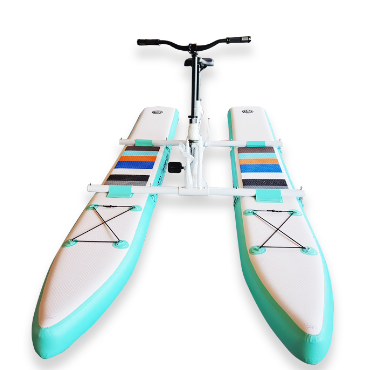


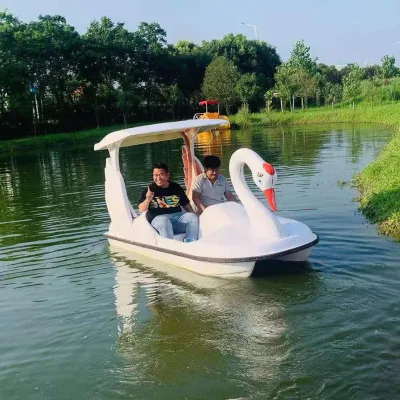
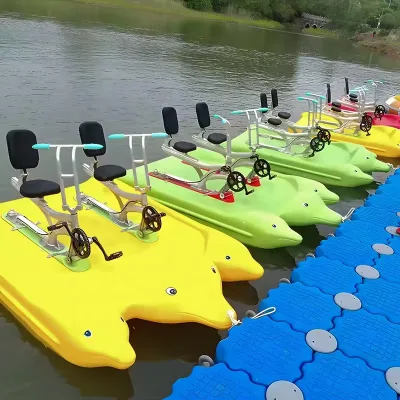
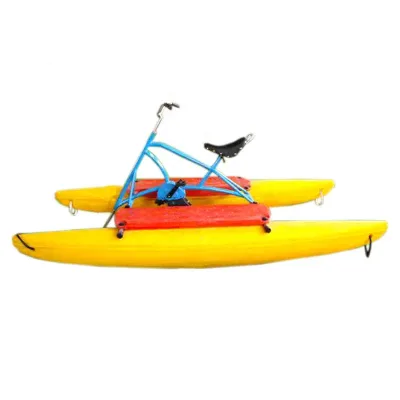
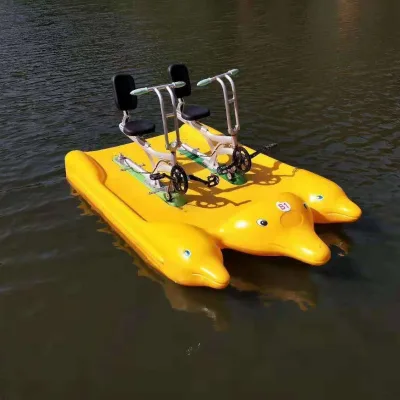
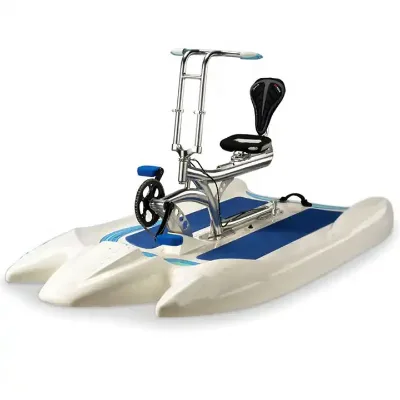
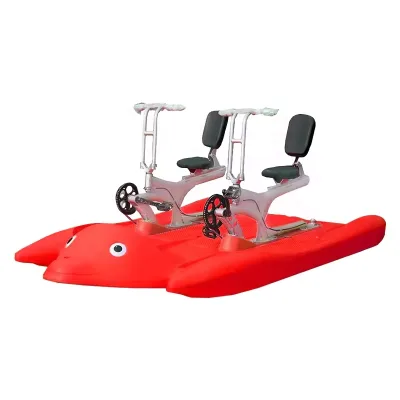
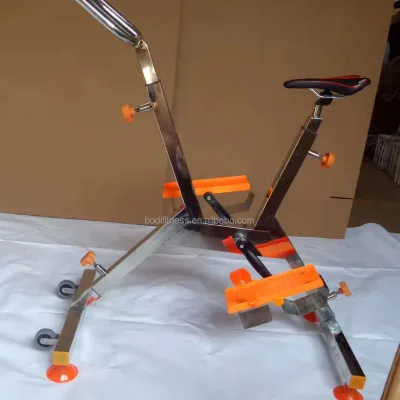


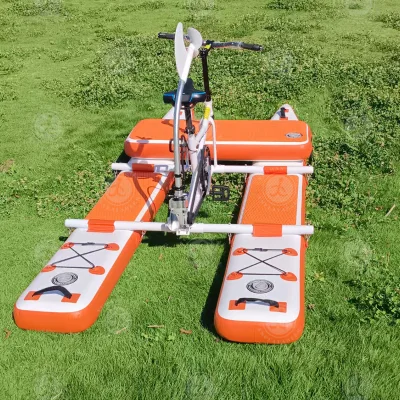
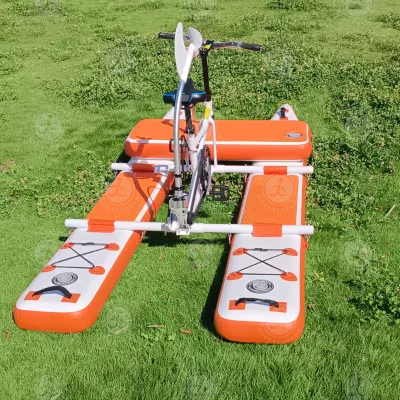
Durable Water Pedal Boat Water Bike Factory Direct Sales Water Bicycle
$667.00 - $780.00
MOQ: 2 Pieces


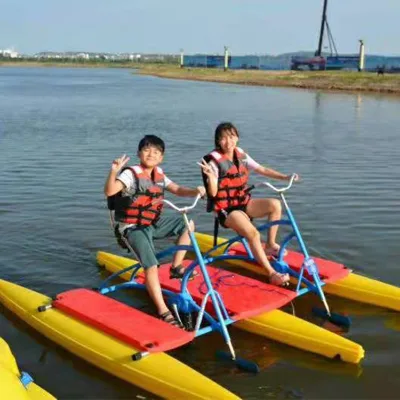
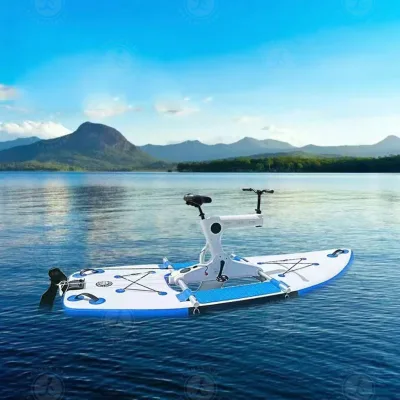
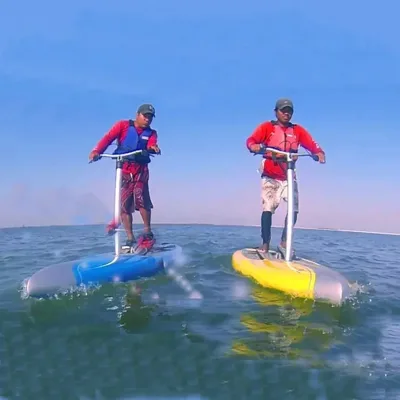
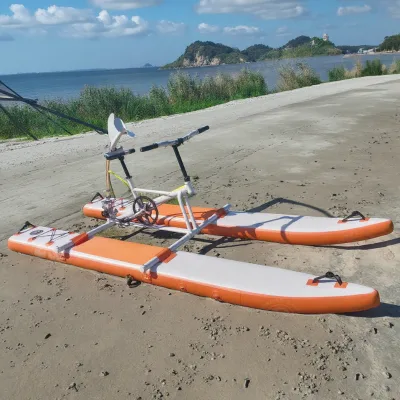
Comprehensive Sourcing Guide
Customized Swan Water Bike Sourcing Guide
Sourcing customized swan water bikes requires a careful balance between aesthetic appeal and functional durability, particularly for commercial water parks and resort environments. These vessels are distinct from standard pedal boats due to their thematic design, which often features a swan motif, and their construction materials, which typically include PVC or PE hulls supported by aluminum alloy frames. Buyers must navigate a market where customization is readily available, allowing for specific color schemes and branding, but where technical specifications can vary significantly between suppliers. The primary decision point for procurement teams is determining whether the vessel’s structural integrity and safety features align with the intended operational environment, whether that be a calm lagoon, a commercial water park, or open ocean waters.
The procurement process is further complicated by the diversity of product listings, which often present conflicting or incomplete data regarding capacity, dimensions, and certification status. While some models are explicitly designed for single-person use with specific length constraints, others accommodate multiple passengers with higher weight limits. This variance necessitates a rigorous verification process before placing any orders. Buyers should focus on understanding the underlying engineering of the swan water bike, including its buoyancy characteristics and pedal drive mechanisms, rather than relying solely on marketing imagery. Establishing clear technical requirements early in the sourcing journey helps filter out suppliers who may offer superficial customization without the necessary structural reinforcement.
Product Scope and Observed Listing Signals
The current market for swan water bikes presents a wide range of options, with observed price points ranging from approximately $295 to $1,750 USD, reflecting differences in material quality, size, and customization depth. The minimum order quantities (MOQ) are generally low, often starting at just one piece, which facilitates sampling and small-scale deployments for boutique resorts or private estates. However, buyers should be aware that these low MOQs may come with higher unit costs or limited customization options. The observed listings indicate that these products are primarily marketed for commercial and home use, with specific applications in water parks, resort hotels, and ocean waters. This broad applicability means that procurement specifications must be tightly defined to ensure the selected model meets the specific load-bearing and durability requirements of the intended site.
Product attributes in the market show significant variation in key specifications. For instance, while some models are described as having a maximum capacity of less than 100kg, others support loads between 100kg and 500kg, indicating a clear segmentation between lightweight recreational units and heavier commercial-grade vessels. The age suitability also varies, with some models targeting children aged 3-18 years and others designed for adults over 18 years. Additionally, the color options are extensive, ranging from standard colorful palettes to specific requests like black or customized brand colors. Buyers must carefully cross-reference these observed signals with their actual operational needs, as a mismatch in capacity or age suitability can lead to safety hazards and customer dissatisfaction. The presence of "customized" attributes suggests that suppliers are flexible, but this flexibility must be managed through detailed technical drawings and approved samples.
Technical Specifications to Verify
Verifying the technical specifications of a swan water bike is critical to ensuring long-term performance and safety. Key dimensions such as length, width, and height must be confirmed against the supplier’s documentation, as observed standards vary from compact single-person units to larger vessels measuring up to 3.60 meters in length. The material composition is another vital area of verification; while some listings specify PVC or PE materials for the hull, others highlight aluminum alloy frames for structural support. Buyers should request detailed material datasheets to confirm the thickness and grade of the PVC or PE, as well as the corrosion resistance of the aluminum frame, especially if the vessel will be used in saltwater environments. The pedal mechanism and drive system should also be inspected for durability, ensuring that the components can withstand continuous use in a commercial setting.
Capacity and passenger limits are often ambiguous in product listings, with some models listing allowable passengers as less than five or specifying single-person use. Buyers must verify the actual weight capacity and seating arrangement to prevent overloading. The speed of the vessel, typically ranging from 5 to 8 km/h, is another factor to consider, particularly for larger water parks where traffic flow and safety zones are important. Additionally, the packing dimensions and weight should be confirmed to calculate logistics costs accurately, as some models are packed in export cartons while others may use different packaging methods. It is also essential to verify whether the vessel is inflatable or rigid, as this impacts storage and transportation requirements. Clear communication of these technical details with the supplier ensures that the final product matches the procurement team’s expectations.
Compliance and Safety Documentation
Compliance with safety standards is non-negotiable when sourcing swan water bikes, particularly for commercial applications. The CE certification is a common requirement in many markets, and buyers should verify that the supplier provides valid CE certificates for the specific model being purchased. However, it is important to note that some listings may contain inconsistent or unclear certification information, such as referencing "CE" in multiple fields or providing incomplete documentation. Buyers must request the full test reports and conformity assessments to ensure that the vessel meets the relevant European or local safety standards. This includes verifying the stability of the vessel, the strength of the materials, and the safety of the pedal mechanisms.
In addition to CE certification, buyers should inquire about other relevant safety standards and testing protocols. For instance, if the vessel is intended for use in specific regions, local maritime or recreational equipment regulations may apply. The supplier should be able to provide evidence of load testing, durability testing, and material safety assessments. It is also advisable to check for any additional certifications, such as ISO standards for quality management, which can indicate a supplier’s commitment to consistent manufacturing practices. Buyers should not rely solely on the presence of a certification mark but should verify the authenticity and scope of the certification through the issuing body. This due diligence helps mitigate liability risks and ensures that the swan water bikes are safe for end-users.
Cost Drivers and Commercial Terms
The cost of a Customized Swan Water Bike is influenced by several factors, including the choice of materials, the complexity of the customization, and the order volume. Higher-quality materials, such as thicker PVC or premium aluminum alloys, will increase the unit price, as will complex customizations like unique color schemes or branded logos. Buyers should request detailed cost breakdowns to understand how these factors impact the final price. The observed price range of $295 to $1,750 USD suggests that significant cost variations exist, and buyers should align their budget with the required quality and durability levels. It is also important to consider the total cost of ownership, including maintenance, repairs, and potential replacement parts, which can vary depending on the supplier’s support offerings.
Commercial terms, such as payment terms, lead times, and shipping arrangements, are critical components of the procurement process. Buyers should negotiate favorable payment terms, such as a deposit followed by payment upon shipment or inspection, to mitigate financial risk. Lead times can vary significantly based on the level of customization and the supplier’s production capacity, so it is essential to establish clear timelines and penalties for delays. Shipping costs should also be calculated accurately, taking into account the size and weight of the packed vessels. Buyers should consider Incoterms to determine responsibility for transportation and insurance. Clear communication of these commercial terms ensures a smooth transaction and helps avoid unexpected costs or delays.
Supplier Qualification and Quality Control
Selecting a reliable supplier is paramount to the success of the procurement project. Buyers should conduct thorough due diligence on potential suppliers, including verifying their business licenses, manufacturing capabilities, and past performance. Suppliers located in regions known for water park equipment manufacturing, such as China, may offer competitive pricing and extensive experience, but buyers should still verify their quality control processes. It is advisable to request references from previous clients and to review any available audit reports or quality certifications. Suppliers who are transparent about their manufacturing processes and willing to provide detailed information about their quality control measures are generally more reliable.
Quality control should be integrated into the procurement process from the beginning. Buyers should establish clear quality standards and inspection criteria, which should be communicated to the supplier before production begins. It is recommended to conduct pre-shipment inspections to verify that the products meet the agreed-upon specifications and quality standards. This can include visual inspections, functional tests, and dimensional checks. Buyers should also consider hiring third-party inspection agencies to provide an unbiased assessment of the products. Establishing a robust quality control process helps ensure that the swan water bikes are free from defects and perform as expected in the field. This proactive approach minimizes the risk of receiving substandard products and reduces the potential for costly returns or replacements.
Long-Term Procurement Checks
Long-term procurement success depends on establishing a sustainable relationship with the supplier and implementing ongoing performance monitoring. Buyers should regularly review the supplier’s performance against key metrics such as delivery times, product quality, and customer service responsiveness. This continuous evaluation helps identify any emerging issues and allows for timely corrective actions. It is also important to maintain open communication with the supplier to discuss any changes in requirements or market conditions. Suppliers who are responsive and collaborative are more likely to provide consistent support and innovation over time.
Additionally, buyers should plan for the long-term maintenance and support of the swan water bikes. This includes securing a supply of spare parts and ensuring that the supplier provides adequate technical support and training for maintenance staff. Buyers should also stay informed about any updates or improvements in the product line, as suppliers may introduce new models or enhancements that offer better performance or durability. By maintaining a proactive approach to supplier management and product lifecycle planning, buyers can ensure that their investment in swan water bikes continues to deliver value and safety for years to come. This strategic perspective helps maximize the return on investment and supports the overall success of the water park or resort operation.
FAQs
What certifications do the customized swan water bikes have?
The customized swan water bikes carry CE certification as a standard requirement. This ensures compliance with safety regulations for water park and commercial use. Buyers can verify this certification on product listings before placing orders for bulk procurement.
Which age groups can use these customized swan water bikes?
These customized swan water bikes are suitable for children aged 3 to 18 years and adults over 18 years. The design accommodates various age ranges to ensure safety and enjoyment for families and commercial venues like parks and resorts.
Can I customize the color of the Customized Swan Water Bike?
Yes, customization is available for the color of the Customized Swan Water Bike. Options include red, green, orange, white, yellow, or other custom colors. Buyers should specify their preferred color scheme during the ordering process to ensure the final product matches their vision.
What is the maximum capacity for the Customized Swan Water Bike?
The maximum capacity for the Customized Swan Water Bike ranges from under 100kg to 100-500kg depending on the specific model. Buyers must check the product specifications for the exact weight limit to ensure safe operation for their intended passenger load.
How is the Customized Swan Water Bike packaged for shipping?
The Customized Swan Water Bike is packaged in a carton box or export carton for safe transport. This packaging protects the product during transit and ensures it arrives in new condition. Buyers should confirm the specific packing details with the supplier before shipment.
What is the minimum order quantity for the Customized Swan Water Bike?
The minimum order quantity for the Customized Swan Water Bike ranges from 1 to 5 pieces. This flexible MOQ allows buyers to test the market or order small batches. Specific MOQ requirements may vary by supplier and model selection.
Where are the customized swan water bikes manufactured?
The customized swan water bikes are manufactured in China, with specific origins including Weihai, Shandong and Jiangsu. Buyers can request detailed location information from suppliers to assess logistics and lead times for their specific procurement needs.
What materials are used to build the Customized Swan Water Bike?
The Customized Swan Water Bike is constructed using materials such as PVC, PE, and aluminum alloy frames. These durable materials ensure longevity and safety for water park and commercial applications. Buyers should verify the material composition for their specific model requirements.