Source Cute White Plastic Mini Stapler for Office, School, and Promotion
Find and compare 30 listings for the Cute White Plastic Mini Stapler, featuring models like SS80009 and SS80010. Evaluate options for office, school, and promotional use, noting manual operation, plastic construction, and various staple sizes to select the best fit for your sourcing needs.
Key considerations
Products List


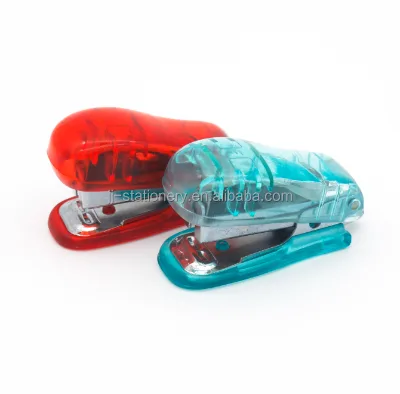
Hot Sale Custom Colorful Plastic Cute Mini Stapler Kids Children Stapler
$0.20 - $0.80
MOQ: 5000 Pieces



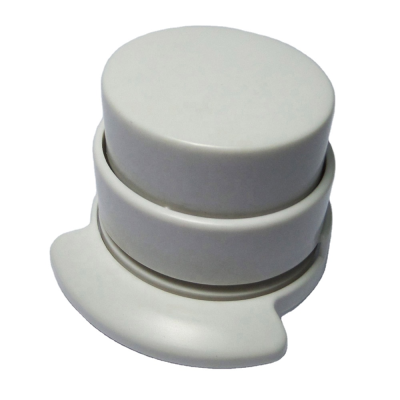
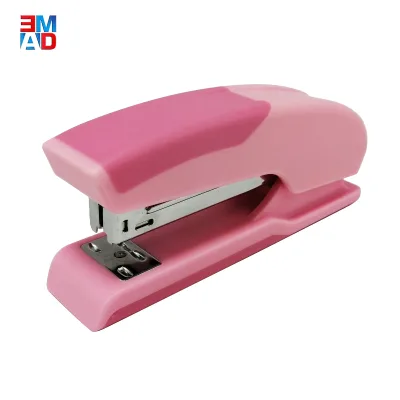
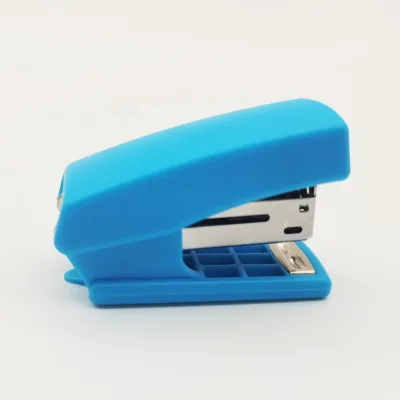
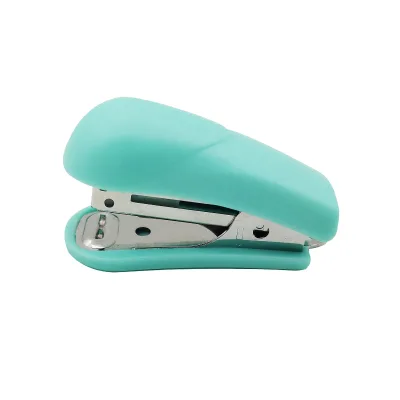
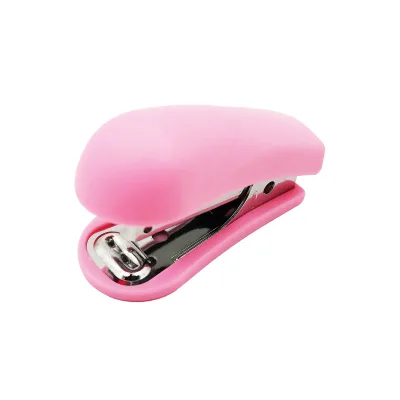


Wholesale Promotional Plastic No. 10 Staples Mini Children's Stapler with Staple Remover
$0.60 - $0.80
MOQ: 1000 Pieces

Cute Pink Mini Flat Manual Stapler Office Student and Business Travel Staple Remover
$0.60 - $0.80
MOQ: 1000 Pieces


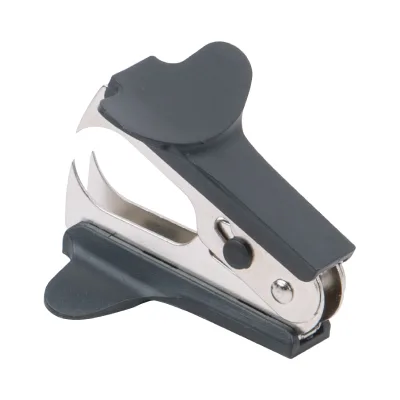
Eagle High Quality Cheap Stapler Stationery Remover Staple Puller Mini Black Stapler for Sale
$0.60 - $0.80
MOQ: 1000 Pieces





Comprehensive Sourcing Guide
Cute White Plastic Mini Stapler Sourcing Guide
Sourcing cute white plastic mini staplers requires a nuanced understanding of the intersection between aesthetic appeal and functional reliability. These products are typically categorized as promotional items or lightweight office accessories, designed to attract buyers who prioritize visual charm alongside basic utility. The "cute" designation often implies compact dimensions, rounded edges, and pastel or bright color options, while the "white plastic" specification points to a specific material choice that balances cost-efficiency with a clean, modern look. Buyers must recognize that these items are frequently used for brand promotion, corporate gifting, or as entry-level stationery for schools and small offices. The visual appeal is a primary driver for purchase, but the underlying mechanical integrity remains critical for maintaining brand reputation.
The procurement landscape for these staplers is characterized by a wide variance in quality and specification. While the core keyword suggests a specific aesthetic, the actual product range often includes variations in plastic type, stapling capacity, and internal mechanism design. Suppliers may offer both standard and customized options, allowing buyers to tailor the product to specific marketing campaigns or corporate branding needs. It is essential to distinguish between generic promotional stock and bespoke manufacturing, as the latter involves longer lead times and higher minimum order quantities. Understanding these distinctions helps buyers align their procurement strategy with their budget and timeline constraints, ensuring they receive a product that meets both visual and functional expectations.
Product Scope and Observed Listing Signals
The observed market signals indicate a diverse range of mini staplers, with prices ranging from $0.06 to $70 USD and minimum order quantities (MOQs) spanning from 1 to 10,000 units. This broad spectrum suggests that buyers can source either low-volume, high-value customized items or high-volume, low-cost standard products. The presence of both "Mini Stapler" and "Standard Stapler" types in the data highlights the importance of verifying the exact form factor and stapling capacity required for the intended use case. Buyers should pay close attention to the listed dimensions, as mini staplers are often defined by their compactness, with some models measuring as small as 4.3x3x1.8 cm.
Color options are a significant differentiator in this category, with listings showing both standard white and customized color options. The availability of customization allows for brand alignment, but it also introduces complexity in the sourcing process, including potential color matching challenges and additional setup costs. The material specification is predominantly plastic, with some listings noting PVC as a specific plastic material, which may have implications for durability and environmental compliance. Buyers should verify the specific type of plastic used, as this affects the stapler's weight, feel, and resistance to breakage. Additionally, the usage category often includes promotion, office, and school applications, indicating the versatility of these products across different market segments.
Technical Specifications to Verify
When evaluating technical specifications, buyers must prioritize the stapling mechanism and capacity. The data indicates that some models support staple sizes of 23/19, which is a common standard for mini staplers, while others may have different wire specifications such as 24/6 or 26/6. It is crucial to confirm the maximum sheet capacity, with some listings suggesting a range of 5-40 sheets, although this can vary significantly based on the paper type and stapler design. Buyers should request detailed technical drawings or product samples to verify the internal mechanism, ensuring that the stapler can handle the intended volume of work without jamming or misfiring.
Dimensions and packaging are also critical technical factors that impact logistics and end-user experience. The observed standard sizes range from compact models like 51x39x37.5 mm to larger mini staplers around 14.1x2.1x1.1 cm. Buyers must ensure that the selected model fits within their desired packaging constraints, especially if they plan to include the stapler in gift sets or promotional kits. The packaging options vary from simple carton packing to more elaborate color boxes, with some suppliers offering custom packing solutions such as 1000PCS/CTN with specific carton dimensions. Verifying the packing details early in the sourcing process helps avoid unexpected shipping costs and ensures that the product arrives in pristine condition.
Compliance and Safety Documentation
Compliance and safety are paramount when sourcing plastic stationery items, particularly those intended for school or office use. Buyers should verify that the plastic materials used, such as PVC or other polymers, comply with relevant international safety standards, including restrictions on harmful substances like phthalates or heavy metals. While specific certification statuses are not universally listed, buyers should request test reports from accredited laboratories to confirm that the products meet the safety requirements of their target markets, such as the EU's REACH regulation or the US's CPSIA. This due diligence is essential to mitigate legal risks and ensure the product is safe for end-users, especially children in school settings.
Documentation should also cover the manufacturing processes and quality control measures employed by the supplier. Buyers should inquire about the supplier's adherence to quality management systems, such as ISO 9001, and request evidence of routine inspections during production. The data mentions "Strict Inspect" as an advantage, but buyers should seek specific details on what this entails, including the frequency of inspections, the criteria for acceptance, and the procedures for handling defective units. Additionally, buyers should verify the supplier's ability to provide necessary documentation for customs clearance, including accurate HS codes, which are listed as 8472902200 for these types of staplers.
Cost Drivers and Commercial Terms
The cost of cute white plastic mini staplers is influenced by several key factors, including material costs, customization requirements, and order volume. The observed price range of $0.06 to $70 USD reflects the significant impact of these variables, with lower prices typically associated with high-volume orders of standard, non-customized items. Buyers should be aware that customization, such as adding logos or specific colors, can increase the unit price due to setup costs and potential material waste. Additionally, the choice of plastic material and the complexity of the manufacturing process, such as single-process mode versus multi-step assembly, can also affect the final cost.
Commercial terms, including lead times and payment conditions, are critical components of the procurement strategy. The data indicates lead times ranging from 10-15 days for standard items to 30 days for customized orders, which buyers must factor into their supply chain planning. Payment terms may vary depending on the supplier and the order size, with common options including T/T, L/C, or Western Union. Buyers should negotiate clear terms regarding shipping responsibilities, such as FOB or CIF, and ensure that the contract includes provisions for quality assurance and dispute resolution. Understanding these commercial terms helps buyers manage cash flow and minimize the risk of delays or additional costs.
Supplier Qualification and Quality Control
Supplier qualification is a crucial step in ensuring the reliability and consistency of the sourced staplers. Buyers should conduct thorough due diligence on potential suppliers, verifying their business licenses, manufacturing capabilities, and export experience. The data suggests that many suppliers are located in China, a major hub for stationery manufacturing, but buyers should not rely solely on location as an indicator of quality. Instead, they should request references from previous clients, visit the factory if possible, or hire a third-party inspection agency to assess the supplier's production environment and quality control processes.
Quality control measures should be clearly defined and enforced throughout the production process. Buyers should establish a detailed quality specification document that includes acceptable tolerances for dimensions, color, and functionality. Regular in-process inspections and pre-shipment inspections are recommended to identify and rectify any defects before the goods are shipped. The data mentions "Strong Package" as an advantage, but buyers should verify the packaging methods to ensure that the staplers are protected against damage during transit. Implementing a robust quality control plan helps minimize the risk of receiving substandard products and ensures that the final goods meet the buyer's expectations.
Long-Term Procurement Checks
Long-term procurement success depends on establishing a sustainable and adaptable supply chain. Buyers should regularly review supplier performance metrics, including on-time delivery rates, product quality, and responsiveness to issues. Building a strong relationship with the supplier can lead to better pricing, priority production, and improved communication. Additionally, buyers should stay informed about market trends and technological advancements in stapler manufacturing, which may offer opportunities for product improvement or cost reduction. Regularly updating the product specifications and requirements ensures that the sourced items remain relevant and competitive in the market.
Risk management is another critical aspect of long-term procurement. Buyers should diversify their supplier base to mitigate the risk of supply disruptions, such as those caused by natural disasters, political instability, or pandemics. Developing contingency plans for alternative sourcing options and maintaining safety stock can help ensure business continuity. Furthermore, buyers should monitor regulatory changes in their target markets, particularly regarding product safety and environmental compliance, to ensure ongoing adherence to legal requirements. By proactively managing these risks and maintaining a strategic approach to supplier management, buyers can secure a reliable supply of cute white plastic mini staplers for their business needs.
FAQs
What materials are used for cute white plastic mini staplers?
These staplers are primarily constructed from plastic, with some variants utilizing metal components for durability. The plastic material ensures a lightweight design suitable for portable use. Some models may incorporate PVC for specific structural parts, offering a balance between cost-effectiveness and functional strength for everyday office or school tasks.
Can I customize the color of a mini stapler?
Yes, customization is available for many mini stapler models. Buyers can often request specific colors, including green or other customized options, to match branding or personal preferences. This flexibility allows for tailored procurement, ensuring the final product aligns with specific promotional or aesthetic requirements for office or school environments.
What is the typical lead time for production?
The standard lead time for production is generally around 30 days. However, some suppliers may offer faster delivery options, with certain models having a lead time of 10-15 days. Buyers should confirm specific timelines with manufacturers, as production schedules can vary based on order volume and current factory capacity.
What are the common specifications for these staplers?
Specifications vary by model, with dimensions ranging from compact sizes like 4.3x3x1.8cm to larger ones like 100x28x40mm. Staple sizes typically include 23/19, and wire specifications may be 24/6 or 26/6. These variations allow buyers to select the most appropriate size and capacity for their specific binding needs.
How are mini staplers packaged for shipment?
Packaging options include standard cartons or individual color boxes, depending on the supplier and order requirements. Some manufacturers offer customized packing as requested, such as 1000 pieces per carton with specific dimensions. This flexibility ensures safe transport and allows for tailored presentation, whether for bulk distribution or retail-ready packaging.
What is the minimum order quantity for these products?
The minimum order quantity (MOQ) typically ranges from 1 to 10,000 pieces, offering flexibility for both small and large buyers. This wide range accommodates various procurement needs, from sample orders to bulk industrial purchases. Buyers should verify the specific MOQ with their chosen supplier to ensure alignment with their budget and volume requirements.