Source Cutlery Set for Restaurants, Hotels, and Home Use
Compare 30 verified Cutlery Set options from Chinese manufacturers. Buyers can evaluate stainless steel and biodegradable materials, custom logos, and MOQs ranging from 200 to 20,000 sets for restaurant, hotel, and home applications; compare the available evidence and request quotations based on your requirements.
Key considerations
Products List


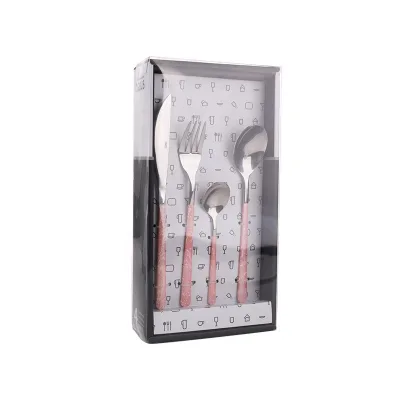
Tableware Utensil Stainless Steel Cutlery Dessert Spoon Western Cutlery Set
$0.85 - $2.50
MOQ: 200 Sets




Comprehensive Sourcing Guide
Cutlery Set Sourcing Guide
Sourcing cutlery sets requires a clear understanding of material diversity and intended use cases, as the market offers solutions ranging from durable stainless steel to biodegradable alternatives. Buyers must first define whether the procurement is for high-volume hospitality environments, promotional gifts, or everyday home use, as this decision dictates the necessary durability and aesthetic requirements. The observed product landscape includes flatware sets designed for one to eight users, indicating that capacity planning is a critical initial step in defining the order scope.
Procurement teams should also evaluate the customization potential early in the process, as many suppliers offer OEM services and logo printing to align with brand identity. The availability of multicolor options and eco-friendly features suggests that modern buyers are increasingly prioritizing sustainability and visual appeal alongside functional performance. Understanding these market signals helps in selecting suppliers who can meet specific design constraints while maintaining competitive pricing and reliable lead times for large-scale orders.
Product Scope and Observed Listing Signals
The current market for cutlery sets exhibits a wide range of price points, typically observed between $0.03 and $20 per unit, reflecting significant variation in material quality, packaging, and order volume. This broad spectrum allows buyers to align their budget with their specific needs, whether sourcing premium stainless steel sets for upscale restaurants or cost-effective options for promotional giveaways. The minimum order quantities (MOQ) vary substantially, ranging from 50 to 20,000 units, providing flexibility for both small businesses testing the market and large enterprises securing long-term supply contracts.
Listing signals indicate that customization is a prevalent feature, with many suppliers offering tailored solutions for logos, packaging, and specific product dimensions. Common packaging methods include OPP bags, color boxes, and customized cartons, which directly impact shipping efficiency and retail presentation. Buyers should note that some products are specified as non-disposable, emphasizing longevity, while others highlight biodegradable characteristics, catering to environmentally conscious consumers. These signals help in filtering suppliers based on alignment with brand values and logistical requirements.
Technical Specifications to Verify
Verifying technical specifications is crucial to ensure the cutlery sets meet functional and dimensional requirements. Key attributes to confirm include the material composition, such as stainless steel or Cpla, and the specific model numbers like OFFE2092 or SY-001022033, which often correlate with distinct design features. Buyers should also check the standard dimensions, such as 22.6 x 1.9 CM for individual pieces or 16.0x12.0x8.0CM for packaging, to ensure compatibility with storage and display solutions. The number of pieces per set, ranging from less than five to six to ten, must align with the intended user capacity and service style.
Additional technical details include the finish quality, with hand polishing being a noted process that enhances durability and aesthetic appeal. The folded or unfolded state of the product can also affect packaging density and shipping costs, so this should be clarified during specification review. Furthermore, the origin of the products, often from regions like Guangdong or Jiangsu Suzhou, may influence supply chain dynamics and quality control protocols. Ensuring these technical parameters are explicitly defined in the purchase order prevents discrepancies upon delivery.
Compliance and Safety Documentation
Compliance with safety standards is non-negotiable for cutlery sets, particularly those intended for food contact. Buyers must verify that suppliers hold relevant certifications, such as CE/EU, FDA, and LFGB, which attest to the material's safety and regulatory adherence in key markets. These certifications ensure that the products do not leach harmful substances and meet stringent hygiene requirements, which is especially critical for items used in restaurants and hotels. Documentation should be requested and validated before finalizing any order to mitigate legal and reputational risks.
In addition to certifications, buyers should inquire about specific test results and material safety data sheets, particularly for products claiming eco-friendly or biodegradable properties. While some listings mention FDA certification, it is essential to confirm the scope of this approval and whether it covers all components of the set, including handles and coatings. For promotional or gift items, compliance with international toy safety standards may also be relevant if the products are marketed towards children. Maintaining a robust compliance file is vital for ongoing audits and market access.
Cost Drivers and Commercial Terms
Several factors influence the total cost of cutlery sets, including material selection, customization complexity, and order volume. Stainless steel sets typically command higher prices due to durability and perceived value, while biodegradable options may vary based on the source material and processing methods. The MOQ plays a significant role in pricing, with lower quantities often incurring higher per-unit costs. Buyers should negotiate based on their volume commitments and consider the trade-offs between customization features and overall cost efficiency.
Commercial terms also include lead times, which are observed to range from 20 to 35 days after order confirmation, impacting inventory planning and cash flow. Packaging choices, such as individual OPP bags versus bulk cartons, can affect both unit cost and shipping expenses. Additionally, the availability of OEM/ODM support may involve setup fees or minimum run requirements. Understanding these cost drivers allows buyers to make informed decisions that balance quality, customization, and budget constraints effectively.
Supplier Qualification and Quality Control
Supplier qualification is a critical step in ensuring consistent quality and reliable delivery. Buyers should assess suppliers based on their production capabilities, quality control processes, and past performance. Factories located in established manufacturing hubs like Guangdong and Jiangsu Suzhou often have mature supply chains and experienced workforces, which can contribute to higher product consistency. It is advisable to request samples and conduct factory audits to verify production standards and ethical labor practices.
Quality control measures should include inspections for finish quality, such as hand polishing, and checks for packaging integrity. Buyers should define clear acceptance criteria for defects, such as scratches, discoloration, or packaging damage, and establish protocols for handling non-conforming goods. Regular communication with the supplier during production can help identify and resolve issues early. Building a strong relationship with qualified suppliers ensures long-term reliability and reduces the risk of supply chain disruptions.
Long-Term Procurement Checks
Long-term procurement success depends on continuous monitoring of supplier performance and market trends. Buyers should regularly review key performance indicators, such as on-time delivery rates, defect rates, and responsiveness to issues. Maintaining open communication channels with suppliers facilitates collaborative problem-solving and fosters trust. Additionally, staying informed about emerging materials and technologies, such as new biodegradable options, can help buyers stay competitive and meet evolving consumer demands.
It is also important to periodically reassess compliance requirements and certification validity, as regulations can change over time. Buyers should ensure that their suppliers remain up-to-date with these changes to avoid disruptions. Furthermore, evaluating the total cost of ownership, including shipping, storage, and potential returns, provides a more comprehensive view of procurement efficiency. By implementing these long-term checks, buyers can sustain a resilient and cost-effective supply chain for cutlery sets.
FAQs
What certifications do the cutlery sets have?
The cutlery sets hold CE/EU, FDA, and LFGB certifications. These standards ensure safety for food contact and compliance with international regulations. Buyers can verify these documents before placing orders to meet specific regional requirements for restaurant or home use.
Can I customize the logo on the cutlery?
Yes, customers can specify a logo or choose to have none on the product. This customization is available for promotional gifts or branded restaurant sets. The manufacturer supports OEM services to tailor the appearance according to your specific design needs.
What is the minimum order quantity for these sets?
The minimum order quantity varies by product, ranging from 200 sets to 20,000 sets. Some specific models require 3,000 or 10,000 sets as a baseline. Buyers should check the specific model details to confirm the exact MOQ before confirming their purchase order.
How long does it take to receive the order?
The lead time is typically 20 to 35 days after the order is confirmed. This duration accounts for production and quality checks like hand polishing. Buyers should plan their inventory accordingly to ensure timely delivery for restaurant or hotel events.
Where are these cutlery sets manufactured?
The products originate from Guangdong and Jiangsu Suzhou in China. These locations are known for their manufacturing capabilities in stainless steel and plastic tableware. Buyers can expect consistent quality from these established industrial regions in the supply chain.
Are the cutlery sets eco-friendly?
Yes, many options are designed as eco-friendly and biodegradable. Some sets are made from materials like Cpla to reduce environmental impact. These features make them suitable for promotional events or home use where sustainability is a priority for the buyer.