Source DC Rectifier Regulator for Motorcycle for bikes, ATVs, and Scooters
Find a DC Rectifier Regulator for Motorcycle among 30 available options. Compare specifications such as 12V and 24V voltage, ABS or aluminum materials, and certifications like ISO9001 and CE. Evaluate suppliers from China for OEM and neutral packaging needs; compare the available evidence and request quotations based on your requirements.
Key considerations
Products List


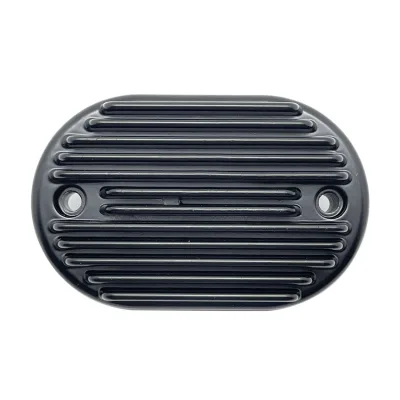


Motorcycle Regulator Motorcycle Voltage Regulator Rectifier for Ninja300
$6.20 - $6.50
MOQ: 300 Pieces


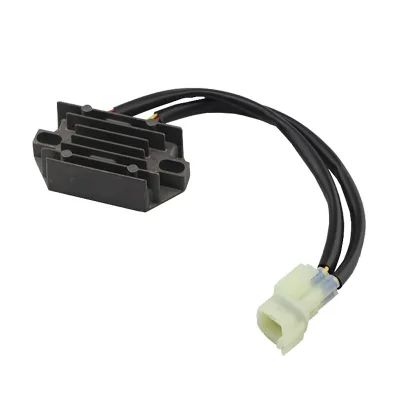
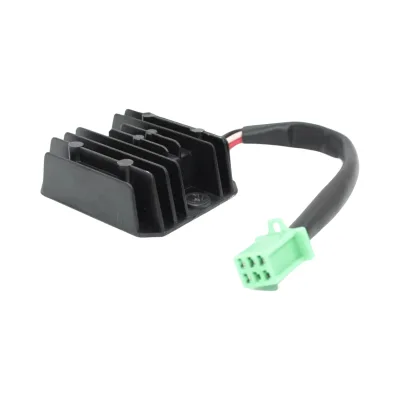
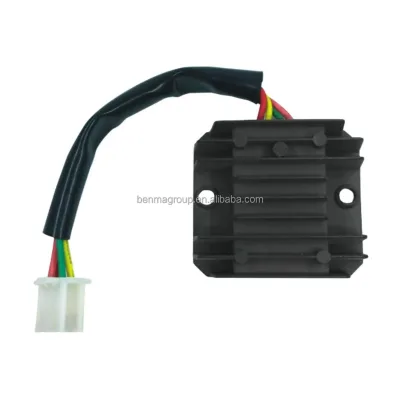


Comprehensive Sourcing Guide
DC Rectifier Regulator for Motorcycle Sourcing Guide
Sourcing a reliable DC Rectifier Regulator for Motorcycle applications requires a clear understanding of the electrical architecture and mechanical constraints inherent to two-wheeled vehicles. These components serve as critical interfaces between the stator’s alternating current output and the motorcycle’s direct current battery system, ensuring stable voltage levels for ignition, lighting, and accessory operation. Buyers must recognize that while the core function remains consistent, the physical form factors and pin configurations vary significantly across different manufacturers and model years. This variability necessitates precise matching of the replacement part to the original equipment specifications to avoid installation failures or electrical damage.
The procurement landscape for these regulators is diverse, with suppliers offering a wide array of options ranging from basic brushed units to advanced brushless silicon rectifiers. Observations from current market listings indicate a strong presence of products designed for specific engine displacements, such as 125cc and 250cc platforms, as well as high-performance models like the KTM400 and Daytona DY250. This diversity allows buyers to find specialized components for retrofitting or upgrading existing fleets, but it also increases the complexity of the selection process. Procurement teams must therefore establish rigorous verification protocols to ensure that the selected regulator meets the exact voltage, current, and connector requirements of their target motorcycle models.
Product Scope and Observed Listing Signals
Market analysis reveals a broad spectrum of product attributes associated with motorcycle DC rectifier regulators, highlighting the importance of detailed specification matching. Listings frequently cite key identifiers such as model codes like Cgl, FDX125, and WY125/JH125, which often correspond to specific wire configurations and pin counts. For instance, some units are explicitly described as 5-pin silicon rectifiers for AC/DC conversion, while others are tailored for brushless commutation systems. The material composition also varies, with common constructions featuring ABS plastic housings for lightweight durability or aluminum alloy casings for superior heat dissipation. Buyers should treat these material observations as indicators of thermal management capabilities rather than universal standards, as performance depends heavily on the specific mounting environment and airflow within the motorcycle frame.
Voltage ratings and power types are critical differentiators in this category, with most observed products operating at 12V, though 24V variants are also available for larger or commercial motorcycles. The power type is predominantly listed as DC, reflecting the final output required by the battery, although the internal conversion process handles AC input from the stator. Color options such as black and grey are standard, primarily serving aesthetic or identification purposes rather than functional ones. Additionally, packaging methods range from simple bags to color boxes and cartons, which can impact logistics costs and product protection during transit. Procurement specialists must verify these physical and electrical attributes against their bill of materials to ensure compatibility, as mismatches in voltage or connector type can lead to immediate operational failures.
Technical Specifications to Verify
Verifying the electrical compatibility of a DC rectifier regulator is the most critical step in the procurement process to prevent system damage. Buyers must confirm the rated voltage, with 12V being the most common standard for light motorcycles, while ensuring the unit supports the specific AC/DC conversion requirements of the vehicle’s charging system. The number of wires and pin configuration, such as the 4-wire or 5-pin setups observed in listings for models like the FDX125 and WY125, must match the motorcycle’s harness exactly. Mismatches in pinout can result in short circuits or failure to charge the battery, making it essential to cross-reference the supplier’s technical diagrams with the original equipment manufacturer’s schematics. This verification should be performed before placing any orders, especially when sourcing generic or aftermarket parts.
Thermal management and mechanical fitment are equally important technical considerations that often determine the longevity of the regulator. Units constructed from aluminum alloy or aluminum offer better heat dissipation compared to those made from ABS plastic, which is crucial for high-output charging systems or engines that run at high temperatures for extended periods. Buyers should also verify the commutation type, distinguishing between brushed and brushless designs, as this affects maintenance requirements and electrical noise. Additionally, the physical dimensions and mounting hole patterns must be checked to ensure the regulator fits within the designated space on the motorcycle frame. Failure to account for these mechanical constraints can lead to installation difficulties or the need for custom fabrication, increasing overall project costs and lead times.
Compliance and Safety Documentation
Ensuring that purchased regulators meet relevant safety and quality standards is essential for maintaining vehicle reliability and legal compliance in many markets. Listings often reference certifications such as ISO9001:2001, CE, and CCC, which indicate that the manufacturer has implemented quality management systems and met specific regional safety requirements. However, buyers should verify the current validity of these certifications, as standards evolve and older references may not reflect the most recent regulatory updates. The presence of SGS standards in product descriptions suggests adherence to international quality benchmarks, but it is crucial to request up-to-date certification documents from the supplier to confirm that the specific batch of products being purchased is covered under these approvals.
Beyond formal certifications, buyers should inquire about the testing protocols employed by the manufacturer to ensure product consistency and durability. While specific test results are not always provided in initial listings, reputable suppliers should be able to demonstrate that their regulators undergo rigorous electrical and thermal stress testing. This includes verifying voltage regulation stability under varying load conditions and ensuring that the unit can withstand vibration and environmental exposure typical of motorcycle use. Procurement teams should also check for any additional compliance marks required by their target markets, such as E-mark for European vehicles or other regional automotive standards. Establishing a clear requirement for documented compliance helps mitigate the risk of sourcing substandard components that could lead to field failures and warranty claims.
Cost Drivers and Commercial Terms
The pricing of motorcycle DC rectifier regulators is influenced by several factors, including material composition, complexity of the internal circuitry, and order volume. Observed price ranges in the market span from approximately $0.50 to $26.00, reflecting the diversity from basic replacement units to high-performance, brand-specific components. Buyers should expect lower unit costs for higher volumes, with minimum order quantities (MOQs) typically ranging from 2 to 1000 pieces depending on the supplier’s production capacity and inventory policies. Understanding these volume discounts is crucial for optimizing procurement budgets, especially for large fleet maintenance operations or aftermarket distributors who require consistent supply over extended periods.
Commercial terms and payment methods also play a significant role in the total cost of ownership and supply chain efficiency. Common payment options include T/T, L/C, and O/A, allowing buyers to choose terms that align with their cash flow management strategies. Delivery times are generally around 30 days, which buyers must factor into their inventory planning to avoid stockouts. Additionally, packaging options such as OEM, neutral, or color box packing can affect shipping costs and product presentation, with bulk carton packing often being more cost-effective for large shipments. Buyers should negotiate clear terms regarding sample availability, as testing samples before bulk ordering can prevent costly mistakes. Clarifying these commercial details early in the sourcing process ensures a transparent and predictable procurement experience.
Supplier Qualification and Quality Control
Evaluating supplier qualifications is a vital step in securing a reliable supply of DC rectifier regulators for motorcycle applications. Buyers should prioritize suppliers who demonstrate a strong track record in automotive or motorcycle parts manufacturing, as evidenced by their production capabilities and quality control processes. The observation that many products originate from regions like Hebei and Jiangsu in China provides insight into the manufacturing hubs for these components, but buyers must verify the specific factory’s reputation and capacity. Requesting references or case studies from previous clients can help assess the supplier’s reliability and consistency in meeting delivery and quality expectations.
Quality control measures should be explicitly defined in the procurement agreement to ensure that every batch of regulators meets the required specifications. Buyers should inquire about the supplier’s incoming material inspection, in-process quality checks, and final testing procedures. Given the critical nature of electrical components, it is advisable to implement a sampling inspection plan upon receipt of goods to verify voltage regulation, connector integrity, and physical dimensions. Suppliers who offer OEM services and accept custom packaging may provide additional flexibility, but this should not come at the expense of quality assurance. Establishing a clear quality agreement with defined acceptance criteria helps protect the buyer from receiving defective products and ensures long-term supply chain stability.
Long-Term Procurement Checks
Maintaining a stable supply of DC rectifier regulators requires ongoing monitoring of supplier performance and market dynamics. Buyers should regularly review supplier delivery times, product quality metrics, and responsiveness to issues to ensure continued reliability. The warranty period, often cited as 12 months in product listings, provides a baseline for expected product lifespan, but buyers should track actual field performance to identify any recurring defects or premature failures. Establishing a feedback loop with end-users or maintenance teams can provide valuable insights into the real-world durability of the components, allowing for proactive adjustments to the sourcing strategy.
Additionally, buyers should stay informed about technological advancements and regulatory changes that may impact the availability or specification of motorcycle regulators. As motorcycle designs evolve, particularly with the introduction of new engine technologies or stricter emissions standards, the requirements for charging systems may change. Regularly updating the technical specifications and compliance requirements in the procurement process ensures that the sourced components remain compatible with current and future vehicle models. Building strong relationships with multiple qualified suppliers can also mitigate the risk of supply disruptions, providing flexibility to switch sources if necessary. Continuous evaluation and adaptation are key to sustaining a resilient and efficient procurement operation for these essential automotive components.
FAQs
What voltage options are available for motorcycle regulators?
The available voltage options are 12V and 24V. These regulators support both AC and DC power inputs. The 12V models are common for standard motorcycles, while 24V options exist for larger engines. Buyers should verify their vehicle's electrical system requirements before selecting the appropriate voltage rating for optimal performance and safety.
Which certifications do these regulators typically hold?
These regulators typically hold ISO9001, CE, and CCC certifications. Some products also display SGS standards compliance. These certifications indicate adherence to quality management and safety regulations. Buyers should verify specific certification documents with suppliers to ensure the components meet the regulatory requirements of their target market or local jurisdiction for road use.
Can I request custom packaging for bulk orders?
Yes, custom packaging is available for bulk orders. Options include OEM branding, neutral packaging, color boxes, or standard carton boxes. The standard packing size is often 29x23x23cm. Buyers should confirm packaging preferences with the supplier during the quotation phase to ensure the final product presentation meets their distribution or retail requirements.
What is the typical lead time for delivery?
The typical lead time for delivery is 30 days. This duration applies to standard production runs after order confirmation. Buyers should account for this timeframe when planning inventory replenishment. Expedited shipping options may be available for urgent orders, but the standard production cycle remains consistent across most verified suppliers in the region.
What materials are used in the regulator construction?
The regulators are constructed from ABS plastic and Aluminium Alloy. The ABS housing provides durability and heat resistance, while the aluminum components aid in thermal management. These materials ensure reliable operation under various engine conditions. Buyers should inspect the specific material grade with suppliers to confirm suitability for their specific motorcycle model and operating environment.
What payment terms are accepted for these orders?
Accepted payment terms include T/T, L/C, and O/a. Some suppliers also accept T.T for smaller transactions. These flexible terms accommodate various business sizes and risk preferences. Buyers should negotiate specific payment schedules and currency options with the supplier to align with their financial processes and ensure secure transaction handling throughout the procurement cycle.