Source Delicate Shell Dragonfly Brooch for fashion, gifts, and events
Compare 21 listings for the Delicate Shell Dragonfly Brooch from Chinese manufacturers. Buyers can evaluate alloy materials, customization options, and MOQs ranging from 30 to 500 pieces for decoration and collection purposes.
Key considerations
Products List



Comprehensive Sourcing Guide
Strategic Sourcing Guide for Delicate Shell Dragonfly Brooches
Procuring specialized fashion accessories like a Delicate Shell Dragonfly Brooch requires a nuanced understanding of the intersection between aesthetic design, material integrity, and supply chain reliability. In the B2B marketplace, buyers often encounter a fragmented landscape where product attributes vary significantly between suppliers. This guide synthesizes available market data and industry standards to provide a structured approach for sourcing these specific items. The focus remains on evidence-based evaluation, ensuring that procurement decisions are grounded in verified product characteristics rather than speculative marketing claims. Understanding the specific variations in materials, such as alloy bases versus crystal inlays, and the diversity in finishing processes is critical for aligning supplier capabilities with brand requirements.
Technical Specifications and Material Composition
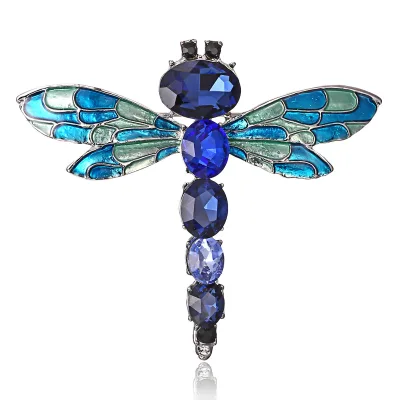
The technical definition of a "Delicate Shell Dragonfly Brooch" is not monolithic; it encompasses a range of specifications that directly impact the final product's appearance and durability. Based on observed market data, the core structural component often utilizes an alloy base. This material choice is prevalent due to its malleability, allowing for the intricate molding required to replicate the fine wings and body of a dragonfly. The surface finish is equally critical, with observed variations including polished processes that enhance the visual appeal of the metal.
Coloration in these brooches is a primary differentiator. While some listings indicate a "Gold" or "Rhodium" plating, others specify "Silver" or "Rose Gold" finishes. The plating process, whether it involves Rhodium, Rose Gold, Yellow Gold, or Black, must be verified against the specific design intent. For a "shell" aesthetic, the inclusion of freshwater elements or crystal components is common. The observed data notes a "Freshwater" pattern and "Crystal" material usage, suggesting that the delicate shell effect may be achieved through the arrangement of these stones or the use of specific alloy textures that mimic organic shell surfaces.
Furthermore, the shape and setting are vital technical parameters. The product is frequently described as "Flower-shaped" or "Animal" shaped, with the dragonfly falling under the latter. The setting mechanism, such as "Wax Setting," influences how the stones or shell elements are secured to the alloy base. Buyers must verify if the brooch utilizes a standard pin-back mechanism or a more complex clasp, as this affects the "Suitable for Female" demographic's ease of use. The gloss level, described as "Strong Light" in some contexts, indicates a high-polish finish that requires careful handling during transit to prevent scratching.
Compliance, Certification, and Quality Standards
In the global B2B environment, compliance is not merely a formality but a prerequisite for market entry. The sourcing of fashion jewelry, particularly items involving plating and stones, necessitates rigorous adherence to safety and quality standards. The provided data highlights "SGS" as a recurring certification, indicating that third-party verification is a standard expectation for reputable suppliers. SGS certification typically covers material safety, ensuring that the alloy and plating materials do not contain harmful levels of lead, nickel, or cadmium, which are common concerns in jewelry manufacturing.
When evaluating a supplier, buyers should explicitly request the validity of their SGS certificates and verify the scope of the testing. The data also mentions "Customized" standards, suggesting that some manufacturers offer bespoke compliance testing for specific export markets. For instance, if the brooch is destined for the European Union, it must meet REACH regulations, while the US market may require compliance with specific federal trade commission guidelines regarding jewelry labeling.
Quality grading is another essential component of compliance. The observed data references a "Best" quality rating and notes potential defects such as "Slightly Included" stones. This terminology suggests that buyers must establish clear acceptance criteria regarding stone clarity and metal finish consistency. A "Slightly Included" defect might be acceptable for a fashion accessory but could be a deal-breaker for a luxury line. Therefore, the procurement process must include a detailed definition of acceptable defect tolerances, ensuring that the "Quality: Best" claim is backed by a tangible inspection protocol rather than a generic marketing statement.
Cost Drivers and Pricing Dynamics
The pricing of delicate shell dragonfly brooches is influenced by a complex matrix of factors, including material costs, labor intensity, and order volume. The observed price range in the market spans from $0.10 to $300.00, a vast disparity that reflects differences in material quality, design complexity, and brand positioning. The lower end of this spectrum likely corresponds to mass-produced items with simple alloy construction and basic plating, while the higher end may involve intricate crystal work, superior plating thickness, or custom design fees.
Order Volume is a significant cost driver. The data indicates a Minimum Order Quantity (MOQ) ranging from 1 to 1000 pieces, with specific instances noting MOQs of 30 pieces or 500 pieces. Suppliers with lower MOQs may charge a premium per unit to cover setup costs, whereas larger orders benefit from economies of scale. Buyers must balance the need for inventory flexibility against the cost per unit. For a new product launch, a lower MOQ might be preferable to test the market, even if the unit cost is higher. Conversely, for established lines, negotiating a higher volume to reduce the unit price is a standard strategy.
Additional cost factors include the customization of the logo and packaging. The availability of OEM/ODM services and customized logos adds value but also increases the overall cost. The packaging requirements, such as "OPP Bag" versus "Strong Carton," also impact the final price. Buyers should request a detailed cost breakdown that isolates the base product cost from customization fees, shipping, and packaging to ensure transparency in the total landed cost.
Typical Applications and Market Positioning
The application of a Delicate Shell Dragonfly Brooch extends beyond simple adornment. The data identifies "Decoration," "Collection," and "Gifts" as primary usage categories. This versatility allows the product to serve multiple market segments. As a decorative item, it is suitable for accessorizing formal wear, evening gowns, or professional attire, particularly for the "Female" demographic. The "Fashion" style and "Party" occasion attributes suggest that these brooches are often purchased for special events, festivals, or seasonal celebrations.
The "Whole Year" seasonality indicates that the product is not strictly tied to a specific holiday, making it a viable year-round inventory item. However, the "Freshwater" and "Pear" motifs often align with spring and summer themes, where nature-inspired accessories are particularly popular. The "Pear Brooch" models mentioned in the data suggest a sub-category of the dragonfly brooch that focuses on organic shapes, appealing to collectors and those who appreciate artisanal designs.
For retailers, the positioning of the brooch can vary from mass-market fashion to niche luxury. The "Best" quality rating and "Customized" options allow suppliers to cater to high-end boutiques that require unique, exclusive designs. In contrast, the "Alloy Brooch" with "Various Style" options suggests a broader appeal for general fashion retailers. Understanding the target customer's price sensitivity and aesthetic preferences is crucial for selecting the right supplier and product variant.
Supplier Evaluation and Operational Capabilities
Selecting the right supplier is perhaps the most critical step in the procurement process. The data reveals that suppliers are located in specific regions of China, including Guangzhou and Shanxiahu, Zhuji, Zhejiang. These regions are known for their jewelry manufacturing clusters, offering access to a robust supply chain for alloys, plating, and gemstones. However, location alone does not guarantee quality; buyers must evaluate the supplier's operational capabilities.
Key evaluation criteria include the supplier's ability to handle customization. The availability of "OEM/ODM" services and "Customized" logos indicates a flexible manufacturing process. Buyers should verify the supplier's capacity to handle specific design requirements, such as the "Wax Setting" or specific plating colors like "Black" or "Rose Gold." The "Delivery Time" of 20-30 days is a standard benchmark, but buyers must confirm if this timeline is consistent or if it varies based on order complexity.
Reliability is another factor. The "Service: OEM/ODM" attribute suggests that the supplier is willing to collaborate on design and production. However, buyers should assess the supplier's track record for meeting deadlines and maintaining quality consistency. The presence of "SGS" certification is a positive indicator, but it should be supplemented with references from other clients or on-site audits if possible. Additionally, the "Product Packing" options, ranging from "OPP Bag" to "Strong Carton," demonstrate the supplier's attention to logistics and product protection.
Quality Control and Long-Term Procurement Strategy
Effective quality control is essential to mitigate the risks associated with "Slightly Included" defects and plating inconsistencies. Buyers should implement a rigorous inspection protocol that aligns with the "Quality: Best" standard. This may involve pre-shipment inspections to verify the "Polished" finish, the integrity of the "Wax Setting," and the accuracy of the "Color" and "Gloss" specifications. The use of a standardized inspection checklist based on the observed product attributes ensures that every batch meets the agreed-upon criteria.
Long-term procurement strategies should focus on building a sustainable relationship with suppliers who can scale with demand. The "Customized" nature of the product means that as the brand grows, the supplier must be able to accommodate design changes and volume increases without compromising quality. The "MOQ" flexibility observed in the market suggests that suppliers are willing to adapt, but buyers should negotiate terms that allow for gradual volume ramp-ups.
Furthermore, the "Season: Whole Year" attribute implies that inventory management is a continuous process. Buyers should plan for regular replenishment cycles to avoid stockouts, especially during peak seasons like parties and holidays. The "Delivery Time" of 20-30 days should be factored into the inventory planning to ensure timely availability. By maintaining open communication with suppliers and establishing clear quality benchmarks, buyers can secure a reliable supply of delicate shell dragonfly brooches that meet their brand's standards and market demands.
Comparative Analysis of Product Variants
To assist in decision-making, the following table summarizes key product attributes observed in the market, highlighting the variations buyers may encounter.
| Attribute | Variant A (Standard) | Variant B (Premium/Custom) | Variant C (Economy) |
|---|---|---|---|
| Material | Alloy | Crystal & Alloy | Alloy |
| Plating | Rhodium, Rose Gold | Custom (Black, Yellow Gold) | Standard Gold/Silver |
| Setting | Wax Setting | Customized Setting | Standard Pin |
| MOQ | 30 PCS | 500 PCS | 1-1000 PCS |
| Certification | SGS | Customized Standards | Basic |
| Origin | Guangzhou, China | Zhuji, Zhejiang | China |
| Packaging | OPP Bag, Strong Carton | Custom Carton | OPP Bag |
| Usage | Decoration, Gifts | Collection, Gift | Decoration |
This comparison illustrates that while the core product remains a dragonfly brooch, the specific configuration of materials, certifications, and order requirements varies significantly. Buyers must carefully match these variants to their specific business needs, ensuring that the chosen option aligns with their quality expectations, budget constraints, and logistical capabilities. By adhering to these evidence-based guidelines, buyers can navigate the complexities of sourcing delicate shell dragonfly brooches with confidence and precision.
FAQs
What certifications are available for delicate shell dragonfly brooches?
SGS certification is available for these brooches to verify material safety and quality standards. This ensures the alloy and plating materials meet international safety requirements regarding harmful substances like lead and nickel.
How long is the delivery time for custom orders?
The standard delivery time ranges from 20 to 30 days for most orders. This timeline applies to customized requests involving specific logos, packaging, or plating finishes like Rhodium or Rose Gold.
Which materials are used for the brooch base and stones?
The brooches typically use an alloy base with polished processing for the structure. Stones or decorative elements often include crystal or freshwater patterns to achieve the delicate shell aesthetic.
Can I request a customized logo on the brooch?
Yes, OEM and ODM services are available for customized logos on the brooch. Suppliers accept orders with specific branding requirements while maintaining the core design features like the dragonfly shape.
What is the minimum order quantity for these brooches?
The minimum order quantity varies between 30 pieces and 500 pieces depending on the supplier. Some vendors offer low MOQs for testing, while others require higher volumes for specific customizations.
Where are the manufacturers of these brooches located?
Manufacturers are located in specific regions of China, including Guangzhou and Zhuji, Zhejiang. These areas are known jewelry manufacturing clusters that provide access to robust supply chains for alloys and plating.
What packaging options are available for the brooches?
Packaging options include OPP bags, strong cartons, or custom requirements as specified by the customer. The choice of packaging affects the final cost and ensures product protection during transit.