Source Desktop Pressure Steam Sterilizer for Labs, Clinics, and Salons
Source a Desktop Pressure Steam Sterilizer from 30 verified listings. Compare models with capacities from 8L to 50L, stainless steel construction, and rapid sterilizing times. Evaluate options featuring LCD displays, auto-protection, and CE/ISO certifications for your specific operational needs.
Key considerations
Products List


35L 50L 75L 100L Medical Equipment Vertical Pressure Digital 134 º C Steam Sterilizer
$580.00 - $1300.00
MOQ: 1 Pieces


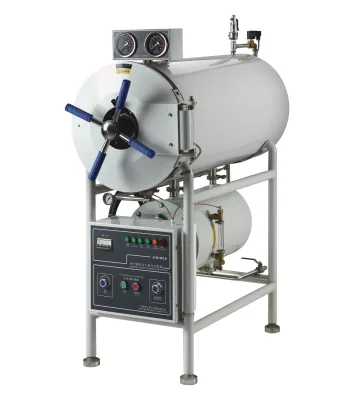


Cheaper Portable Medical Steam Sterilizer Stainless Pressure Steam Sterilizers
$85.00 - $110.00
MOQ: 5 Pieces


Comprehensive Sourcing Guide
Desktop Pressure Steam Sterilizer Sourcing Guide
Procuring a Desktop Pressure Steam Sterilizer requires careful evaluation of the specific operational environment and the intended volume of instruments to be processed. The observed market data indicates a diverse range of capacities, from compact 8-liter units suitable for small clinics to larger 50-liter models designed for higher throughput in dental or surgical settings. Buyers must distinguish between basic pressure steam units and those featuring advanced capabilities like rapid sterilization cycles or integrated recording systems, as these features directly impact workflow efficiency and regulatory compliance.
The selection process should also account for the physical constraints of the installation space, as unit dimensions and weight vary significantly across different models. While some units are designed with a footprint of approximately 500mm, others may require more substantial floor space depending on their volume capacity. Additionally, the material composition, typically stainless steel or carbon steel, influences durability and corrosion resistance, which are critical factors for equipment subjected to frequent high-temperature and high-pressure cycles in a clinical setting.
Product Scope and Observed Listing Signals
The current market listings reveal a clear segmentation based on capacity and functional complexity, with observed volumes ranging from 8 liters up to 100 liters. Buyers should note that specific models, such as those designated with 18-liter or 20-liter capacities, often feature rapid sterilization times of 4 to 6 minutes, whereas larger units may offer extended timer ranges up to 99 minutes to accommodate different load types. This variation in time scope allows procurement teams to match equipment speed with the specific urgency of their sterilization needs, ensuring that critical instruments are available when required without unnecessary delays.
Another critical signal in the product scope is the presence or absence of digital interfaces and recording capabilities. Some units are equipped with LCD displays and advanced safety alarms for ultra-high temperatures, while others operate without digital displays, relying on mechanical controls. The availability of sterilization information recording and printing is a distinct differentiator that can simplify audit trails and quality assurance processes. Buyers must verify whether a specific model includes these recording features, as this attribute is not universal across all listed products and may be a mandatory requirement for certain regulatory environments.
Technical Specifications to Verify
When evaluating technical specifications, the working temperature and pressure limits are paramount for ensuring effective sterilization and equipment longevity. The observed data indicates a working temperature range of 105 to 126 degrees Celsius, with some models capable of reaching 126 degrees for rapid cycles. It is essential to verify the maximum safety pressure, which is listed at 0.165MPa for certain units, to ensure the vessel can withstand the required pressure without compromising safety. Buyers should confirm that the specific model selected includes over-temperature and over-pressure auto-protection mechanisms to prevent accidents during operation.
The electrical and physical specifications also require rigorous verification to ensure compatibility with the facility's infrastructure. Most units operate on a standard 220V electric tension, but the net and gross weights, ranging from 35kg to higher values for larger models, must be considered for floor load capacity and logistics planning. Installation dimensions, such as the 500mm size for certain models, must be cross-referenced with available bench or floor space. Furthermore, the material construction, whether stainless steel or carbon steel, dictates the maintenance requirements and resistance to the harsh conditions of repeated steam cycles.
Compliance and Safety Documentation
Regulatory classification is a primary consideration when sourcing medical sterilization equipment, as the legal requirements vary significantly by jurisdiction. The observed listings include products classified as Medical Device Regulatory Type 1 and Type 2, indicating different levels of scrutiny and intended use. Buyers must confirm the specific regulatory type for their intended application, as Type 2 devices often imply a higher level of safety assurance and may be required for more invasive procedures. Ensuring the device meets the correct classification is the first step in establishing a compliant procurement chain.
Certification status provides further assurance of safety and quality, with observed listings citing CE, ISO, and combined CE & ISO certifications. While some products explicitly state compliance with standards like 535X365X320mm or general ISOCE protocols, buyers should request valid certification documents for the specific model they intend to purchase. It is crucial to verify that the certifications are current and issued by recognized bodies, as this documentation is often required for hospital accreditation and legal operation. The absence of specific certification details in a listing should prompt a direct inquiry to the supplier before proceeding with any order.
Cost Drivers and Commercial Terms
The pricing for desktop pressure steam sterilizers varies widely, with observed ranges spanning from 85 to 5500 USD, driven primarily by capacity, material quality, and feature sets. Higher-priced units typically offer larger volumes, advanced LCD interfaces, and integrated recording systems, while more affordable options may lack these premium features. Buyers should analyze the total cost of ownership, considering that a lower initial purchase price might result in higher maintenance costs if the unit uses less durable materials like carbon steel instead of stainless steel.
Commercial terms such as Minimum Order Quantity (MOQ) and lead times are also significant factors in the procurement decision. The observed MOQ ranges from 1 to 20 units, offering flexibility for small clinics or larger institutions looking to equip multiple departments. Lead times are generally estimated at 3 to 4 weeks, but this can fluctuate based on customization requests and shipping logistics. Additionally, packaging options, ranging from wooden cases to neutral cartons, can influence shipping costs and the condition of the equipment upon arrival, making it a key point of negotiation in the final commercial agreement.
Supplier Qualification and Quality Control
Supplier origin and manufacturing location provide initial insights into the supply chain's reliability and potential logistical challenges. The majority of observed listings indicate origins in Jiangsu, China, specifically Yangzhou, a region known for medical device manufacturing. While this concentration of suppliers can offer competitive pricing and specialized expertise, buyers should verify the specific factory's production capacity and quality control processes. Understanding the supplier's location helps in estimating shipping times and potential tariffs, which are critical for accurate budgeting and delivery planning.
Quality control extends beyond the factory floor to the packaging and delivery methods employed by the supplier. Listings mention various packing standards, including wooden cases, cartons, and OEM-specific packaging, which must be robust enough to protect the sterilizer during transit. Buyers should request evidence of the supplier's adherence to quality standards and their ability to provide after-sales support. The availability of customization options suggests a flexible manufacturing process, but it also requires clear communication to ensure that the final product meets the exact technical and regulatory specifications required by the buyer.
Long-Term Procurement Checks
Establishing a long-term relationship with a supplier requires ongoing verification of product consistency and performance over time. Buyers should implement a schedule for regular inspections to ensure that the sterilizers continue to meet the specified working temperatures and pressure limits as they age. The presence of safety features like auto-protection mechanisms must be tested periodically to confirm they remain functional, as wear and tear can compromise these critical safety systems. Consistent performance is essential for maintaining patient safety and avoiding costly downtime in clinical operations.
Documentation and traceability are also vital for long-term procurement success, particularly regarding maintenance records and calibration data. Buyers should ensure that the supplier provides comprehensive manuals and support for troubleshooting, especially for models with complex features like LCD displays and recording systems. The ability to source replacement parts and the availability of technical support are key indicators of a supplier's commitment to the product's lifecycle. Regular reviews of the supplier's performance against the initial procurement criteria will help maintain high standards of equipment reliability and operational efficiency.
FAQs
What certifications do desktop pressure steam sterilizers typically hold?
Most desktop pressure steam sterilizers hold ISO and CE certifications to ensure compliance with international safety and quality standards. These certifications verify that the equipment meets rigorous manufacturing requirements for medical and laboratory environments. Buyers should verify specific certification documents provided by the supplier to confirm regulatory alignment for their region.
How long does the sterilization cycle take for rapid models?
Rapid sterilizing models typically complete a cycle in 4 to 6 minutes for small loads. This quick turnaround is ideal for high-volume clinical settings where efficiency is critical. Standard cycles may extend up to 60 minutes depending on the load size and temperature settings, allowing flexibility for different sterilization needs.
Can I customize the packaging for bulk orders?
Yes, customization is available for many Desktop Pressure Steam Sterilizer models. Suppliers often offer neutral packing, OEM branding, or wooden case packaging for secure shipping. Buyers can request specific packaging solutions to protect the equipment during transit and align with their logistical requirements or brand identity.
What is the typical lead time for manufacturing?
The standard lead time for manufacturing desktop pressure steam sterilizers is approximately 3 to 4 weeks. This timeframe allows for production, quality control, and preparation for shipment. Expedited options may be available for urgent orders, but buyers should confirm current production schedules with the supplier to ensure timely delivery.
Which materials are used in the construction of these units?
These units are primarily constructed from stainless steel for durability and corrosion resistance. Some models may use carbon steel for specific structural components. The material choice ensures longevity and ease of cleaning, which is essential for maintaining hygiene standards in medical and laboratory environments where these sterilizers are commonly used.
What safety features are included in these sterilizers?
These sterilizers include over-temperature and over-pressure auto-protection systems to prevent accidents. They also feature ultra-high temperature alarms to alert users of potential issues. These safety mechanisms ensure secure operation and protect both the equipment and the user from damage or hazardous conditions during the sterilization process.