Source Diallyl Disulfide for Food, Pharma, and Chemical Uses
Find 30 verified listings for Diallyl Disulfide from Chinese suppliers. Compare industrial-grade options with purities up to 99.5%, available in drums or ISO tanks. Evaluate specifications for food additives and pharmaceutical intermediates to find the right fit for your supply chain.
Key considerations
Products List




Comprehensive Sourcing Guide
Diallyl Disulfide Sourcing Guide
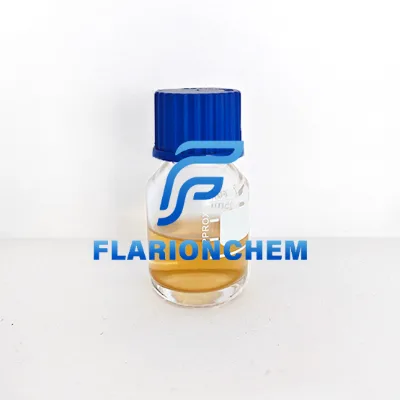
Procuring Diallyl Disulfide requires careful attention to its physical state, as market listings show conflicting data regarding whether the material appears as a yellow liquid or a white powder. Buyers must verify the specific physical form required for their synthesis or additive process, as the molecular formula C6H10S2 and CAS number 2179-57-9 correspond to the liquid variant, while other entries suggest solid forms with different identifiers. This distinction is critical because the handling protocols, storage requirements, and application suitability differ significantly between the liquid and solid states of the chemical.
Commercial availability often varies by origin, with primary supply chains emerging from Jiangsu, China, and general Chinese manufacturing hubs. Sourcing teams should expect a wide range of packaging options, from 200kg plastic drums and ISO tanks for bulk industrial needs to smaller 100g or 1kg bags for laboratory samples. The observed price range of 1 to 2800 USD reflects these volume disparities and the specific purity grades offered, necessitating a clear definition of quantity and form before initiating any supplier inquiry to ensure accurate cost modeling.
Product Scope and Observed Listing Signals
The product scope for Diallyl Disulfide extends primarily into food additives and pharmaceutical intermediates, where its specific chemical properties are leveraged for synthesis. Buyers should note that while the core molecule is consistent, suppliers may list synonyms or related identifiers like 110-81-6 or 624-92-0, which could indicate different isomers or related compounds. It is essential to cross-reference the CAS number provided in the listing with the intended application to avoid purchasing a chemically similar but functionally distinct substance that could compromise product quality.
Listing signals also reveal a diverse range of customization capabilities, with some suppliers offering OEM/ODM services while others provide non-customized stock items. The presence of "sample free 1kg" offers and varying shelf lives between six and twelve months suggests a market segment catering to both immediate testing needs and long-term inventory planning. Procurement professionals must distinguish between suppliers offering standard industrial grades and those providing specialized formulations, as the latter may require longer lead times or specific quality agreements to ensure consistency.
Technical Specifications to Verify
Technical verification begins with confirming the molecular weight of 146.26 and the exact molecular formula C6H10S2 to ensure the chemical identity matches the purchase order. Buyers must scrutinize the listed purity standards, which range from 99% to 99.5%, as even minor deviations can impact downstream reactions in pharmaceutical or food applications. It is advisable to request a Certificate of Analysis (CoA) that explicitly states the assay results against the claimed standard, rather than relying solely on the general purity percentage listed in the product summary.
Physical attributes such as appearance and color are critical for visual inspection upon receipt, with listings indicating both yellow liquids and white powders. Since the physical state can vary based on the specific CAS number or synthesis route, buyers should verify the physical state specification against their process requirements before finalizing an order. Additionally, the storage method is typically listed as normal, but the specific packaging material, whether metal drums or plastic containers, must be compatible with the chemical's reactivity to prevent degradation or contamination during transit.
Compliance and Safety Documentation
Compliance documentation is a non-negotiable aspect of sourcing Diallyl Disulfide, particularly given its use in food and pharmaceutical sectors. Buyers should insist on the presence of an MSDS (Material Safety Data Sheet) and ISO 9001 certification to verify that the supplier maintains a recognized quality management system. The absence of these documents should be treated as a red flag, as they provide the necessary safety data for handling, transport, and emergency response, ensuring that the chemical can be legally and safely integrated into the buyer's supply chain.
Safety verification also extends to the specific grade of the material, with some listings indicating "Pure Essential Oil Grade A" or "Industrial" quality. This distinction dictates the permissible applications, as industrial grades may contain impurities unsuitable for human consumption or medical use. Procurement teams must ensure that the certification documents explicitly state the grade and purity limits, confirming that the product meets the regulatory thresholds for the intended end-use, whether it be cosmetic raw materials, oral care chemicals, or organic chemical synthesis.
Cost Drivers and Commercial Terms
Cost drivers for Diallyl Disulfide are heavily influenced by the packaging format and the quantity ordered, with prices ranging from 1 to 2800 USD depending on the volume. Bulk purchases in 200kg drums or ISO tanks typically offer a lower unit cost compared to smaller 25g or 1kg packages, which are often priced higher to cover handling and logistics. Buyers should analyze the total landed cost, including shipping via ordinary goods trucks, to understand the true economic impact of different packaging choices on their overall procurement budget.
Commercial terms such as Minimum Order Quantity (MOQ) and delivery lead times vary significantly across suppliers, with observed MOQs ranging from 1 to 1000 units and delivery times as short as 3-5 days for stock items. The availability of stock versus custom production runs will directly affect the lead time and pricing structure, requiring buyers to balance urgency against cost efficiency. It is crucial to clarify whether the quoted price includes all packaging materials and if the supplier offers flexible delivery schedules to accommodate fluctuating production demands.
Supplier Qualification and Quality Control
Supplier qualification should prioritize those with a verified resource base in chemosynthesis and a clear track record of supplying organic chemical materials. The presence of specific brand names like Zhishang Chem and model numbers such as SAMREAL-0464 or zhishang-01 indicates established product lines, but buyers must verify the authenticity of these identifiers through direct communication. Relying on suppliers who explicitly state their supply type as OEM/ODM can provide additional assurance of their capability to meet specific quality and volume requirements.
Quality control processes must be validated through the supplier's adherence to standards like ISO 9001 and their ability to provide detailed test results. Buyers should request evidence of their quality control protocols, including how they manage the shelf life of 6 to 12 months and ensure the product remains stable under normal storage conditions. Establishing a clear quality agreement that defines acceptable variance in purity and physical appearance is essential to maintain consistency and prevent supply chain disruptions due to substandard batches.
Long-Term Procurement Checks
Long-term procurement success depends on regular audits of the supplier's ability to maintain consistent product standards and supply continuity. Buyers should monitor the stability of the observed price range and lead times, as fluctuations may indicate supply chain vulnerabilities or changes in raw material availability. Establishing a relationship with a supplier who can consistently deliver the required purity and physical state is more valuable than securing a one-time low price, as it ensures operational stability for critical applications.
Continuous verification of the supplier's certifications and compliance documentation is necessary to adapt to evolving regulatory landscapes in the food and pharmaceutical industries. Buyers should schedule periodic reviews of the supplier's quality control records and safety data sheets to ensure ongoing compliance with international standards. Proactive communication regarding any changes in production methods or packaging materials will help mitigate risks and ensure that the Diallyl Disulfide supply remains reliable and safe for long-term use.
FAQs
What is the molecular formula of Diallyl Disulfide?
The molecular formula is C6H10S2 with a molecular weight of 146.26. This chemical appears as a yellow liquid in industrial applications. It is commonly used as a food additive and pharmaceutical intermediate. The product originates from China and meets a standard purity of 99.5 percent.
How is Diallyl Disulfide packaged for shipment?
Packaging options include drums, ISO tanks, and plastic drums holding 200kg. Some suppliers offer smaller quantities like 100g, 1kg, or 25g bags. The packaging material can be metal or plastic depending on the specific order requirements. Standard industrial packing ensures safe transport of the liquid chemical.
Can I get customized Diallyl Disulfide from suppliers?
Customization is available for many industrial chemical orders. Some products are non-customized and follow standard specifications like 99 percent purity. Buyers can request specific packaging or grades such as pure essential oil grade A. OEM and ODM supply types are often supported by manufacturers in Jiangsu.
What certifications do Diallyl Disulfide suppliers hold?
Suppliers often hold ISO 9001 and ISO certifications for quality management. MSDS documents are also provided to ensure safety compliance. These certifications verify that the chemical meets international standards for industrial use. Buyers should verify specific certificates when sourcing from different factories in China.
What is the lead time for Diallyl Disulfide delivery?
Delivery times typically range from 3 to 5 days for stocked items. Some suppliers offer sample free 1kg quantities for quick evaluation. Lead times may vary based on order volume and specific packaging requirements. Buyers should confirm exact schedules with vendors before placing large industrial orders.
What is the shelf life of Diallyl Disulfide?
The shelf life generally spans between 6 to 12 months when stored normally. Proper storage methods are essential to maintain the chemical integrity of the product. This duration applies to the liquid form stored in drums or ISO tanks. Buyers should check expiration dates upon receipt of their specific batch.
Which applications use Diallyl Disulfide in industry?
Applications include food additives, pharmaceutical intermediates, and organic chemical materials. It is also used in cosmetic raw materials, hair care, and oral care chemicals. The product serves as a key component in respiratory system related formulations. Industrial grade quality ensures suitability for these diverse manufacturing sectors.