Source Diagnostic Screw Neck Vials for Lab Tests, Chemical Storage, and Sample Analysis
Compare 30 listings for Diagnostic Screw Neck Vials featuring glass construction, screw caps, and PTFE/silicone septa. Buyers can evaluate options for lab tests, chemical storage, and sample analysis with customization and OEM support available.
Key considerations
Products List


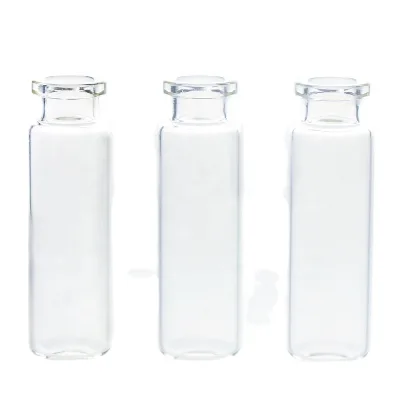
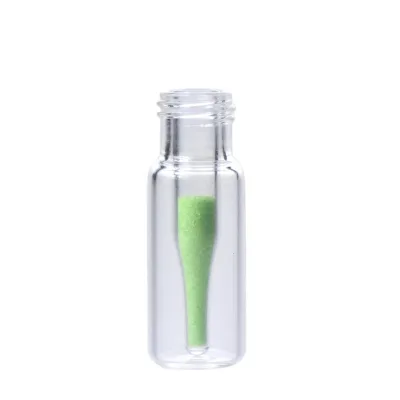


Comprehensive Sourcing Guide
Strategic Sourcing Guide for Diagnostic Screw Neck Vials
Understanding Technical Specifications and Material Integrity
When sourcing Diagnostic Screw Neck Vials, the primary focus must be on the precise alignment between the vial's physical attributes and the specific requirements of laboratory testing protocols. The market offers a diverse array of configurations, but the core keyword "Diagnostic Screw Neck Vials" implies a need for standardized neck finishes that ensure a hermetic seal with compatible caps. Based on current product observations, the most prevalent neck specifications include the 8-425 (8mm) and 9-425 (9mm) screw threads. These numerical designations refer to the diameter and thread pitch, which are critical for ensuring that the cap and the vial neck mate correctly without cross-threading or leakage.
The material composition is equally vital for diagnostic applications. The supplied data indicates a strong preference for glass, specifically USP Type 1 Borosilicate glass. This material is chosen for its high chemical resistance, thermal stability, and low leaching properties, which are non-negotiable for preserving sample integrity during storage and analysis. Buyers should verify that the glass meets USP Type 1 standards, as this classification guarantees the highest level of hydrolytic resistance. While some listings mention general "Glass" or "Borosilicate Glass," the specific mention of USP Type 1 suggests a premium tier suitable for sensitive diagnostic reagents and biological samples.
The shape and volume of the vials also vary significantly in the current inventory. Common configurations include round bottles with capacities ranging from 2ml to 5ml, with specific standard sizes noted as 12*32mm. The volume capacity must be matched to the sample volume required by the diagnostic assay to prevent headspace issues that could alter reaction kinetics. Furthermore, the presence or absence of graduation marks is a key differentiator. Many diagnostic vials are supplied without graduation to maintain a uniform internal volume and prevent user error in measurement, relying instead on the precise fill volume of the dispensing equipment.
Closure Systems and Sealing Mechanisms
The efficacy of a diagnostic vial is often determined by its closure system rather than the container itself. The "screw neck" designation necessitates a corresponding screw cap, yet the internal sealing mechanism is where the true performance lies. The observed market data highlights a variety of closure types, including rubber stoppers, silicone septa, and PTFE (Polytetrafluoroethylene) septa. For diagnostic applications, the combination of a screw cap with a PTFE/Silicone septa is frequently the standard. This dual-layer approach provides a self-sealing property that allows needles to penetrate the septum for sample withdrawal without compromising the seal or introducing particulate contamination.
Sealing types observed include both screw caps and rubber stoppers, but the specific "Screw Cap" with "PTFE/Silicone" septa offers superior chemical resistance and gas impermeability compared to simple rubber stoppers. The matching of the cap to the vial neck is critical; for instance, an 8mm screw cap is designed specifically for the 8-425 neck, while a 9mm cap fits the 9-425 neck. Mismatched components can lead to seal failure, sample evaporation, or contamination. Buyers must ensure that the supplier provides matched sets or clearly defines the compatibility matrix between their vial necks and available caps.
Additionally, the flexibility and hardness of the closure materials play a role in the user experience and long-term storage. The vials are generally described as "Hard," indicating rigid glass that maintains its shape under pressure, while the septa must possess enough flexibility to reseal after needle puncture. The "Screw Top" and "Bottle Top" attributes confirm the mechanical nature of the closure, which is essential for automated liquid handling systems used in high-throughput diagnostic laboratories. The ability to customize the logo printing with or without writing labels adds a layer of traceability, allowing laboratories to mark vials with batch numbers or patient identifiers directly on the cap or body.
Compliance, Certification, and Regulatory Standards
Navigating the regulatory landscape is a fundamental step in sourcing diagnostic vials, as these containers often come into direct contact with samples used for medical diagnostics. The supplied product facts explicitly mention certifications such as RoHS (Restriction of Hazardous Substances) and ISO (International Organization for Standardization). These certifications are not merely marketing labels but indicators of a supplier's adherence to international quality and environmental management systems. RoHS compliance ensures that the materials used in the vials and caps do not contain restricted hazardous substances, which is crucial for environmental safety and regulatory compliance in many jurisdictions.
ISO certification, while not specifying a particular standard number in the provided data, generally implies adherence to ISO 9001 for quality management or ISO 13485 for medical device quality systems. For diagnostic vials, the latter is often the benchmark for suppliers serving the healthcare sector. Buyers should verify the specific ISO standard held by the supplier, as it dictates the rigor of their quality control processes. The mention of "USP Type 1" glass further reinforces the regulatory standing, as USP (United States Pharmacopeia) standards are globally recognized benchmarks for pharmaceutical and diagnostic packaging materials.
Standardization of dimensions is another critical compliance aspect. The observed standards include specific dimensions like 11.6x32mm, 14.7x45.0mm, and 5ML capacity. While these are listed as product standards, they serve as a baseline for compatibility with existing laboratory equipment. Deviations from these standard dimensions can render the vials incompatible with automated pipetting stations or centrifuge rotors. Buyers must confirm that the "prod_standard" listed by the supplier aligns with the mechanical specifications of their laboratory infrastructure. Additionally, the "Disposable" attribute suggests that these vials are designed for single-use applications, which is a standard requirement in diagnostic settings to prevent cross-contamination between samples.
Cost Drivers and Procurement Economics
The cost structure of Diagnostic Screw Neck Vials is influenced by several factors, including material quality, customization options, and order volume. The observed price range in the market spans from $0.02 to $22 per unit, a wide disparity that reflects the difference between basic glass vials and specialized, certified diagnostic containers. The lower end of the spectrum likely corresponds to standard glass vials with minimal customization, while the higher end may include vials with specialized septa, USP Type 1 certification, or custom branding.
Minimum Order Quantity (MOQ) is another significant economic driver. The data indicates an MOQ range of 1 to 100,000 units. This flexibility allows buyers to scale their procurement based on their immediate needs. Small laboratories or research projects may start with an MOQ of 1 unit, often accompanied by a "Free Sample" offer, which is a common practice to validate product quality before committing to larger orders. Conversely, large-scale diagnostic manufacturers or distributors may leverage the high-end MOQ of 100,000 to negotiate better unit economics.
Customization is a primary cost variable. The availability of "OEM" (Original Equipment Manufacturer) support and "Customization" options means that buyers can request specific packaging, labeling, or even slight dimensional adjustments. However, these customizations often incur additional setup costs and may increase the MOQ threshold. The packing method, such as "PE Bag + Corrugated Carton" or "PP-Trays and Plastic Film," also impacts the final cost. More robust packaging solutions that offer better protection during transit will naturally be more expensive but are essential for preventing breakage and maintaining sterility.
Typical Applications and Usage Scenarios
Diagnostic Screw Neck Vials are designed for a variety of high-precision applications, primarily in chemical and laboratory settings. The observed usage categories include "Chemical," "Lab," "Lab Test," and "Laboratory." These broad terms encompass specific use cases such as sample collection, reagent storage, and analysis of biological fluids. The "Sample Vial" and "Diagnostic Vials" classifications highlight their role in the diagnostic workflow, where they serve as the primary vessel for holding patient samples before they are processed by automated analyzers.
The "Lab Test" application suggests that these vials are used in controlled environments where reproducibility and accuracy are paramount. The use of "USP Type 1" glass and "PTFE/Silicone" septa is particularly suited for applications involving volatile organic compounds or sensitive biological markers that could be compromised by interaction with the container walls. The "Clear" and "Amber" color options provide versatility; clear vials allow for visual inspection of the sample, while amber vials protect light-sensitive reagents and samples from UV degradation.
Furthermore, the "Disposable" nature of these vials aligns with the stringent hygiene requirements of modern diagnostic laboratories. Single-use vials eliminate the risk of cross-contamination between different patient samples, a critical factor in preventing false positives or negatives in diagnostic testing. The "Round Bottle" shape is ergonomically designed for easy handling and compatibility with standard rack systems, facilitating efficient workflow in high-volume testing environments.
Supplier Evaluation and Quality Control Protocols
Selecting a reliable supplier for Diagnostic Screw Neck Vials requires a rigorous evaluation process that goes beyond price and basic specifications. Buyers should prioritize suppliers who demonstrate transparency in their manufacturing processes and quality control measures. The presence of "RoHS" and "ISO" certifications is a positive indicator, but buyers should request documentation to verify the validity and scope of these certifications. Additionally, the ability to provide "Free Samples" is a strong signal of supplier confidence in their product quality, allowing buyers to conduct their own internal validation tests.
Quality control should extend to the physical inspection of the vials. Buyers must verify the consistency of the screw neck threads, ensuring that the 8-425 and 9-425 specifications are met with tight tolerances. The integrity of the septa is also crucial; it should be free from defects and provide a consistent seal. The "Matched Cap" attribute indicates that the supplier offers pre-matched sets, which simplifies the procurement process and reduces the risk of compatibility issues. However, buyers should still perform a fit-test to ensure that the caps seal securely and do not leak under pressure.
Packaging is another area where quality control is essential. The "PE Bag + Corrugated Carton" and "PP-Trays and Plastic Film" options offer different levels of protection. For long-distance shipping or storage in humid environments, the corrugated carton with internal trays is generally preferred to prevent crushing and moisture ingress. Buyers should also consider the "Packing" quantity, such as "100PCS/Pack," to ensure that the packaging is suitable for their inventory management systems and storage facilities.
Long-Term Procurement and Supply Chain Considerations
Establishing a long-term procurement strategy for Diagnostic Screw Neck Vials involves more than just securing a one-time supply. Buyers should consider the stability of the supply chain, the supplier's capacity to scale production, and the consistency of product quality over time. The "China" origin of the products suggests a robust manufacturing base, but buyers should verify the supplier's lead times and ability to meet demand during peak periods. The wide range of MOQs (1-100,000) indicates that suppliers are flexible, but buyers should negotiate terms that allow for incremental ordering without sacrificing cost efficiency.
Sustainability is becoming an increasingly important factor in procurement decisions. The "Recycled" attribute observed in some product listings suggests that some suppliers are incorporating recycled materials into their packaging or production processes. While the vials themselves are typically made of virgin glass for purity reasons, the packaging materials can be a target for sustainability initiatives. Buyers should inquire about the recyclability of the packaging and the supplier's environmental policies to align with their own corporate sustainability goals.
Finally, the potential for customization and OEM support offers a strategic advantage for buyers looking to differentiate their diagnostic services. The ability to add "Writing Label" or custom logos can enhance brand visibility and traceability. However, buyers must balance the benefits of customization with the potential for increased lead times and costs. A strategic approach involves maintaining a core inventory of standard vials for general use while keeping a flexible agreement with the supplier for custom orders when specific branding or specialized requirements arise. This hybrid model ensures operational continuity while allowing for strategic differentiation in the market.
FAQs
Can I get free samples of Diagnostic Screw Neck Vials before ordering?
Yes, free samples are available for Diagnostic Screw Neck Vials to help verify quality. This option allows buyers to test the USP Type 1 borosilicate glass and septa integrity before committing to larger orders.
What certifications do these glass vials typically hold?
These vials typically hold RoHS and ISO certifications to ensure safety and quality. The RoHS compliance confirms the absence of hazardous substances, while ISO standards indicate adherence to international management systems for medical and lab products.
Which screw cap specifications are compatible with these vials?
Compatible screw cap specifications include 8-425 and 9-425 neck finishes with PTFE or silicone septa. These matched caps ensure a hermetic seal suitable for diagnostic testing and prevent leakage during storage or transport.
How is the packaging configured for bulk orders of these vials?
Bulk orders are packaged in PE bags with corrugated cartons or PP trays with plastic film. This robust packing protects the fragile glass vials from breakage and maintains sterility during shipping to global destinations.
What is the minimum order quantity for custom branded vials?
The minimum order quantity ranges from 1 to 100,000 units depending on the customization level. While small batches can start with a single unit, custom logo printing or specific packaging may require higher volume commitments.
Can these vials be customized with specific volume capacities?
Yes, vials are available in standard capacities like 2ml and 5ml with options for customization. Buyers can select clear or amber glass and choose between screw caps or rubber stoppers to match specific laboratory requirements.
Where are these diagnostic vials manufactured and shipped from?
These Diagnostic Screw Neck Vials are manufactured and shipped from China. The origin location allows for competitive pricing and flexible lead times while ensuring the products meet international standards like USP Type 1 glass.