Source Diabetes Care Laser Wrist Watch for blood sugar, pressure, circulation
Compare 25 Diabetes Care Laser Wrist Watch models featuring laser and blue light therapy for improving blood circulation and tissue repair. These devices support OEM customization and offer adjustable treatment times for home use.
Key considerations
Products List


Laser Acupuncture Treatment Therapeutic Health Therapy Wrist Smart Watch
$129.00 - $169.00
MOQ: 1 Pieces


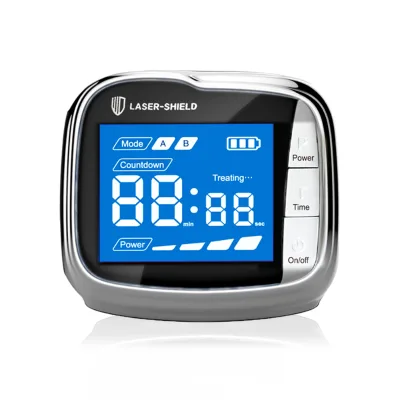
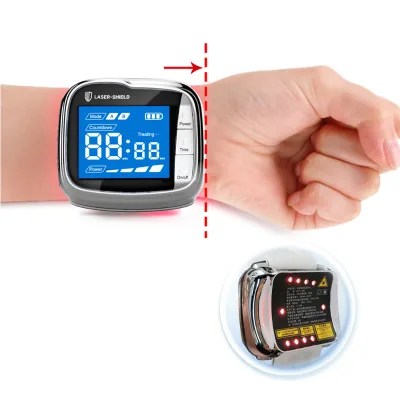
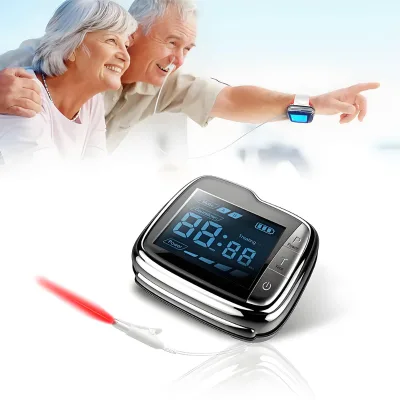
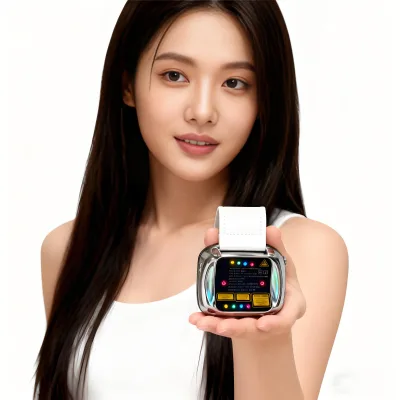
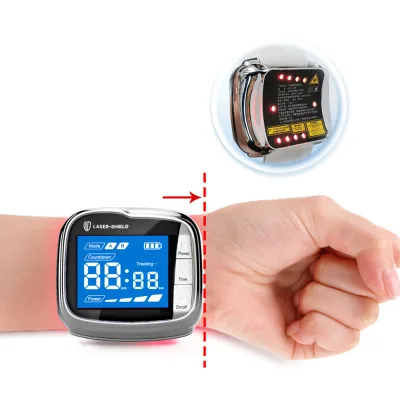
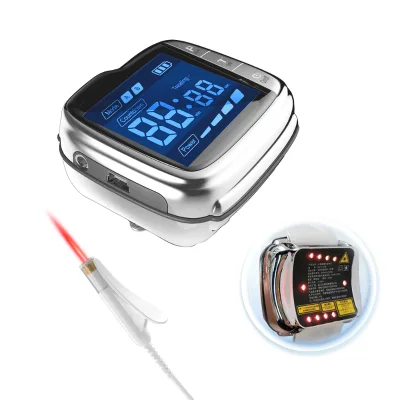
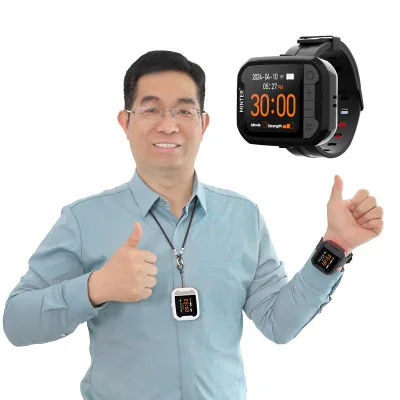
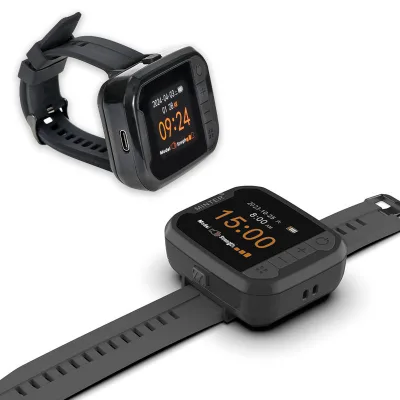
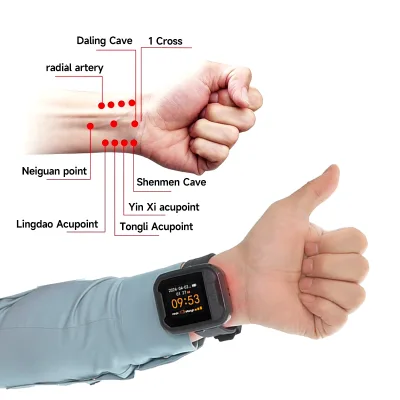
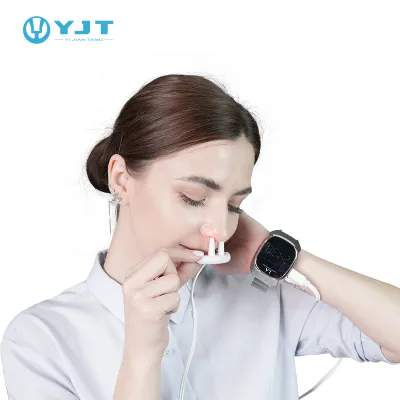

Semiconductor Laser Wrist Watch for Blood Pressure Lowering Fat Sugar
$642.05 - $1875.26
MOQ: 1 Pieces
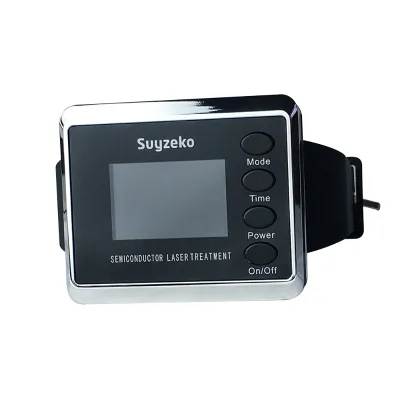
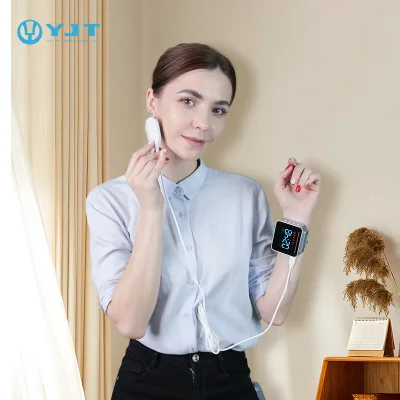
Comprehensive Sourcing Guide
Diabetes Care Laser Wrist Watch Sourcing Guide
The Diabetes Care Laser Wrist Watch represents a specialized category of low-level laser therapy (LLLT) devices designed for home-based wellness management. Based on observed market listings, these units typically integrate multiple therapeutic modalities, including red and blue light emission, to target specific physiological functions such as improving blood circulation and supporting tissue repair. Buyers should understand that these devices are marketed primarily for external use on adult and middle-aged populations, often featuring a "3-in-1" configuration that combines a wrist-worn laser module with optional nasal or air applicators for broader treatment coverage.
Procurement of these devices requires a clear distinction between wellness support and medical treatment claims. While product descriptions frequently list applications related to managing high blood sugar, high blood pressure, and high blood, the underlying technology relies on laser emission principles rather than pharmaceutical intervention. Sourcing professionals must verify that the intended use aligns with the device's classification as a home-use wellness tool, ensuring that marketing materials do not overstate clinical efficacy beyond the observed attributes of laser and blue light therapy for circulation and tissue health.
Product Scope and Observed Listing Signals
The observed product scope for this category centers on wearable devices that combine laser and blue light technologies, specifically utilizing wavelengths of 650nm and 450nm. Listings indicate a high degree of customization availability, with suppliers offering OEM and ODM support to tailor the device's appearance and functionality. The core unit is often described as a "3 in 1 Laser Wrist Watch" featuring a silver and black color scheme, with a fixed time range adjustable between 10 to 60 minutes to accommodate different user preferences and treatment protocols.
Buyers should note significant variations in the number of laser beams and the specific configuration of the terminal probes across different listings. Some observed models feature 10 laser beams specifically for the watch module and additional nasal cavity laser beams, while other listings suggest a total count of 26 laser beams, indicating a need to verify the exact configuration before finalizing an order. The product is generally packaged in a carton or gift box with dimensions around 19x12x13cm, and the device is powered by a 1600mAh lithium battery, allowing for portable operation independent of a constant power source.
Technical Specifications to Verify
Technical verification must begin with the laser emission parameters, as the therapeutic mechanism relies on specific wavelengths and output power. The observed data points to a laser medium of Gaa/as Semiconductor with an operating voltage of 3.0V, emitting at 650nm for red light and 450nm for blue light. Buyers should confirm the laser output power, which is listed in the range of 2-5mW per beam, and ensure that the total power output aligns with safety standards for home-use devices. The input voltage for the switching adapter is typically 100-240V, making the device compatible with international power grids, but the specific frequency requirements of 50-60Hz should be confirmed for the target market.
Environmental and operational constraints are critical for ensuring device longevity and user safety. The device is designed to operate within a temperature range of -20 to 40 degrees Celsius and a relative humidity below 85%, with an atmospheric pressure tolerance between 86kPa and 106kPa. Procurement teams must verify that the battery capacity of 1600mAh is sufficient for the claimed usage duration and that the fixed time range of 10 to 60 minutes is accurately implemented in the device's control logic. Additionally, the presence of an LCD display should be confirmed as a standard feature to allow users to monitor treatment time and status effectively.
Compliance and Safety Documentation
Compliance verification is paramount when sourcing medical-adjacent devices, as the market listings indicate the presence of FDA and ISO certifications alongside CE marking. Buyers must request current, valid certificates that explicitly cover the specific model number, such as GY-L2, to ensure the product has undergone the necessary regulatory scrutiny for its intended market. The presence of CE certification suggests compliance with European safety standards, while FDA listing implies a specific regulatory pathway in the United States, though the exact classification (e.g., Class I or II) must be confirmed through official documentation rather than product descriptions alone.
Safety documentation should also address the electrical and mechanical integrity of the device, particularly given the use of a lithium battery and laser components. The product standard is noted as involving metal, silicone, and laser materials, which requires verification of biocompatibility and electrical safety testing. Buyers should ensure that the supplier provides test reports confirming the device meets the required safety standards for low-level laser therapy, including checks on laser leakage, battery stability, and the durability of the wrist strap and nasal applicator attachments.
Cost Drivers and Commercial Terms
The cost structure for these devices is influenced by the complexity of the laser array, the inclusion of multiple applicators, and the level of customization requested. Observed price ranges vary significantly, from approximately $51.91 to $1875.26, reflecting differences in feature sets, packaging quality, and the extent of OEM branding. The minimum order quantity (MOQ) is observed to be as low as 1 set or 1 piece, which allows for small-batch testing and sampling, but buyers should be aware that unit costs may increase for very small orders compared to bulk procurement.
Commercial terms must clearly define the warranty and support obligations, as the observed warranty period is typically 1 year. Buyers should negotiate terms that cover battery replacement, laser diode failure, and general hardware defects, ensuring that the supplier provides a clear process for claims and repairs. The support for OEM and OED services adds value but may incur additional tooling or setup costs; these should be itemized separately to avoid hidden expenses in the final contract.
Supplier Qualification and Quality Control
Supplier qualification should focus on the manufacturing location and the consistency of their production processes. The observed product origin is listed as China, specifically Shenzhen, Guangdong, which is a major hub for electronics manufacturing. Buyers should verify the supplier's capacity to maintain consistent quality across batches, particularly regarding the laser diode alignment and the assembly of the wrist watch mechanism. The presence of ISO standards, such as ISO13485 for medical devices or ISO9001 for general quality management, should be confirmed as part of the supplier's quality management system.
Quality control protocols must include pre-shipment inspections that verify the physical attributes of the device, such as the color, dimensions, and the functionality of the LCD display. Since the product is designed for external use, the tactile quality of the silicone and metal components is essential for user comfort and compliance. Buyers should request a sample batch to test the device's performance under the specified environmental conditions and to ensure that the treatment time and laser output match the technical specifications provided in the product data sheet.
Long-Term Procurement Checks
Long-term procurement success depends on establishing a reliable supply chain that can support ongoing demand and potential product iterations. Buyers should monitor the supplier's ability to maintain the 1-year warranty coverage and their responsiveness to technical issues that may arise after the initial sales period. The availability of spare parts, such as replacement batteries or laser modules, should be confirmed to ensure that the product remains functional throughout its intended lifespan.
Continuous verification of regulatory compliance is necessary as standards evolve and market requirements change. Buyers should schedule periodic audits or reviews of the supplier's certification status to ensure that the FDA, CE, and ISO certifications remain valid and applicable to the specific model being sourced. Additionally, tracking market feedback on the device's performance in real-world settings will help identify any necessary design improvements or updates to the product specifications, ensuring the procurement strategy remains aligned with user needs and regulatory expectations.
FAQs
What are the laser specifications for this device?
The device features dual wavelengths of 650nm and 450nm blue light. It utilizes a Gaa/as Semiconductor laser medium with an output power of 2-5MW per beam. The unit includes 10 laser beams for the watch and 2 nasal cavity laser beams, providing a total of 26 laser beams for targeted application.
Can this laser wrist watch be customized for branding?
Yes, customization is available for this product. The manufacturer supports OEM and ODM services to accommodate specific branding requirements. Buyers can request tailored packaging options, including gift boxes or standard cartons, to meet their market needs while maintaining the core functional specifications of the device.
What certifications does the Diabetes Care Laser Wrist Watch hold?
The product holds FDA and CE certifications, ensuring compliance with international safety standards. It also adheres to ISOCE standards. These certifications verify the device's quality and safety for home use, providing buyers with confidence in the regulatory compliance of the sourced medical-grade laser equipment.
How is the device powered and what is the battery capacity?
The device is powered by a 1600mAh lithium battery. It also supports AC100-240V input via a switching adapter for charging. The laser operates at 3.0V, ensuring efficient energy use. This dual power capability allows for portable home use while ensuring reliable recharging through standard electrical outlets.
What is the minimum order quantity for this product?
The minimum order quantity is 1 set or 1 piece, depending on the supplier configuration. This low MOQ allows buyers to test the product with minimal initial investment. It facilitates easy sampling and small-batch procurement for market testing before committing to larger wholesale orders for distribution.
Where is this laser wrist watch manufactured?
The product is manufactured in Shenzhen, Guangdong, China. This location is a major hub for electronics and medical device production. Buyers sourcing from this region benefit from established supply chains and manufacturing expertise, ensuring consistent quality and reliable production capabilities for the laser wrist watch devices.