Source Diaphragm Compressor for Industrial Gas, Oil-Free, and High Pressure
Find 30 Diaphragm Compressor units with varying back pressure types, drive modes, and cooling methods. Buyers can compare specifications like flow rates, inlet pressures, and power sources to select the right equipment for industrial gas or flammable media applications; compare the available evidence and request quotations based on your requirements.
Key considerations
Products List


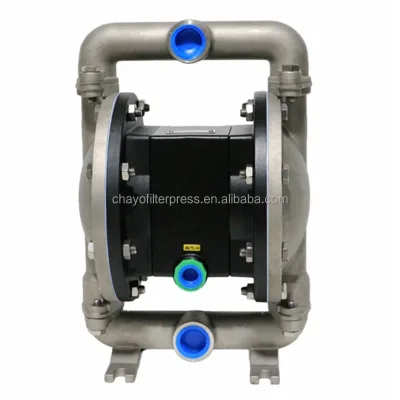
High Grade and Reliable Quality Diaphragm High Pressure Compressor for So2 Gas
$25000.00 - $42000.00
MOQ: 1 SET




Comprehensive Sourcing Guide
Diaphragm Compressor Sourcing Guide
Buyers must first distinguish between stationary reciprocating units and specialized diaphragm configurations, as the observed market data reveals distinct operational profiles. The product listings indicate a split between standard cast iron models designed for low back pressure applications and advanced stainless steel variants capable of handling high back pressure scenarios. This distinction is critical because the material choice directly impacts the compressor's ability to handle corrosive or flammable industrial gases without contamination.
Procurement decisions should also account for the specific drive modes and cooling requirements observed in the catalog. While some units utilize electric drives with standard air or water cooling, others feature electromagnetic drives and variable frequency capabilities for precise flow control. Understanding whether a facility requires oil-free lubrication or explosion-proof certification is essential before selecting a model, as these attributes define the safety envelope and maintenance frequency for the intended industrial application.
Product Scope and Observed Listing Signals
The observed product range spans from compact L-type and V-type reciprocating compressors to specialized diaphragm units with flow rates reaching up to 18,000 Nm³/H. Buyers should note that the listed models include specific structural types like the D-type, which are engineered for extreme pressure environments up to 100MPa. This wide spectrum suggests that sourcing strategies must be tailored to the specific pressure and flow demands of the project, as a single unit rarely satisfies all potential industrial requirements.
Listing signals also highlight significant variations in physical dimensions and power consumption, ranging from 7.5 Kw to 6,500 Kw. The standard export packaging and origin locations in Shandong, China, provide a baseline for logistics planning, but the customizability of dimensions and standards indicates that off-the-shelf solutions may not fit every installation footprint. Buyers must verify if the observed standard dimensions align with their site constraints or if they need to negotiate custom manufacturing parameters to ensure proper integration.
Technical Specifications to Verify
Verification of pressure limits and flow rates is the primary technical hurdle, as inlet pressures can range from 0.02 MPa to 3 MPa while outlet pressures extend up to 90 MPa. Buyers must confirm that the selected unit's pressure upper limit matches the process requirements, particularly for high back pressure applications where failure could be catastrophic. The flow control mechanisms, including bypass and VFD options, must be validated to ensure they can maintain stability across the observed 10 to 1,000 Nm³/H range.
Ambient temperature tolerance and cooling methods are equally critical for operational reliability in diverse environments. The data indicates units are rated for ambient temperatures between -50°C and +45°C, with options for both air and water cooling. Procurement teams must ensure the cooling water consumption, observed at 1,500 L/H for specific models, aligns with available utility infrastructure. Additionally, verifying the gas media compatibility is essential, as the compressors are designed for industrial, flammable, and explosive gases.
Compliance and Safety Documentation
Safety documentation must explicitly address the explosion-proof and non-explosion-proof configurations observed in the product listings. Buyers should request detailed certification for units intended for flammable gas media, ensuring that the PLC and control systems meet the specific safety standards required for the operating environment. The presence of variable frequency drives and electromagnetic drives adds complexity to the safety profile, necessitating a thorough review of electrical isolation and grounding protocols.
Lubrication style and material composition are key compliance factors, especially when handling corrosive or high-purity gases. The availability of oil-free lubrication in stainless steel models is a significant safety feature that prevents product contamination, but this must be verified against the specific gas media being compressed. Documentation should also confirm the structural integrity of the cast iron and stainless steel components under the extreme pressure conditions, ensuring that the design adheres to the relevant industry standards for high-pressure vessels.
Cost Drivers and Commercial Terms
The price range observed from 0.2 USD to 300,000 USD reflects the vast difference in complexity between basic stationary units and high-performance diaphragm compressors. Buyers should anticipate that costs will be driven primarily by the pressure rating, material grade, and the inclusion of advanced features like variable frequency drives or explosion-proof certifications. The wide MOQ range of 1 to 3,000 units suggests that economies of scale are significant, and single-unit purchases may carry a premium compared to bulk industrial orders.
Commercial terms must account for the customizability of the product, as many listings indicate that dimensions and standards can be tailored to specific needs. This customization often impacts lead times and final pricing, requiring clear agreements on the scope of work before production begins. Buyers should also consider the total cost of ownership, including the power consumption of units ranging from 30 to 200 kW, and the potential maintenance costs associated with high-pressure reciprocating mechanisms.
Supplier Qualification and Quality Control
Supplier qualification should focus on the manufacturer's ability to produce units with the specific material and structural attributes observed in the listings. Given the origin in Shandong, China, buyers must verify the supplier's track record in manufacturing high-pressure equipment and their adherence to the stated standards for dimensions and performance. The presence of both cast iron and stainless steel options requires the supplier to demonstrate proficiency in welding and material processing for different gas media applications.
Quality control protocols must include rigorous testing of the pressure limits and flow rates to ensure they meet the specified ranges. Buyers should request evidence of factory acceptance tests, particularly for units designed for high back pressure or explosive gas environments. The verification of the cooling water consumption and ambient temperature ratings is also necessary to confirm that the units will perform reliably under the specific site conditions where they will be installed.
Long-Term Procurement Checks
Long-term procurement strategies should prioritize the availability of spare parts and the supplier's capacity for ongoing technical support. The complexity of the drive modes and control systems, including PLC integration, means that maintenance requires specialized knowledge and potentially proprietary components. Buyers must establish a clear service agreement that covers the maintenance of variable frequency drives and the replacement of diaphragms or seals in high-pressure applications.
Monitoring the performance of the installed units against the initial specifications is essential for ensuring continued operational efficiency. Buyers should track metrics such as flow rate stability, pressure consistency, and energy consumption to detect any deviations that might indicate wear or component failure. Regular audits of the safety documentation and compliance status are also necessary to ensure that the equipment continues to meet the evolving regulatory requirements for handling industrial and explosive gases.
FAQs
What customization options are available for diaphragm compressors?
Customization is available for these diaphragm compressors to meet specific industrial needs. Buyers can request tailored configurations such as stationary setups or specific drive modes like electric or electromagnetic. This flexibility allows adaptation to varying pressure and flow requirements across different applications.
Which materials are used in the construction of these compressors?
These units are constructed using durable materials including cast iron and stainless steel. The choice of material depends on the specific model and application requirements, ensuring resistance to corrosion and high pressure. This robust construction supports reliable operation in demanding industrial environments.
Can these compressors operate in low back pressure applications?
Yes, these compressors are designed for low back pressure type applications. They also support high and intermediate back pressure types depending on the specific model configuration. This versatility allows them to handle a wide range of gas media and pressure conditions effectively.
What is the maximum outlet pressure these units can achieve?
The maximum outlet pressure can reach up to 90 MPa for certain models. Some specifications indicate a pressure upper limit of 100 MPa for specialized configurations. These high-pressure capabilities make them suitable for demanding industrial gas processing and transfer tasks.
How is the cooling method selected for these compressors?
The cooling method can be selected as either air cooling or water cooling based on operational needs. Specific models may require cooling water flow rates around 1500 liters per hour. This selection ensures optimal thermal management and consistent performance under various ambient temperature conditions.
What drive modes are available for these diaphragm compressors?
Available drive modes include electric and electromagnetic options for these units. Some models also support direct or belt drive methods. The choice of drive mode influences the overall efficiency and control capabilities, allowing integration with variable frequency drives for precise flow control.