Source Diamond Top Design Curtain Tiebacks for Windows, Living Rooms, and Festivals
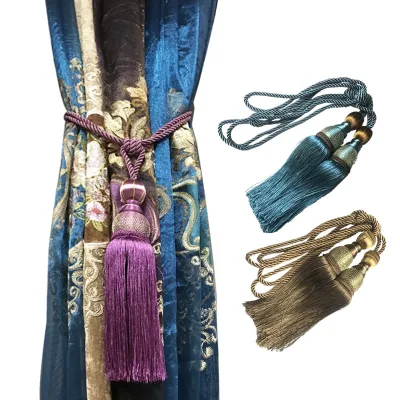
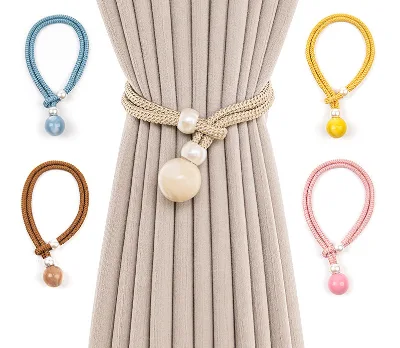
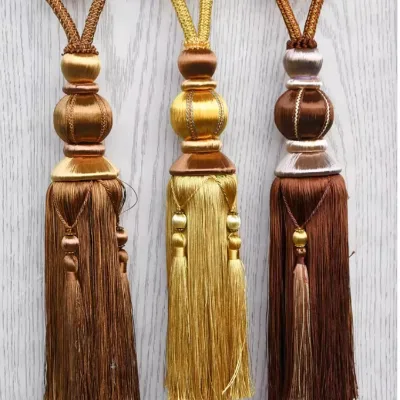
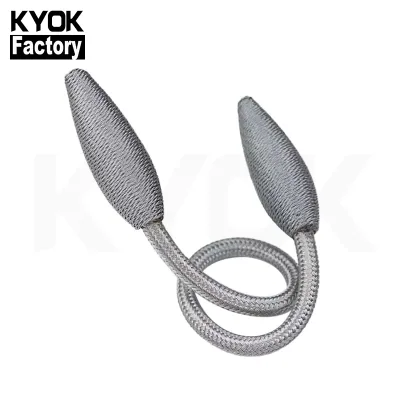
Find 30 options for Diamond Top Design Curtain Tiebacks suitable for windows, living rooms, and various festivals. Buyers can compare specifications like cord length, material, and customization features to select the right accessories for their needs.
Key considerations
Products List


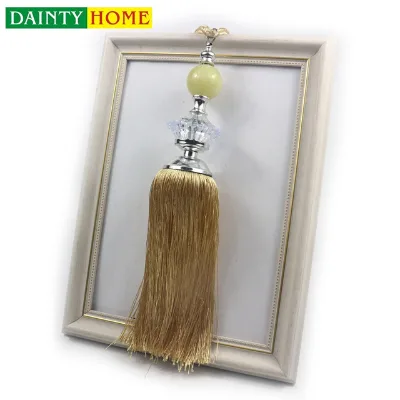
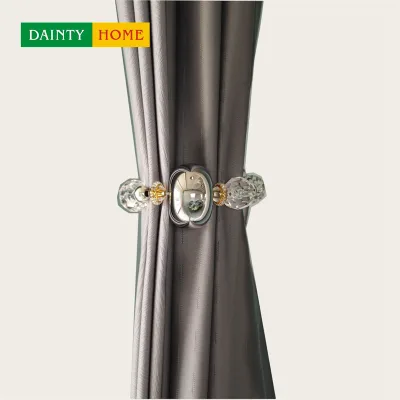
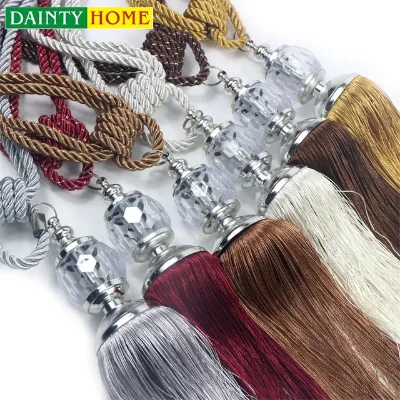
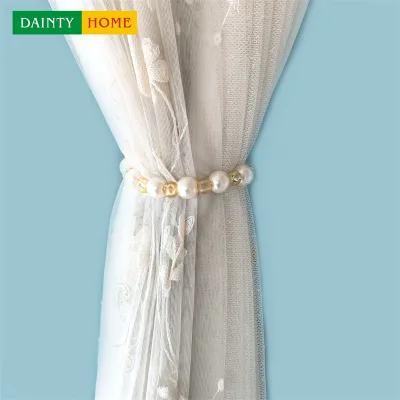
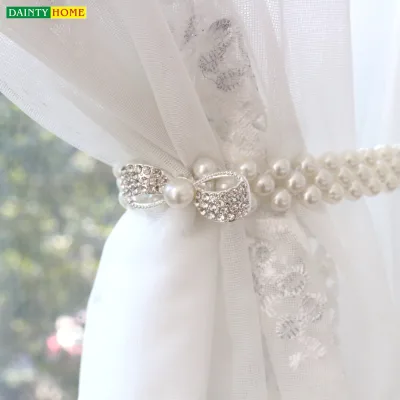
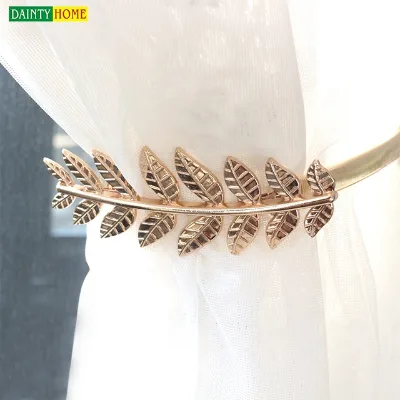
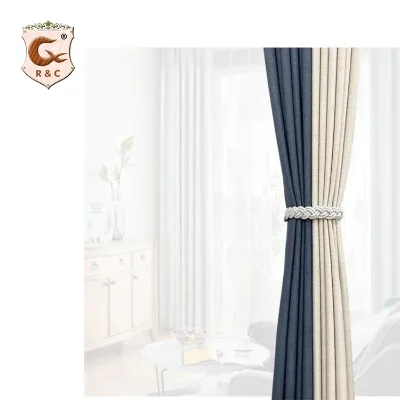
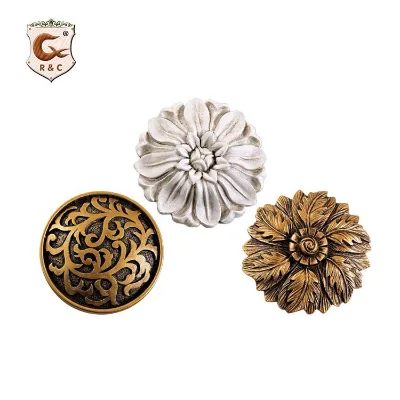

Modern Crystal Curtain Metal Tieback Tie Back Magnetic Curtain Tiebacks
$0.50 - $0.80
MOQ: 5000 Pieces

Modern Style Crystal Beaded Curtain Tie Back Tassel Curtain Holdback Rope
$0.50 - $0.80
MOQ: 5000 Pieces

Light Luxury New Design Metal Silver Color Curtain Tieback Fashion Curtain Holder
$0.50 - $0.80
MOQ: 5000 Pieces

Light Luxury Metal Gold Color Leaves Pattern Curtain Tieback Curtain Accessory
$0.30 - $0.80
MOQ: 5000 Pieces



Comprehensive Sourcing Guide
Strategic Sourcing Guide for Diamond Top Design Curtain Tiebacks
The global market for window treatments has seen a sustained shift toward aesthetic customization and functional simplicity, with curtain tiebacks serving as a critical component in modern interior design. Among the various styles available, the Diamond Top Design Curtain Tiebacks have emerged as a preferred choice for buyers seeking a blend of contemporary elegance and practical utility. This guide provides a comprehensive, evidence-based framework for procurement professionals researching this specific category. It focuses on interpreting product attributes, verifying compliance, understanding cost structures, and establishing robust supplier evaluation criteria without relying on unverified claims or speculative market data.
Technical Specifications and Design Attributes
When sourcing Diamond Top Design Curtain Tiebacks, buyers must first establish a clear understanding of the physical and functional specifications that define the product. The core keyword implies a specific geometric aesthetic, but the underlying technical data often varies significantly between suppliers. Based on observed product attributes, the material composition is frequently listed as polyester, a choice that balances durability with cost-effectiveness. This material selection allows for the creation of intricate designs, such as the "diamond top" mentioned in the core keyword, while maintaining flexibility for the user.
The dimensions of these tiebacks are critical for ensuring they fit specific curtain weights and window styles. Observed data indicates a range of cord lengths, with specific models showing measurements such as 30.6cm or 64cm. The total length of the assembly, including the decorative element and the cord, can extend to approximately 62.6cm. The decorative "diamond" element itself may vary in size, with some specifications noting a panicle length of 18.2cm. Buyers should verify the diameter of the tieback mechanism, as some listings indicate this dimension is "as customized," suggesting a need for precise communication with the supplier regarding the exact size required for the project.
Installation methods are another vital technical consideration. The market for these products often highlights "Nail Free" installation as a key feature, utilizing mechanisms like "Question Mark Style" hooks or direct buckles that require no punching. This attribute is particularly valuable for commercial projects or rental properties where wall damage must be avoided. The weight of individual units also varies, with observed data showing single-piece weights ranging from 86.5g to 0.1166kg. These figures are essential for logistics planning and determining the structural load requirements for the mounting surface.
Compliance and Certification Verification
In the B2B procurement landscape, compliance is not merely a formality but a prerequisite for market access and liability protection. For curtain tiebacks originating from manufacturing hubs in China, specifically regions like Zhejiang, buyers must rigorously verify certification status. The product attributes observed in the market frequently list certifications such as CE, ISO, and RoHS. However, it is crucial to treat these as observations rather than universal guarantees for every listed item.
The CE marking indicates conformity with health, safety, and environmental protection standards for products sold within the European Economic Area. The ISO certification suggests adherence to international standards for quality management, while RoHS (Restriction of Hazardous Substances) ensures the product does not contain specific hazardous materials. Buyers should request valid, up-to-date certificates of conformity from potential suppliers rather than relying on product descriptions alone. The absence of these certifications in a specific listing does not necessarily mean the product is non-compliant, but it does require immediate verification before proceeding with an order.
Furthermore, the "No Power Source" attribute confirms that these are passive mechanical devices, which simplifies compliance requirements regarding electrical safety. However, material safety remains a concern. Since the primary material is polyester, buyers should ensure that the dyes and finishes used, particularly for "Multicolour" or "Gold" variants, meet the RoHS standards for heavy metals and hazardous substances. The "Customized" nature of the product means that any changes to the material or finish could impact the existing certification status, necessitating a re-evaluation of compliance for custom orders.
Cost Drivers and Pricing Dynamics
Understanding the cost structure of Diamond Top Design Curtain Tiebacks is essential for budgeting and margin analysis. The observed price range in the market spans from $0.05 to $34.00 USD. This wide variance is not indicative of quality alone but reflects differences in customization levels, material quality, packaging, and order volume. The lower end of the spectrum typically corresponds to standard, off-the-shelf designs with minimal customization, while the higher end often includes bespoke designs, premium finishes, or complex packaging requirements.
The Minimum Order Quantity (MOQ) is a significant factor influencing the unit cost. Data indicates an MOQ range of 1 to 5000 pieces, with a common threshold of 500 pieces per color or 500 pairs per color. Ordering closer to the MOQ can significantly reduce the per-unit cost, but it also increases inventory risk. Buyers must balance the desire for lower unit prices with their storage capacity and sales velocity. Additionally, the "Customized" attribute often carries a premium. If a buyer requires specific dimensions, colors, or branding, the supplier may adjust the price accordingly.
Packaging also contributes to the overall cost. Standard packaging might be a simple OPP bag with 50 pairs per carton, while custom packaging could involve cartons with 80 pairs or specific branding. The single package size varies, with observations of 10x10.5x10 cm for compact units and 28x18x24 cm for larger or bulkier packages. These dimensions directly impact shipping costs, which are a hidden but substantial cost driver in international trade. Buyers should calculate the total landed cost, including freight, duties, and insurance, rather than focusing solely on the FOB price.
Typical Applications and Usage Scenarios
The versatility of Diamond Top Design Curtain Tiebacks makes them suitable for a wide array of applications. The product attributes explicitly list usage in "Window" and "Curtain" contexts, with specific applications for "Casement Window" styles. The "Contemporary" and "Modern" design styles align well with current interior trends in residential and commercial spaces. The "Recommended Room" data points to "Living Room" as a primary application, but the "Various festivals" occasion attribute suggests their utility in event decor and temporary installations.
The "Nail Free" and "Direct Buckle" features make these tiebacks particularly suitable for environments where wall integrity must be preserved. This includes hotels, rental apartments, and historic buildings where drilling is prohibited. The "Question Mark Style" hook provides a secure hold for heavy curtains, making them functional for both light and medium-weight drapery. The "Multicolour" and "Gold" options allow for customization to match specific interior color schemes, enhancing their appeal in high-end residential projects.
Buyers should also consider the "Single" type designation, which implies these are sold as individual units rather than pre-packaged sets. This flexibility allows for modular installation, where different tiebacks can be used for different windows within the same room. The "Cord length" variability ensures that the tieback can accommodate curtains of different thicknesses and weights, providing a tailored solution for diverse window treatments.
Supplier Evaluation and Sourcing Strategy
Selecting the right supplier is a critical step in the procurement process. Given that the product origin is listed as "China" and specifically "Zhejiang," buyers should focus on suppliers with a proven track record in this region. The "Place Of Origin" is a key indicator of the manufacturing ecosystem, which is well-established for textile and home accessory production. However, buyers must verify the supplier's capacity to handle "Customized" orders, as this requires a more flexible production line than standard mass production.
The "Sample" attribute, which notes that samples are provided freely, is a valuable tool for quality assessment. Buyers should always request samples before placing a bulk order to verify the "Diamond top" design, material quality, and finish. The "Shipment" lead time of 15 days is a standard benchmark, but buyers should confirm this timeline for custom orders, as customization can extend production time. The "Package" details, such as "80 pairs/ctn" or "50 pairs/ctn," should be verified to ensure they match the buyer's logistics requirements.
When evaluating suppliers, buyers should look for transparency in their certification claims. A supplier that readily provides CE, ISO, and RoHS documentation is more likely to be reliable. The "Brand Name" "Dainty home" appears in the data, but buyers should not assume that all products are branded or that the brand is the sole indicator of quality. Instead, focus on the supplier's ability to meet the specific technical and compliance requirements of the order. The "Selling Units" being "Single item" suggests that the supplier is capable of handling both small and large orders, but the MOQ must be respected to secure the best pricing.
Quality Control and Long-Term Procurement
Maintaining quality consistency is paramount for long-term procurement success. The "Weight" and "Single gross weight" specifications provide a baseline for quality control. Deviations from these weights can indicate issues with material density or packaging errors. Buyers should implement a quality control plan that includes random sampling of finished goods to verify dimensions, such as the "Cord length" and "Panicle length," against the agreed specifications.
The "Feature" of "No punching, direct buckle" must be tested for durability. Repeated use should not compromise the integrity of the buckle or the hook. For "Customized" orders, the buyer should define clear acceptance criteria for color matching and finish quality, as "Multicolour" and "Gold" finishes can vary significantly between batches. The "Design style" of "Contemporary" requires that the aesthetic remains consistent with current trends, which may necessitate regular updates to the product line.
Long-term procurement considerations include the stability of the supply chain and the supplier's ability to scale. The "MOQ" of 500 pieces per color suggests that the supplier is geared towards medium-to-large volume orders. Buyers planning for long-term contracts should negotiate terms that allow for flexible order quantities while maintaining cost efficiency. The "Shipment" lead time of 15 days should be factored into inventory planning to avoid stockouts. Additionally, the "Product Name" variations, such as "Curtain tassel" or "New Style curtain tieback," indicate that the product line may evolve, and buyers should stay informed about new developments to ensure their sourcing strategy remains relevant.
Conclusion
Sourcing Diamond Top Design Curtain Tiebacks requires a meticulous approach that balances aesthetic requirements with technical and compliance standards. By leveraging the observed product attributes, such as the "Nail Free" installation, "Polyester" material, and specific certification claims, buyers can make informed decisions. The wide price range and MOQ flexibility offer opportunities for cost optimization, but they also demand careful planning to avoid quality inconsistencies. Ultimately, successful procurement depends on thorough supplier evaluation, rigorous quality control, and a clear understanding of the product's intended applications. As the market continues to evolve, maintaining a focus on verified facts and evidence-based decision-making will ensure a sustainable and profitable sourcing strategy.
FAQs
What certifications do Diamond Top Design Curtain Tiebacks typically have?
These products often carry CE, ISO, and RoHS certifications. Buyers should verify valid certificates from suppliers rather than relying solely on descriptions, as customization can impact compliance status.
How are Diamond Top Design Curtain Tiebacks installed without nails?
They feature nail-free installation using question mark style hooks or direct buckles. This method prevents wall damage, making them suitable for rental properties and historic buildings where drilling is prohibited.
What is the minimum order quantity for these curtain tiebacks?
The minimum order quantity typically starts at 500 pieces per color or 500 pairs per color. Some suppliers may accept lower quantities, but standard thresholds help secure better unit pricing for bulk orders.
Can I get free samples for Diamond Top Design Curtain Tiebacks?
Suppliers frequently provide samples freely for quality assessment. Buyers should request samples to verify the diamond top design, material quality, and finish before committing to a larger bulk order.
What materials are used to make these curtain tiebacks?
The primary material is polyester, which balances durability with cost-effectiveness. This allows for intricate designs while maintaining flexibility, though buyers must ensure dyes meet RoHS standards for hazardous substances.
Where are Diamond Top Design Curtain Tiebacks manufactured?
These products originate from China, specifically the Zhejiang region. This area is a well-established manufacturing hub for textile and home accessory production, offering a robust ecosystem for sourcing.
What is the lead time for shipping these curtain accessories?
The standard shipment lead time is approximately 15 days. Buyers should confirm this timeline for custom orders, as specific customization requests may extend the production duration beyond the standard benchmark.