Source Diatomite for Filter Aids, Concrete, and Paper
Find 30 verified listings for Diatomite powder with varying mesh sizes and grades. Buyers can compare specifications, packaging options, and lead times from multiple Chinese manufacturers to find the right industrial or food-grade material for filtration, construction, and paper applications.
Key considerations
Products List


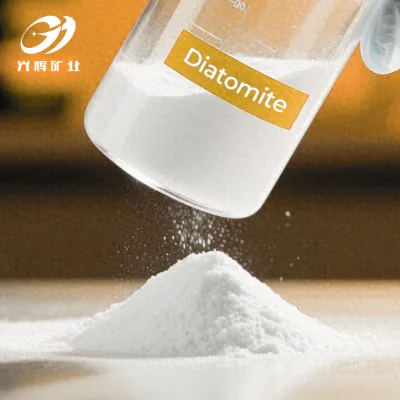


Premium Quality Filter Diatomaceous Earth Soil Diatomite for Agriculture
$300.00 - $580.00
MOQ: 20 Tons

Wholesale Bigger Manufacture Cheaper Diatomite Price Diatomite for Gardening
$300.00 - $580.00
MOQ: 20 Tons


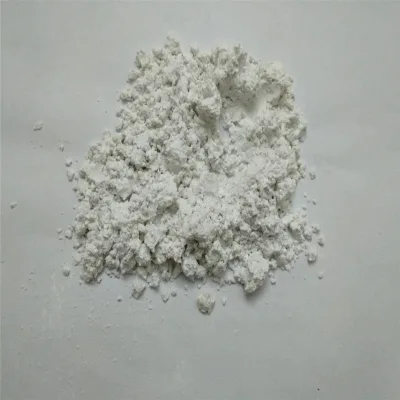
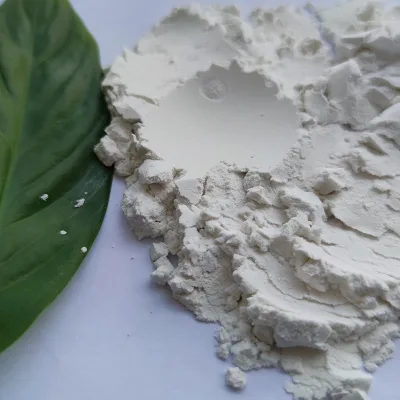

Factory Price Best Quality Agricultural Grade Diatomaceous Earth Diatomite
$220.00 - $360.00
MOQ: 10 Tons


Diatomaceous Diatomite Earth Filter Aid Powder Food Grade Diatomacous Earth
$220.00 - $360.00
MOQ: 10 Tons


Low Price High Grade Diatomite /Diatomaceous Earth Filter Aid for Industry
$220.00 - $360.00
MOQ: 10 Tons

Diatomite Powder Diatomaecous Earth Diatomite Filter Aid Kieselguhr Filtering Agent
$220.00 - $360.00
MOQ: 10 Tons
Comprehensive Sourcing Guide
Strategic Sourcing Guide for Diatomite Procurement
Understanding Product Specifications and Variability
Diatomite, also known as diatomaceous earth, is a naturally occurring, soft, siliceous sedimentary rock that is easily crumbled into a fine white to off-white powder. In the context of B2B procurement, understanding the specific technical attributes of the material is the first step toward a successful sourcing strategy. The core chemical component of this material is silicon dioxide (SiO2), which dictates its physical and chemical behavior in industrial applications. Buyers must recognize that while the base material is consistent, the processed product varies significantly based on the intended use case.
The physical appearance of the product is typically a white powder, though this can vary slightly depending on the purity and processing method. A critical attribute for procurement teams is the mesh size, which determines the particle size distribution. The supplied data indicates a wide range of standard specifications available in the market. Some listings reference a standard of 100-325 mesh, while others offer ranges extending from 160 mesh to 800 mesh. More specialized grades may be available with standards ranging from 200 mesh to 3000 mesh, or specific discrete sizes like 325 and 1250 mesh. When evaluating potential suppliers, buyers should not assume a single standard applies to all inventory. Instead, the procurement process must explicitly verify the mesh size required for the specific application, as particle size directly influences filtration efficiency, absorption rates, and flow properties.
Another vital specification is the grade of the material. The market offers both Industrial Grade and Food Grade Diatomite. Industrial grade products are generally optimized for applications such as chemical engineering, sewage treatment, and construction materials like concrete. In contrast, Food Grade products are subject to stricter purity requirements and are designated for use as filter aids in the beverage and food processing industries. The distinction between these grades is non-negotiable; using an industrial grade product in a food application can lead to severe regulatory violations and safety hazards. Buyers must request documentation confirming the grade classification before placing any order.
Compliance, Certification, and Regulatory Standards
Navigating the regulatory landscape is a fundamental component of sourcing Diatomite, particularly when the material is intended for sensitive applications. While the raw material is natural, the processing and final product must often meet specific international standards to ensure safety and quality. The supplied context highlights that certain suppliers may hold certifications such as CE and ISO 9001:2008. These certifications indicate that the supplier has implemented a quality management system and that the product may meet specific European conformity requirements. However, buyers must treat these certifications as observations of specific listings rather than universal guarantees for all Diatomite products.
It is essential to verify the validity of any claimed certification directly with the issuing body. For instance, while some background information mentions REACH, this should not be assumed as a standard feature of every listing without explicit confirmation from the supplier. Procurement teams should request current, valid certificates of analysis (CoA) and certificates of compliance (CoC) that align with the specific regulations of the destination country. If the product is intended for food or pharmaceutical use, additional regulatory checks, such as those required by the FDA or EFSA, may be necessary. The absence of a specific certification in a product listing does not necessarily imply non-compliance, but it does require the buyer to conduct a more rigorous due diligence process to ensure the product meets local legal requirements.
Furthermore, the origin of the product plays a role in regulatory compliance. The data indicates that products originate from China, specifically from regions like Hebei. While this is a major manufacturing hub, buyers should be aware that different regions may have varying environmental and labor standards. Ensuring that the supplier adheres to international labor and environmental standards is increasingly important for corporate social responsibility (CSR) goals. Buyers should include clauses in their contracts requiring suppliers to maintain compliance with relevant environmental regulations and to provide proof of adherence to these standards upon request.
Cost Drivers and Pricing Dynamics
The pricing of Diatomite is influenced by a complex interplay of factors, including raw material quality, processing complexity, packaging requirements, and logistics. The observed price range in the market spans from $0.52 to $580 per unit, a variance that reflects the diversity of product grades and specifications. This wide range underscores the importance of defining precise requirements before soliciting quotes. A low price point often corresponds to bulk industrial grade material with standard mesh sizes and minimal processing. Conversely, higher price points are typically associated with food-grade materials, specialized mesh sizes, or custom packaging solutions.
Minimum Order Quantity (MOQ) is another significant cost driver. The data shows MOQs ranging from 1 kilogram to 1 ton. For small-scale buyers or those testing new applications, suppliers offering an MOQ of 1 kg or even free samples can be advantageous, allowing for cost-effective product validation. However, larger buyers seeking to optimize unit costs should target suppliers with higher MOQs, as bulk purchasing often results in lower per-unit pricing. It is crucial to note that the MOQ can vary by product model; for example, some models may require a 1-ton minimum, while others are available in smaller quantities. Buyers must align their order volume with the supplier's MOQ to avoid unnecessary costs or order rejection.
Packaging also impacts the final cost. Standard packaging is typically 25 kg per bag, often made of woven material or polypropylene (PP) bags. Some suppliers offer 10-25 kg bags, 20 kg bags, or custom packaging solutions. Custom packaging, such as 1 metric ton per bag or specific customer-requested formats, often incurs additional charges. Additionally, the logistics cost is a hidden variable. The lead time for delivery ranges from 5 to 15 days, depending on the supplier and the specific product model. Longer lead times may require higher inventory holding costs, while expedited shipping can increase the overall procurement cost. Buyers should calculate the total landed cost, including packaging, shipping, and potential inventory carrying costs, rather than focusing solely on the unit price.
Typical Applications and Usage Scenarios
Diatomite is a versatile material with applications spanning multiple industries. Understanding these applications helps buyers select the correct product specification. One of the primary uses is as a filter aid in the chemical industry and for sewage treatment. In these scenarios, the material's high porosity and large surface area allow it to effectively trap particulates while maintaining flow rates. The specific mesh size is critical here; finer meshes provide better filtration but may reduce flow rates, while coarser meshes offer higher flow but less filtration precision.
In the construction and manufacturing sectors, Diatomite is used to improve the wear resistance of various products. It serves as a filler in paper, concrete, and model making. In concrete applications, it can enhance the material's durability and reduce weight. For paper manufacturing, it acts as a coating agent to improve opacity and printability. The "Effect" attribute noted in the data, which mentions improving wear resistance, is particularly relevant for buyers in the automotive, coatings, and plastics industries. When sourcing for these applications, buyers should verify that the SiO2 content and particle size distribution meet the specific performance requirements of their end product.
Another significant application is in the food and beverage industry, where Diatomite is used as a filter aid. This application requires Food Grade Diatomite, which must be free from impurities and contaminants. The purity of the material is paramount in this context to ensure the safety of the final consumable product. Buyers in this sector must prioritize suppliers who can provide Food Grade certification and rigorous quality control data. The versatility of Diatomite means that a single purchase order could potentially serve multiple departments within a company, provided the correct grade and specification are selected for each use case.
Supplier Evaluation and Selection Criteria
Selecting the right supplier is critical to ensuring a steady supply of high-quality Diatomite. The market features a variety of suppliers, some of which offer customization options, including OEM services and custom logos. The availability of customization suggests that suppliers are willing to adapt their products to meet specific buyer needs, which can be a significant advantage for companies with unique requirements. However, the presence of customization options should not overshadow the need for consistent quality and reliability.
Buyers should evaluate suppliers based on several key criteria. First, the ability to provide samples is a strong indicator of supplier confidence and transparency. The data indicates that samples are available, and in some cases, free samples are offered. This allows buyers to test the product's physical properties, such as color, texture, and mesh size, before committing to a large order. Second, the supplier's payment terms, such as T/T (Telegraphic Transfer), should be clear and aligned with the buyer's financial policies. Third, the lead time, which ranges from 5 to 15 days, must be compatible with the buyer's production schedule. Suppliers with longer lead times may pose a risk to supply chain continuity, especially if the buyer operates on a just-in-time basis.
Another important factor is the supplier's track record and reputation. While specific supplier names should not be recommended, buyers should look for evidence of a stable business history, such as consistent product models and long-standing certifications. The presence of multiple product models, such as RHB-1110MA, RHB-D, HB-D, and HB-DP01, suggests that the supplier has a diverse product portfolio and the capacity to meet different market demands. Buyers should also verify the supplier's ability to handle large volumes, as indicated by the 1-ton MOQ for some products. Finally, the supplier's responsiveness to inquiries and their willingness to provide detailed technical data are essential for building a successful long-term partnership.
Quality Control and Long-Term Procurement Considerations
Implementing a robust quality control (QC) process is essential for mitigating risks associated with Diatomite procurement. Buyers should establish clear acceptance criteria based on the product specifications, including mesh size, color, and grade. Regular sampling and testing should be conducted to ensure that the delivered product matches the agreed-upon standards. The use of a Certificate of Analysis (CoA) for each batch is a best practice, as it provides documented evidence of the product's quality and composition.
Long-term procurement considerations extend beyond the initial purchase. Buyers should aim to build a relationship with suppliers that allows for flexibility and scalability. This includes negotiating favorable terms for future orders, such as volume discounts or priority production slots. The availability of customization, such as custom packaging or logos, can also be leveraged to strengthen the buyer's brand identity. Additionally, buyers should monitor market trends and regulatory changes that could impact the availability or cost of Diatomite. For example, changes in environmental regulations or shifts in raw material costs could affect the supply chain.
To ensure long-term success, buyers should maintain open communication with their suppliers and conduct regular performance reviews. This helps to identify potential issues early and allows for proactive problem-solving. By focusing on quality, reliability, and strategic partnership, buyers can secure a stable supply of Diatomite that meets their operational needs and supports their business objectives. The diversity of product models and specifications available in the market provides ample opportunity for buyers to find a supplier that aligns with their specific requirements, provided they approach the sourcing process with diligence and a clear understanding of their needs.
FAQs
What is the standard mesh size for Diatomite?
Standard mesh sizes vary by product model, ranging from 100 to 325 mesh up to 200 to 3000 mesh. Buyers must verify the specific mesh requirement for their application, as particle size directly impacts filtration efficiency and absorption rates.
Can I get free samples of Diatomite powder?
Yes, free samples are available for certain product models like HB-DP01. Buyers should confirm sample availability and shipping terms with the supplier before placing a bulk order to validate the product quality.
What certifications do Diatomite suppliers typically hold?
Some suppliers hold CE and ISO 9001:2008 certifications for quality management. Buyers must verify the validity of these certificates directly with the issuing body to ensure compliance with specific destination country regulations.
How does the grade of Diatomite affect its usage?
Diatomite is available in Industrial Grade for construction and chemical engineering, and Food Grade for filter aids. Using the wrong grade can lead to regulatory violations, so buyers must request documentation confirming the specific grade classification.
What is the minimum order quantity for Diatomite?
Minimum order quantities range from 1 kilogram for testing to 1 ton for bulk industrial purchases. Buyers should align their order volume with the supplier's specific MOQ to avoid unnecessary costs or order rejection.
Which packaging options are available for Diatomite?
Standard packaging includes 25 kg bags, 20 kg bags, or 1 metric ton per bag. Custom packaging solutions are also available upon request, though they may incur additional charges depending on the supplier.