Source Diesel Chip Sealer Truck for Road Sealing and Pavement
Explore 30 available Diesel Chip Sealer Truck options designed for road sealing, pavement maintenance, and soil surface treatment. Buyers can compare specifications such as mixing methods, tank capacities, and chassis models to find the right equipment for their projects.
Key considerations
Products List


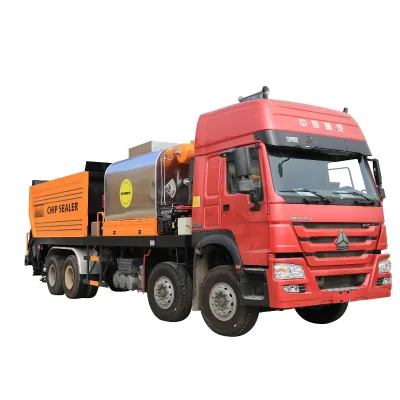
8*4 Chip Sealer Crushed Stone Seal Synchronous Chip Spreader Truck
$130012.82 - $178767.63
MOQ: 1 units
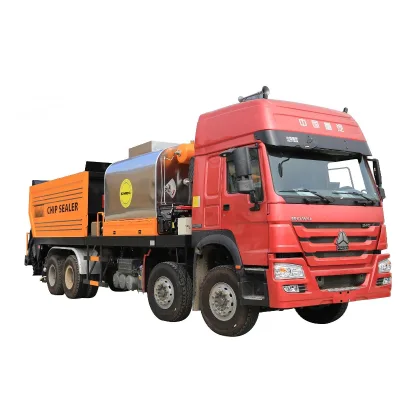


HOWO Construction Asphalt Rubber Chip Sealer Macadam Gravel Synchronous Truck
$45700.00 - $58700.00
MOQ: 1 Pieces


Intelligent Asphalt Synchronous Chip Sealer Truck for Asphalt and Aggregate
$24500.00 - $49850.00
MOQ: 1 Pieces

Customized Asphalt Seal Tanks Asphalt Synchronous Chip Sealer Sealing Machine Truck
$24500.00 - $49850.00
MOQ: 1 Pieces

HOWO 18-20cbm Asphalt Rubber Chip Sealer Bitumen Macadam Gravel Synchronous Seal Truck
$20000.00 - $120000.00
MOQ: 1 Pieces


HOWO 6X4 Synchronous Chip Sealer Truck for Bitumen Pavement Truck
$99000.00 - $100000.00
MOQ: 1 Pieces

HOWO 8X4 Chip Seal Truck for Synchronous Sealing Truck Road Project
$99000.00 - $100000.00
MOQ: 1 Pieces


Dongfeng 12cbm 12ton 14ton 12m3 Bitumen Gravel Spreading Chip Sealer Truck
$50000.00 - $70000.00
MOQ: 1 Unit

Sinotruk HOWO 8X4 12-Wheelers 20ton 20t 20m3 20cbm Chip Sealer Truck
$70000.00 - $90000.00
MOQ: 1 Unit

Sinotruk HOWO 4X2 14cbm 14m3 14ton Road Construction Synchronous Chip Sealer Truck
$50000.00 - $70000.00
MOQ: 1 Unit


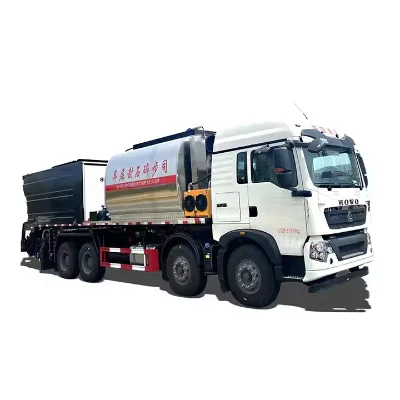
$16999.00 - $28900.00
MOQ: 1 sets
Comprehensive Sourcing Guide
Strategic Sourcing Guide for Diesel Chip Sealer Trucks
Understanding Core Technical Specifications and Operational Capabilities
When evaluating diesel chip sealer trucks for municipal road maintenance or private infrastructure projects, buyers must first distinguish between the various operational configurations available in the current market. The supplied product data indicates a significant divergence in mixing methods and moving types, which directly impacts the suitability of a unit for specific job sites. Some units are categorized as "Semi-Fixed" or "Mobile" asphalt distributors, while others function as "Sealing Machines" with "Intermittent Compulsory" mixing methods. This distinction is critical because a semi-fixed unit may require a dedicated staging area, whereas a mobile unit offers greater flexibility for remote or continuous road stretching.
The physical dimensions and weight of these vehicles are substantial, with observed specifications reaching 9800mm in length, 2500mm in width, and 3600mm in height. The gross weight of these units can range from 25,000kg to over 31,000kg, necessitating careful consideration of transport logistics and road weight limits. The chassis models identified in the market include the HOWO and Shacman platforms, which are known for their robustness in heavy-duty applications. Buyers should verify the engine model, such as the Wd615.47, and ensure the maximum engine power, observed at 213 Kw, aligns with the required torque for hauling heavy aggregate loads.
Capacity is another primary technical differentiator. The asphalt tank capacities observed in the supply data vary significantly, with options ranging from 6,000L to 9,000L, and some units listing a capacity of 8 cubic meters. Similarly, the aggregate bins, often referred to as stone boxes, show capacities between 8 cubic meters and 14,000 liters. The working speed for these machines typically falls between 3 and 6 km/h, which dictates the pace of the sealing operation. For buyers requiring high-volume throughput, the product capacity ranges of 40 to 400 tons per hour are relevant for the overall production line, though the individual truck's contribution depends on its specific tank and bin configuration.
Compliance, Certification, and Regulatory Standards
Navigating the regulatory landscape is essential for ensuring that a Diesel Chip Sealer Truck can be legally operated and maintained in the target jurisdiction. The supply data highlights specific certifications such as CE and ISO9001, which serve as indicators of manufacturing quality and safety compliance. However, it is important to treat these as observations of specific listings rather than universal guarantees for every unit. Buyers must verify that the CE marking corresponds to the specific machinery type and that the ISO9001 certification is current and issued by an accredited body.
Emission standards represent a critical compliance factor, particularly in regions with strict environmental regulations. The available data notes that emission standards are often "Optional," suggesting that buyers must explicitly request and confirm the emission class (e.g., Euro 4, Euro 5, or local equivalents) before finalizing a purchase. Relying on a unit with an unspecified or non-compliant emission standard can lead to operational bans or heavy fines. Furthermore, the "Condition: New" status is a common attribute, but buyers should demand proof of this status through manufacturing dates and inspection reports to avoid purchasing refurbished units sold as new.
The product standards listed in the data, such as dimensions like 9800x2500x3600mm or weight standards like 19,500kg, should be cross-referenced with local vehicle registration laws. These dimensions often dictate whether the vehicle requires special permits for transport on public roads. Additionally, the "Nude" or "Nude Packing" shipping method implies that the machine arrives without protective casing or accessories, requiring the buyer to budget for additional logistics and handling costs to ensure the equipment is not damaged during transit.
Cost Drivers and Pricing Structure Analysis
The pricing landscape for diesel chip sealer trucks is characterized by a wide variance, with observed listed prices ranging from $999 to $178,767.63 USD. This broad range suggests that the base price is heavily influenced by the specific configuration, capacity, and included features. The lower end of the spectrum may correspond to smaller, less automated units or those with minimal specifications, while the upper end likely reflects high-capacity models with advanced control systems, larger tanks, and premium chassis options.
Several key factors drive the final cost of these vehicles. First, the chassis model is a primary cost driver; units equipped with the HOWO or Shacman chassis may command a premium due to the availability of parts and the perceived durability of these brands. Second, the capacity of the asphalt tank and aggregate bin directly correlates with price. A unit with a 9,000L tank and 14,000L stone box will inherently cost more than a unit with 6,000L and 8m³ capacities. Third, the customization options available, as noted in the product attributes, can significantly alter the price. Buyers seeking specific modifications to the spraying mechanism, mixing method, or control interface should expect a price increase over standard configurations.
The Minimum Order Quantity (MOQ) is another financial consideration, with observed ranges from 1 to 999 units. While single-unit purchases are possible, bulk orders may offer negotiated pricing benefits. Buyers should also account for the "Nude" packing requirement, which may increase shipping and insurance costs if specialized crating is needed for international transport. Finally, the "Condition: New" status implies a higher initial investment compared to used equipment, but it often includes a warranty and reduced maintenance costs in the short term.
Typical Applications and Operational Scenarios
The versatility of diesel chip sealer trucks allows them to serve a variety of applications, primarily centered around road maintenance and surface treatment. The product attributes indicate that these machines are designed for "Asphalt Concrete Pavement" and "Soil Surface" applications. This dual capability makes them suitable for both the initial construction of paved roads and the maintenance of existing unpaved or gravel surfaces. The "Sealing Machine" type is specifically optimized for applying a layer of asphalt and aggregate to seal cracks and prevent water infiltration, extending the lifespan of the road.
The working speed of 3 to 6 km/h is ideal for precise application over long stretches of road, ensuring an even distribution of the sealing material. The maximum seal width of 3.8 meters allows the machine to cover a significant portion of the road width in a single pass, improving efficiency. The asphalt spraying amount, ranging from 0.2 to 3.0 kg/m², provides the flexibility to adjust the application rate based on the condition of the pavement and the specific requirements of the project. This adjustability is crucial for preventing over-application, which can lead to bleeding, or under-application, which fails to provide adequate protection.
For projects requiring the handling of larger aggregate sizes, the specification of "1-25mm" aggregate size indicates that these trucks can manage a wide range of stone textures. This makes them suitable for various climates and traffic loads. The "Continuous Drum" mixing method found in some models suggests a capability for high-volume, uninterrupted production, which is beneficial for large-scale infrastructure projects. Conversely, the "Intermittent Compulsory" mixing method may be preferred for smaller, more controlled applications where batch processing is necessary.
Supplier Evaluation and Verification Protocols
Selecting a reliable supplier for diesel chip sealer trucks requires a rigorous evaluation process that goes beyond the basic product listings. Buyers should prioritize suppliers who can provide transparent documentation regarding the "prod_origin," which is listed as Jiangsu, China, or generally China. Verifying the actual manufacturing location is essential to ensure that the supplier has direct control over the production quality and can provide timely after-sales support.
When evaluating a supplier, buyers must request detailed technical data sheets that confirm the "prod_model" numbers, such as DGL5251TFC-T385A or ZQZ5310TFC. These model numbers serve as unique identifiers for specific configurations. Buyers should also verify the "Condition: New" claim by requesting photos of the actual unit, including the engine serial number and chassis number, to ensure the equipment has not been previously used or modified. The "Customization: Available" attribute indicates that the supplier should be willing to tailor the machine to specific project needs, but this requires clear communication and written agreements to avoid scope creep.
Quality control is another critical aspect of supplier evaluation. Buyers should ask for evidence of the "ISO9001" and "CE" certifications, ensuring they are valid and applicable to the specific model being purchased. Additionally, suppliers should be able to provide test results or performance data that confirm the machine's ability to meet the specified "Asphalt Spraying Amount" and "Working Speed." The "Nude Packing" method requires the supplier to demonstrate their expertise in securing the equipment for transport, as any damage during shipping could render the machine inoperable upon arrival.
Quality Control and Long-Term Procurement Considerations
Ensuring the long-term reliability of a Diesel Chip Sealer Truck involves a proactive approach to quality control and maintenance planning. The "Automatic Grade" and "Continuous Drum" or "Intermittent Compulsory" mixing methods suggest that the machine relies on complex mechanical and hydraulic systems. Buyers should verify that the supplier offers comprehensive training for operators to ensure these systems are used correctly, minimizing the risk of mechanical failure.
Maintenance is a significant long-term cost driver. Buyers should inquire about the availability of spare parts, particularly for the chassis components like the HOWO or Shacman models, and the engine parts like the Wd615.47. The "Nude Packing" status means that the machine may arrive without protective covers, so buyers must plan for immediate protective measures to prevent corrosion or damage from the elements. The "Product Capacity" of 40 to 400t/h indicates that these machines are designed for heavy use, and a robust maintenance schedule is essential to maintain this throughput over time.
Finally, buyers should consider the "Emission Standard" implications for the future. As environmental regulations tighten, a machine with an optional or lower emission standard may face restrictions in certain markets. Investing in a unit with a higher emission standard now can prevent costly retrofits or early retirement of the asset. The "Gross Weight" and "Dimension" specifications should also be reviewed to ensure the machine remains compliant with future road regulations, as weight limits and size restrictions can change over the lifespan of the vehicle. By addressing these factors early, buyers can secure a reliable asset that delivers value over its entire operational life.
FAQs
What certifications do diesel chip sealer trucks typically have?
Many units listed carry CE and ISO9001 certifications to indicate manufacturing quality and safety compliance. Buyers must verify these certifications are current and issued by an accredited body for the specific model before purchase.
Which chassis models are commonly used for these trucks?
The HOWO and Shacman chassis models are frequently identified in the supply data for these heavy-duty vehicles. These platforms are selected for their robustness in hauling heavy aggregate loads and asphalt tank capacities.
Can buyers request customization for the asphalt spraying mechanism?
Yes, customization is available for specific project needs such as spraying mechanisms or control interfaces. Buyers should expect a price increase over standard configurations when requesting these specific modifications to the machine.
What is the typical working speed range for sealing operations?
The working speed for these machines typically falls between 3 and 6 km/h during operation. This pace dictates the efficiency of the sealing operation and ensures an even distribution of the sealing material over long road stretches.
How does the asphalt tank capacity vary across different models?
Asphalt tank capacities observed in the supply data vary significantly, ranging from 6,000 liters to 9,000 liters. Some units also list a capacity of 8 cubic meters, which directly influences the operational range between refills.
What packing method is standard for shipping these machines?
The standard shipping method is often Nude or Nude Packing, meaning the machine arrives without protective casing. Buyers must budget for additional logistics and handling costs to ensure the equipment is not damaged during transit.
Which aggregate sizes can these trucks handle effectively?
These trucks are specified to handle aggregate sizes ranging from 1 to 25 millimeters effectively. This capability makes them suitable for various climates and traffic loads requiring different stone textures for road surface treatment.