Source IP67 Aluminum Electronic Enclosure for Outdoor, Industrial, and Building Use
Find and compare 30 IP67 Aluminum Electronic Enclosure options from verified suppliers. These units feature waterproof and dustproof protection for outdoor electronic equipment, distribution metering boxes, and steel fabricated structures with customizable dimensions and finishes.
Key considerations
Products List


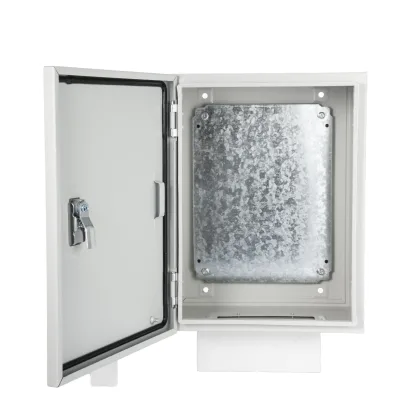


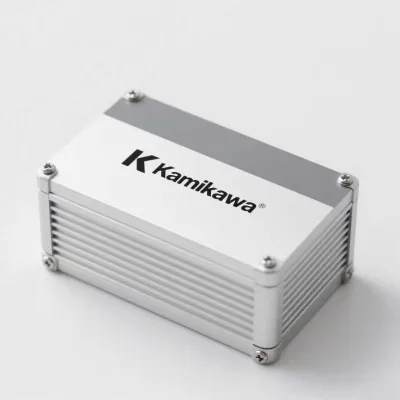


Comprehensive Sourcing Guide
Strategic Sourcing Guide for IP67 Aluminum Electronic Enclosures
Understanding Core Technical Specifications and Material Integrity
When sourcing an IP67 Aluminum Electronic Enclosure, the primary objective is to secure a housing that offers robust physical protection while maintaining thermal and electrical integrity. The term "IP67" denotes a specific level of ingress protection, where the "6" signifies complete protection against dust ingress and the "7" indicates the ability to withstand temporary immersion in water up to 1 meter for 30 minutes. However, the material composition is equally critical. In the context of aluminum enclosures, the alloy choice and surface treatment directly influence corrosion resistance and weight.
Based on observed product attributes, aluminum is the standard material of construction for these units. The surface treatment process is often a variable factor; buyers should verify if the enclosure undergoes custom finishing, such as powder coating or anodizing, to enhance durability. The structural dimensions are frequently customizable, with standard observed profiles ranging from compact units like 46190160mm to larger distribution boxes measuring 22815075mm. It is essential to note that while some models adhere to fixed standard sizes, many suppliers offer length customization, allowing the enclosure to fit specific internal component layouts. The internal structure often includes provisions for DIN rails, cable glands, and brackets, which are vital for organizing wiring and mounting electronic modules securely.
Compliance Verification and Certification Standards
In the B2B procurement of electronic enclosures, verifying compliance with international safety and environmental standards is non-negotiable. Buyers must ensure that the supplier provides valid documentation for certifications such as RoHS, CE, and ISO. These certifications indicate that the materials used are free from hazardous substances (RoHS), meet European safety requirements (CE), and adhere to quality management systems (ISO).
While specific test results for every unit are not always publicly listed, the presence of these certifications on the product page serves as a baseline indicator of compliance. For applications involving outdoor electronic equipment or high-rise buildings, the enclosure must also demonstrate resistance to environmental stressors. The observed product attributes highlight a "Function" rating that includes resistance to temperatures up to 80 degrees, which is a crucial specification for equipment operating in hot climates or near heat-generating components. Buyers should request specific test reports regarding thermal resistance and waterproofing to validate these claims, as the IP67 rating is a performance metric that requires rigorous validation against IEC 60529 standards.
Cost Drivers and Pricing Dynamics
The pricing of aluminum electronic enclosures is influenced by several distinct variables, including material costs, customization levels, and order volume. The observed price range for these products spans from $0.70 to $2,000, reflecting the vast difference between small, standard junction boxes and large, custom-fabricated distribution metering boxes. The lower end of the spectrum typically covers basic, off-the-shelf models with standard dimensions and minimal finishing. Conversely, the higher price points are associated with complex geometries, specialized surface treatments, and large-scale steel or aluminum fabrication projects.
Order volume plays a significant role in cost optimization. The Minimum Order Quantity (MOQ) varies widely, with some suppliers accepting orders as low as 5 pieces, while others may require volumes up to 10,000 units. For buyers requiring small batches for prototyping or pilot projects, the 5-piece MOQ is a favorable condition. However, for mass production, negotiating a lower unit price based on higher volume is standard practice. Additionally, the "Customization" attribute is a major cost driver. While standard silver or black finishes are generally more affordable, requests for custom colors or specific dimensions will incur additional tooling and setup costs. Buyers should also consider the "Selling Units" structure; some items are sold as single units, while others may require bulk purchasing for specific project solutions.
Typical Applications and Environmental Suitability
Aluminum IP67 enclosures are versatile components deployed across a wide array of industries. The primary application is for outdoor electronic equipment, where protection against rain, dust, and UV exposure is paramount. Specific use cases include distribution metering boxes for high-rise buildings, where reliability is critical for power management. The observed product attributes also list applications in steel-fabricated houses, cabins, garages, and leisure facilities, indicating suitability for both residential and commercial infrastructure.
Furthermore, these enclosures are utilized in diverse environments such as supermarkets, farmhouses, workshops, kitchens, and storage closets. The "Function" of being waterproof and dustproof makes them ideal for harsh industrial settings, including warehouses and staircases. The ability to withstand high temperatures (up to 80 degrees) expands their utility to applications involving heavy machinery or electronics that generate significant heat. Whether for a home office, a bathroom, or a school, the enclosure must provide a secure environment for sensitive electronic components. The "Project Solution Capability" offered by some suppliers, including 3D model design and cross-category consolidation, suggests that these enclosures are often part of larger, integrated systems rather than standalone products.
Supplier Evaluation and Service Capabilities
Selecting the right supplier involves more than just comparing prices; it requires a deep dive into their service capabilities and production flexibility. A reliable supplier should offer both OEM (Original Equipment Manufacturer) and ODM (Original Design Manufacturer) services, allowing buyers to brand the product or request custom design modifications. The "Service" attribute explicitly lists OEM and ODM, indicating that suppliers are equipped to handle custom branding and design requirements.
Location is another critical factor in supplier evaluation. Many aluminum enclosure manufacturers are based in Guangdong, China, or Zhejiang Wenzhou, regions known for their robust manufacturing ecosystems. Proximity to these industrial hubs can influence lead times and logistics costs. Buyers should verify the "Delivery Time" for mass production, which typically ranges from 7 to 25 days. This timeframe can vary based on the complexity of the customization and the current production load. Additionally, the "Project Solution Capability" is a strong indicator of a supplier's maturity. Suppliers that offer total solutions, including graphic design and 3D modeling, are better positioned to handle complex procurement needs than those offering only standard catalog items.
Quality Control and Long-Term Procurement Considerations
Ensuring consistent quality requires a proactive approach to quality control (QC) and long-term planning. The "Feature" of "Beautiful Appearance and Strong Performance" suggests that aesthetic and functional quality are prioritized, but buyers must establish clear acceptance criteria. Packaging is a key aspect of QC; observed products use carton packages or paper cartons, which must be robust enough to prevent damage during transit. For large orders, buyers should specify reinforced packaging requirements to ensure the enclosures arrive in pristine condition.
Long-term procurement considerations include the availability of spare parts and the consistency of the supply chain. The "Customization" attribute implies that once a specific design is approved, the supplier should be able to reproduce it consistently. Buyers should also consider the "Standard" dimensions and whether the supplier can maintain these tolerances over time. For projects requiring "Total Solution" capabilities, the ability to consolidate different categories of products from a single supplier can streamline logistics and reduce administrative overhead. Finally, verifying the "Operation Voltage" and "Form" (e.g., All-packaged Type) ensures that the enclosure is compatible with the intended electrical system, preventing costly integration errors.
Comparative Analysis of Enclosure Types
To assist in decision-making, the following table compares common variations of aluminum electronic enclosures based on observed attributes. This comparison highlights the differences in dimensions, applications, and customization options to help buyers select the most appropriate product for their specific needs.
| Feature | Standard Junction Box | Distribution Metering Box | Custom Fabricated Unit |
|---|---|---|---|
| Typical Model | HF-A-36, HF-A-119 | 800x600x200 | A-126, LY-FA10 |
| Dimensions | H25mmW25mmL80mm | 400300200 | 61111.5160MM (Customizable) |
| Primary Application | Outdoor Electronic Equipment | High-rise Buildings, Steel Fabricated Houses | Electronic Equipment, Warehouses |
| Material | Aluminum | Steel, Painted | Aluminum |
| Customization | Length customizable | Design Style: Modern | Color, Length, Surface Treatment |
| IP Rating | IP67 (Implied by context) | Waterproof | IP67 |
| MOQ | 5 PCS | Varies | 5 PCS |
| Certification | RoHS, CE, ISO | ISO | RoHS, CE, ISO |
This comparison underscores that while standard models offer immediate availability, custom units provide the flexibility needed for specialized projects. Buyers must weigh the trade-off between the speed of off-the-shelf procurement and the tailored fit of custom fabrication.
Final Procurement Recommendations
In conclusion, sourcing IP67 aluminum electronic enclosures requires a balanced approach that considers technical specifications, compliance, cost, and supplier reliability. Buyers should prioritize suppliers who can demonstrate valid certifications and offer flexible customization options. By understanding the cost drivers and evaluating the supplier's project solution capabilities, procurement teams can secure enclosures that meet both immediate operational needs and long-term strategic goals. Always verify the specific dimensions and surface treatments against project requirements before finalizing an order, as the "Length can be customized" attribute is a common feature that can significantly impact the final product fit. Through diligent evaluation and clear communication of requirements, buyers can ensure the successful integration of high-quality aluminum enclosures into their electronic systems.
FAQs
What certifications do ip67 aluminum electronic enclosures typically have?
These enclosures typically hold RoHS, CE, and ISO certifications. Buyers should verify valid documentation for these standards to ensure materials are free from hazardous substances and meet European safety requirements.
Can the dimensions of ip67 aluminum electronic enclosures be customized?
Yes, the length and size can often be customized to fit specific layouts. While standard models exist, many suppliers offer tailored dimensions to accommodate unique internal component arrangements.
What is the typical lead time for mass production of these enclosures?
Mass production usually takes between 7 to 25 days. This timeframe depends on the complexity of customization and the current production load of the supplier.
Which surface treatments are available for ip67 aluminum electronic enclosures?
Custom finishing options are available for these units. Buyers should verify if the enclosure undergoes specific treatments like powder coating or anodizing to enhance durability and appearance.
What is the minimum order quantity for ip67 aluminum electronic enclosures?
The minimum order quantity can be as low as 5 pieces for some suppliers. However, other vendors may require volumes up to 10,000 units depending on the specific product model.
Where are IP67 Aluminum Electronic Enclosure manufacturers primarily located?
Manufacturers are primarily located in Guangdong and Zhejiang Wenzhou, China. These regions are known for their robust manufacturing ecosystems and efficient supply chains for electronic components.
What customization services do suppliers offer for these enclosures?
Suppliers offer OEM and ODM services for branding and design modifications. This allows buyers to request custom colors, dimensions, and specific surface finishes for their projects.