Source Diesel Engine Bearing for Truck, Bus, and Generator
Find 30 Diesel Engine Bearing options for trucks, buses, and generators. Compare materials like iron, aluminum, and copper, along with casting and forging techniques. View OEM numbers, warranty terms, and shipping methods to select the right parts for your application.
Key considerations
Products List


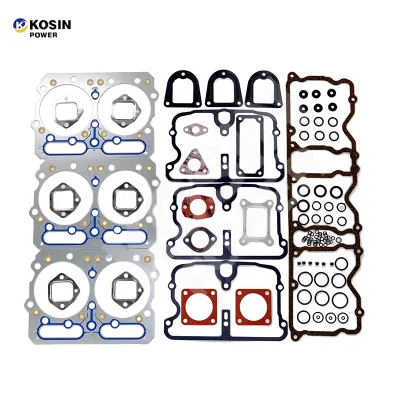


Cummins 3910739 Bearing for Cummins Engine Parts
$50.00 - $100.00
MOQ: 1 Pieces
Hefei Ruihuaxin Mechanical and Electrical Equipment Co., Ltd.


Comprehensive Sourcing Guide
Diesel Engine Bearing Sourcing Guide
Procuring diesel engine bearings requires careful attention to material composition and specific engine compatibility, as the supply chain offers diverse options ranging from iron and aluminum to copper alloys. Buyers must verify that the selected bearing material aligns with the thermal and load requirements of their specific diesel engine model, such as the 9df or 6D125 variants observed in current listings. The availability of customization allows for tailored solutions, but the core material integrity remains the primary determinant of performance under high-stress conditions.
Commercial listings indicate a wide price spectrum and minimum order quantities, necessitating a clear definition of volume needs before engaging suppliers. While some vendors offer single-piece minimums, others may require bulk orders up to 1000 units, directly impacting the total cost of ownership. Sourcing strategies should balance the immediate need for specific models like the NTA855 against the economic benefits of larger orders, ensuring that the chosen supplier can meet both the technical specifications and the logistical constraints of the project.
Product Scope and Observed Listing Signals
The market for diesel engine bearings encompasses a broad range of applications, including automobiles, buses, coaches, trucks, and marine vessels, reflecting the versatility of these critical components. Listings frequently highlight compatibility with heavy-duty equipment such as excavators and tractors, indicating that the product scope extends beyond standard passenger vehicles to industrial machinery. Buyers should confirm that the specific bearing type, such as crankshaft tiles or main bearings, matches the intended application to avoid compatibility issues in the field.
Observations of product attributes reveal significant variation in packaging and shipping methods, which can influence the final delivery timeline and condition of the goods. Suppliers offer standard packages, color boxes, or custom packaging options, alongside shipping via sea, air, or express services. This flexibility allows buyers to select logistics solutions that fit their urgency and budget, but it also requires a detailed review of the packing specifications to ensure the bearings remain protected during transit, especially for high-precision components like the durable automotive bearings found in the market.
Technical Specifications to Verify
Technical verification begins with confirming the engine model and specific part numbers, as listings show distinct identifiers like 6150-21-1490 or 04231079 that must match the original equipment manufacturer requirements. The manufacturing technics, including push, casting, and forging processes, directly affect the structural integrity and dimensional accuracy of the bearing. Buyers must ensure that the selected production method aligns with the performance demands of the diesel engine, particularly for high-load applications where forging or casting quality is paramount.
Dimensional specifications and standardization are equally critical, with many products adhering to standard sizes while others offer oversize or customized dimensions. The presence of specific model numbers like D2366 main bearing or NTA855 indicates a need for precise matching to the engine block and crankshaft geometry. Procurement teams should request detailed size charts and tolerance data to verify that the bearing will fit correctly without requiring modification, ensuring a seamless installation process and optimal engine performance.
Compliance and Safety Documentation
Certification status is a primary indicator of supplier reliability, with ISO 9001 and ISO standards frequently cited in product listings as evidence of quality management systems. While some entries mention specific material certifications, buyers must independently verify that the supplier holds valid, current certifications that apply to the specific batch of bearings being purchased. Relying solely on listed claims without requesting physical documentation can lead to compliance gaps, especially when sourcing components for critical safety applications in heavy machinery.
Safety and performance documentation should also include warranty terms and after-sales service commitments, which vary from three months to 1.5 years depending on the supplier. The availability of video outgoing inspections provides an additional layer of assurance, allowing buyers to visually confirm the condition of the product before shipment. These documents serve as a contractual safeguard, ensuring that the supplier stands behind the quality of the diesel engine bearings and is prepared to address any defects or performance issues that may arise post-delivery.
Cost Drivers and Commercial Terms
The cost of diesel engine bearings is influenced by multiple factors, including material type, manufacturing complexity, and the level of customization required. Listings show a price range from $0.09 to $1200, reflecting the diversity from standard components to specialized, high-performance units. Buyers must analyze the total cost of ownership, considering not just the unit price but also the impact of shipping methods, packaging requirements, and the minimum order quantity on the overall budget.
Commercial terms such as OEM customization and specific part number matching can significantly alter the pricing structure and lead times. Suppliers offering OEM services for models like H011/7 or 6D125 may charge a premium for the engineering and tooling involved in producing non-standard parts. Understanding these cost drivers helps procurement teams negotiate effectively, ensuring that they secure the necessary technical specifications without incurring unnecessary expenses for features that do not add value to their specific operational needs.
Supplier Qualification and Quality Control
Supplier qualification should focus on the geographic origin and production capabilities, with many listings indicating origins in Guangdong and Beijing, China. Buyers must assess the supplier's capacity to maintain consistent quality across different production runs, particularly when dealing with complex engine models like the NTA855. The presence of specific brand names like Kosin Power suggests established manufacturers, but due diligence is required to confirm that the specific facility meets the buyer's quality standards and production volume requirements.
Quality control processes, including video inspections and adherence to standard component specifications, are essential for mitigating the risk of receiving defective bearings. Suppliers should demonstrate a robust quality assurance system that covers material testing, dimensional verification, and final packaging checks. Buyers should request evidence of these processes, such as inspection reports or video records, to ensure that the diesel engine bearings meet the rigorous demands of their application before committing to a large-scale purchase.
Long-Term Procurement Checks
Establishing a long-term procurement relationship requires regular performance reviews and continuous verification of supplier compliance with agreed-upon standards. Buyers should track warranty claims and after-sales service responsiveness to ensure that the supplier remains reliable over time. The initial selection of a supplier based on a single transaction should be followed by a structured evaluation process that monitors delivery times, product consistency, and the ability to handle future customization requests.
Sustainability and supply chain resilience are also critical considerations for long-term planning, especially given the variability in lead times and shipping options observed in the market. Buyers should develop contingency plans that account for potential disruptions, such as changes in shipping routes or material availability. By maintaining open communication and regularly auditing supplier performance, organizations can ensure a steady supply of high-quality diesel engine bearings that support their operational continuity and safety standards.
FAQs
What materials are used for diesel engine bearings?
Diesel engine bearings are commonly manufactured from iron, aluminum, and copper materials. These materials are selected based on specific engine requirements and load conditions. The choice of material directly impacts durability and performance in heavy-duty applications such as trucks, buses, and marine engines.
Can diesel engine bearings be customized for specific models?
Yes, customization is available for diesel engine bearings to fit various engine models. Suppliers offer OEM customization services to match specific part numbers like 6150-21-1490 or H011/7. This ensures precise fitment for diverse applications including excavators, tractors, and generators, enhancing operational efficiency.
What certifications do Diesel Engine Bearing suppliers hold?
Reputable suppliers typically hold ISO 9001 certification for quality management systems. This certification ensures that manufacturing processes meet international standards for consistency and reliability. Buyers should verify these credentials to ensure the bearings meet safety and performance requirements for critical diesel engine components.
How is the warranty structured for diesel engine bearings?
Warranty periods for diesel engine bearings typically range from three months to one and a half years. Specific terms depend on the supplier and product type. Buyers should confirm warranty details before purchase to ensure coverage for defects and to understand the after-sales service support provided by the manufacturer.
What packaging options are available for diesel engine bearings?
Packaging options include standard packages, neutral packaging, and custom packaging such as color boxes. Suppliers may also offer Jinbao packaging for specific client needs. Proper packaging protects the bearings during sea, air, or express shipping, ensuring they arrive in pristine condition ready for installation in various engine types.
What is the minimum order quantity for diesel engine bearings?
The minimum order quantity varies, often starting from one piece or one set. Some suppliers may require up to one thousand units for certain custom specifications. Buyers should check specific supplier listings to determine the exact MOQ, as it depends on whether the order is for standard or customized parts.