Source Diesel Power Generator for Manufacturing, Energy, and Mining
Find 30 Diesel Power Generator units with options for fixed installation and low noise automation. Buyers can compare specifications including output voltage, cooling methods, and customization availability for manufacturing, energy, and mining applications.
Key considerations
Products List


Reliable High-Performance Diesel Generators for Continuous Power Supply
$1499.00 - $12999.00
MOQ: 1 PC


Diesel Super Silent Generator Diesel Engine Generator Diesel CNG Generator
$5000.00 - $30000.00
MOQ: 1 Sets


Power Generating Sets 5kw Diesel Engine Generator Electric Generator 15kw
$298.89 - $330.72
MOQ: 10 Pieces


Comprehensive Sourcing Guide
Strategic Sourcing Guide for Diesel Power Generators
Understanding Technical Specifications and Variability
When sourcing diesel power generators, buyers must first navigate a complex landscape of technical specifications that vary significantly between product listings. The available data indicates a wide spectrum of capabilities, ranging from micro-computer controlled automatic units to large-scale industrial installations. A critical observation in the current market is the diversity in excitation modes; some units utilize AC rotating exciters, which are often preferred for their reliability in continuous operation, while others may employ different mechanisms depending on the specific model architecture.
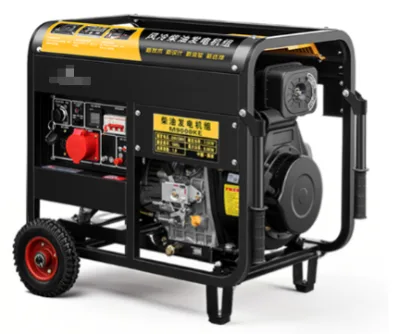
Cooling methods represent another pivotal specification that dictates the operational environment of the generator. The market offers both water-cooled and air-cooled variants. Water-cooled systems are typically associated with higher power densities and are essential for applications requiring sustained high-load performance, whereas air-cooled units are often found in smaller, portable, or low-noise configurations. Buyers must verify the cooling method against their intended site conditions, as ambient temperature and ventilation availability directly impact the efficiency and lifespan of the engine.
Voltage ratings also exhibit substantial variation across the supply base. Listings indicate compatibility with a broad range of voltages, including 220V, 400V, 440V, 6300V, 6600V, 11000V, and 13800V. This range suggests that suppliers cater to both low-voltage commercial applications and high-voltage industrial grid connections. The rated power specifications further highlight this diversity, with observed units ranging from 10kW/12kVA models to 100kW/125kVA units. The rated current for these models varies accordingly, with specific examples showing 35A for smaller units and 180A for larger capacity machines. Frequency is generally standardized at 50Hz or 60Hz, but this must be confirmed for every specific order to ensure grid compatibility.
Compliance, Certification, and Standard Verification
Navigating the regulatory landscape is essential for any B2B procurement of diesel generators. The presence of CE certification in the observed data suggests that certain manufacturers adhere to European safety and environmental directives, which is a strong indicator of quality control. However, buyers should not assume that all listed products automatically possess this certification. It is imperative to request valid certification documents for each specific unit before finalizing a purchase.
Beyond general certifications, specific product standards and physical specifications provide a framework for quality assessment. One observed standard references a weight of 800KG, while another lists dimensions of 280011002100mm with a weight of 1750KG. These figures are not universal; they apply to specific models such as the ALD-C30S. Buyers must treat these numbers as observations of specific listings rather than industry-wide baselines. When evaluating a supplier, request the technical data sheet that explicitly states the weight, dimensions, and material standards for the exact model being procured.
Gas purification systems also play a role in compliance, particularly for units designed to handle specific fuel types or environmental conditions. The market offers both wet type and dry type gas purification systems. The heat value of the gas handled by these units is noted to be higher than 1100-1300kcal/Nm³. This specification is critical for engines designed to run on alternative fuels or specific gas mixtures. Buyers must verify that the generator's engine design matches the fuel quality and purification requirements of their site to prevent operational failures or excessive emissions.
Cost Drivers and Pricing Dynamics
The pricing structure for diesel power generators is influenced by a multitude of factors, resulting in a wide observed range from approximately $298.89 to $900,000. This vast disparity is not arbitrary but reflects differences in capacity, complexity, and included features. The minimum order quantity (MOQ) is relatively flexible, with observed ranges between 1 and 10 units, allowing for both single-unit procurement for remote sites and bulk purchasing for large infrastructure projects.
Several key cost drivers emerge from the technical specifications. First, the power output is a primary determinant; a 100kW unit will naturally command a higher price than a 10kW unit. Second, the level of automation significantly impacts cost. Units described as "Micro-Computer Control Automatic" with features like "Low Noise Automation Type" and "Famous Brand PLC" integration will be priced higher than basic diesel generators. The inclusion of advanced control systems enhances reliability and ease of operation but adds to the initial capital expenditure.
Packaging and logistics also contribute to the total cost of ownership. The market offers various packaging options, including standard packages, ISO containers, and reinforced plastic film. For international shipments, the choice between standard packaging and ISO containers can affect freight costs and insurance premiums. Additionally, the origin of the product, with specific mentions of Jiangsu and Weifang in China, influences the pricing based on local manufacturing costs and export logistics. Buyers should analyze the total landed cost, including shipping, insurance, and customs duties, rather than focusing solely on the unit price.
Typical Applications and Industry Suitability
Diesel power generators are versatile assets deployed across a wide array of industries. The observed data highlights their suitability for manufacturing plants and the energy & mining sectors. These industries require robust power solutions capable of handling heavy loads and harsh environments. The "Common Units" and "Standby Unit" classifications indicate that these generators are designed for both primary power generation and emergency backup scenarios, ensuring business continuity during grid failures.
The "Low Noise" attribute is particularly relevant for applications in residential areas, hospitals, or urban centers where sound pollution is a concern. Units labeled as "Low Noise Automation Type" are engineered to minimize acoustic impact while maintaining high performance. Furthermore, the "Thermal and Power Application" usage suggests that these generators can be integrated into combined heat and power (CHP) systems, maximizing energy efficiency by utilizing waste heat for industrial processes or heating.
The production rate of 100-10000nm3/Hr per unit, while seemingly specific to gas processing, indicates the scale of operations these systems can support. This range suggests that the generators can power large-scale industrial facilities or serve as the backbone for significant energy infrastructure projects. Buyers should match the generator's capacity and noise profile to the specific demands of their site, considering factors such as load profiles, environmental regulations, and the criticality of the power supply.
Supplier Evaluation and Service Capabilities
Selecting the right supplier involves more than just comparing product specifications; it requires a thorough evaluation of the supplier's service infrastructure and global reach. The availability of "Engineers Available to Service Machinery Overseas" is a critical differentiator. For international buyers, having access to technical support and on-site service in remote locations can prevent prolonged downtime and reduce operational risks. This service capability is often a key selling point for suppliers targeting global markets.
The presence of showrooms in countries such as the Philippines, Indonesia, Russia, and Thailand indicates a supplier's commitment to regional presence and local market understanding. These physical locations can serve as verification points for product quality and allow buyers to inspect units before purchase. Additionally, the provision of a "Machinery Test Report" is a strong indicator of a supplier's transparency and confidence in their product's performance. Buyers should request these reports to verify that the generator meets the stated specifications for power output, voltage stability, and fuel efficiency.
When evaluating suppliers, buyers should also consider the customization options available. The "Available" customization status suggests that suppliers are willing to adapt their products to meet specific client requirements, such as unique voltage configurations, specialized cooling methods, or custom branding. This flexibility is invaluable for projects with non-standard requirements. However, buyers must ensure that any customizations do not compromise the unit's compliance with international standards or warranty terms.
Quality Control and Long-Term Procurement Considerations
Ensuring long-term reliability requires a rigorous approach to quality control. The "Stroke" specification, with "Four Stroke" engines being a common observation, is a fundamental aspect of engine design that affects efficiency and emissions. Buyers should verify that the engine design aligns with their environmental and performance expectations. Furthermore, the "Installation Method" being "Fixed" implies that these units are designed for permanent or semi-permanent installations, requiring careful site preparation and foundation planning.
Packaging standards, such as "ISO Containers" and "Reinforced Plastic Film," play a crucial role in protecting the equipment during transit. Buyers should ensure that the packaging is robust enough to withstand the rigors of international shipping, especially for units destined for remote or challenging environments. The "Standard Package" option may be sufficient for domestic or short-distance shipments, but international orders often require enhanced protection.
Long-term procurement considerations also include the availability of spare parts and the longevity of the product. The "Famous Brand PLC" feature suggests the use of high-quality control components that are likely to have a long service life and easy availability of replacement parts. Buyers should inquire about the warranty period, the availability of maintenance kits, and the supplier's track record for supporting their products over the long term. By focusing on these factors, buyers can secure a reliable power solution that minimizes downtime and maximizes return on investment over the lifespan of the equipment.
FAQs
What cooling methods are available for diesel power generators?
Both water-cooled and air-cooled systems are available depending on the model. Water cooling suits high-load continuous operation, while air cooling is common for smaller or low-noise units.
Which certifications do these diesel power generators hold?
Some units carry CE certification indicating compliance with European safety directives. Buyers must verify specific certification documents for each model before purchase to ensure regulatory adherence.
Can buyers customize the specifications of these generators?
Yes, customization is available for specific client requirements. Suppliers can adapt voltage configurations, cooling methods, or branding, provided the changes do not compromise international standards or warranty terms.
How is the voltage rated for these diesel power generators?
Voltage ratings vary widely to suit different applications. Options include 220V, 400V, 440V, and high-voltage options up to 13800V for industrial grid connections.
What is the typical MOQ for ordering these generators?
The minimum order quantity ranges from 1 to 10 units. This flexibility allows for single-unit procurement for remote sites or bulk purchasing for large infrastructure projects.
Which industries commonly use these diesel power generators?
These units are suitable for manufacturing plants and the energy and mining sectors. They serve as common units, standby units, or emergency crew power sources.
Are engineers available for overseas service of these generators?
Yes, engineers are available to service machinery overseas. This service capability is critical for international buyers to prevent prolonged downtime in remote locations.