Source Diesel Piston for Hino H07CT for Excavator Truck Car
Compare 30 Diesel Piston for Hino H07CT options from verified suppliers. View specifications like bore size, material, and OEM numbers to find the right part for your Hino engine needs.
Key considerations
Products List

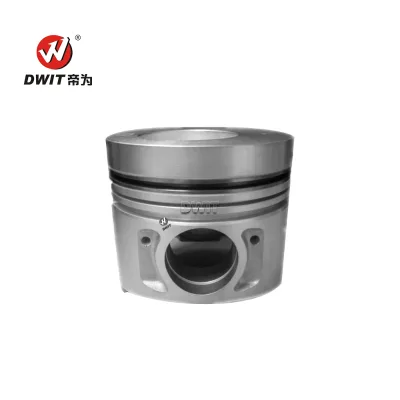
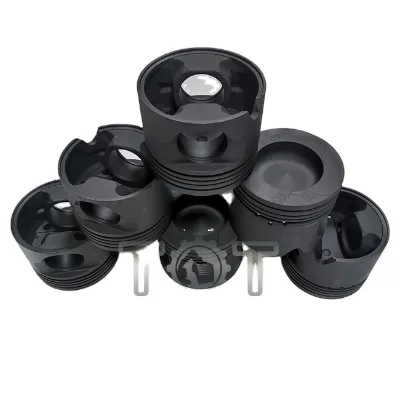
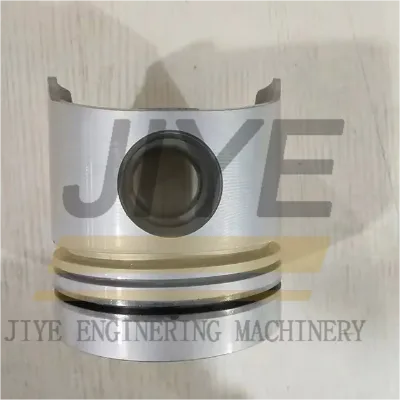
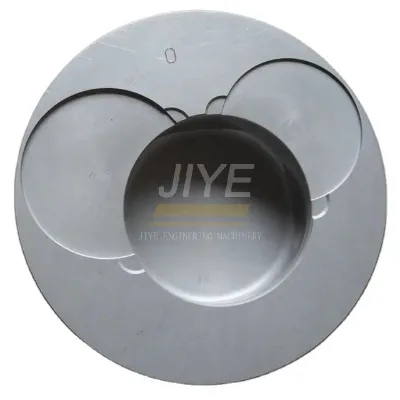
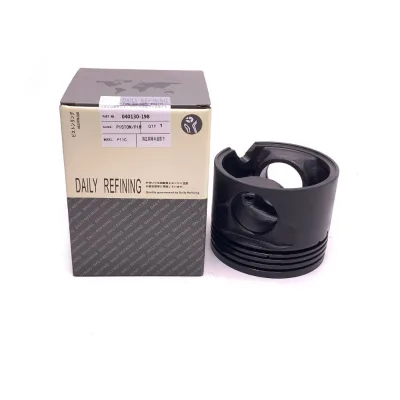
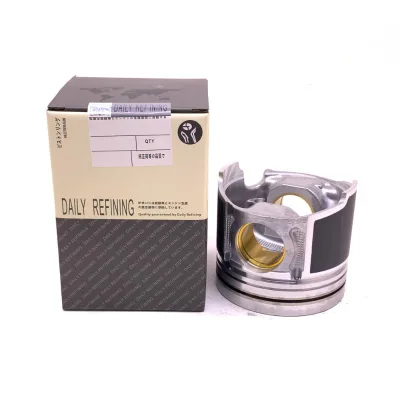
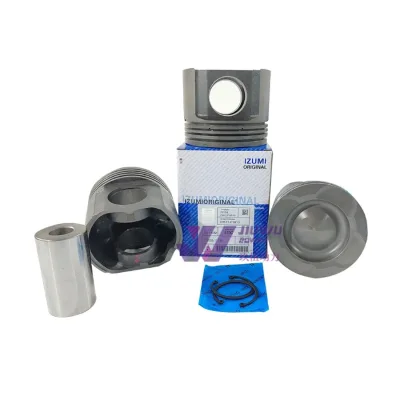
Diesel Engine Parts Piston 13211-2152/13216-2152 for Hino Truck Engine H07CT
$15.00 - $20.00
MOQ: 12 Pieces








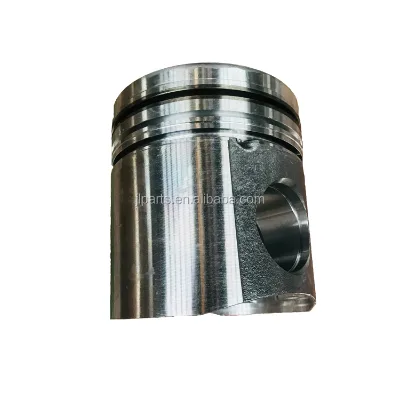
Comprehensive Sourcing Guide
Strategic Sourcing Guide for Diesel Pistons in Hino H07CT Applications
Understanding the Technical Profile of H07CT Diesel Pistons
When sourcing components for heavy-duty machinery, the primary objective is to align the physical and mechanical properties of the replacement part with the original equipment manufacturer (OEM) specifications. For the specific core keyword of diesel pistons for the Hino H07CT engine, the technical data indicates a robust construction designed for high-stress diesel combustion environments. The material composition is a critical differentiator; the available data points to Cast Iron as the primary material for these specific diesel applications, distinguishing them from gasoline variants which utilize Aluminum Alloy. This material choice is consistent with the thermal and mechanical demands of diesel engines, which operate at higher compression ratios and temperatures.
The dimensional specifications provided for the H07CT application are precise and must be matched exactly to ensure proper engine function. The bore diameter for the H07CT piston is listed as 110mm, a critical measurement that dictates the cylinder clearance and overall engine displacement. Furthermore, the length of the piston is specified at 121.5mm, and the pin bore diameter measures 39mm. The pin length itself is recorded as 90mm. These measurements are not merely suggestions but are engineering constraints; a deviation in the bore size or pin length can lead to catastrophic engine failure, including scoring, seizure, or excessive blow-by.
It is essential to note that while the H07CT is the primary model identifier, the product data also references related engine codes such as H06CT, J05C, and J08CT. This suggests that while the H07CT piston is the specific target, buyers must verify compatibility across these closely related engine families. The OEM number associated with the H07CT piston is 13216-2152, with an alternative code of Hin020. In the procurement process, cross-referencing these codes against the engine serial number is the first step in verifying the correct part. The standard for these components is often listed as "STD" or "BY SIZE," indicating that while standard dimensions exist, custom sizing may be available for specific aftermarket or modified engine requirements.
Compliance, Certification, and Engine Type Verification
In the B2B procurement of automotive components, particularly for diesel engines, compliance with international standards is non-negotiable. The product data explicitly lists ISO9001 as a certification condition for the "New" state of the product. This certification indicates that the manufacturing facility adheres to a quality management system that ensures consistent production of parts that meet customer and regulatory requirements. However, buyers must exercise caution when interpreting certification labels. The data also mentions "ISO Engine Type:Diesel" and "ISO Engine Type:Gasoline." This phrasing suggests that the supplier may hold certifications covering both engine types, but the specific product being purchased must be verified as the diesel variant.
The distinction between diesel and gasoline pistons is fundamental. The provided facts clearly separate these categories: diesel pistons are associated with Cast Iron material, while gasoline pistons are linked to Aluminum Alloy. A gasoline piston, even if it fits the bore dimensions, will likely fail under the thermal load of a diesel engine due to differences in material strength and thermal expansion rates. Therefore, the certification check must go beyond the presence of an ISO stamp; it must verify the specific engine type compatibility. Buyers should request documentation that explicitly states the piston is designed for diesel combustion cycles, specifically for the H07CT platform.
Furthermore, the product origin is identified as China. While this is a common manufacturing hub for automotive parts, it necessitates a rigorous verification of the supply chain. The "ISO9001: Condition:New" certification implies the product is manufactured to a standard of newness, but buyers should verify if the certification is current and applicable to the specific batch of goods. The warranty period of 24 months is a significant factor in the compliance assessment. A warranty of this duration suggests the manufacturer has confidence in the material integrity and dimensional stability of the Cast Iron pistons. However, the warranty terms are likely contingent upon the correct installation and the use of compatible engine oil and filters, which are not part of the piston specification but are critical for the warranty to remain valid.
Cost Drivers and Pricing Structure Analysis
The pricing landscape for diesel pistons is influenced by several tangible factors, including material costs, manufacturing complexity, and logistics. The observed price range for these products is between 1 and 200 USD. This wide range indicates a significant variance in product tiers, which may be driven by the difference between standard cast iron pistons and potentially higher-grade or custom-finished variants. The lower end of the spectrum likely represents standard production runs, while the higher end may include specialized coatings, tighter tolerance machining, or bulk packaging that affects the unit cost.
Material costs are a primary driver. Cast Iron is generally more expensive to machine than Aluminum Alloy due to its hardness and the wear it causes on cutting tools. The specific dimensions of the H07CT piston, such as the 110mm bore and 121.5mm length, require precise casting and machining processes to ensure the pin bore and skirt dimensions are within specification. Any deviation in these dimensions increases the scrap rate, which is factored into the final price. Additionally, the packaging method, listed as "Box" or "Ctns" (Carton Boxes), adds to the cost. The net weight of the product is 3kg, which influences shipping costs. Heavier items incur higher freight charges, and the packaging must be robust enough to prevent damage during transit, adding to the overall procurement cost.
The Minimum Order Quantity (MOQ) is another critical cost driver. The observed MOQ range is 1 to 600 units, with a specific mention of 12PCS for the H07CT application. This variability suggests that suppliers may offer different pricing tiers based on volume. Ordering a single unit may carry a premium price per piece due to the fixed costs of setup and handling. Conversely, ordering in larger quantities, potentially up to 600 units, may reduce the unit cost significantly. Buyers must balance the upfront capital expenditure against the storage costs and the risk of obsolescence. For a fleet maintenance scenario, an MOQ of 12 units might be the most cost-effective starting point, allowing for immediate replacement of multiple engines without overstocking.
Typical Applications and Engine Compatibility
The H07CT diesel piston is designed for a specific subset of heavy-duty applications, primarily within the Hino truck and excavator sectors. The product data explicitly lists "Excavator" and "Truck" as the primary applications. This dual-application capability highlights the versatility of the H07CT engine platform, which is used in both on-road transport vehicles and off-road construction machinery. The engine type is confirmed as Diesel, which is the standard power source for these heavy-duty machines due to their high torque requirements and fuel efficiency.
The compatibility matrix for these pistons extends beyond the H07CT model. The data references several other engine models, including H06CT, J05C, and J08CT. This indicates that the H07CT piston may be interchangeable or share similar specifications with these engines. However, interchangeability should never be assumed without verification. The bore diameter for the H07CT is 110mm, while the H06CT has a bore of 108mm, and the J05C/J08CT variants have a bore of 114mm. These differences are significant and mean that a piston designed for the H07CT will not fit an H06CT or J05C engine without modification, which is generally not recommended.
The "Used for" attribute specifically mentions the Hino Engine H07CT/H07c, confirming the primary target. The OEM number 13216-2152 serves as the definitive identifier for this application. In a procurement context, buyers often encounter engines with slight variations in serial numbers or production years. The presence of the code "Hin020" alongside the OEM number suggests a secondary identification system used by suppliers or distributors. When sourcing for a fleet, it is crucial to map the engine serial numbers of the vehicles to the correct piston code. Misidentifying the engine model can lead to ordering the wrong piston, resulting in engine damage and costly downtime. The application data also notes that customization is available, which may be relevant for aftermarket modifications or specialized industrial uses where standard dimensions do not suffice.
Supplier Evaluation and Procurement Strategy
Evaluating a supplier for diesel pistons requires a multi-faceted approach that goes beyond price comparison. The first step is verifying the supplier's ability to meet the specific technical requirements of the H07CT piston. Buyers should request detailed technical data sheets that confirm the bore, length, pin bore, and pin length match the specifications of 110mm, 121.5mm, 39mm, and 90mm respectively. The material must be confirmed as Cast Iron, and the engine type must be explicitly stated as Diesel. Any ambiguity in these details should be treated as a red flag.
The certification status is another critical evaluation criterion. The presence of ISO9001 certification is a positive indicator, but buyers should verify the validity of the certificate and ensure it covers the specific manufacturing processes used for the pistons. The warranty of 24 months is a strong selling point, but the terms and conditions of this warranty must be clearly understood. Does it cover material defects only, or does it include workmanship? What are the procedures for filing a claim? A supplier that offers a robust warranty is typically more confident in their product quality.
Payment terms are also a key factor in supplier evaluation. The data indicates "Tt" (Telegraphic Transfer) as the payment term. This is a standard method in international trade, but buyers should negotiate terms that protect their interests, such as partial payments upon shipment or inspection. The origin of the product is China, which is a major manufacturing hub, but buyers should be aware of potential logistical challenges, including lead times and shipping delays. The observed MOQ of 12PCS suggests that suppliers are willing to accommodate smaller orders, which is beneficial for buyers who do not require large volumes immediately.
Quality Control and Long-Term Procurement Considerations
Quality control in the procurement of diesel pistons is paramount to ensuring engine longevity and performance. The production standard is listed as "STD" or "BY SIZE," which implies that the parts are manufactured to standard specifications or can be customized to specific sizes. Buyers should insist on quality control reports that verify the dimensional accuracy of the pistons. The bore diameter, for instance, must be within tight tolerances to ensure proper ring seating and oil control. Any deviation can lead to increased oil consumption and reduced engine efficiency.
The packaging is another aspect of quality control. The product is packed in "Box" or "Ctns" (Carton Boxes), which should be sturdy enough to protect the pistons from damage during transit. The net weight of 3kg per unit suggests that the packaging must be robust to prevent crushing or deformation. Buyers should inspect the packaging upon receipt to ensure that the pistons are undamaged and that the protective materials are intact.
Long-term procurement considerations involve building a relationship with a reliable supplier who can provide consistent quality and timely delivery. The availability of customization is a significant advantage for buyers with unique requirements. If a buyer needs pistons with specific modifications or non-standard dimensions, a supplier that offers customization can provide a tailored solution. However, this comes with the risk of longer lead times and higher costs. Buyers should weigh the benefits of customization against the need for standard, readily available parts.
In conclusion, sourcing diesel pistons for the Hino H07CT engine requires a meticulous approach that prioritizes technical accuracy, certification verification, and supplier reliability. By focusing on the specific dimensions, material properties, and application data provided, buyers can ensure they procure high-quality components that meet the demanding requirements of heavy-duty diesel engines. The 24-month warranty and ISO9001 certification provide a baseline of confidence, but ongoing quality control and clear communication with the supplier are essential for long-term success.
FAQs
What material is used for the Hino H07CT diesel piston?
The Hino H07CT diesel piston is manufactured from Cast Iron. This material choice ensures durability under high compression and thermal stress typical of diesel engines, distinguishing it from aluminum alloy gasoline variants.
Which certification applies to the new diesel piston condition?
The product holds ISO9001 certification for the new condition. This indicates the manufacturing facility adheres to quality management systems ensuring consistent production standards for the diesel engine components.
How long is the warranty period for this piston?
The warranty period for this piston is 24 months. This coverage suggests confidence in material integrity, though terms may require correct installation and compatible engine oil to remain valid.
Can I find custom sizes for the Hino H07CT piston?
Customization is available for the Hino H07CT piston. While standard dimensions exist, buyers can request specific sizing for aftermarket modifications or specialized industrial applications beyond the standard specifications.
What is the minimum order quantity for this part?
The minimum order quantity is 12 pieces for this specific application. Suppliers may offer different pricing tiers, but 12 units is the baseline requirement for the H07CT diesel piston order.
Which engine models share compatibility with this piston?
This piston is primarily for the Hino Engine H07CT but relates to H06CT, J05C, and J08CT models. Buyers must verify bore diameters as H06CT is 108mm and J05C is 114mm, differing from the 110mm H07CT.
What are the key dimensions for the Hino H07CT piston?
The key dimensions include a 110mm bore, 121.5mm length, 39mm pin bore, and 90mm pin length. These precise measurements are engineering constraints essential for proper engine function and preventing catastrophic failure.