Source Diesel PLC Control HID Dredger for Sand, Mud, and Gravel
Find 26 Diesel PLC Control HID Dredger models for sand, mud, and gravel extraction. Compare specifications including discharge distances up to 2000m, depths of 14m, and PLC systems from Siemens or standard PLCs to select the right cutter suction or piling dredger for your project.
Key considerations
Products List


HID New Multifunctional Dredger for Shallow Water Cutter Suction, Backhoe Dredging
$375000.00 - $415000.00
MOQ: 1 Pieces

HID Dredger 500 M3/H Capacity for Waterways Cleaning and Sand Dredging
$360000.00 - $450000.00
MOQ: 1 Sets


Diesel Engine Hydraulic Control Cutter Suction Dredger with Underwater Pump Dredging Machine
$280000.00 - $400000.00
MOQ: 1 Pieces


Diesel Engine Hydraulic Siemens Control 20 Inch Cutter Suction Dredger
$550000.00 - $560000.00
MOQ: 1 Sets

Long Continue Working Time Diesel Engine 26inch Cutter Suction Dredger
$100000.00 - $800000.00
MOQ: 1 Sets

Diesel Engine Power Trailing Suction Hopper Dredger with Hydraulic Pump
$10000.00 - $150000.00
MOQ: 1 Sets


High-Performance Cutter Suction Dredger for Canal and Port Operations
$780000.00 - $990000.00
MOQ: 1 Pieces

Shallow Water Dredging 6.5 Meters & Weed Clearing & Underwater Piling Multi-Purpose Dredger
$365000.00 - $376000.00
MOQ: 1 Pieces

Good Price 3500m3 Cost-Effective Tshd Dredger for Maintenance Dredging
$5000000.00 - $7000000.00
MOQ: 1 Pieces

CSD-400 16 Inch Cutter Suction Dredger/Mud Dredger Has Strict Quality Control
$400000.00 - $4500000.00
MOQ: 1 Pieces

Comprehensive Sourcing Guide
Diesel PLC Control HID Dredger Sourcing Guide
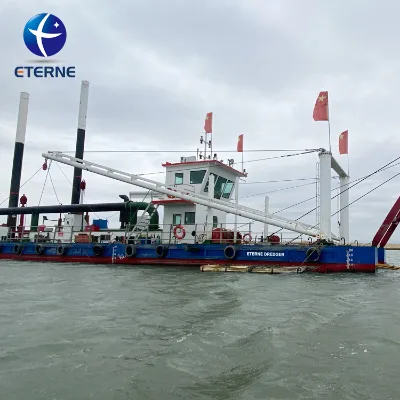
Buyers evaluating diesel-powered cutter suction dredgers must first distinguish between standard and customized configurations, as the market offers both non-customized and fully tailored units. The observed product range includes specific models like the HID CSD 5522 and HID-CE-300, which feature distinct operational parameters such as varying dredging depths from 6 meters to 14 meters. Understanding these baseline differences is critical before engaging with suppliers, as the choice between a standard unit and a customized solution directly impacts the vessel's suitability for specific sand, mud, or clay extraction projects.
Procurement decisions should also account for the specific hydraulic and engine configurations listed in current listings, which often pair Weichai, Cummins, or Caterpillar engines with Rexroth or Denison Parker hydraulic systems. The presence of a PLC operation system, sometimes specified as Siemens PLC, indicates a high level of automation that requires specialized technical support during installation. Buyers must verify that the selected engine brand and hydraulic components align with their existing maintenance capabilities and spare parts inventory to ensure long-term operational reliability in demanding marine environments.
Product Scope and Observed Listing Signals
The current market listings reveal a wide spectrum of discharge distances and flow capacities, ranging from 600 cubic meters per hour to over 4,000 cubic meters per hour depending on the model. Specific units like the HID-CSD5522zt demonstrate capabilities for discharging material up to 2,000 meters, while smaller models may target shorter ranges. This variance necessitates a precise assessment of the project site's topography and the required slurry transport distance to avoid selecting a dredger with insufficient power or an oversized unit that incurs unnecessary capital expenditure.
Structural attributes such as the dismountable design and the specific slot type, identified as CTS, are key indicators of transportability and assembly flexibility. Buyers should note that some units are packed in bulk freighters while others utilize container shipping, which significantly influences logistics planning and import costs. The observation of "Self Walk in and out The Water" systems suggests advanced mobility features that may be essential for specific deployment scenarios, requiring verification of how these mechanisms function in the actual water conditions of the intended application site.
Technical Specifications to Verify
Engine power ratings and hydraulic system compatibility are paramount when verifying the technical integrity of a diesel PLC control dredger. Listings indicate power outputs ranging from 1,193 kW to 1,342 kW for larger models, paired with complex hydraulic setups involving double pumps. Buyers must confirm that the specific engine brand, whether Cummins or Caterpillar, matches the performance requirements for the targeted material density, such as rocks or coral reefs, to prevent premature mechanical failure or insufficient dredging efficiency during peak operational loads.
The control architecture, often described as a full hydraulic control system managed by a Siemens PLC, requires rigorous validation of its integration with the dredge pump and cutter head. Specifications like the 550mm discharge diameter or 20-inch standard dimensions must be cross-referenced with the project's material throughput needs. Additionally, the patent status protected in China for certain models implies unique design features that may offer competitive advantages, but buyers should ensure these proprietary systems are compatible with their local regulatory frameworks and maintenance protocols.
Compliance and Safety Documentation
ISO 9001:2015 certification appears frequently in the product listings, serving as a baseline indicator of the manufacturer's quality management processes. However, buyers should not assume this certification covers all aspects of the specific dredger unit without requesting the relevant certificate for the exact model being purchased. It is essential to verify that the certification is current and applies to the manufacturing facility in Shandong, China, ensuring that the production standards align with international safety and quality expectations for heavy marine machinery.
Safety documentation must extend beyond general quality certifications to include specific operational manuals and risk assessments for the PLC control systems. The presence of patent protection suggests that the design includes unique safety features, but these must be clearly documented in the user manual provided with the unit. Buyers should demand evidence of compliance with local maritime safety regulations in their destination country, as the standard ISO certification alone may not satisfy specific national requirements for dredging equipment operation and environmental protection.
Cost Drivers and Commercial Terms
The observed price range of 345 to 7,000,000 USD reflects the vast differences in scale, engine power, and customization levels available in the market. A unit with a 1,342 kW engine and a 2,000-meter discharge distance will naturally command a significantly higher price than a smaller 600 cubic meter per hour model. Buyers must analyze the total cost of ownership, including the initial purchase price, shipping costs for bulk freighters or containers, and the long-term expenses associated with maintaining complex hydraulic and engine systems.
Commercial terms regarding the minimum order quantity and packing methods are equally critical for budget planning. While the observed MOQ is often 1 unit, the packing method—whether bulk carrier or container—directly affects freight charges and insurance premiums. Buyers should negotiate clear terms regarding the delivery of the dismountable structure, ensuring that the supplier provides detailed packing lists and handling instructions to prevent damage during transit, which could otherwise lead to costly delays and repair expenses upon arrival.
Supplier Qualification and Quality Control
Supplier qualification should focus on verifying the origin of the machinery, with many listings specifying production in Shandong, China. Buyers must confirm that the supplier has a proven track record of exporting similar dredging equipment and can provide references from previous international clients. The presence of specific model numbers like HID-CE-200 or HID-CSD-6024 suggests a standardized production line, but buyers should request factory audit reports to ensure that the quality control processes are consistent across all units produced.
Quality control measures must include a detailed inspection of the hydraulic systems and engine integration before shipment. Given the reliance on brands like Rexroth and Denison Parker, buyers should verify that these components are genuine and installed according to the manufacturer's specifications. A pre-shipment inspection protocol should be established to test the PLC operation system and the self-walk mechanism, ensuring that the equipment functions correctly under load before it leaves the manufacturing facility in China.
Long-Term Procurement Checks
Long-term procurement success depends on the availability of spare parts and the technical support infrastructure provided by the supplier. The specific engine brands and hydraulic components used in these dredgers require a steady supply of specialized parts, which must be guaranteed by the supplier for the lifespan of the equipment. Buyers should negotiate a long-term service agreement that includes training for local maintenance teams and a commitment to supplying critical components like the Rexroth double pumps or Siemens PLC modules.
Environmental and operational performance checks should be conducted periodically to ensure the dredger continues to meet the specified flow capacity and discharge distance requirements. The patent-protected designs may offer unique efficiency benefits, but these must be maintained through regular calibration of the PLC control system and hydraulic pressures. Buyers should establish a schedule for comprehensive performance reviews to detect any degradation in the dismountable structure or the cutter suction mechanism, ensuring the asset remains productive and compliant with evolving environmental standards.
FAQs
What power type and engine brands are used in these dredgers?
These dredgers utilize diesel power and feature engines from Weichai, Cummins, or Caterpillar. The specific engine brand depends on the model configuration, ensuring reliable performance for heavy-duty sand, mud, clay, and gravel dredging applications across various operational environments.
How does the PLC control system operate the dredger?
The dredger employs a PLC operation system, often Siemens-based, for precise control. This system manages the full hydraulic control system, allowing operators to efficiently handle cutter suction, piling, backhoe, and grab functions with automated monitoring and streamlined operational adjustments.
What is the maximum dredging depth and discharge distance?
Dredging depths range from 6 meters to 14 meters depending on the specific model. Discharge distances can reach up to 2000 meters, with some configurations offering flow capacities between 4000 and 4500 cubic meters per hour for efficient material transport.
Are these dredgers customizable for specific project requirements?
Yes, customization is available for many models to suit specific project needs. Options include customized configurations for different dredging materials like sand, mud, rocks, or coral reef, ensuring the equipment meets precise operational demands and site-specific conditions effectively.
What certifications do these dredgers hold?
These dredgers are certified under ISO 9001: 2015 standards, ensuring quality management in manufacturing. Additionally, certain models are protected by patents in China, highlighting innovative design features and adherence to recognized industry standards for reliability and performance.
What is the typical packaging method for shipping?
Packaging methods include bulk freighter, container, or bulk carrier options. The specific packing method depends on the model size and shipping requirements, ensuring safe and efficient transport of the dismountable structure from the origin in Shandong, China, to global destinations.