Source Diesel Powered Hydro Demolition Pump for construction, demolition, and mining
Find 30 Diesel Powered Hydro Demolition Pump units from verified suppliers. Compare specifications including power, pressure, and structure types to select the right equipment for construction, demolition, and mining projects.
Key considerations
Products List

Diesel Engine Powered Fire Fighting Pump Water Fire Extinguishing Pump
$690.00 - $740.00
MOQ: 1 Pieces


High Pressure Diesel Powered Concrete Transfer Pump Can Be Customized
$22000.00 - $24000.00
MOQ: 1 Pieces

Diesel Powered Concrete Transfer Pump for Sale. It Can Be Customized.
$9000.00 - $40000.00
MOQ: 1 Pieces


Hydraulic Concrete Transport Pump Portable Diesel Power Concrete Pump
$5000.00 - $13000.00
MOQ: 1 Pieces


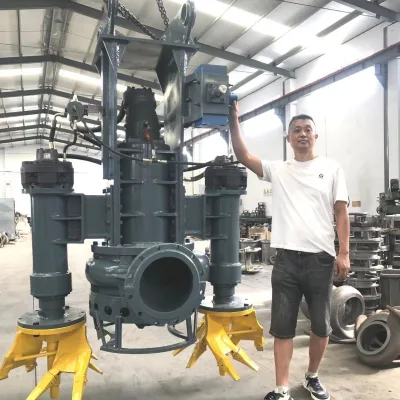
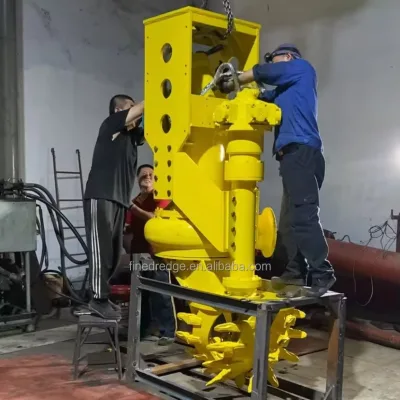
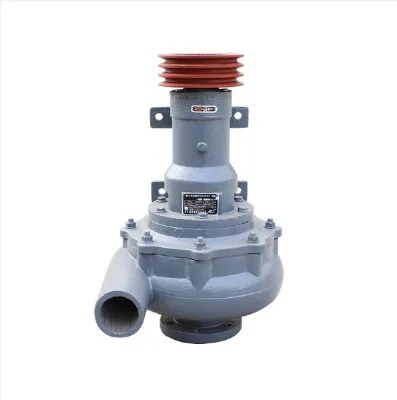


High-Performance 6HP Diesel Engine Water Pump for Efficient Irrigation
$462.20 - $502.40
MOQ: 10 Pieces


Top Quality 80m3/H Hydraulic Diesel Concrete Pump Machine Hot Sale
$20000.00 - $35000.00
MOQ: 1 Pieces


Diesel Power Hydraulic Type Concrete Pump / Cement Mortar Conveying Pump
$5999.00 - $7550.00
MOQ: 1 Pieces

Comprehensive Sourcing Guide
Strategic Sourcing Guide for Diesel-Powered Hydro Demolition Pumps
Understanding Core Technical Specifications and Configuration
When sourcing a diesel-powered hydro demolition pump, buyers must first distinguish between the broad category of diesel engines and the specific hydraulic pump mechanisms required for high-pressure water jetting. The provided product data reveals a diverse landscape of machinery, ranging from concrete pumps with HBT30 specifications to specialized hydraulic pumps like the PEH220 model. A critical observation in the current market data is the variation in power sources; while the core keyword specifies "diesel powered," the available listings include products explicitly categorized as "Electric Motor" type with 45 to 120 kW power outputs, alongside diesel engines rated at 66 kW. This discrepancy necessitates a rigorous verification process where buyers must confirm that the specific unit under consideration utilizes a diesel engine rather than an electric motor, as the operational requirements for hydro demolition often demand the autonomy and torque characteristics of diesel power.
The technical architecture of these units varies significantly based on the intended application. For instance, the data indicates the presence of 4-cylinder, four-stroke diesel engines with a firing order of 1-3-4-2 and naturally aspirated intake pressure. These engines are designed for heavy-duty stationary or mobile applications, with weights recorded at 330 kg for specific configurations. However, for high-pressure hydro demolition, the hydraulic pump itself is the critical component. The market offers models with distinct pressure capabilities, such as the PEH220, which specifies a maximum high pressure of 63 MPa and a maximum low pressure of 5 MPa. This pressure range is essential for effective concrete removal without damaging the underlying reinforcement. Buyers must verify that the hydraulic system, whether described as having a "Rotor Type" or "Cylinder Type" structure, is compatible with the engine's output. The engine speed for similar portable units is noted at 3600 r/min with an 86 cc displacement, suggesting that for larger industrial pumps, the displacement and RPM will scale accordingly to meet the required flow rates and pressures.
Furthermore, the physical dimensions and structural integrity of the equipment are paramount. Standard dimensions observed in the market include a footprint of approximately 4700 mm in length, 2350 mm in width, and 2050 mm in depth for larger concrete pump units, while smaller specialized tools may be more compact. The cooling system is another vital specification; the data confirms that cooling cylinders are water-cooled, a standard requirement for diesel engines operating under continuous high-load conditions to prevent overheating. The piston movement is reciprocating, which is typical for high-pressure pumps, ensuring the generation of the necessary impulse for water jetting. Buyers should also note the presence of semi-automatic grades and hydraulic machining processes, which indicate the level of automation and precision in the manufacturing of the pump components.
Compliance, Certification, and Safety Standards
Navigating the regulatory landscape is a fundamental step in the procurement of industrial hydro demolition equipment. The provided data highlights that products in this category frequently carry CE and ISO9001 certifications. These certifications are not merely marketing labels but indicate adherence to specific European safety directives and international quality management systems. When evaluating a supplier, buyers must request valid certification documents that specifically cover the diesel engine and the high-pressure hydraulic system. The presence of "Color: Blue" or "Color: Yellow" in certification descriptions suggests that safety color-coding may be part of the compliance package, ensuring that high-pressure lines and safety guards are visually distinct to prevent operator error.
In addition to general certifications, specific standards for the equipment's construction and operation must be verified. The data references a standard dimension of 900560900 mm for certain configurations, which may relate to packaging or specific component housing standards, while larger units adhere to the 470023502050 mm standard. Buyers should verify that the equipment meets the relevant ISO standards for hydraulic fluid power and pressure vessel safety. For diesel engines, compliance with emission standards is increasingly critical, although specific emission ratings are not explicitly listed in the current product data. Therefore, procurement teams must explicitly ask suppliers for documentation regarding emission compliance, such as EPA or EU Stage V standards, depending on the target market.
Safety features are integral to the design of hydro demolition pumps. The data mentions a "Vibrating Amplitude" of 1.3 mm and 2.0 mm for different models, which is a critical metric for operator comfort and long-term equipment health. Excessive vibration can lead to premature fatigue of the hydraulic hoses and engine mounts. Buyers should ensure that the equipment includes vibration dampening systems and that the vibrating amplitude falls within acceptable limits for the specific application environment. Additionally, the "Shotcrete Type" variations (Semi-Dry and Wet) found in the data suggest that some units may be multi-purpose, capable of both concrete pumping and shotcreting. If the primary use is hydro demolition, the buyer must confirm that the pump is optimized for high-pressure water jetting and not solely for concrete transport, as the internal seals and nozzle requirements differ significantly between these applications.
Cost Drivers and Pricing Structure Analysis
The pricing for diesel-powered hydro demolition pumps is influenced by a complex array of factors, including engine power, pressure capacity, and the level of customization available. The observed price range in the market spans from $169.04 to $100,000, a wide disparity that reflects the difference between small portable units and large industrial systems. The lower end of the spectrum likely corresponds to smaller, specialized tools or components, while the upper end represents complete, high-capacity systems with advanced hydraulic configurations. Buyers must understand that the "Power" attribute, listed as 45, 55, 60, 75, 100, and 120 kW, is a primary driver of cost. Higher kilowatt ratings generally correlate with larger engines, more robust hydraulic pumps, and increased material costs.
Another significant cost driver is the "Customization" availability. The data confirms that customization is available for these products, which can range from modifying the engine mounting to adjusting the hydraulic circuit for specific pressure requirements. Customized units will inevitably carry a higher price point and potentially longer lead times compared to standard off-the-shelf models. The "Productivity" metric, listed at 35 m³/h for certain concrete pumps, also influences pricing; higher productivity rates require more powerful pumps and larger flow capacities, driving up the overall cost. Buyers should evaluate whether they require the maximum productivity or if a lower-output unit will suffice for their specific project scale, as this can result in substantial savings.
Packaging and logistics also play a role in the total cost of ownership. The data shows variations in packaging, including "Wooden Case," "Nude," and "No Packaging." While "No Packaging" might seem like a cost-saving measure, it often implies that the buyer is responsible for protective crating, which can be risky for delicate hydraulic components. "Wooden Case" packaging is generally preferred for international shipping as it offers superior protection against moisture and physical damage. The "Weight" of the unit, noted at 330 kg for some models, affects shipping costs, particularly if air freight is considered. Buyers should calculate the total landed cost, including freight, insurance, and import duties, rather than focusing solely on the unit price. Additionally, the "Condition" is listed as "New" for the observed products, but buyers should be wary of refurbished units that may not come with the same warranty coverage or performance guarantees.
Typical Applications and Operational Scope
The operational scope of diesel-powered hydro demolition pumps is diverse, extending beyond simple concrete removal to specialized demolition tasks. The data explicitly lists "Metallurgy, Construction, and Petroleum" as usage areas, indicating that these pumps are versatile tools capable of handling various industrial environments. In the construction sector, these pumps are essential for removing damaged concrete from bridges, dams, and tunnels without compromising the structural integrity of the remaining concrete or the embedded steel reinforcement. The high-pressure capability, up to 63 MPa as seen in the PEH220 model, allows for precise cutting and cleaning of surfaces, making them ideal for preparing surfaces for new concrete application or coating.
In the metallurgy and petroleum industries, the applications shift towards cleaning and maintenance. Hydro demolition pumps are used to remove scale, rust, and hardened deposits from pipes, tanks, and machinery. The "Specialized demolition tools" application mentioned in the data suggests that these pumps can be integrated into larger systems for controlled demolition, where precision is required to avoid collateral damage. The "Station" application scope indicates that some units are designed for fixed-site operations, such as in a factory or a dedicated maintenance yard, while others may be mobile. The "Feeding Height" of 1400 mm for certain models suggests that these units are designed to interface with specific machinery or conveyor systems, requiring careful planning of the installation site.
The versatility of these pumps is further highlighted by the "Shotcrete Type" classifications. While primarily used for hydro demolition, the ability to handle both semi-dry and wet shotcrete types implies that some units are dual-purpose. This versatility can be a significant advantage for contractors who need to perform multiple tasks with a single piece of equipment. However, buyers must ensure that the pump is configured correctly for the specific task. For example, a pump optimized for shotcrete may have different nozzle requirements or flow characteristics compared to one optimized for high-pressure water jetting. The "Structure" of the pump, whether "Rotor Type" or "Cylinder Type," also dictates its suitability for different applications. Rotor types are often preferred for continuous flow applications, while cylinder types may offer better pressure stability for intermittent high-demand tasks.
Supplier Evaluation and Quality Assurance Protocols
Evaluating suppliers for diesel-powered hydro demolition pumps requires a systematic approach to ensure reliability and performance. The origin of the products, listed as "Shandong Weifang" and "China," provides a geographical context for the supply chain. Buyers should verify the manufacturing capabilities of suppliers in these regions, as they are known hubs for heavy machinery production. The "Automatic Grade" of "Semi-Automatic" suggests that the manufacturing process involves a mix of manual and automated operations. Buyers should inquire about the level of automation in the final assembly and testing phases, as higher automation often correlates with better consistency and quality control.
Quality assurance protocols are critical for hydraulic equipment. Buyers should request detailed information on the "Machining Process," which is listed as "Hydraulic" in the data. This likely refers to the precision machining of hydraulic components, but buyers should verify the specific tolerances and surface finishes used. The "Condition" of the product is listed as "New," but buyers should also ask about the testing procedures performed before shipment. This includes pressure testing of the hydraulic system, engine load testing, and vibration analysis. The "Vibrating Amplitude" data points to 1.3 mm and 2.0 mm, which should be used as a benchmark for quality acceptance. Buyers should require test reports that demonstrate the unit meets or exceeds these vibration limits.
Supplier reliability is another key factor. The "MOQ" (Minimum Order Quantity) range of 1-10 indicates that suppliers are flexible, catering to both individual buyers and larger contractors. However, buyers should be cautious of suppliers with very low MOQs who may lack the capacity to provide after-sales support. The "Lead Time" is not explicitly provided in the data, so buyers must explicitly ask for delivery schedules. A reliable supplier should provide a clear timeline from order confirmation to delivery, including any potential delays due to customization or logistics. The "Productivity" of 35 m³/h for certain models serves as a performance benchmark; buyers should ask for performance guarantees that align with these figures. Finally, the "Certification" status should be verified through third-party audits or direct contact with the certification bodies to ensure the authenticity of the CE and ISO9001 claims.
Long-Term Procurement and Lifecycle Management
Procuring a diesel-powered hydro demolition pump is not just a one-time transaction but the beginning of a long-term relationship with the equipment and the supplier. The "Product Name" and "Model Number" (e.g., PEH220, HBT30) serve as identifiers for the entire lifecycle of the asset. Buyers should ensure that the supplier provides comprehensive documentation, including operation manuals, maintenance schedules, and parts catalogs. The "Oil Tank Capacity" of 2 L for smaller units and the larger fuel requirements for diesel engines must be factored into the operational planning. Regular maintenance is essential to maintain the high-pressure performance and prevent premature failure of the hydraulic system.
The "Fuel" type is specified as Diesel, which has implications for fuel availability and storage. Buyers should consider the logistics of fueling the equipment, especially in remote locations. The "Ignition Mode" of Electric Ignition requires a reliable electrical system, which may be powered by the engine itself or an external source. Buyers should verify the compatibility of the ignition system with the intended power supply. The "Packing" method, whether "Wooden Case" or "Nude," affects the storage and transport of the equipment. Proper storage is crucial to prevent corrosion and damage to the hydraulic components.
Long-term cost considerations also include the availability of spare parts. The "Customization" feature may complicate the procurement of replacement parts if the unit is not a standard model. Buyers should negotiate a parts supply agreement with the supplier to ensure that critical components, such as seals, valves, and nozzles, are readily available. The "Weight" and "Dimensions" of the unit impact the transportation and handling requirements over the lifecycle of the equipment. Buyers should plan for the necessary infrastructure, such as cranes or forklifts, to move the equipment safely. Finally, the "Application Scope" and "Usage" areas should be reviewed periodically to ensure the equipment remains suitable for the evolving needs of the project. Regular performance reviews and maintenance audits will help maximize the return on investment and ensure the continued safety and efficiency of the hydro demolition operations.
FAQs
What is the typical power range for these pumps?
The power range spans from 45 to 120 kW depending on the specific model configuration. Buyers must verify if the unit uses a diesel engine or an electric motor, as the data includes both types with varying power outputs.
Which certifications are standard for this equipment?
Standard certifications include CE and ISO9001, often accompanied by specific color coding like blue or yellow for safety. These certifications indicate adherence to European safety directives and international quality management systems for the hydraulic system.
Can the engine be customized for specific needs?
Yes, customization is available for these products to modify engine mounting or hydraulic circuits. This allows buyers to adjust specifications like pressure or flow rates, though customized units may have longer lead times than standard models.
How is the cooling system configured for diesel engines?
The cooling cylinders are water-cooled to prevent overheating during continuous high-load operations. This configuration is essential for maintaining engine performance and longevity in heavy-duty stationary or mobile applications.
What is the maximum high pressure capability?
Specific models like the PEH220 reach a maximum high pressure of 63 MPa with a low pressure of 5 MPa. This pressure range is critical for effective concrete removal without damaging the underlying reinforcement structure.
Where are these products typically manufactured?
Products originate from locations such as Shandong Weifang and other regions in China. Buyers should verify the specific origin to understand logistics, shipping costs, and potential import duties associated with the equipment.