Source Diesel Powered Hay Chopper for cutting grass, processing feed, and forage
Compare 30 Diesel Powered Hay Chopper options from verified suppliers in China. These machines feature gasoline or diesel engines, vary in capacity, and support applications like grass cutting and feed processing with customizable packing.
Key considerations
Products List
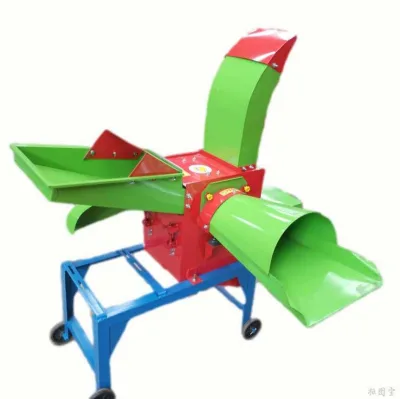
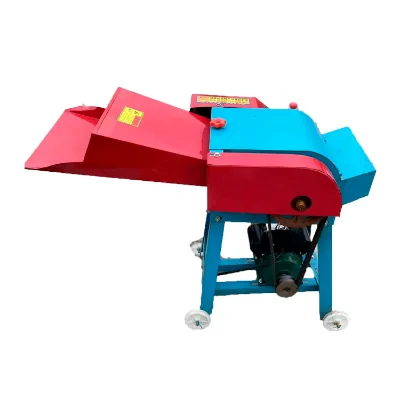
Diesel-Powered Hay Chopper with High Productivity Strong Torque Engine for Thick Hay Bundles
$210.00 - $230.00
MOQ: 1 kilograms

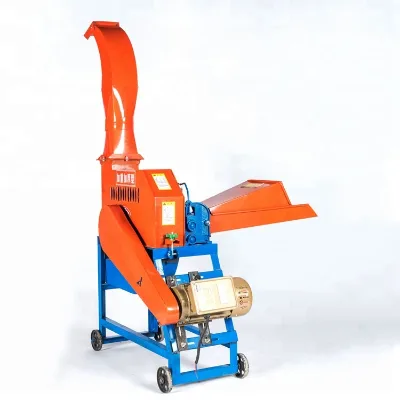


Grass Chopper for Wet/Dry Grass
$76.00 - $78.00
MOQ: 50 Pieces
Hunan Dongfanghong Electromechanical Manufacturing Co., Ltd.


Best Selling Diesel Engine Hand Chaff Cutter Hay Chopper for Animal Feed
$270.00 - $835.00
MOQ: 10 set

Grass Chopper for Animals Feed Silage Chaff Cutter Straw Cutting Machine
$270.00 - $835.00
MOQ: 10 set


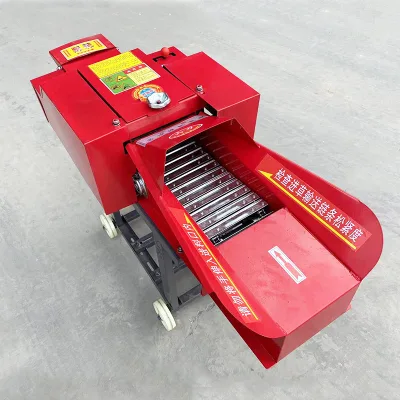
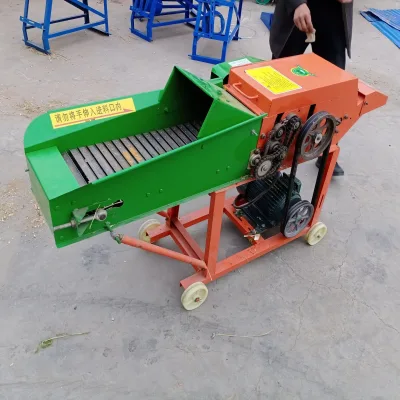




Comprehensive Sourcing Guide
Strategic Sourcing Guide for Diesel Powered Hay Choppers
Understanding Technical Specifications and Operational Capabilities
When evaluating diesel-powered hay choppers for industrial procurement, the primary focus must remain on the alignment between machine specifications and the specific agricultural demands of the operation. The core component of these machines is the engine, which serves as the power source for the chopping mechanism. In the observed market data, diesel engines ranging from 8 to 12 horsepower are commonly paired with electric motors of 3 to 4 kilowatts, offering a hybrid approach to power delivery that ensures consistent torque for heavy-duty tasks. The classification of these units often falls under "hay chopper" or "grass cutter," with specific models such as the SZJ-100 and TZ-2.5 appearing in available listings.
Capacity is a critical metric for determining the efficiency of the equipment. Buyers should verify the throughput capabilities, which in the current market range from 400 kg/h to 1000 kg/h, with some heavy-duty variants reaching up to 2 tons per hour. The processing technics employed often involve a "crushing-before-mixing" approach, which is essential for ensuring uniform particle size and optimal feed quality for livestock. The discharge size is typically standardized at 2mm, while the feed particle size entering the machine should not exceed 7mm to prevent mechanical jamming. The spindle speed is a vital operational parameter, with observed rates around 2800 revolutions per minute, ensuring rapid and efficient cutting action.
Physical dimensions and weight are equally significant for logistics and on-site deployment. The single package size for these units can be substantial, with observations of dimensions reaching 135x115x140 cm, necessitating careful planning for shipping and storage. The net weight of the machinery varies, with specific models weighing approximately 85 kg, while others may reach 110 kg. The inclusion of activity wheels is a notable feature in several models, enhancing mobility across uneven farm terrain. The color of the machinery is predominantly green, a standard industry choice for visibility and aesthetic consistency in agricultural settings. Understanding these technical baselines allows procurement teams to filter out units that do not meet the fundamental operational requirements of their specific facility.
Compliance, Certification, and Origin Verification
Navigating the compliance landscape for agricultural machinery requires a rigorous verification of certifications and origin details. The supply chain for diesel-powered hay choppers is heavily concentrated in China, with specific origins noted in Shandong Province, particularly in Yantai City and Laizhou City, as well as Henan Province. When sourcing from these regions, buyers must demand proof of the manufacturer's adherence to international quality standards. The ISO9001 certification is a frequently cited standard in the market, indicating that the supplier maintains a quality management system that meets global benchmarks. However, buyers should not assume that every listed product automatically satisfies this standard; rather, they must request valid certification documents for the specific batch or model being purchased.
The standardization of the machinery is another area requiring close attention. While some listings reference specific standard codes such as 1200-600-1400, others indicate that standards are "acc to machine's model," suggesting that compliance may vary based on the specific configuration. This variability underscores the need for buyers to verify that the machine's design meets the safety and performance regulations of their local jurisdiction. Furthermore, the availability of machinery test reports is a high-confidence fact in the current market, with many suppliers providing these documents to demonstrate that the equipment has undergone rigorous functional testing. These reports should be scrutinized to ensure they cover critical performance metrics such as engine durability, cutting efficiency, and safety mechanisms.
Origin verification is also crucial for assessing the reliability of the supply chain. The distinction between "place of origin" and "prod_origin" can sometimes lead to confusion, with some data pointing to Henan and others to Shandong. Buyers should clarify the exact manufacturing location to ensure that the logistics and customs procedures align with their import requirements. Additionally, the condition of the machinery is typically listed as "New," but this should be confirmed through detailed inspection protocols to avoid receiving refurbished units marketed as new. The customization options available in the market allow for some flexibility in meeting specific compliance needs, but any custom modifications must be documented and verified against the original design specifications to maintain warranty validity.
Cost Drivers and Pricing Structure Analysis
The pricing structure for diesel-powered hay choppers is influenced by a complex interplay of factors, including engine power, material quality, and the level of automation. The observed price range in the market spans from $47.50 to $1,500, a wide variance that reflects differences in capacity, brand reputation, and feature sets. Lower-priced units often correspond to smaller capacity models with basic configurations, while higher-priced units typically feature larger engines, advanced automation, and enhanced durability. The "High Productivity" attribute is a key selling point that directly correlates with price; machines designed for maximum throughput and minimal downtime command a premium in the market.
Material costs play a significant role in the final pricing. The use of high-quality steel for the crushing and mixing components, as well as the durability of the engine, are primary cost drivers. The "Automatic Grade" of the machinery, specifically the "Full-Automatic" classification, adds to the cost due to the integration of advanced control systems and sensors. Buyers should be aware that the "Selling Units" are typically listed as single items, meaning that the quoted price usually includes the complete machine without additional bulk discounts unless negotiated. The "Wooden Case Packing" or "Customized Wooden Crate" options also impact the cost, as specialized packaging is required to protect the machinery during international shipping.
Minimum Order Quantity (MOQ) is another critical factor in the cost analysis. The observed MOQ range is between 1 and 50 units, offering flexibility for both small-scale farms and large agricultural enterprises. For buyers requiring larger quantities, negotiating a lower per-unit cost is a viable strategy, but this must be balanced against the lead time and storage requirements. The lead time for these machines is typically between 7 and 15 days, which can affect the overall cost of ownership if the buyer requires immediate deployment. Additionally, the warranty period, which is observed to range from 1 to 5 years, is a significant cost driver; longer warranty periods often indicate higher manufacturing quality but may come with a higher upfront price. Buyers should carefully evaluate the total cost of ownership, including maintenance, spare parts, and potential downtime, rather than focusing solely on the initial purchase price.
Typical Applications and Operational Scenarios
Diesel-powered hay choppers are designed for a wide array of agricultural applications, with the primary use case being the cutting and processing of grass and hay for livestock feed. The "Wide application" attribute highlights the versatility of these machines, which can handle various types of forage materials, including corn, as indicated by the "Maximum Material Hardness" specification. The ability to process short strip materials makes these choppers suitable for a range of farm sizes, from small family operations to large commercial feedlots. The "Forage Equipment" classification underscores their role in the broader agricultural supply chain, where efficient feed preparation is critical for animal health and productivity.
In practical terms, these machines are often deployed in fields where manual cutting is inefficient or impossible. The inclusion of activity wheels allows for easy maneuverability across uneven terrain, making them ideal for large pastures and hayfields. The "crushing-before-mixing" process ensures that the resulting feed is uniform in texture, which is essential for preventing selective eating by livestock and ensuring optimal nutrient absorption. The discharge size of 2mm is particularly beneficial for dairy cattle and other livestock that require finely chopped feed for better digestion. The capacity of the machine, ranging from 400 kg/h to 2 tons/h, allows farmers to scale their operations based on the size of their herd and the availability of forage.
The "Customization" feature available in the market allows buyers to tailor the machine to specific operational needs. For instance, farmers with unique feed requirements can request modifications to the screen mesh or discharge size to better suit their livestock's dietary needs. The "Single package size" of 135x115x140 cm suggests that these machines are designed for transportability, allowing them to be moved between different fields or storage facilities as needed. The "Green" color of the machinery not only provides a standard aesthetic but also aids in visibility and safety on the farm. Overall, the operational scenarios for diesel-powered hay choppers are diverse, catering to the needs of modern agriculture where efficiency and precision are paramount.
Supplier Evaluation and Quality Assurance Protocols
Evaluating suppliers for diesel-powered hay choppers requires a systematic approach that goes beyond surface-level marketing claims. Buyers should prioritize suppliers who provide comprehensive machinery test reports and clear documentation of their quality management systems. The presence of ISO9001 certification is a strong indicator of a supplier's commitment to quality, but it must be verified through official channels to ensure its validity. Additionally, the warranty period, which ranges from 1 to 5 years, is a critical factor in supplier evaluation; a longer warranty often reflects the supplier's confidence in the durability and reliability of their product.
Quality assurance protocols should be established early in the procurement process. Buyers should request detailed specifications for the core components, such as the engine and gear systems, to ensure they meet the required performance standards. The "Condition" of the machinery, typically listed as "New," should be confirmed through a pre-shipment inspection to avoid receiving refurbished or damaged units. The "Single gross weight" and "Single package size" should also be verified to ensure that the shipping and handling processes are aligned with the buyer's logistical capabilities. Furthermore, the "Lead Time" of 7-15 days should be factored into the procurement timeline to avoid delays in deployment.
Supplier reputation and after-sales support are equally important considerations. Buyers should seek out suppliers with a proven track record of delivering high-quality machinery and providing responsive customer service. The availability of spare parts and technical support is crucial for maintaining the machine's performance over its lifespan. The "Customization" options offered by suppliers can also be a differentiator, as they indicate a willingness to adapt to the specific needs of the buyer. By conducting thorough due diligence and establishing clear quality assurance protocols, buyers can mitigate the risks associated with sourcing diesel-powered hay choppers and ensure a successful procurement outcome.
Long-Term Procurement Considerations and Maintenance Planning
Long-term procurement of diesel-powered hay choppers involves more than just the initial purchase; it requires a strategic approach to maintenance, spare parts management, and lifecycle planning. The warranty period, which can range from 1 to 5 years, is a key indicator of the expected lifespan of the machine, but it is essential to understand the terms and conditions of the warranty to ensure coverage for critical components. Regular maintenance is necessary to keep the machine operating at peak efficiency, and buyers should plan for routine inspections of the engine, gears, and cutting mechanisms.
The "Automatic Grade" of the machine, specifically the "Full-Automatic" classification, implies a higher level of complexity that may require specialized maintenance procedures. Buyers should ensure that their maintenance team is trained to handle these advanced systems and that they have access to the necessary tools and diagnostic equipment. The "Screen Mesh" and "Discharge Size" settings should be monitored regularly to ensure they remain within the specified parameters, as any deviation can affect the quality of the feed and the efficiency of the machine.
Spare parts availability is another critical consideration for long-term procurement. Buyers should verify that the supplier maintains a stock of essential spare parts, such as blades, gears, and engine components, to minimize downtime in the event of a failure. The "Wooden Case Packing" or "Customized Wooden Crate" options should be considered for long-term storage, as they provide protection against environmental factors and physical damage. By developing a comprehensive maintenance plan and establishing a reliable supply chain for spare parts, buyers can ensure the longevity and reliability of their diesel-powered hay choppers, maximizing their return on investment over the long term.
Comparative Analysis of Key Product Attributes
To facilitate informed decision-making, the following table summarizes the key attributes observed in the market for diesel-powered hay choppers. This comparison highlights the variations in specifications, certifications, and operational capabilities that buyers should consider when evaluating potential suppliers.
| Attribute | Observed Range/Value | Significance for Procurement |
|---|---|---|
| Power Source | Diesel Engine (8-12hp), Electric Motor (3-4kw) | Determines fuel efficiency and operational flexibility. |
| Capacity | 400kg/H - 1000kg/H (up to 2t/h) | Directly impacts throughput and suitability for farm size. |
| Discharge Size | 2mm | Critical for feed quality and livestock digestion. |
| Feed Particle Size | ≤7mm | Defines input requirements and prevents mechanical issues. |
| Spindle Speed | 2800 R/Min | Affects cutting efficiency and material processing speed. |
| Certification | ISO9001 (Verify per batch) | Indicates adherence to quality management standards. |
| Warranty | 1 Year - 5 Years | Reflects manufacturer confidence and long-term support. |
| Origin | Henan, Shandong (China) | Influences logistics, customs, and supply chain reliability. |
| Weight | 85 kg - 110 kg | Impacts transportability and on-site maneuverability. |
| Packing | Wooden Case / Customized Crate | Ensures protection during shipping and storage. |
| Automation | Full-Automatic | Reduces labor requirements and increases operational efficiency. |
| Mobility | Activity Wheels: Yes | Enhances field mobility and ease of use. |
This comparative analysis provides a clear framework for buyers to assess the suitability of different models based on their specific operational needs. By focusing on these key attributes, procurement teams can make data-driven decisions that align with their long-term strategic goals.
FAQs
What is the typical capacity range for diesel powered hay choppers?
Capacity ranges from 400 kg/h to 1000 kg/h, with heavy-duty variants reaching up to 2 tons per hour. Buyers should verify specific throughput capabilities to match their operational scale and livestock feed requirements.
Which certifications are commonly available for these machines?
ISO9001 certification is frequently cited, indicating adherence to global quality management standards. Buyers must request valid certification documents for the specific batch to ensure compliance with local safety regulations.
How long is the standard lead time for delivery?
The typical lead time spans 7 to 15 days from order confirmation. This duration should be factored into procurement timelines to ensure timely deployment at the agricultural facility.
Can buyers request customization for specific operational needs?
Customization is available for modifications like screen mesh or discharge size to suit specific livestock diets. Any custom changes must be documented to maintain warranty validity and design integrity.
What is the warranty period for diesel powered hay choppers?
Warranty periods observed in the market range from 1 to 5 years depending on the model. Longer warranties often reflect higher manufacturing quality but may influence the initial purchase price.
Which core components power these agricultural machines?
Core components typically include engines ranging from 8 to 12 horsepower or 3 to 4 kilowatt electric motors. These power sources ensure consistent torque for heavy-duty chopping and crushing tasks.
Where are these machines primarily manufactured?
Manufacturing origins are concentrated in China, specifically in Henan Province and Shandong Province. Buyers should verify the exact location to align logistics and customs procedures with import requirements.