Source DIN Sanitary Sight Glass for Dairy, Brewing, and Water
Find 30 DIN Sanitary Sight Glass options from Wenzhou suppliers with materials like SS304 and SS316L. Buyers can compare sizes from DN25 to DN300, pressure ratings up to 10 bar, and various gasket types for industrial applications.
Key considerations
Products List

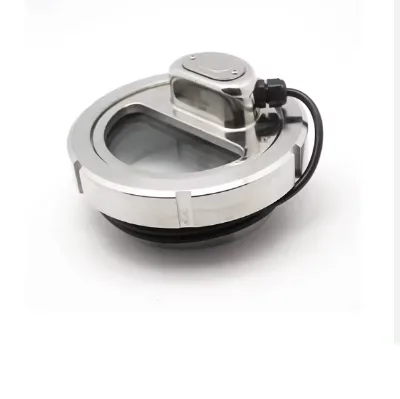
Sanitary Stainless Steel Welded Sight Glass Pipe Fitting Union Sight Glass
$15.00 - $20.00
MOQ: 1 Pieces




Comprehensive Sourcing Guide
Strategic Sourcing Guide for DIN Sanitary Sight Glass Components
Navigating the procurement landscape for DIN Sanitary Sight Glass requires a disciplined approach that balances technical precision with rigorous supplier verification. These components serve as critical visual interfaces in hygienic processing systems, allowing operators to monitor fluid flow, color, and clarity without compromising the integrity of the sterile environment. The market for these items is characterized by a wide variance in material grades, connection standards, and pressure ratings. Buyers must distinguish between generic industrial glass and true sanitary-grade equipment designed to meet specific regulatory frameworks. This guide synthesizes observed market data and technical requirements to provide a framework for evaluating potential suppliers and selecting the correct sight glass for applications in food, beverage, pharmaceutical, and biotechnology sectors.
Technical Specifications and Material Compatibility
The foundation of a successful sight glass procurement lies in matching the component's physical properties to the process requirements. The most critical variable is the material of construction. Market observations indicate a prevalence of stainless steel grades, specifically SS304 and SS316L, which offer varying degrees of corrosion resistance. SS304 is generally sufficient for many food and beverage applications, while SS316L is preferred for more aggressive chemical environments or higher purity requirements in pharmaceutical processing. The glass itself is another vital specification. Buyers should verify whether the supplier offers tempered glass or borosilicate glass. Tempered glass provides enhanced mechanical strength, while borosilicate glass offers superior thermal shock resistance, a crucial factor if the sight glass is exposed to rapid temperature fluctuations during cleaning or sterilization cycles.
Pressure ratings define the operational limits of the sight glass. Data from available listings suggests a common working pressure range of 5 to 10 bar, with some specific models rated up to 10 bar. It is imperative to confirm that the selected unit can withstand the maximum system pressure, including potential pressure spikes during pump operations or CIP (Clean-in-Place) cycles. The gasket material is equally significant, as it ensures a leak-free seal. Common gasket materials observed include EPDM, FPM (Viton), and silicone. EPDM is widely used for its resistance to water and steam, while FPM offers better chemical resistance. The choice of gasket must align with the specific fluids being processed and the temperature of operation.
Size and connection types vary significantly across the market. Standard port sizes often range from DN25 to DN150 (1 inch to 6 inches), with some suppliers offering larger sizes up to DN300. The connection method is a primary determinant of installation compatibility. Options typically include welding, clamping, flanges, and threading. For sanitary applications, the clamp connection is often preferred for its ease of disassembly and cleaning, while welding provides a permanent, high-integrity seal. The surface finish is another technical detail that cannot be overlooked. A specific observation notes an internal/external polish of 32 Ra, which is essential for preventing bacterial adhesion and ensuring smooth flow.
Compliance, Certification, and Standard Verification
In the sanitary processing industry, compliance is not merely a recommendation but a prerequisite for market access and operational safety. Buyers must rigorously verify that the sight glass adheres to recognized international standards. The DIN (Deutsches Institut für Normung) standards are particularly prominent in European and global markets, with specific references to DIN 7080, DIN 8902, and DIN 28120 often appearing in technical discussions. However, buyers should not assume compliance based on keyword matching alone; they must request explicit certification documents confirming that the product meets these specific DIN requirements.
Beyond DIN, other standards play a critical role in validation. The 3A Sanitary Standards are the benchmark for equipment in the food and dairy industries in North America, ensuring that surfaces are cleanable and free of dead legs. Similarly, the SMS (Swedish Meat Inspection Standards) and IDF (International Dairy Federation) standards are relevant for specific regional applications. ISO standards, such as ISO 9001:2008 for quality management systems, provide a framework for the supplier's manufacturing consistency. While ISO 2852 is a background reference for stainless steel tubes, the finished product certification should explicitly reference the relevant product standards.
Certification bodies such as CE, SGS, and FDA play a pivotal role in validating product safety. The CE mark indicates conformity with health, safety, and environmental protection standards for products sold within the European Economic Area. FDA compliance is essential for food and pharmaceutical applications, ensuring that materials do not leach harmful substances. Additionally, ROHS compliance is often required to ensure the absence of hazardous substances in the manufacturing process. Buyers should demand a certificate of conformity for each batch, verifying that the specific model, such as VSJ500N1 or TSX01, has been tested against these standards.
Cost Drivers and Pricing Structures
Understanding the cost structure of DIN sanitary sight glasses helps buyers negotiate effectively and avoid hidden expenses. The primary cost drivers include the grade of stainless steel, the thickness of the glass, and the complexity of the surface treatment. SS316L is inherently more expensive than SS304 due to the addition of molybdenum, which enhances corrosion resistance. Similarly, thicker glass options, such as 1.65mm or 2.0mm compared to 1.5mm, increase material costs but offer greater durability. Surface treatments like CNC machining add value by ensuring precise tolerances but also increase production time and cost.
The observed price range in the market spans from 1 to 100 USD, reflecting the vast diversity in product specifications. A basic sight glass with standard dimensions and SS304 construction will fall at the lower end of this spectrum, while custom-configured units with SS316L, specialized gaskets, and complex connection types will command higher prices. It is crucial for buyers to understand that a low price may indicate a compromise in material quality or a lack of necessary certifications.
Minimum Order Quantities (MOQ) are another factor influencing total cost. The market shows an MOQ range of 1 to 100 units. For small-scale operations or prototype testing, suppliers with an MOQ of 1 are preferable, though the unit price may be higher. For large-scale production runs, negotiating a lower unit price with a higher MOQ can significantly reduce the overall procurement cost. Packaging also affects cost; options range from standard bubble packs and cartons to more robust plywood cases for international shipping, which can add to the final landed cost.
Typical Applications and Operational Context
DIN sanitary sight glasses are integral to processes where visual monitoring is critical for quality control and safety. In the food and beverage industry, these components are used in pasteurizers, homogenizers, and filling lines to ensure product consistency and detect contamination. The ability to see the flow of liquids without opening the system is vital for maintaining hygiene and preventing product loss. In the pharmaceutical sector, sight glasses are used in bioreactors and mixing tanks to monitor fermentation processes and chemical reactions. The high-pressure and high-temperature resistance of these units makes them suitable for sterilization cycles.
The design of the sight glass often includes features tailored to specific applications. For instance, some models come equipped with LED lamps to enhance visibility in low-light environments or dark processing tanks. Others may feature a scraper accessory to clear obstructions or condensation from the glass surface, ensuring a clear view at all times. The shape of the sight glass, whether equal or reducing, determines its placement within the piping system. Reducing sight glasses are used to transition between different pipe diameters, while equal sight glasses maintain a consistent flow path.
Supplier Evaluation and Quality Assurance
Selecting the right supplier is as important as selecting the right product. Buyers should prioritize suppliers located in established manufacturing hubs, such as Wenzhou, Zhejiang, China, which is a known center for sanitary equipment production. However, location alone is not a guarantee of quality. The supplier's ability to provide consistent documentation, including material test reports and certification copies, is a key indicator of reliability.
Quality control processes should be a central part of the supplier evaluation. Buyers should inquire about the supplier's surface treatment capabilities, specifically CNC machining, which ensures high precision. The polishing of the internal and external surfaces to a specific Ra value is a critical quality metric that prevents bacterial growth. Additionally, the supplier's adherence to standard export packaging, such as cartons or plywood cases, ensures that the product arrives without damage.
When evaluating suppliers, buyers should look for those who offer customization services. The ability to tailor the sight glass to specific pressure ratings, connection types, or glass grades indicates a higher level of engineering capability. It is also essential to verify the supplier's track record in meeting delivery timelines and handling after-sales support. A supplier that provides clear technical drawings and responsive customer service is better equipped to handle the complexities of sanitary equipment procurement.
Long-Term Procurement and Maintenance Considerations
Procuring DIN sanitary sight glasses is not a one-time transaction but part of a long-term maintenance strategy. Buyers should consider the availability of spare parts and the ease of replacement. Standardized connection types and widely accepted material grades ensure that replacement parts are readily available in the future. The durability of the gasket material is also a long-term consideration; high-quality EPDM or FPM gaskets will last longer and reduce the frequency of maintenance interventions.
Maintenance protocols should be established to ensure the longevity of the sight glass. Regular inspection for cracks, scratches, or gasket degradation is necessary to prevent leaks and contamination. The cleaning process must be compatible with the materials used; for example, aggressive cleaning agents may degrade certain gasket materials or glass coatings. Buyers should work with suppliers to develop a maintenance schedule that aligns with the specific operational demands of their facility.
Furthermore, the evolution of standards and regulations requires buyers to stay informed. As hygiene standards become more stringent, suppliers may need to upgrade their products to meet new requirements. Establishing a relationship with a supplier who is proactive about compliance and innovation ensures that the procurement strategy remains effective over time. By focusing on quality, compliance, and long-term support, buyers can secure a reliable supply of DIN sanitary sight glasses that meet the rigorous demands of modern processing industries.
Comparative Analysis of Key Specifications
To facilitate decision-making, the following table summarizes the key technical attributes observed in the market, providing a quick reference for buyers.
| Attribute | Common Observation | Verification Requirement |
|---|---|---|
| Material | SS304, SS316L, Carbon Steel | Verify Mill Test Certificates for grade. |
| Glass Type | Tempered, Borosilicate | Confirm thermal shock resistance rating. |
| Pressure Rating | 5-10 Bar, Max 10 Bar | Ensure rating exceeds max system pressure. |
| Gasket Material | EPDM, FPM, Silicone, PTFE | Match chemical compatibility with process fluid. |
| Connection | Weld, Clamp, Flange, Thread | Verify compatibility with existing piping. |
| Standards | DIN, 3A, SMS, ISO, FDA | Request specific certification documents. |
| Surface Finish | 32 Ra (Internal/External) | Inspect for smoothness to prevent biofilm. |
| Origin | Wenzhou, China | Verify export compliance and shipping terms. |
This structured approach ensures that buyers can systematically evaluate potential suppliers and products, minimizing risk and maximizing the reliability of their sanitary processing systems. By adhering to these guidelines, organizations can secure high-quality DIN sanitary sight glasses that meet the demanding standards of their respective industries.
FAQs
What materials are used for DIN Sanitary Sight Glass?
These components are typically constructed from SS304, SS316L, or carbon steel. The glass itself is often tempered or borosilicate to ensure safety. Gaskets are made from EPDM, FPM, or silicone to provide a reliable seal against leaks.
Which pressure ratings are available for these units?
The standard working pressure ranges from 5 to 10 bar. Some specific models are rated up to 10 bar maximum. Buyers must verify the exact rating matches their system requirements to prevent failure during operation.
Can I find customization options for these sight glasses?
Yes, customization is available for various specifications and dimensions. Suppliers can adjust sizes from DN25 to DN300 and modify connection types. This allows the equipment to fit specific piping layouts and process needs.
What certifications do DIN Sanitary Sight Glass products hold?
Products often carry CE, ISO 9001:2008, FDA, and 3A certifications. These ensure compliance with international safety and quality standards. Buyers should request certificates to verify that the specific batch meets these regulatory requirements.
How are these sight glasses connected to piping systems?
Connections include welding, clamping, flanges, and threading options. The specific method depends on the model and application requirements. Welding provides a permanent seal, while clamps allow for easier disassembly and cleaning.
What is the typical lead time for orders from China?
Lead times vary based on order volume and customization needs. Most suppliers are located in Wenzhou, Zhejiang, China. Buyers should confirm specific delivery schedules with the manufacturer before placing a large order.