Source Auto Car Digital Voltmeter for Boat, Bus, and Vehicle
Compare 30 listings for the Auto Car Digital Voltmeter designed for boats, buses, and vehicles. Buyers can review specifications like DC voltage ranges, LED colors, and customization options from suppliers in China.
Key considerations
Products List


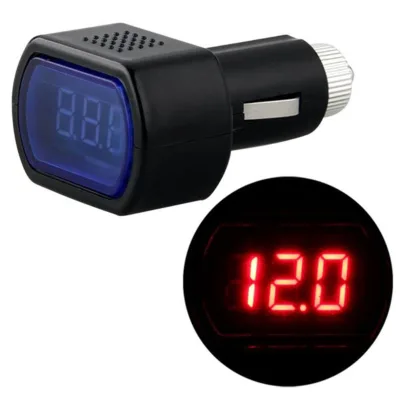
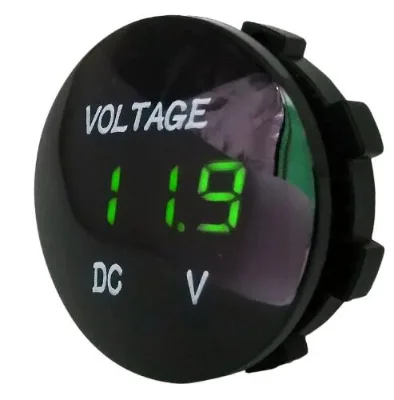
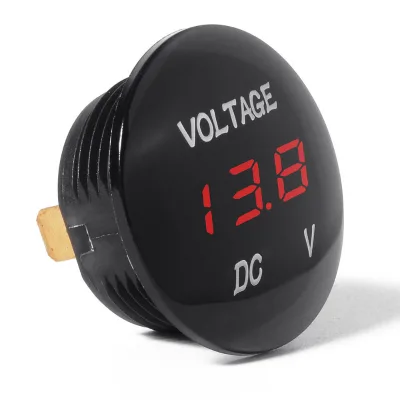
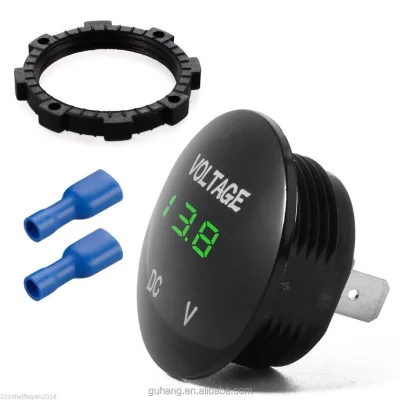
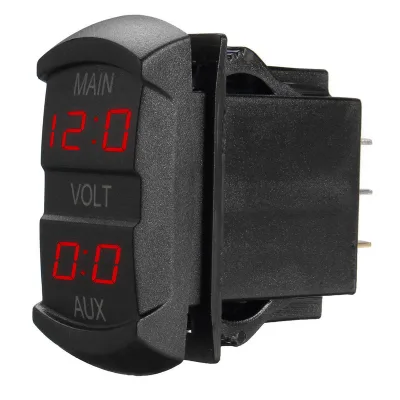
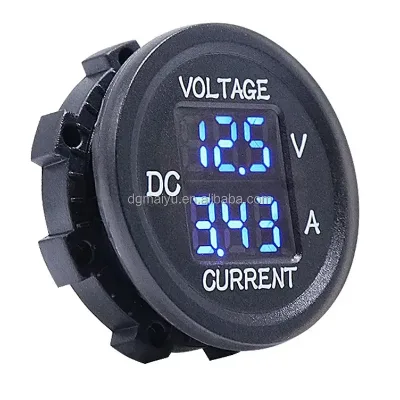
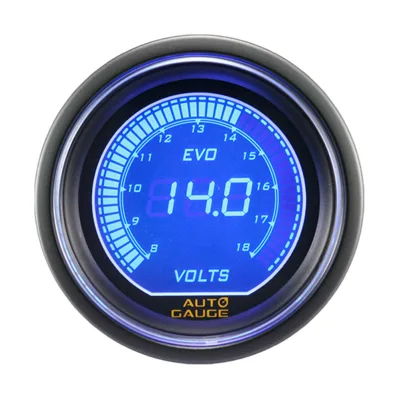
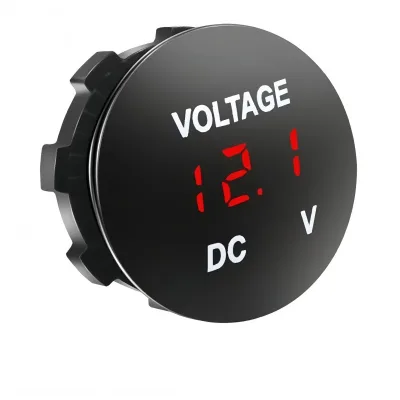
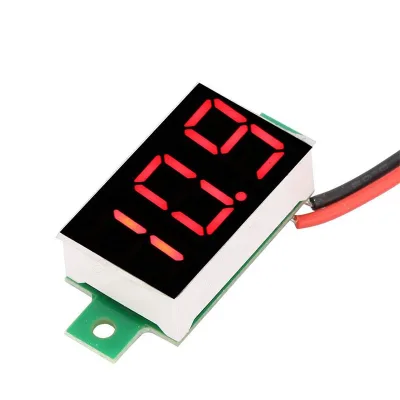
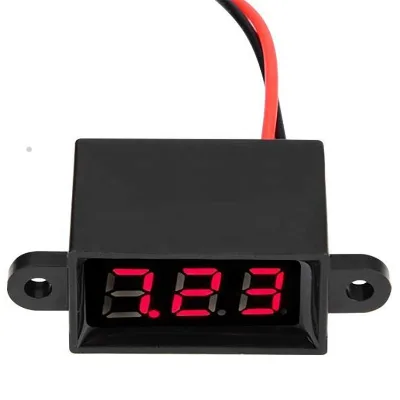
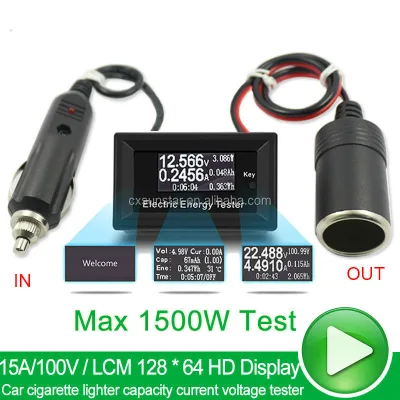
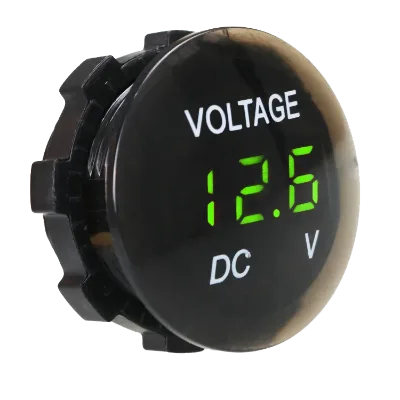
Comprehensive Sourcing Guide
Strategic Sourcing Guide for Auto Car Digital Voltmeters
Understanding Product Variants and Core Specifications
The market for auto car digital voltmeters presents a diverse array of options, ranging from simple voltage indicators to complex multi-functional energy meters. When initiating a procurement search for "Auto Car Digital Voltmeter," buyers must first distinguish between the specific functional requirements of their application. The observed product landscape includes devices labeled explicitly as "Digital Car Voltmeter" and others categorized under broader headings such as "Multi-Functional Energy Meter" or "Prepayment Meter." This distinction is critical because a unit designed for a specific vehicle dashboard may differ significantly in construction from a general-purpose industrial meter intended for a boat or yacht.
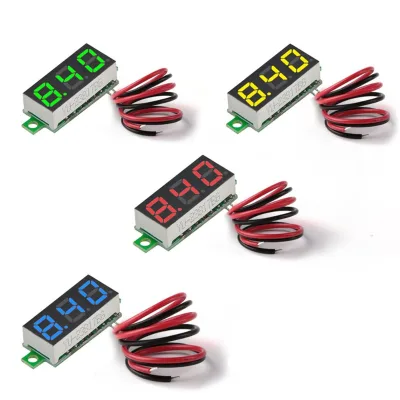
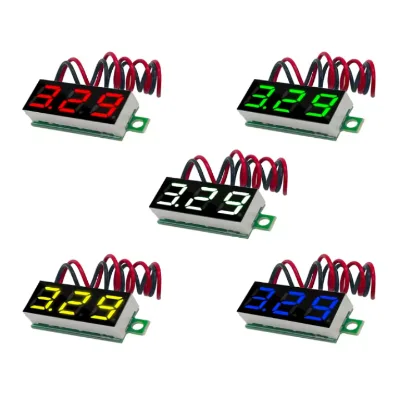
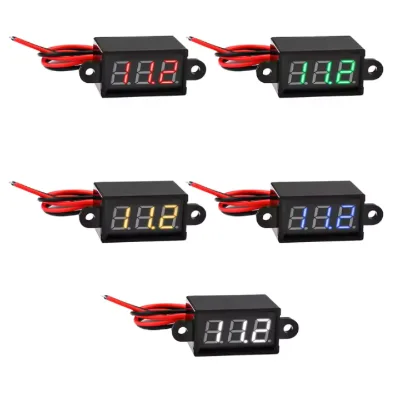
A primary observation in the current supply base is the variation in voltage measurement ranges. Some units are engineered for a narrow DC input, specifically measuring within a DC 6-30V range, while others are optimized for standard automotive systems with an input voltage of DC 12-24V. Buyers must verify that the selected model matches the electrical architecture of the target vehicle or machinery. The "DS4010-E" and "DS002V-TH" models represent specific iterations within this space, each potentially carrying unique internal circuitry. Furthermore, the display technology is a key differentiator. Most observed units feature an LED display, with available colors including Red, Blue, White, Green, Orange, and Yellow. The choice of LED color often depends on the ambient lighting conditions of the installation environment and the aesthetic requirements of the vehicle interior.
The physical construction of these meters also varies. Materials observed include plastic and combinations of plastic plus metal, influencing both durability and weight. For instance, one specific unit is noted to weigh approximately 0.02kg with dimensions of 3.6cm in length and width, and 5.2cm in height. In contrast, other entries suggest a "Bi-metal Type" structure or an "Electrostatic" classification, which may imply different sensing mechanisms or response times. The terminal quantity is another critical specification, with "2p" terminals being a common configuration for basic voltage measurement, though more complex meters may require additional connections for communication or multi-phase monitoring.
Compliance, Certification, and Safety Standards
Navigating the compliance landscape for automotive electrical components requires careful attention to available certifications and standards. In the current product pool, the CE certification is a prominent attribute observed across several listings. This indicates that the manufacturers claim adherence to European health, safety, and environmental protection standards, which is often a prerequisite for selling into the European market. However, buyers should treat this as an observation of the specific listing rather than a universal guarantee for every unit in the category.
Beyond the CE mark, the supply data references "Standard" and "555" as product standards. While these terms are vague without further context, they suggest that the manufacturers adhere to specific internal or industry-defined sizing and quality benchmarks. The "IEC 61010-1" standard is mentioned in the background context as a relevant electrical safety standard for measuring equipment. While this standard is not explicitly attached to a specific product listing in the high-confidence facts, it represents a trusted benchmark for electrical safety in measurement devices. Buyers should verify if the specific supplier can provide documentation confirming compliance with IEC 61010-1, particularly if the voltmeters are intended for use in industrial settings or heavy machinery where electrical safety is paramount.
The "Condition" of the products is consistently listed as "New," which is a baseline expectation for B2B procurement. However, the "Theory" of operation is noted as "Electronic Meter" for some units, while others are described as "Electrostatic." This distinction is vital for understanding the underlying technology. Electronic meters typically rely on microcontrollers and digital signal processing, offering high precision and programmability, whereas electrostatic or bi-metal types may rely on different physical principles that could affect accuracy or response time in fluctuating voltage environments.
Cost Drivers and Pricing Dynamics
The pricing structure for auto car digital voltmeters is influenced by a combination of technical specifications, customization levels, and order volume. The observed price range in the market spans from $0.10 to $60.00 USD. This wide disparity suggests that the lowest-priced items are likely basic, non-customized units with minimal features, while the higher-priced items may include advanced functionalities, specific certifications, or custom branding.
Several factors drive these costs. First, the "Customization" attribute is listed as "Available" and "Acceptable" across the supply base. Customization can significantly impact the unit price. Buyers requesting specific LED colors, custom packaging, or tailored voltage ranges may incur higher costs due to the setup and production adjustments required. Second, the "Material" composition plays a role. Units constructed with "Plastic + Metal" may carry a premium over those made solely of plastic due to material costs and the added durability they provide.
Order volume is another critical cost driver. The observed Minimum Order Quantity (MOQ) ranges from 1 to 200 units. This flexibility allows small buyers to test the market with low-risk orders, while larger procurement teams can negotiate better unit economics by ordering in bulk. The "prod_packing" specification, which often lists "100 Pieces/Carton" or "Carton," indicates that logistics and packaging efficiency are factored into the pricing. Buyers should consider that while the unit price may drop with volume, the total landed cost must account for shipping, which is influenced by the weight and dimensions of the packed cartons.
Typical Applications and Installation Requirements
The versatility of auto car digital voltmeters is evident in their diverse application profiles. The data explicitly lists applications for "Boat," "Yacht," "Bus," and general "Vehicle" use. This indicates that these devices are not limited to standard passenger cars but are robust enough for marine and commercial transport environments. The "Usage" attribute further expands this scope to include "Electrical Appliance," "Machinery," and various industrial metering functions such as "Reactive Energy Meter" and "Maximum Demand Meter."
Installation methods vary based on the specific model and intended use. The "Installation" attribute is described as "General Installation Meter" for some units, suggesting a standard mounting procedure suitable for most dashboards or control panels. However, other entries specify a "Combined Type" installation method, which may imply a more integrated approach where the voltmeter is part of a larger gauge cluster. The "Terminal Quantity" of 2p suggests a straightforward wiring setup for single-phase voltage monitoring, which is typical for automotive applications.
For marine applications like boats and yachts, the "Cover Color" being "Black" is a common aesthetic choice, likely to blend with standard marine instrument panels. The "LED Color" options, including Red, Blue, White, Green, Orange, and Yellow, allow buyers to match the lighting scheme of the vehicle interior or to use specific colors for warning indicators. The "Power Source" is listed as "AC and DC," which is a crucial feature for multi-purpose meters that might need to operate in environments with mixed power supplies or for testing purposes.
Supplier Evaluation and Sourcing Strategy
When evaluating suppliers for auto car digital voltmeters, buyers should focus on the consistency of product attributes and the clarity of their specifications. The supply data reveals that many products originate from "China," which is a major hub for automotive electronics manufacturing. Buyers should verify the "prod_origin" details for each specific supplier to ensure they align with their sourcing strategy, particularly if there are geopolitical or logistical considerations regarding import from specific regions.
The "Warranty" period is another key metric for supplier evaluation. One observed model offers a "1 Year" warranty, which serves as a baseline expectation for product reliability. Buyers should inquire about warranty terms for other models, as this reflects the manufacturer's confidence in their product quality. Additionally, the "Customized" attribute being "Acceptable" suggests that suppliers are willing to engage in bespoke production runs. This flexibility is valuable for buyers looking to brand the product or adapt it to specific vehicle models.
Suppliers should be assessed on their ability to provide clear documentation regarding the "Standard" and "Certification" claims. While "CE" is observed, buyers should request test reports or certificates of conformity to validate these claims. The "prod_model" numbers, such as "DS4010-E," "DS002V-TH," and "YJ-DS4012," serve as unique identifiers that buyers should use to track specific product iterations. Consistency in model numbering and clear communication of specifications are indicators of a professional and reliable supplier.
Quality Control and Long-Term Procurement Considerations
Ensuring the long-term reliability of auto car digital voltmeters requires a robust quality control (QC) strategy. Given the wide range of observed specifications, from "Electrostatic" to "Electronic Meter" types, buyers must define clear acceptance criteria before production begins. The "Material" composition, whether "Plastic" or "Plastic + Metal," should be verified against durability requirements, especially for applications in "Machinery" or "Vehicle" environments where vibration and temperature fluctuations are common.
The "Display" technology, specifically the "LED Display," should be tested for brightness, color consistency, and longevity. Since the "LED Color" options are diverse, buyers should request samples to verify that the colors match the requested specifications and that the LEDs remain stable over time. The "Measuring Range" of DC 6-30V or DC 12-24V must be validated through testing to ensure the meter provides accurate readings across the entire operational spectrum of the target vehicle.
For long-term procurement, buyers should consider the "prod_packing" specifications. A standard of "100 Pieces/Carton" facilitates efficient logistics, but buyers should ensure that the packaging protects the units during transit, especially for delicate electronic components. The "Weight" of the units, such as the 0.02kg observation, also impacts shipping costs and should be factored into the total cost of ownership.
Finally, buyers should maintain a close relationship with suppliers to monitor potential changes in product specifications. The "Standard" and "Certification" attributes may evolve as regulations change or as manufacturers update their production lines. Regular audits and sample testing are recommended to ensure that the procured voltmeters continue to meet the required performance and safety standards over the lifecycle of the procurement contract. By focusing on these technical and operational details, buyers can secure a reliable supply of high-quality auto car digital voltmeters that meet their specific application needs.
| Feature Category | Observed Attributes | Procurement Verification Point |
|---|---|---|
| Voltage Range | DC 6-30V, DC 12-24V | Confirm match with vehicle electrical system. |
| Display | LED (Red/Blue/White/Green/Orange/Yellow) | Verify color accuracy and brightness in target environment. |
| Material | Plastic, Plastic + Metal | Assess durability for specific application (e.g., marine vs. automotive). |
| Certification | CE, Standard, IEC 61010-1 (Background) | Request valid certificates of conformity. |
| Customization | Available, Acceptable | Define scope of custom branding or technical modifications. |
| Origin | China | Verify supply chain stability and import regulations. |
| Warranty | 1 Year (Observed) | Clarify terms for specific models and regions. |
FAQs
What certifications are available for auto car digital voltmeters?
CE certification is observed across several listings in the supply base. Buyers should verify specific certificates for each model to ensure compliance with regional safety standards before procurement.
Can these meters be customized for specific vehicle needs?
Customization is available and acceptable for many models in the current market. Buyers can request specific LED colors, packaging, or voltage ranges, though this may affect the unit price and lead time.
Which voltage ranges do these digital voltmeters support?
Units typically support DC 6-30V or DC 12-24V input ranges. Buyers must verify the specific model matches the electrical architecture of their target vehicle or machinery to ensure accurate operation.
How are these meters installed in vehicles or boats?
Installation methods vary between general installation and combined types depending on the model. Most units feature a 2p terminal quantity for straightforward wiring suitable for dashboards or control panels.
What materials are used to construct these voltmeters?
Materials observed include plastic and combinations of plastic plus metal. The choice affects durability and weight, with some units weighing approximately 0.02kg and others designed for heavy machinery use.
What is the typical minimum order quantity for these products?
The minimum order quantity ranges from 1 to 200 units depending on the supplier. This flexibility allows small buyers to test the market while larger teams can negotiate better unit economics.
Where do these auto car digital voltmeters originate?
The products are observed to originate from China, a major hub for automotive electronics. Buyers should verify the specific origin details for each supplier to align with their logistical and import strategies.