Source Direct Replacement Oxygen Sensor for Anesthesia, Industrial, Portable Use
Find 30 Direct Replacement Oxygen Sensor options suitable for anesthesia machines, industrial processes, and portable devices. Buyers can compare specifications like accuracy, response time, and output signals from verified listings.
Key considerations
Products List

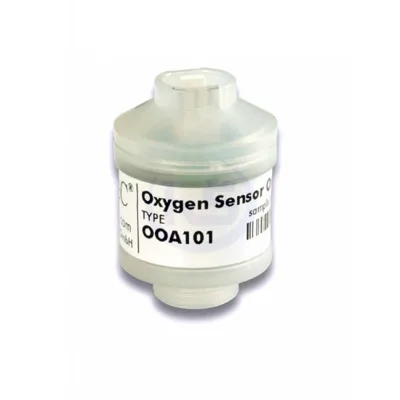
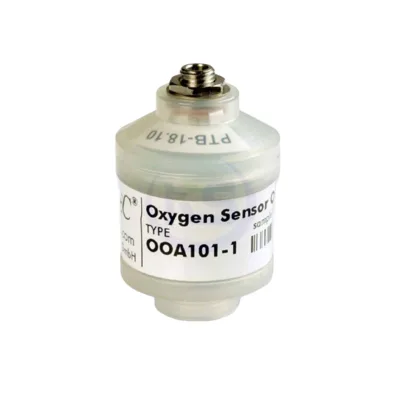
Oom111 Oxygen Sensor Gas Sensor for Anesthesia Machine Medical Replacement Accessories
$100.00 - $1000.00
MOQ: 1 Pieces


Precision Dissolved Oxygen Sensor with 0-20mg/L Range and High Accuracy
$176.00 - $188.00
MOQ: 1 Pieces






Comprehensive Sourcing Guide
Strategic Sourcing Guide for Direct Replacement Oxygen Sensors
The procurement of direct replacement oxygen sensors requires a disciplined approach that balances technical compatibility with supply chain reliability. In the medical and industrial sectors, these components are critical for maintaining operational safety and process integrity. Buyers must navigate a landscape where specifications vary significantly between models, and the term "direct replacement" implies more than just physical fit; it demands electrical and functional equivalence. This guide outlines the essential factors for sourcing these sensors, drawing on observed market data and technical attributes to inform decision-making without relying on unverified claims.
Technical Specifications and Model Compatibility
The primary challenge in sourcing a direct replacement is ensuring that the new unit matches the legacy system's requirements exactly. The market presents a diverse array of models, each with distinct operational parameters. For instance, one observed product line features the model designation OOM111, specifically identified as an oxygen sensor designed for anesthesia machines. This highlights the critical nature of the application, where precision is non-negotiable. Conversely, other available units, such as the RK500-04A and RK500-04B, are characterized by different measurement ranges and output signals. The RK500 series, for example, operates within a range of 0-20mg/L or 0-50mg/L, with an accuracy of 0.2mg/L.
Buyers must scrutinize the power supply requirements, as these vary across the product spectrum. Some units are designed for a supply voltage of 7-28VDC, while others accommodate a broader 7-30VDC range. Mismatching these electrical specifications can lead to sensor failure or damage to the host equipment. Furthermore, the output signal type is a decisive factor. The market includes sensors with analog outputs, such as RS485 and 4-20mA capabilities available simultaneously, as well as switching sensors. The choice between these depends entirely on the interface capabilities of the existing anesthesia machine or industrial control system.
Physical dimensions and material composition also play a vital role in determining direct replaceability. While some sensors are compact, with standards like 1555cm, others are larger, adhering to dimensions such as 300mm80mm50mm. Material selection is equally important; high-end units may utilize all stainless steel 316L for corrosion resistance, whereas others might employ general metal or plastic housings. The principle of operation, such as fluorescent technology, further dictates the sensor's performance characteristics and longevity. A direct replacement must not only fit physically but also align with the underlying sensing principle to ensure accurate readings.
Compliance and Certification Verification
In the medical and industrial sectors, regulatory compliance is not merely a formality but a prerequisite for safe operation. Buyers must verify that any proposed replacement sensor carries the necessary certifications for its intended environment. The observed market data indicates the presence of CE certification, which is a standard requirement for products entering the European market. Additionally, background knowledge suggests that RoHS compliance and adherence to standards like ISO 80601 are often relevant for medical devices, particularly those used in anesthesia applications.
However, buyers should not assume that every listed product meets these standards. The presence of a certification mark on a product page does not guarantee that the specific batch or model in stock is currently certified. It is the buyer's responsibility to request valid documentation from the supplier. For medical applications, the sensor must meet the stringent requirements of ISO 80601, which governs the safety and essential performance of medical electrical equipment. Failure to verify this can result in regulatory penalties and, more critically, patient safety risks.
When evaluating a supplier, request proof of certification that is specific to the model number being purchased. For instance, if the OOM111 model is required for an anesthesia machine, the supplier must provide documentation confirming that this specific unit complies with the relevant medical device directives. Similarly, for industrial applications, the sensor's material and construction must meet environmental safety standards. The "New Original" condition of the product is a positive indicator, but it must be backed by verifiable chain-of-custody documents to ensure the item has not been refurbished or tampered with.
Cost Drivers and Pricing Dynamics
The pricing of oxygen sensors is influenced by a complex interplay of factors, including the technology used, the precision of the measurement, and the volume of the order. The observed price range in the market spans from $0.01 to $1,000, reflecting the vast difference between basic industrial sensors and high-precision medical-grade units. This wide variance underscores the importance of defining the exact technical requirements before soliciting quotes. A sensor with a resolution of 0.01mg/L and a stability of less than 0.2mg/L per year will naturally command a higher price than a unit with lower accuracy and a shorter lifespan.
Minimum Order Quantity (MOQ) is another significant cost driver. The market data shows an MOQ range from 1 piece to 100 pieces. For buyers needing a single replacement part for a critical machine, an MOQ of 1PC is highly advantageous, as it allows for immediate procurement without the burden of excess inventory. However, for large-scale industrial deployments, higher MOQs may offer economies of scale that reduce the unit cost. Buyers should negotiate based on their specific volume needs, balancing the upfront cost against the long-term value of the sensor.
Packaging and logistics also contribute to the total cost of ownership. Products are typically shipped in cartons or neutral packing, with some units specified as "1 Piece Per Box." The choice of packaging can affect the risk of damage during transit, particularly for delicate sensors with sensitive internal components. Additionally, the origin of the product, often listed as China or Shenzhen, can influence shipping times and tariffs. Buyers must factor in these logistical costs when comparing the total landed cost of different suppliers, rather than focusing solely on the unit price.
Typical Applications and Operational Context
Oxygen sensors are deployed in a variety of critical environments, each with unique operational demands. The most prominent application observed is in anesthesia machines, where the sensor's role is to monitor oxygen levels to ensure patient safety during surgical procedures. In this context, the sensor must be highly reliable, with a fast response time and high stability. The observed model OOM111 is explicitly designed for this application, highlighting the specialized nature of medical-grade sensors.
Beyond medical settings, these sensors are widely used in industrial processes. The RK500 series, for example, is marked for industrial usage, where they monitor oxygen levels in gas mixtures or environmental conditions. In these applications, the sensor's ability to withstand harsh environments and provide consistent readings over time is paramount. The material construction, such as all stainless steel 316L, is crucial for resisting corrosion in industrial settings. The response time, with a T90 of less than 40 seconds, ensures that the system can react quickly to changes in oxygen concentration, preventing potential hazards.
The portability of the sensor is another consideration. Some units are designed to be portable, allowing for field testing and mobile monitoring. This feature is particularly useful for maintenance teams who need to verify sensor performance on-site. The installation mode, whether built-in or external, also dictates the application context. Built-in sensors are integrated directly into the equipment, offering a streamlined design, while external sensors may be easier to replace and calibrate. Understanding the specific application context is essential for selecting the right sensor, as a unit designed for industrial use may not meet the stringent requirements of a medical device.
Supplier Evaluation and Quality Assurance
Selecting a reliable supplier is as important as selecting the right product. Buyers should evaluate suppliers based on their ability to provide consistent quality, accurate documentation, and responsive support. The "New Original" condition of the product is a key indicator of quality, but it must be verified through the supplier's reputation and history. A reputable supplier will provide clear information about the product's origin, such as Shenzhen or China, and will be transparent about their inventory status.
Quality control measures are essential to ensure that the sensors meet the specified performance criteria. Buyers should inquire about the supplier's quality assurance processes, including testing procedures for accuracy, repeatability, and stability. For instance, a sensor with a repeatability of 0.05mg/L and a drift of less than 0.2mg/L per year must undergo rigorous testing to confirm these specifications. The supplier should be able to provide test reports or certificates of analysis for the specific batch of sensors being purchased.
Inventory availability is another critical factor. The observed data indicates that many products are "in Stock," which is beneficial for urgent replacement needs. However, buyers should verify the actual stock levels and the supplier's ability to replenish inventory quickly. A supplier with a robust supply chain can ensure that the buyer receives the necessary parts without significant delays. Additionally, the warranty period, such as the 90-day warranty observed in some listings, provides a safety net for the buyer, ensuring that any defects are addressed promptly.
Long-Term Procurement and Lifecycle Management
Procuring oxygen sensors is not a one-time transaction but part of a long-term lifecycle management strategy. Buyers should consider the total cost of ownership, including the sensor's lifespan, maintenance requirements, and the cost of replacement. Sensors with high stability and low drift, such as those with a drift of less than 0.2mg/L per year, offer better long-term value by reducing the frequency of replacements and recalibrations.
Calibration and maintenance are ongoing costs that must be factored into the procurement plan. Buyers should ensure that the supplier offers support for calibration services or provides clear guidelines for in-house calibration. The response time and resolution of the sensor also impact the maintenance schedule; sensors with faster response times and higher resolutions may require more frequent checks to maintain accuracy.
Finally, buyers should plan for the obsolescence of their current equipment. As technology evolves, older models may become difficult to source. By maintaining relationships with suppliers who offer a range of compatible models, buyers can ensure a smooth transition when upgrades or replacements are necessary. The ability to source direct replacements with minimal disruption is a key advantage of working with established suppliers who understand the specific needs of the medical and industrial sectors.
Comparative Analysis of Sensor Attributes
To assist buyers in making informed decisions, the following table summarizes the key attributes of the observed sensor models. This comparison highlights the differences in specifications, applications, and performance metrics.
| Attribute | Model OOM111 | Model RK500-04A | Model RK500-04B | Model SMT04 |
|---|---|---|---|---|
| Product Name | Oxygen Sensor | Oxygen Sensor | Oxygen Sensor | Gas Sensor |
| Application | Anesthesia Machine | Industrial | Industrial | Industrial |
| Range | Not Specified | 0-20mg/L, 0-50mg/L | 0-20mg/L, 0-50mg/L | Not Specified |
| Accuracy | Not Specified | 0.2mg/L | 0.2mg/L | Not Specified |
| Resolution | Not Specified | 0.01mg/L | 0.01mg/L | Not Specified |
| Supply Voltage | Not Specified | 7-30VDC | 7-30VDC | Not Specified |
| Output Signal | Not Specified | RS485 & 4-20mA | Switching Sensor | Analog Type |
| Material | Not Specified | All Stainless Steel 316L | Metal | Plastic |
| Principle | Not Specified | Fluorescent | Not Specified | Not Specified |
| Warranty | 90 Days | Not Specified | Not Specified | Not Specified |
| Condition | New Original | New Original | New Original | New Original |
This table illustrates the diversity of the market and the importance of matching specific requirements to the correct model. Buyers should use this data as a starting point for further investigation, ensuring that all technical and compliance criteria are met before finalizing a purchase. By adhering to these guidelines, buyers can secure high-quality oxygen sensors that ensure safety, reliability, and operational efficiency in their respective applications.
FAQs
What models are available for direct replacement oxygen sensors?
Available models include OOM111, RK500-04A, RK500-04B, SMT04, and k60. These units serve applications like anesthesia machines and industrial processes with varying specifications.
Can I find sensors with CE certification for medical use?
Yes, CE certification is available for certain models like the OOM111. Buyers must verify specific batch documentation to ensure compliance with medical device directives before purchase.
What is the minimum order quantity for these sensors?
The minimum order quantity starts at 1 piece for many items. Some suppliers may require up to 100 pieces, so check specific listings for exact volume requirements.
Which power supply voltage ranges do these sensors support?
Sensors support supply voltages ranging from 7-28VDC to 7-30VDC. Matching the host equipment voltage is critical to prevent sensor failure or damage to the system.
How accurate are the oxygen sensors for industrial applications?
Accuracy varies by model, with some achieving 0.2mg/L or 0.3mg/L precision. Resolution can be as fine as 0.01mg/L for high-precision measurement needs.
What materials are used to construct these oxygen sensors?
Construction materials include all stainless steel 316L, general metal, and plastic. Material choice depends on the required corrosion resistance and environmental durability.
Are these sensors portable for field testing applications?
Yes, portable options are available for on-site monitoring and maintenance. These units allow technicians to verify sensor performance directly in the field without moving equipment.