Source Disposable Jewelry Brightener Cleaner for Necklaces, Rings, and Earrings
Compare 30 listings of Disposable Jewelry Brightener Cleaner from Guangdong suppliers. Buyers can evaluate stock availability, OEM options, and specifications for deep stain removal and anti-oxidation effects on various jewelry types; compare the available evidence and request quotations based on your requirements.
Key considerations
Products List
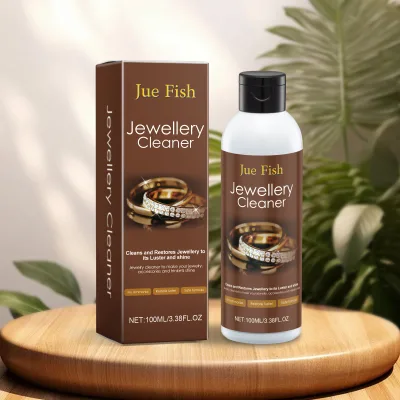
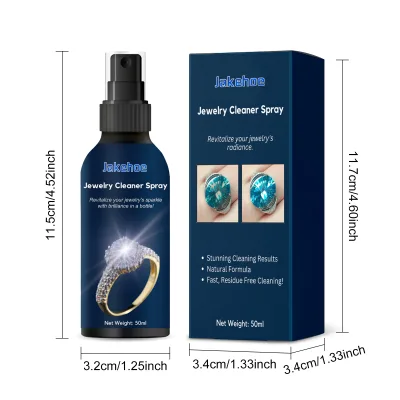
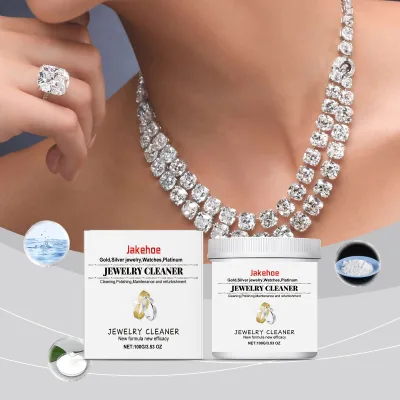
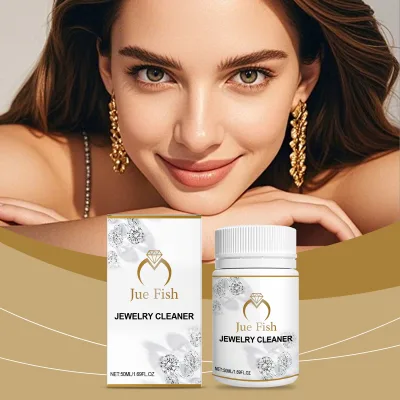
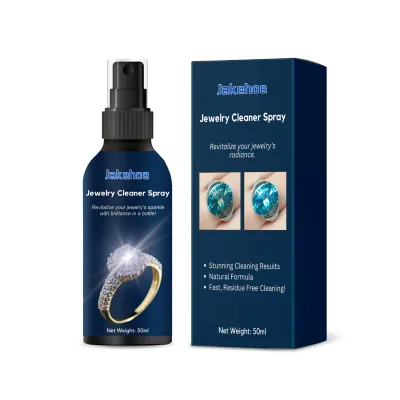


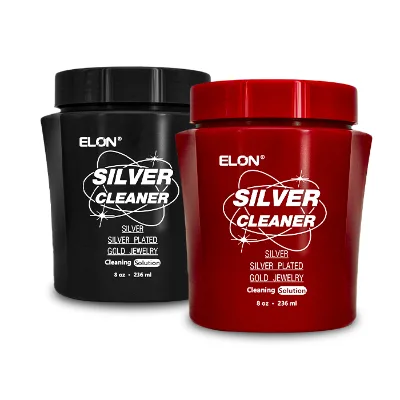
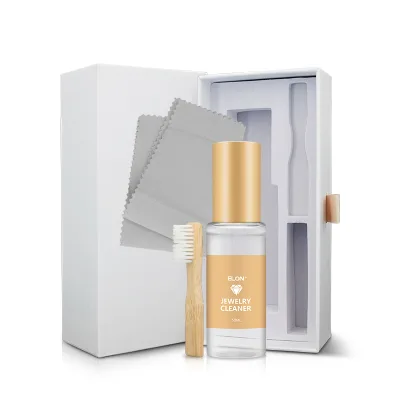
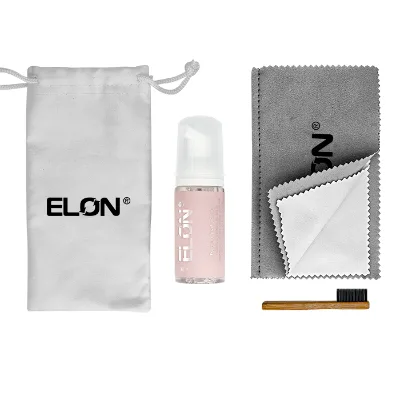
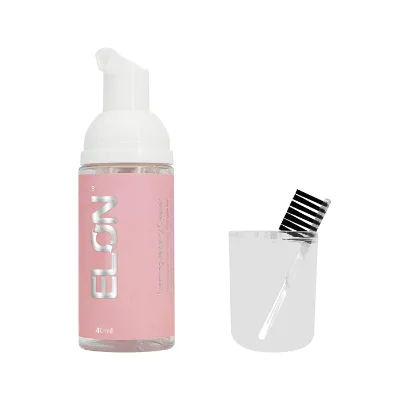
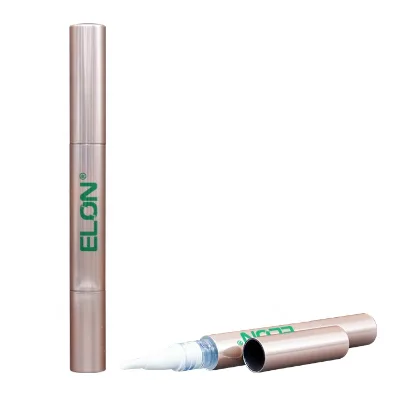


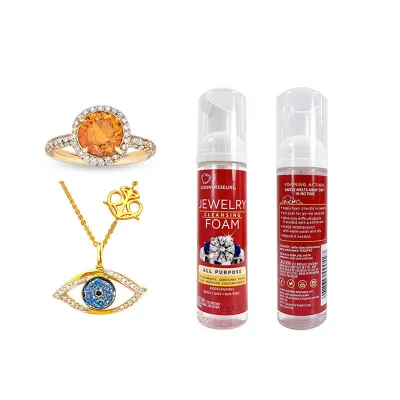
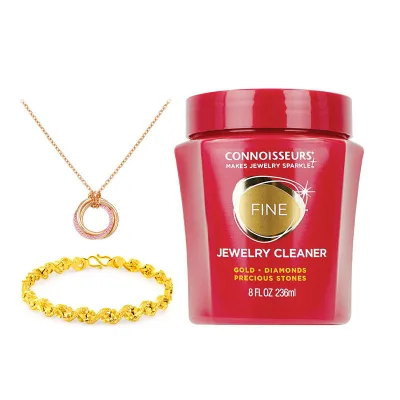

45kHz Mini Ultrasonic Jewelry Cleaner Retainer Cleaner for Jewelry Eyeglasses
$4.99 - $7.82
MOQ: 500 Pieces


Comprehensive Sourcing Guide
Disposable Jewelry Brightener Cleaner Sourcing Guide
Sourcing disposable jewelry brightener cleaners requires a clear understanding of the product’s functional scope and the specific market signals that indicate availability. Buyers often encounter listings that emphasize rapid decontamination and deep stain removal, which are critical for maintaining the luster of gold, silver, and other precious metals. The observed product range includes liquid solutions and aerosol sprays, each designed to restore shine and remove tarnish effectively. It is essential to distinguish between products marketed as general household cleaners and those specifically formulated for delicate jewelry applications.
The current market landscape shows a significant presence of stocked items, allowing for quicker fulfillment compared to custom manufacturing runs. Many suppliers offer OEM and ODM services, enabling brands to customize logos and packaging while leveraging existing inventory. This hybrid approach reduces lead times for branded products without sacrificing the ability to tailor the solution to specific customer needs. Buyers should verify whether the "stocked" status applies to the base formula or the final packaged unit, as this distinction impacts order flexibility and minimum order quantities.
Product Scope and Observed Listing Signals
The product scope for disposable jewelry brighteners encompasses a variety of formulations, including liquid agents and aerosol sprays, each with distinct application methods. Observed listings highlight features such as anti-bacterial effects, deodorizing properties, and anti-oxidation capabilities, which add value beyond simple cleaning. The active ingredient content typically ranges from 50% to 80%, indicating a concentrated formula that requires careful handling and dilution protocols. Buyers must assess whether the product’s shape and viscosity suit their intended use case, whether it is for professional jewelry stores or direct-to-consumer retail.
Listing signals also reveal important details about packaging and physical attributes, such as single package sizes ranging from compact cubes to elongated bottles. These dimensions influence shipping costs and storage efficiency, particularly for bulk orders. The presence of customized logo acceptance suggests a mature supply chain capable of supporting private label initiatives. However, buyers should confirm if the "disposable" aspect refers to single-use packets or the broader category of ready-to-use liquid solutions, as this affects the user experience and waste management considerations for the end consumer.
Technical Specifications to Verify
Technical verification begins with confirming the model numbers and corresponding physical specifications, such as single gross weight and package dimensions. For instance, models like CF-DP-590 and CF-DP-374 exhibit different weights and sizes, which directly impact logistics planning and shelf space requirements. Buyers should request detailed spec sheets that outline the volume per box, such as 50ml or 100ml, to ensure alignment with their pricing strategy and product positioning. Accurate weight data is crucial for calculating landed costs, especially when importing from regions like Guangdong, China.
Additionally, the formulation’s chemical profile, including fragrance types like lemon, should be verified for compatibility with sensitive materials. The effect of the cleaner, whether it focuses on brightening, coloring, or rust removal, must match the target jewelry types. Buyers need to confirm if the product is suitable for all jewelry types or if it has limitations regarding gemstones or specific metal alloys. Understanding the precise application method, whether it is a soak, spray, or wipe, ensures that the end-user can achieve the desired results without damaging their valuable items.
Compliance and Safety Documentation
Compliance and safety documentation are paramount when sourcing chemical products intended for consumer use. Buyers must ensure that suppliers provide Material Safety Data Sheets (MSDS) that detail the handling, storage, and disposal requirements for the brightener. Although general certifications like ISO 9001 or CE may be mentioned in background information, buyers should verify the specific regulatory status for their target market, such as REACH in Europe or EPA regulations in the United States. This verification process helps mitigate legal risks and ensures that the product meets local safety standards.
Furthermore, the eco-friendly claims made by suppliers should be substantiated with appropriate certifications or third-party testing results. Buyers should inquire about the biodegradability of the packaging and the toxicity level of the active ingredients. Clear labeling requirements, including hazard symbols and usage instructions, must be confirmed to ensure that the final product is compliant with consumer protection laws. Proper documentation not only protects the buyer from liability but also enhances brand trust among environmentally conscious consumers.
Cost Drivers and Commercial Terms
Cost drivers for disposable jewelry brighteners include the concentration of active ingredients, packaging complexity, and the extent of customization required. Products with higher active ingredient content or specialized fragrances may command a premium price, while basic formulations offer more competitive rates. The observed price range varies significantly, reflecting differences in quality, volume, and service levels. Buyers should analyze the cost per unit in the context of the minimum order quantity (MOQ), which can range from small trial orders to large bulk purchases.
Commercial terms such as payment methods, shipping incoterms, and lead times are critical for effective procurement planning. Suppliers offering OEM services may have longer lead times due to the customization process, whereas stocked items can be shipped quickly. Buyers should negotiate clear terms regarding quality guarantees and return policies for defective batches. Understanding the total landed cost, including duties and freight, is essential for accurate margin calculation and ensuring that the final retail price remains competitive in the market.
Supplier Qualification and Quality Control
Supplier qualification involves assessing the manufacturer’s production capabilities, quality control processes, and track record in the jewelry care industry. Buyers should verify the supplier’s ability to maintain consistent product quality across batches, particularly for liquid formulations where separation or inconsistency can occur. Requesting samples for testing is a crucial step to evaluate the cleaner’s effectiveness, scent, and impact on various jewelry materials. Suppliers with established OEM/ODM experience are often better equipped to handle custom requirements and maintain high standards.
Quality control measures should include regular inspections of raw materials, in-process checks during manufacturing, and final product testing before shipment. Buyers should inquire about the supplier’s defect rate and their procedures for addressing quality issues. Establishing a clear communication channel for feedback and continuous improvement helps build a strong partnership. Additionally, verifying the supplier’s production capacity ensures that they can meet demand fluctuations without compromising quality or delivery schedules.
Long-Term Procurement Checks
Long-term procurement checks focus on maintaining product quality, supply chain stability, and market relevance over time. Buyers should conduct periodic audits of the supplier’s facilities and quality management systems to ensure ongoing compliance with agreed-upon standards. Regular performance reviews, based on delivery times, product consistency, and customer feedback, help identify potential issues early. Maintaining a diversified supplier base can mitigate risks associated with single-source dependencies and ensure continuity of supply.
Market trends in jewelry care, such as the growing demand for eco-friendly and non-toxic products, should be monitored to keep the procurement strategy aligned with consumer preferences. Buyers should stay informed about regulatory changes that may impact the formulation or labeling of jewelry cleaners. Continuous engagement with suppliers for innovation and improvement opportunities can lead to better products and cost efficiencies. By proactively managing these long-term factors, buyers can sustain a competitive advantage and deliver value to their customers.
FAQs
How is the product packaged for shipping?
The product comes in a single box with a volume of 100ml or 50ml depending on the specific model. Each package has a single gross weight of approximately 0.110 to 0.170 kg. The dimensions vary slightly between models, ranging from 3.4 to 6.5 cm in width and depth.
What is the active ingredient content percentage?
The active ingredient content ranges inclusively from 50% to 80% in the liquid formulation. This concentration ensures effective deep stain removal and anti-bacterial properties while maintaining safety for household cleaning applications on various jewelry types.
Can I request a customized logo on the bottle?
Yes, customized logo acceptance is available for this OEM and ODM service. Buyers can request private labeling to match their brand identity. The product supports flexible customization options for packaging and branding requirements during the manufacturing process.
Where is the manufacturing location for this cleaner?
The place of origin is Guangdong, China, where the manufacturing facilities are located. This region is known for producing household chemicals and jewelry care solutions. All listed products originate from this specific geographic area in the supply chain.
What are the key features of this cleaner?
Key features include being eco-friendly, stocked for immediate availability, and offering rapid decontamination. The liquid agent provides anti-oxidation, brightening, and coloring effects while removing rust and dust. It is also non-toxic and suitable for long-term jewelry care.
Which model numbers are available for this product?
Available model numbers include CF-DP-590, CF-DP-374, CF-DP-580, and CF-DP-576. Each model corresponds to specific package sizes and functional attributes like aerosol spray or liquid detergent forms. These identifiers help distinguish between different product configurations.
How does the product handle tarnish on jewelry?
The product functions as an anti-tarnish polishing brightening liquid agent for jewelries. It effectively removes rust and dust while restoring the original shine. The formula is designed to work on all types of jewelry to prevent oxidation and maintain color.