Source Odor Absorbing Baking Soda for baking, cleaning, and odor control
Compare 30 listings for Odor Absorbing Baking Soda from Chinese manufacturers. Buyers can evaluate purity levels, packaging options, and certifications like ISO and GMP to find suitable industrial or food-grade supplies.
Key considerations
Products List


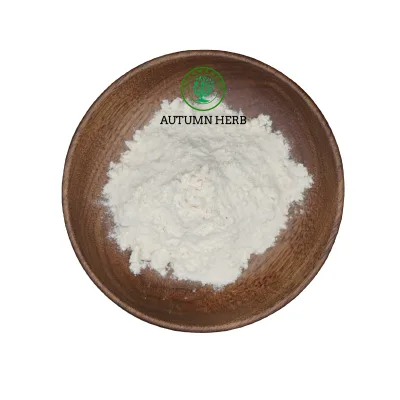


No Odor Edible Baking Soda 99% CAS 144-55-8 Sodium Bicarbonate White Powder
$146.00 - $201.00
MOQ: 20 Tons


Comprehensive Sourcing Guide
Strategic Sourcing Guide for Odor-Absorbing Baking Soda
Procuring odor-absorbing baking soda requires a disciplined approach that distinguishes between food-grade applications and industrial-grade utility. The core keyword "Odor Absorbing Baking Soda" typically refers to sodium bicarbonate, a versatile compound valued for its alkaline properties and ability to neutralize acidic odors. In the global B2B market, this product is sourced primarily from manufacturing hubs in China, where suppliers offer a wide range of specifications, packaging options, and certifications. Buyers must navigate a complex landscape of product grades, from those suitable for human consumption to those intended for heavy industrial use, ensuring that the selected material aligns precisely with the intended application while meeting regulatory and quality standards.
Technical Specifications and Chemical Identity
Understanding the fundamental chemical identity of the product is the first step in any sourcing strategy. The primary chemical component for odor absorption is sodium bicarbonate, identified by the molecular formula NaHCO3 and the CAS number 497-19-8. The molecular weight for this compound is approximately 105.99 g/mol. In the marketplace, buyers will encounter variations in purity and physical appearance that directly impact performance. High-quality odor-absorbing agents typically present as a white powder or white powdered crystal.
Purity is a critical differentiator. Market observations indicate that food-grade variants often boast a minimum purity of 99.2%, while industrial grades may range from 90% to 99% or higher, with some specifications requiring a minimum of 99%. The solubility profile is another essential technical attribute; sodium bicarbonate is easily soluble in water, a characteristic that facilitates its use in cleaning solutions and chemical processes. The classification of the product is often listed as "Carbonate," specifically "Sodium Bicarbonate," though some listings may refer to "Sodium Carbonate" (Na2CO3) with a molecular formula of Na2CO3 and CAS 497-19-8, which buyers must carefully distinguish as the chemical properties differ significantly.
Granularity also plays a role in efficacy. Some industrial specifications list granularity at 99.5%, indicating a high degree of uniformity in particle size, which can affect the surface area available for odor neutralization. The standard classification for these products often includes "Food Grade" or "Industrial Grade," and sometimes a dual designation like "Food Grade Industry Grade" depending on the purity level and intended use case.
Compliance, Certification, and Regulatory Standards
For B2B procurement, verifying compliance with international and local standards is non-negotiable. The supply chain for sodium bicarbonate is heavily regulated, particularly when the product is intended for food contact or pharmaceutical applications. Buyers should expect to see certifications such as GMP (Good Manufacturing Practice), ISO, and QS (Quality System) on product documentation. Specific standards like ISO 9001 are frequently cited, indicating a supplier's commitment to quality management systems.
In addition to general quality certifications, buyers should look for specific product certificates such as COA (Certificate of Analysis), BV (Bureau Veritas), and SGS reports. These documents provide third-party verification of the product's chemical composition, purity, and safety. For industrial applications, RoHS compliance may also be relevant, ensuring the material does not contain restricted hazardous substances. The product standard is often listed as FCC (Food Chemicals Codex) for food-grade items, while industrial grades may adhere to other unspecified standards or internal company specifications.
It is crucial to note that while many suppliers list "ISO" or "ISO 9001" as a certification, buyers must verify the validity of these certificates through the issuing bodies. The presence of a certification on a product listing does not automatically guarantee that every batch meets the standard; it indicates the supplier's capability to produce compliant goods. Buyers should request current, batch-specific COAs to ensure that the specific shipment meets the required purity and safety thresholds before finalizing the purchase.
Cost Drivers and Pricing Dynamics
The pricing of odor-absorbing baking soda is influenced by several factors, including grade, purity, packaging, and order volume. The observed price range in the market spans from $0.40 to $1,400, a wide variance that reflects the difference between bulk industrial raw materials and specialized, high-purity food-grade packaging. The minimum order quantity (MOQ) is another significant cost driver, ranging from 1 unit to 500 units, with some industrial suppliers requiring substantial bulk orders, such as 27 tons, to achieve optimal pricing.
Packaging costs are embedded in the final price. Common packaging formats include PP bags with PE liners inside, which protect the product from moisture and contamination. Standard weights for these bags are 25kg, 50kg, or 100kg, with bulk options available up to 1000kg. The choice of packaging directly impacts the unit price; smaller, retail-ready packages will carry a higher cost per kilogram compared to bulk industrial bags. Customization of packaging is often available, which can add to the cost but may be necessary for specific logistics or branding requirements.
Lead times also affect the total cost of ownership. Typical delivery times are within 15 days, but this can vary based on the supplier's location, specifically in regions like Shandong, China. Buyers should factor in potential delays due to customs clearance, shipping logistics, and seasonal demand fluctuations. Understanding these cost drivers allows procurement teams to negotiate more effectively and select suppliers that offer the best balance between price, quality, and delivery speed.
Typical Applications and Usage Scenarios
The versatility of sodium bicarbonate makes it suitable for a broad spectrum of applications. In the food industry, it is used for digestion support, energy replenishment, and increasing milk production in livestock, highlighting its role as a nutritional additive. For odor absorption specifically, its alkaline nature allows it to neutralize acidic odors in various environments.
In industrial settings, sodium bicarbonate is utilized in metallurgy, glass manufacturing, textile processing, and dye printing. Its classification as a "Basic Material" underscores its role as a foundational chemical in these processes. The product is also employed in general cleaning and deodorizing applications, where its ability to absorb moisture and neutralize odors is highly valued. The "Other Names" for the product often include "Baking Soda," which is the common commercial term used in consumer and industrial contexts.
Buyers must match the product grade to the application. Food-grade sodium bicarbonate is required for any application involving human consumption or animal feed, while industrial-grade products are suitable for manufacturing and cleaning processes where food safety is not a concern. The distinction is critical, as using an industrial-grade product in a food application could lead to regulatory violations and safety hazards.
Supplier Evaluation and Geographic Considerations
When evaluating suppliers, geographic origin is a key factor. The majority of the supply for sodium bicarbonate originates from China, with specific manufacturing hubs in regions like Shandong. This concentration of production allows for competitive pricing and a wide variety of product options. However, buyers should conduct thorough due diligence on suppliers regardless of location, verifying their production capacity, quality control processes, and export history.
Supplier evaluation should focus on the consistency of their product offerings. While some listings may claim high purity or specific certifications, buyers must verify these claims through independent testing and documentation. The availability of customization options, such as tailored packaging or specific purity levels, can also indicate a supplier's flexibility and commitment to meeting client needs. Additionally, the supplier's ability to provide a Certificate of Analysis (COA) and other relevant documentation is a strong indicator of reliability.
Buyers should also consider the supplier's track record in handling logistics and delivery. With lead times typically within 15 days, suppliers with efficient supply chains can ensure timely delivery, reducing the risk of production delays. It is advisable to request references or case studies from previous clients to gauge the supplier's performance in real-world scenarios.
Quality Control and Long-Term Procurement Strategies
Implementing a robust quality control (QC) strategy is essential for maintaining the integrity of odor-absorbing baking soda supplies. Buyers should establish clear specifications for purity, appearance, and solubility before placing orders. Regular sampling and testing of incoming shipments can help identify any deviations from the agreed-upon standards. The shelf life of the product is another critical factor, with typical durations ranging from 12 months to 2 years. Proper storage conditions are necessary to maintain the product's efficacy over this period.
For long-term procurement, building a strategic partnership with reliable suppliers is more beneficial than engaging in one-off transactions. This approach allows for better negotiation of pricing, consistent quality, and priority treatment during periods of high demand. Buyers should also consider the environmental impact of their procurement decisions, looking for suppliers who adhere to sustainable manufacturing practices and offer eco-friendly packaging options.
In conclusion, sourcing odor-absorbing baking soda requires a comprehensive understanding of the product's technical specifications, regulatory requirements, and market dynamics. By carefully evaluating suppliers, verifying certifications, and implementing strict quality control measures, buyers can secure a reliable supply of high-quality sodium bicarbonate that meets their specific needs. The wide range of available options, from food-grade to industrial-grade, ensures that there is a suitable product for every application, provided that the buyer conducts thorough due diligence and maintains a focus on quality and compliance.
FAQs
What certifications are available for Odor Absorbing Baking Soda?
Products often carry ISO, GMP, QS, BV, SGS, and RoHS certifications. Buyers should verify specific certificates like ISO 9001 or COA to ensure quality compliance for their intended application.
How is the product typically packaged for shipment?
Common packaging includes PP bags with PE liners inside, available in 25kg, 50kg, or 1000kg weights. Customization options are often available to meet specific logistical or branding requirements.
What is the minimum order quantity for industrial buyers?
MOQs range from 1 unit to 500 units depending on the supplier. Some industrial sources require bulk orders, such as 27 tons, to achieve optimal pricing and supply conditions.
Where are the main manufacturing origins for this product?
The primary origin is China, with specific manufacturing hubs located in regions like Shandong. Buyers should consider these locations when evaluating lead times and logistics costs.
Can the product be customized for specific purity levels?
Customization is available for various specifications including purity ranging from 90% to 99.5%. Suppliers can adjust grades to meet Food Grade or Industrial Grade requirements as needed.
What is the typical delivery time for orders?
Delivery times are typically within 15 days from the supplier location. Actual lead times may vary based on order volume, packaging customization, and current shipping conditions.
Which chemical specifications define the product quality?
Key specifications include a molecular formula of NaHCO3, purity of 99.2% minimum, and a white powder appearance. Solubility is easily soluble in water, and the shelf life exceeds 12 months.