Source Dishwasher Detergent Tablets for Tableware, Appliances, and Kitchen
Compare 30 listings of Dishwasher Detergent Tablets featuring varied forms, scents, and functions. Buyers can evaluate options for tableware, household appliances, and kitchen use with different packaging and active ingredient contents.
Key considerations
Products List


Private Label Kitchen Detergent Dishwasher Tablets
$0.04 - $0.07
MOQ: 200000 Pieces
Hangzhou Miuge Chemical Commodities Science & Technology Co., Ltd.


Automatic Dish Washing Tablet Eco Dishwasher Soap Tablets
$0.03 - $0.08
MOQ: 100000 Pieces
Hangzhou Miuge Chemical Commodities Science & Technology Co., Ltd.

20g Dishwash Tablets for Dishwasher Washing Machine
$0.04 - $0.07
MOQ: 200000 Pieces
Hangzhou Miuge Chemical Commodities Science & Technology Co., Ltd.


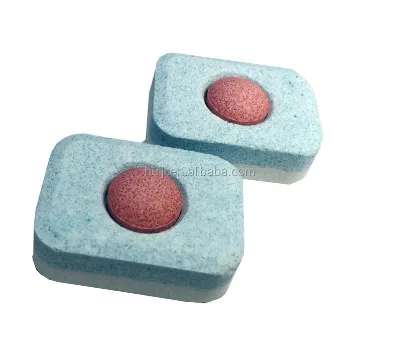
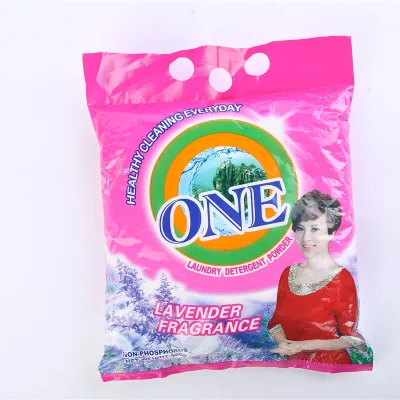
Washing Machine Cleaner Tablets Liquid Detergent Dishwasher Factory Price
$300.00 - $1000.00
MOQ: 26 Minimum

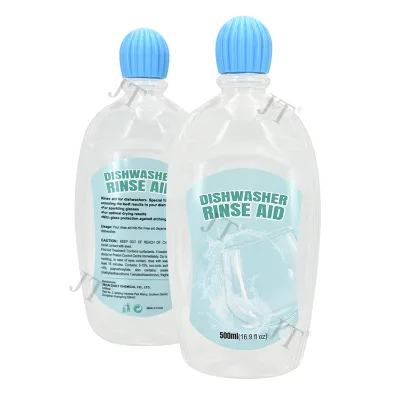


Household Kitchen Cleaner Dishwashing Paste Cleaning Soap Paste Factory
$6.00 - $12.00
MOQ: 200 Pieces

Comprehensive Sourcing Guide
Strategic Sourcing Guide for Dishwasher Detergent Tablets
The global market for Dishwasher Detergent Tablets has evolved into a complex sector where efficiency, environmental compliance, and supply chain reliability intersect. For B2B procurement professionals, sourcing these products requires a nuanced understanding of formulation chemistry, packaging logistics, and supplier capabilities. Unlike consumer-grade retail items, industrial and bulk procurement demands rigorous verification of active ingredient content, dissolution rates, and compatibility with various dishwashing machinery. This guide synthesizes available market data to provide a structured approach for evaluating suppliers and specifications, ensuring that procurement decisions are grounded in verifiable facts rather than marketing assertions.
Technical Specifications and Formulation Analysis
The technical architecture of Dishwasher Detergent Tablets is defined by a balance of cleaning agents, enzymes, and rinse aids. The observed product landscape indicates a diversity in formulation types, ranging from concentrated liquids to solid powder and tablet forms. A critical specification for buyers is the active ingredient content, which typically ranges between 50% and 80% in high-performance formulations. This percentage directly correlates with the cleaning efficacy and the volume of product required per cycle.
When evaluating product models such as DT100 or DT40, buyers must scrutinize the physical form factor. While some listings describe the product as a "liquid" or "powder," the specific keyword focus on tablets implies a solid, compressed form designed for automated dispensing. The standard weight per unit is a vital metric; observed data points to a standard of 20g per piece for certain tablet models, while other specifications may vary based on the "8g, 10g, 15g, 20g" standard range found in related product lines. The physical dimensions of the tablets, often cited in packaging standards like 110 x 110 x 120 cm for pallet configurations, indicate the density and storage requirements for bulk orders.
Furthermore, the functional attributes of the tablets are paramount. The market data highlights features such as "Strong Decontamination," "Strong Oil-Removal," and "Sterilization." These claims suggest the presence of specific enzymatic or chemical agents designed to break down proteins, starches, and fats. The scent profile is another variable, with options ranging from "Natural Fragrance" and "Fruit Scent" to "Unscented" and specific flavors like "Lemon." Procurement teams must align these sensory attributes with the end-user's expectations, particularly in hospitality or healthcare settings where unscented or hypoallergenic options may be required.
Compliance, Certification, and Safety Standards
Navigating the regulatory landscape for dishwasher detergents requires careful attention to chemical safety and environmental standards. While specific certification names are not universally listed in the provided data, the presence of "Sterilization" and "Anti-Bacterial" functions implies compliance with health and safety regulations regarding microbial reduction. Buyers must verify that suppliers adhere to local and international chemical safety standards, such as those governing heavy metals, phosphates, and biodegradability.
The origin of the products is a significant factor in compliance. The majority of observed listings indicate production in China, specifically in the Zhejiang province. This region is a major hub for chemical manufacturing, but it necessitates rigorous due diligence regarding the supplier's adherence to export regulations. For instance, the "prod_standard" field lists specific weight and dimension requirements, but buyers should also verify that the manufacturing process meets ISO standards for quality management and environmental protection.
Additionally, the "Active Ingredient Content" of 50%~80% must be verified through third-party laboratory testing to ensure that the product does not exceed regulatory limits for hazardous substances. In the European Union and North America, regulations regarding phosphates and nitrates are strict. Buyers should request Material Safety Data Sheets (MSDS) and certificates of analysis (CoA) for every batch to confirm that the "Strong Oil-Removal" and "Sterilization" claims are backed by compliant chemical formulations.
Cost Drivers and Pricing Dynamics
The pricing structure for Dishwasher Detergent Tablets is influenced by several volatile factors, including raw material costs, packaging complexity, and order volume. The observed price range in the market spans from $0.02 to $30,000, reflecting the vast difference between a single unit cost and a bulk container value. This wide range underscores the importance of defining the scope of procurement clearly. A unit price of $0.02 likely refers to a single tablet or a small sample, whereas the upper end of the range represents a full container or palletized shipment.
The Minimum Order Quantity (MOQ) is a primary cost driver, with observed ranges from 1 to 200,000 units. Suppliers often offer tiered pricing structures where the unit cost decreases significantly as the order volume increases. For example, an MOQ of 500 units is noted for specific tablet models, suggesting that smaller buyers may face higher per-unit costs. Buyers should negotiate based on their projected annual consumption to secure favorable pricing tiers.
Packaging also impacts the final cost. The data shows variations in packaging types, including "Bags," "Plastic Boxes," "Cartons," and "Pallets." Customized packaging, which is listed as "Available," will incur additional tooling and setup fees. Furthermore, the "Lead Time" of 5 days for samples and 35 days for mass production affects cash flow and inventory planning. Longer lead times may necessitate higher safety stock levels, indirectly increasing holding costs. Buyers must factor in these logistical timelines when calculating the total cost of ownership.
Typical Applications and Usage Scenarios
Dishwasher Detergent Tablets are designed for a broad spectrum of applications, extending beyond simple household use. The observed usage categories include "Tableware & Cookware," "Fruit & Vegetable," and "Household Appliance" cleaning. This versatility suggests that certain formulations are robust enough to handle food residues on produce or delicate items, in addition to heavy-duty kitchenware.
In commercial settings, such as restaurants, hotels, and institutional kitchens, the "Strong Oil-Removal" and "Cleaning" functions are critical. These environments generate high volumes of greasy waste, requiring tablets that can maintain performance under continuous, high-temperature cycles. The "Concentrated" type mentioned in the data is particularly relevant for commercial buyers, as it reduces the storage footprint and shipping volume compared to non-concentrated alternatives.
The "Single, 3 In1, 4 in 1, 5 in 1" chamber specifications indicate multi-functional tablets that combine detergent, rinse aid, and salt in a single unit. These are ideal for machines that lack separate dispensing compartments, offering convenience and reducing the risk of user error. However, buyers must ensure that the specific machine model they are servicing is compatible with these multi-function tablets. For instance, "Household Appliance" usage implies compatibility with standard residential dishwashers, while "Tableware & Cookware" usage suggests suitability for commercial warewashing machines.
Supplier Evaluation and Verification
Selecting a reliable supplier is the cornerstone of a successful procurement strategy. The data indicates that suppliers are located primarily in Zhejiang, China, but the sheer number of listings requires a systematic vetting process. Buyers should prioritize suppliers who offer "Customization" services, as this indicates flexibility in meeting specific formulation or packaging requirements.
Key evaluation criteria include the supplier's ability to provide consistent quality control. The "Lead Time" of 35 days for mass production suggests a need for robust production planning. Buyers should assess the supplier's capacity to handle large orders, given the observed MOQ of up to 200,000 units. A supplier with a proven track record of meeting these volumes without compromising quality is essential.
Transparency in product specifications is another critical factor. The "prod_model" identifiers like DT100, DT40, and dw002 suggest that suppliers maintain a structured product catalog. Buyers should verify that the specifications provided for these models match the actual product delivered. Requesting samples for testing is a standard practice, with the observed 5-day sample lead time facilitating this process. During the evaluation, buyers should also inquire about the supplier's quality assurance protocols, including how they handle batch-to-batch consistency in active ingredient content and scent profiles.
Quality Control and Long-Term Procurement Considerations
Ensuring long-term success in sourcing Dishwasher Detergent Tablets requires a proactive approach to quality control. The "Feature" attributes such as "Sterilization" and "Strong Decontamination" must be validated through regular testing. Buyers should establish a protocol for periodic sampling and analysis to ensure that the product continues to meet the specified "Active Ingredient Content" of 50%~80%. Deviations in this range could indicate formulation drift or raw material substitution.
Packaging integrity is another area of focus. The "prod_packing" options, ranging from "Plastic Wrap" to "Carton" and "Pallet," must be evaluated for durability during transit. Moisture is a known enemy of detergent tablets, as it can cause them to dissolve or clump before use. Buyers should verify that the packaging provides adequate moisture barriers, especially for products stored in humid environments.
Long-term procurement considerations also involve supply chain resilience. The "Lead Time" of 35 days for mass production means that buyers must maintain a buffer stock to mitigate potential disruptions. Diversifying the supplier base, even within the same region, can reduce the risk of supply shortages. Additionally, buyers should monitor market trends for changes in raw material costs or regulatory requirements that could impact the product's performance or compliance status.
Comparative Analysis of Product Attributes
To facilitate decision-making, the following table summarizes key attributes observed in the market for Dishwasher Detergent Tablets. This comparison highlights the variability in specifications that buyers must navigate.
| Attribute Category | Observed Options | Procurement Consideration |
|---|---|---|
| Form | Liquid, Powder, Tablet | Tablets offer convenience; verify dissolution time. |
| Active Ingredient | 50% ~ 80% | Higher content may reduce dosage but requires verification. |
| Scent | Natural, Fruit, Lemon, Unscented | Match to brand identity or user preference. |
| Usage | Tableware, Cookware, Appliances, Produce | Ensure compatibility with specific machine types. |
| Packing | Box, Bag, Pallet, Plastic Wrap | Check moisture resistance and storage efficiency. |
| MOQ | 500 to 200,000 units | Negotiate based on volume tiers and cash flow. |
| Lead Time | 5 Days (Sample), 35 Days (Mass) | Plan inventory cycles accordingly. |
| Origin | China (Zhejiang) | Verify export compliance and logistics capabilities. |
In conclusion, sourcing Dishwasher Detergent Tablets requires a methodical approach that balances technical specifications with commercial realities. By focusing on verified attributes such as active ingredient content, packaging integrity, and supplier lead times, buyers can mitigate risks and secure a reliable supply chain. The diversity of options available, from single-function to multi-chamber tablets, allows for tailored solutions that meet the specific needs of various applications. Ultimately, the success of the procurement process depends on rigorous due diligence and a commitment to quality assurance throughout the supply chain.
FAQs
What is the active ingredient content for these tablets?
The active ingredient content typically ranges between 50% and 80%. This high concentration ensures strong decontamination and oil removal capabilities for both household and commercial applications.
Which form factors are available for dishwasher tablets?
Products are available in liquid, powder, and tablet forms. Specific tablet models like DT100 and DT40 offer concentrated cleaning solutions designed for automated dispensing in various dishwashing machines.
Can I customize the packaging and scent of the tablets?
Yes, customization is available for packaging and scent profiles. Buyers can select from natural, fruit, lemon, or unscented options, with packaging choices including boxes, bags, or pallets.
How long does it take to receive samples and mass production?
Samples are ready within 5 days, while mass production requires 35 days. This lead time allows for quality verification before committing to large orders with minimum quantities.
What is the standard weight per piece for the tablets?
The standard weight per piece is often 20 grams. Other specifications may vary, with some product lines offering standards ranging from 8 grams to 20 grams per unit.
Which regions are the primary manufacturing locations for these products?
Most products originate from China, specifically the Zhejiang province. This region is a major hub for chemical manufacturing and offers a wide range of sourcing options for bulk orders.