Source Disposable Hockey Stick Tape for blade protection, grip, and wrapping
Compare 30 listings of Disposable Hockey Stick Tape from verified suppliers. Buyers can evaluate cotton and cloth fabric options with zinc oxide or acrylic glue for ice hockey blade wrapping and non-slip grip applications; compare the available evidence and request quotations based on your requirements.
Key considerations
Products List
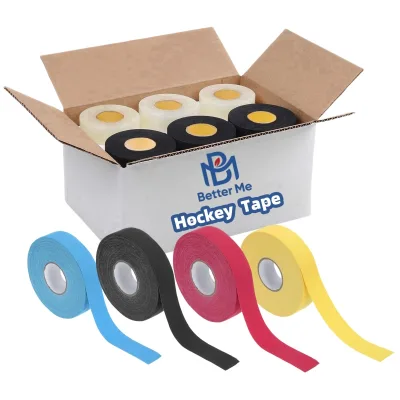
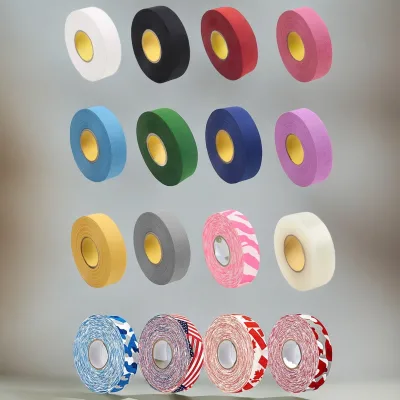
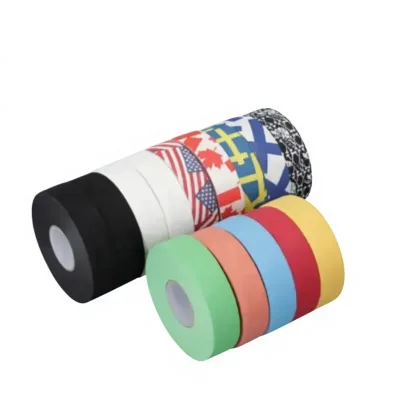


Hockey Stick Tape for Socks and Gear, Easy to Stretch and Tear Hockey Tape
$0.80 - $1.20
MOQ: 1000 Pieces


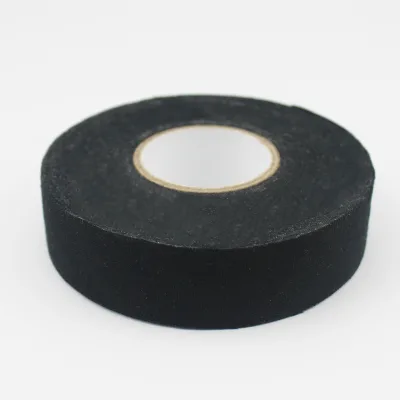


Wholesale CE Custom Logo Adhesive Ice Hockey Stick Grip Tape Sport Tape
$0.50 - $2.00
MOQ: 10000 Pieces


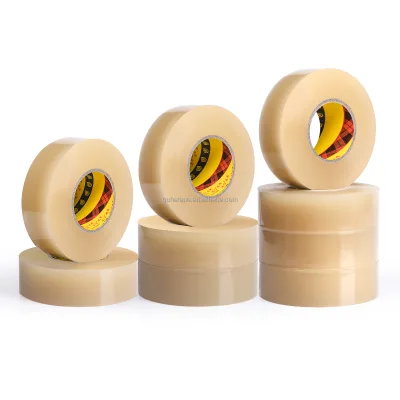

Sticky Tape Anti-Slip Wear-Resistant Sports Waterproof Tape Hockey Tape
$0.35 - $1.17
MOQ: 3000 Pieces


Comprehensive Sourcing Guide
Disposable Hockey Stick Tape Sourcing Guide
Sourcing Disposable Hockey Stick Tape requires a nuanced understanding of material composition, adhesive performance, and application-specific requirements. Buyers must distinguish between products marketed for sports performance and those intended for medical or general-purpose use, as the underlying materials and regulatory standards differ significantly. The observed market data indicates a diverse range of offerings, from cotton-based athletic tapes to specialized medical bandages, necessitating careful verification of product attributes before placing bulk orders.
Procurement decisions should be driven by the specific end-use environment, whether it involves high-intensity ice hockey gameplay, indoor sports facilities, or general entertainment applications. Understanding the distinction between waterproof, anti-allergy features and standard breathable fabrics is critical for ensuring product suitability. Buyers must also consider customization options, including logo printing and packaging, which can impact both brand visibility and logistical efficiency in international supply chains.
Product Scope and Observed Listing Signals
The current market landscape for hockey tape reveals a wide spectrum of product types, ranging from traditional cotton cloth fabrics to specialized supporting bandages with print patterns. Observed listings highlight variations in width, such as 1-inch or 2.5cm options, and lengths extending up to 25 meters, catering to different wrapping needs for hockey blades or other equipment. These physical specifications directly influence the user experience, affecting grip, durability, and ease of tearing during gameplay or maintenance routines.
Adhesive technology is a primary differentiator among suppliers, with options including zinc oxide, acrylic glue, latex-free formulations, and hot-melt glues. Buyers must verify the presence of latex to accommodate athletes with allergies, ensuring the product is safe for unisex adult use. Additionally, features like strong stickiness, breathability, and waterproof capabilities are frequently cited, requiring validation through sample testing to confirm that these attributes hold up under real-world conditions of sweat, moisture, and friction.
Technical Specifications to Verify
Verifying technical specifications is essential to ensure the tape meets the mechanical demands of hockey equipment. Key parameters include the single package size, typically around 15x13x5 cm, and the gross weight, which averages 0.100 kg per unit. These dimensions affect storage density and shipping costs, making them critical for logistics planning. Buyers should also confirm the model numbers, such as BMST or BHT-2010, to trace specific product lines and ensure consistency across reorder cycles.
The choice of glue type and material composition directly impacts performance and safety. Cotton and cloth fabric materials offer breathability and comfort, while the adhesive must provide sufficient tackiness without leaving excessive residue on the stick blade. It is crucial to verify whether the product is designed for indoor or outdoor use, as environmental factors can degrade adhesive performance. Confirming the availability of ten color selections or custom colors allows for better team identification and aesthetic customization.
Compliance and Safety Documentation
Compliance with international standards is non-negotiable for medical-grade or widely distributed sports products. Listings often cite certifications such as CE, ISO, and FDA, which indicate adherence to quality management and safety regulations. Buyers must request valid certificates to verify that the manufacturer has undergone rigorous auditing processes. These documents provide assurance that the production facilities maintain consistent quality control and that the materials used are safe for human contact.
Safety documentation should also address potential allergens and chemical composition. Given the presence of latex-free options and anti-allergy features, suppliers must provide clear material safety data sheets (MSDS) or ingredient lists. This is particularly important for products marketed as supporting bandages or surgical medical items, where regulatory scrutiny is higher. Ensuring that the product meets the stated standards protects buyers from liability and ensures athlete safety during use.
Cost Drivers and Commercial Terms
Cost structures in the hockey tape market are influenced by material quality, customization levels, and order volume. The observed price range of 0.35 to 75 USD reflects significant variation based on product complexity and branding. Buyers should analyze the cost per unit against the specified MOQ, which can range from 1 to 30,000 pieces. Higher customization, such as OEM logos or specific packaging, typically increases the unit price but may offer long-term brand value.
Commercial terms also include sample policies and delivery logistics. Many suppliers offer free samples with a lead time of 3-7 days, allowing buyers to test quality before committing to large orders. Delivery ports like Shanghai and Ningbo are common, affecting transit times and freight costs. Understanding the packing specifications, such as 100 pieces per carton, helps in calculating total landed costs and optimizing warehouse storage efficiency.
Supplier Qualification and Quality Control
Supplier qualification involves assessing manufacturing capabilities and quality assurance processes. Buyers should verify the place of origin, with Shanghai, China, being a common hub for these products. Evaluating the supplier’s ability to handle customized packing and logo printing is essential for brand alignment. Requesting references or case studies can provide insight into the supplier’s reliability and consistency in meeting client expectations.
Quality control measures should be explicitly defined in the purchase agreement. This includes specifications for single packing, such as individual shrinking bags, to prevent contamination and damage during transit. Buyers should establish clear acceptance criteria for defects, such as uneven adhesive application or material tears. Implementing a robust inspection protocol, potentially involving third-party audits, ensures that the delivered goods match the approved samples in terms of color, texture, and performance.
Long-Term Procurement Checks
Long-term procurement success depends on continuous monitoring of supplier performance and market trends. Buyers should regularly review product consistency, ensuring that subsequent orders match the initial samples in terms of adhesive strength and material durability. Tracking changes in certification status or regulatory requirements is vital to maintain compliance over time. Establishing a strong relationship with the supplier can facilitate better pricing and priority support during peak seasons.
Adapting to evolving consumer preferences is another key aspect of long-term strategy. The availability of custom colors and eco-friendly materials may become increasingly important. Buyers should stay informed about new adhesive technologies or fabric innovations that could enhance product performance. Regularly soliciting feedback from end-users, such as hockey teams or retailers, can provide valuable insights for future sourcing decisions and product improvements.
FAQs
What materials are used for Disposable Hockey Stick Tape?
The tape is made from cotton and cloth fabric materials. It features zinc oxide, acrylic glue, or latex-free options. These materials ensure strong stickiness while remaining breathable and tear easy for effective wrapping of hockey blades during play.
Which certifications do the hockey tape manufacturers hold?
Manufacturers hold CE, ISO, and FDA certifications for their products. These standards ensure the tape meets safety and quality requirements for both sports and medical applications. Buyers can verify these documents when sourcing from verified suppliers in China.
Can I customize the logo and packaging for this tape?
Yes, customized logos and packaging are available for bulk orders. Suppliers accept OEM requests with specific branding requirements. Customization options include different colors and packing styles to meet specific buyer needs for retail or professional team distribution.
What is the minimum order quantity for this product?
The minimum order quantity is 3000 pieces for standard orders. Some suppliers may accept lower quantities like 1 piece for samples. Bulk orders typically range up to 30000 units depending on the specific factory capacity and agreed terms.
How long does it take to receive samples of the tape?
Sample time is typically 3 to 7 days for delivery. Samples are often provided free of charge to potential buyers. This allows clients to test the strong stickiness and waterproof features before committing to a larger manufacturing order.
Where are the hockey tape products manufactured and shipped from?
Products are manufactured in Shanghai, China, and shipped from Shanghai or Ningbo ports. The origin is confirmed as China for all listed items. This location ensures efficient logistics for international buyers seeking reliable supply chain partners.
What are the available specifications for the hockey tape size?
Available sizes include 1 inch width with 10 meters length or 2.5cm width with 25 meters length. The product comes in various colors and is suitable for both indoor and outdoor use. These dimensions support different wrapping needs for hockey blades.