Find Disposable Silicone Eyelash Mascara Brush for Makeup Salons, Retail Brands, and Travel Kits
Browse 30 listings of the Disposable Silicone Eyelash Mascara Brush and compare pack sizes, materials such as silicone and nylon bristles, packaging formats, and customization options. Buyers can review prices, MOQs, and OEM logo services to match salon, retail, and promotional needs.
Key considerations
Products List
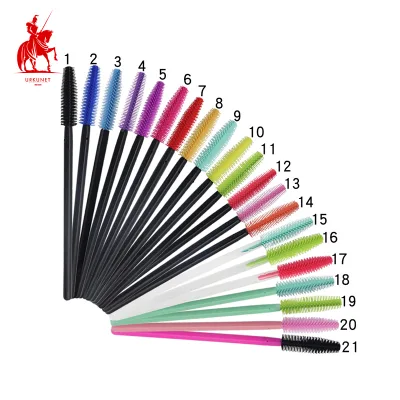


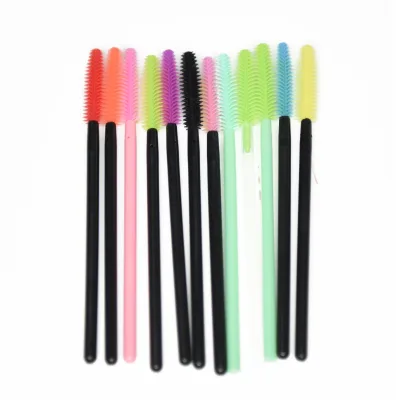

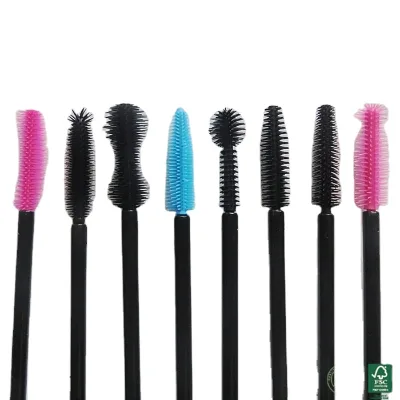
Disposable Eyelashes Lashes Brow Brushes Mascara Colorful Eyelash Makeup Lash Eyebrow Brush
$0.17 - $0.65
MOQ: 100 Pieces

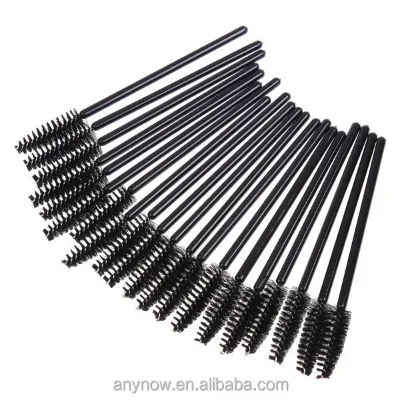
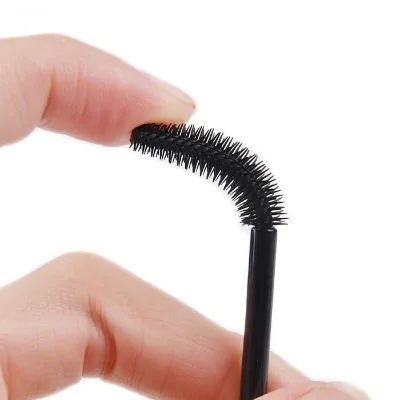
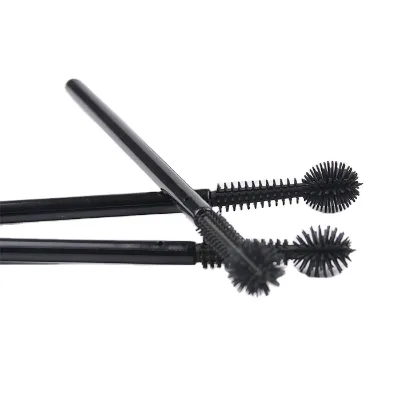
Eye Care Portable Beauty Tools Disposable Mascara Eyelash Wand Eyebrow Brush
$0.41 - $0.65
MOQ: 100 Bags


Comprehensive Sourcing Guide
Disposable Silicone Eyelash Mascara Brush Sourcing Guide
Sourcing disposable silicone eyelash mascara brushes requires a nuanced understanding of material science, hygiene standards, and cosmetic application mechanics. These tools are designed primarily for single-use or limited-use scenarios in professional lash extension services, beauty salons, and at-home cosmetic routines. The core value proposition lies in the combination of hygiene—eliminating cross-contamination risks—and the precision offered by silicone bristles compared to traditional nylon or natural hair alternatives. Buyers must navigate a market where product attributes vary significantly, from handle materials to bristle density, ensuring that the selected tool aligns with specific client needs and brand positioning.
The procurement landscape for these items is characterized by a high degree of customization and OEM opportunities. Suppliers often provide blank products that can be branded with private logos, catering to beauty brands looking to expand their accessory lines. However, this customization potential comes with the need for rigorous verification of material safety and manufacturing consistency. Buyers must distinguish between products marketed as "silicone" and those that may use hybrid materials, as this distinction impacts both the user experience and regulatory compliance. Understanding these foundational differences is the first step in building a reliable supply chain for disposable cosmetic tools.
Product Scope and Observed Listing Signals
The observed market signals indicate a diverse range of product configurations, with listings highlighting various materials such as silicone, nylon, and plastic. While the core keyword emphasizes silicone, many available products feature hybrid constructions, such as plastic handles paired with nylon bristles, or silicone components integrated into disposable mascara wands. Buyers should carefully review product specifications to confirm the actual bristle material, as some listings may use "silicone" in the title while describing nylon or other synthetic fibers in the detailed attributes. This discrepancy is common in bulk sourcing platforms and requires diligent verification to ensure the product meets the intended performance criteria.
Listing data reveals significant variation in packaging and unit quantities, which directly impacts logistics and cost-per-unit calculations. Common packaging formats include OPP bags, PU bags, and tubes, with quantities ranging from single items to bulk packs of 50 or 100 pieces per bag. Some products are explicitly labeled as "disposable," while others are described as reusable smudge brushes, indicating a potential mismatch between buyer expectations and product reality. The presence of "travel size" specifications and single gross weights around 0.150 kg suggests that many suppliers cater to the retail and travel-friendly segments, offering compact solutions that are easy to distribute and store.
Technical Specifications to Verify
Material composition is the most critical technical specification to verify, particularly the distinction between silicone and nylon bristles. Silicone bristles are generally preferred for their non-porous nature, which prevents product buildup and allows for easier cleaning, even in reusable contexts. However, if the requirement is strictly for disposable items, nylon or plastic-bristle hybrids may offer a more cost-effective solution. Buyers must confirm the handle material as well, with plastic being the standard for disposable items due to its low cost and durability. Verifying these material details prevents mismatches in product performance and ensures that the final tool delivers the desired application experience for end-users.
Packaging dimensions and weight are essential for calculating landed costs and storage efficiency. Standard packaging sizes observed include dimensions around 25x15x10 cm for bulk bags, with individual product standards varying from 10 cm to 12 cm in length. The single gross weight of approximately 0.150 kg per unit provides a baseline for freight calculations, but buyers should request actual packing lists to account for variations in packaging density. Additionally, verifying the model numbers, such as Urkunet-0209 or TOP-EMB-S, helps in tracking specific product iterations and ensuring consistency across reorder cycles, especially when dealing with multiple suppliers or OEM arrangements.
Compliance and Safety Documentation
Cosmetic tools that come into contact with the eye area are subject to strict safety regulations, requiring suppliers to provide appropriate documentation. Buyers should request certificates of compliance with relevant cosmetic safety standards, such as ISO 22716 for Good Manufacturing Practices (GMP) in cosmetics, although specific certification status must be verified on a case-by-case basis. Since these products are often classified as disposable or single-use, ensuring that the materials used are free from harmful substances like BPA, phthalates, or heavy metals is paramount. Documentation should explicitly state the material safety data sheets (MSDS) or equivalent reports to confirm that the silicone, nylon, or plastic components are safe for cosmetic use.
Hygiene and sterility claims must be substantiated with clear manufacturing protocols. Suppliers should provide information on their production environment, including whether the items are manufactured in cleanroom conditions or standard industrial settings. For disposable products, the concept of "sterile" may not always apply, but "hygienically packaged" is a critical requirement. Buyers should verify that the packaging, whether OPP bags or tubes, is sealed to prevent contamination during transit and storage. Additionally, any claims regarding "industrial grade" materials should be scrutinized, as such terminology may imply suitability for non-cosmetic applications, which is inappropriate for eye-area products.
Cost Drivers and Commercial Terms
The cost of disposable silicone eyelash mascara brushes is influenced by several factors, including material quality, customization requirements, and order volume. Observed price ranges in the market vary widely, reflecting differences in material composition and packaging complexity. Buyers should expect lower unit costs for bulk orders with standard packaging, while customized logos and premium materials will increase the price. The minimum order quantity (MOQ) typically ranges from 50 bags to 5000 units, allowing for flexibility in initial testing and large-scale procurement. Understanding these cost drivers helps in budgeting and negotiating favorable terms with suppliers.
Commercial terms such as sample availability and shipping times play a crucial role in the sourcing process. Many suppliers offer samples, with ship times ranging from 1 to 2 days after payment, enabling buyers to evaluate product quality before committing to large orders. However, sample costs and shipping fees should be factored into the overall procurement budget. Payment terms, delivery schedules, and return policies for defective items are also key negotiation points. Buyers should establish clear agreements on these terms to mitigate risks associated with supply chain disruptions or quality issues, ensuring a smooth transaction process from order placement to delivery.
Supplier Qualification and Quality Control
Evaluating supplier qualifications is essential to ensure consistent product quality and reliable service. Buyers should assess suppliers based on their manufacturing capabilities, quality control processes, and customer service responsiveness. Suppliers with OEM experience and the ability to customize logos and packaging are often more flexible and better suited for brand-specific requirements. Verifying the supplier's location, such as Hebei or Anqing in China, can provide insights into their logistical advantages and production capacity. Additionally, checking for any relevant business certifications or trade assurance programs can enhance confidence in the supplier's reliability and financial stability.
Quality control measures should be implemented at multiple stages of the procurement process, from sample approval to final shipment. Buyers should establish clear quality standards for bristle density, handle durability, and packaging integrity. Regular inspections or third-party quality audits can help identify and address potential issues before they impact the end product. Feedback loops with suppliers are also crucial for continuous improvement, allowing for adjustments in manufacturing processes based on performance data. By maintaining rigorous quality control standards, buyers can ensure that their disposable eyelash brushes meet the high expectations of their customers and maintain brand reputation.
Long-Term Procurement Checks
Building a sustainable supply chain for disposable cosmetic tools requires ongoing monitoring and relationship management. Buyers should regularly review supplier performance metrics, including on-time delivery rates, product defect rates, and responsiveness to issues. Establishing long-term contracts with preferred suppliers can provide stability and potentially better pricing, but it is important to periodically benchmark against the market to ensure competitiveness. Diversifying the supplier base can also mitigate risks associated with supply chain disruptions, ensuring that alternative sources are available if needed.
Continuous innovation and adaptation to market trends are vital for staying competitive in the cosmetic accessories sector. Buyers should stay informed about emerging materials, packaging technologies, and consumer preferences that may impact product demand. Engaging with suppliers on future product developments can lead to exclusive offerings and enhanced value propositions. Additionally, monitoring regulatory changes and updating compliance documentation accordingly is essential to avoid legal issues and maintain market access. By proactively managing these long-term procurement checks, buyers can secure a reliable and innovative supply of disposable silicone eyelash mascara brushes.
FAQs
What is the minimum order quantity for disposable silicone eyelash mascara brushes?
The listed minimum order quantity is 50 bags, with each bag containing 50 disposable mascara brushes. Other listings in this category may have MOQs ranging from 1 unit to 5,000 units depending on the configuration. Buyers should confirm the exact MOQ with the supplier before ordering, as custom logo or packaging requirements can change the minimum quantity.
Can I customize the logo on disposable eyelash mascara brushes?
Yes, customization is available. The brand name is OEM and private logo printing is supported, so you can add your own logo to the brushes or packaging. Typically you confirm your artwork with the supplier, and customization may affect MOQ and unit price. Packaging can also be customized between OPP bag, PU bag, or tube options.
What material are the disposable mascara wands made of?
The brush heads are made of silicone or nylon, depending on the model, and the handles are made of plastic. These disposable wands are intended for eye, eyelash, and eyebrow use, and the industrial grade material suits single-use salon and retail applications. Confirm the specific material combination with the supplier for the model you select.
What is the packaging for the 50-piece silicone eyelash brush set?
The standard option is 50 pieces per bag, with an OPP bag or PU bag as the package, and each bag weighs about 50 grams. Some models are packed 100 pieces per bag or each set in one OPP bag. Single package size is 25 by 15 by 10 centimeters with a gross weight of 0.150 kilograms per single item.
How fast can I receive a sample of the disposable mascara brush?
Samples are available and ship 1 to 2 days after payment. This short lead time lets you verify brush quality, silicone or nylon head texture, and handle finish before committing to bulk production. Sample cost and courier fees should be confirmed with the supplier, and sample specifications may differ slightly from mass-production runs.
Where are these disposable eyelash mascara brushes produced?
The products are made in Hebei, China, with some related listings originating from Anqing. Sourcing from these regions gives access to established cosmetic brush manufacturing capacity. Buyers commonly combine location with MOQ, packaging, and customization requirements when comparing suppliers to find the best fit for their order volume and delivery schedule.
What is the size and color of the silicone eyelash brush?
The brushes come in gold color and travel size format, with a standard length of approximately 10 centimeters. The compact dimensions make them suitable for salon kits, travel sets, and single-use applications. The listed model number is Urkunet-0209, and dimensions such as 10 by 5 by 1 centimeters appear in related packaging specifications.
Which models of disposable mascara brushes are available?
Available model identifiers include Urkunet-0209, TOP-EMB-S, TOP-EMB, and DMW-101, covering silicone eyelash brushes, mascara wands, and disposable mascara products. Each model differs in packing format, such as 50 pieces or 100 pieces per bag, and in material configuration. Review each model specification and confirm details with the supplier before placing an order.