Source Press-On Lashes for Beauty Brands, Salons, and Retailers
Explore 30 Press-On Lashes options from verified suppliers in China. Compare features like PBT and synthetic materials, band types, and styles including natural, wispy, and volume. Find OEM services and custom packaging for your beauty line; compare the available evidence and request quotations based on your requirements.
Key considerations
Products List
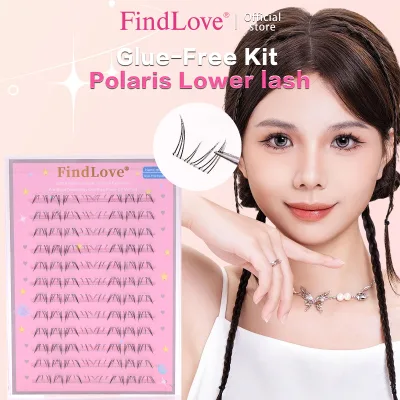
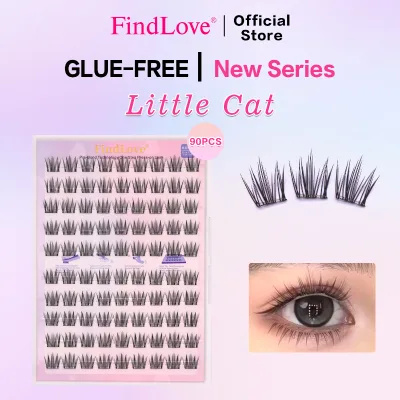
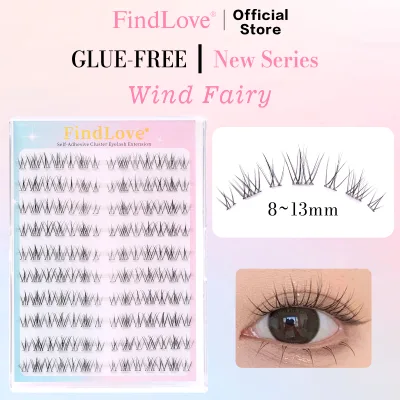
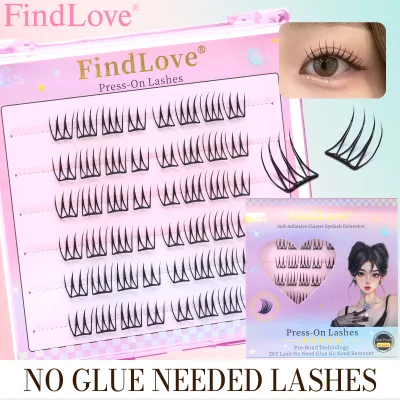




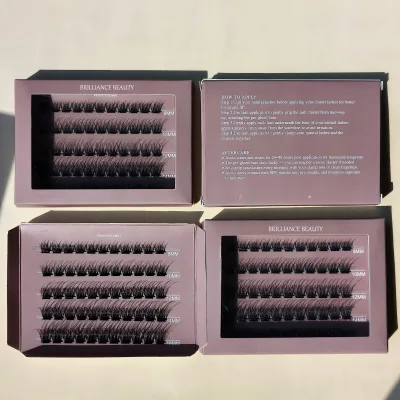
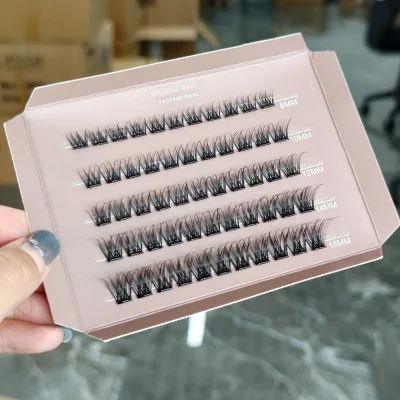
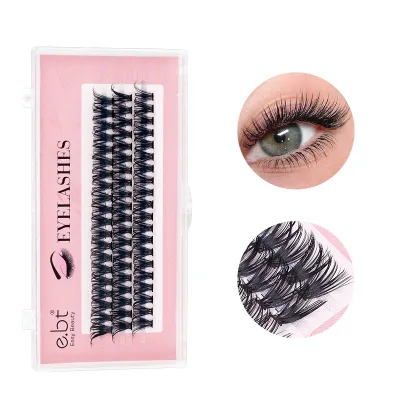
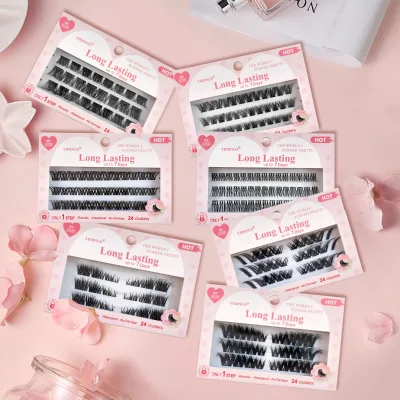
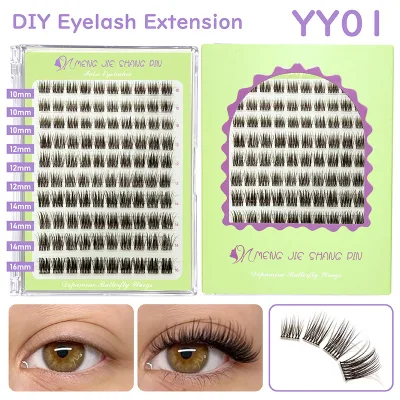
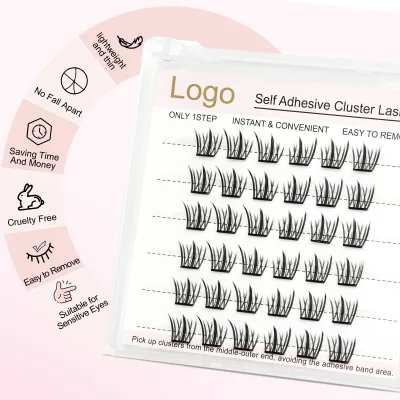
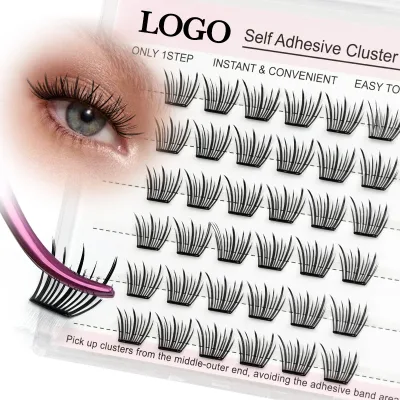
Comprehensive Sourcing Guide
Press-On Lashes Sourcing Guide
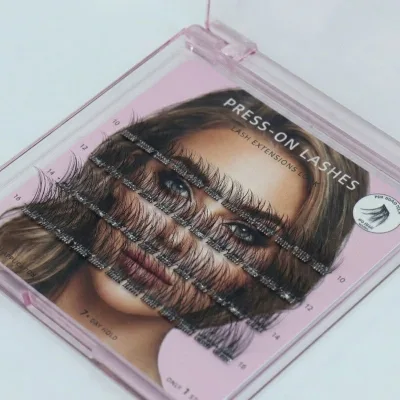
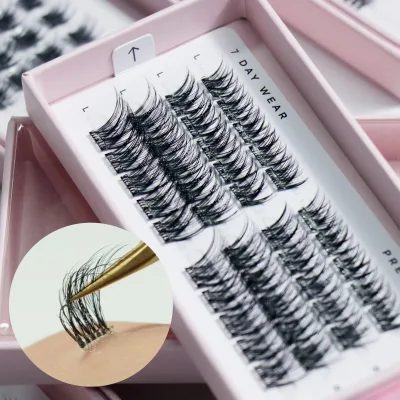
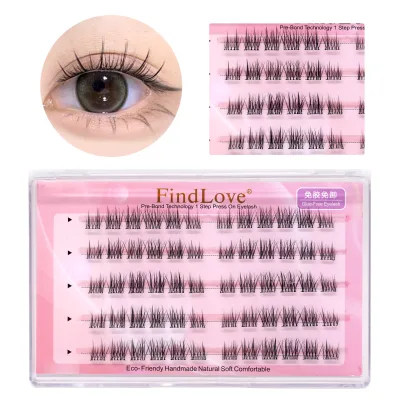
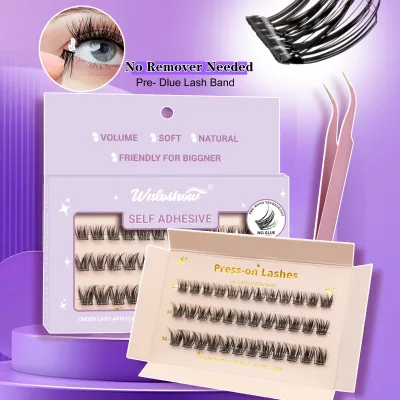
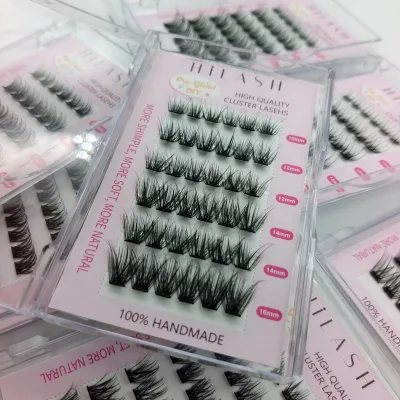
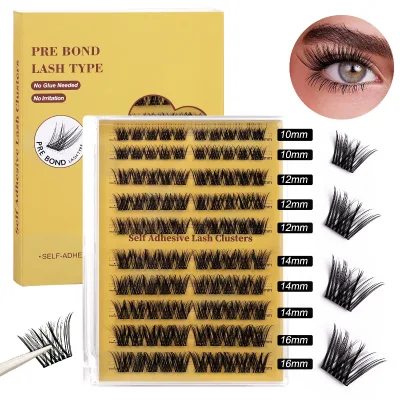
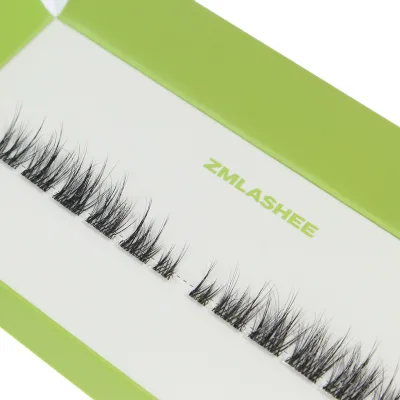
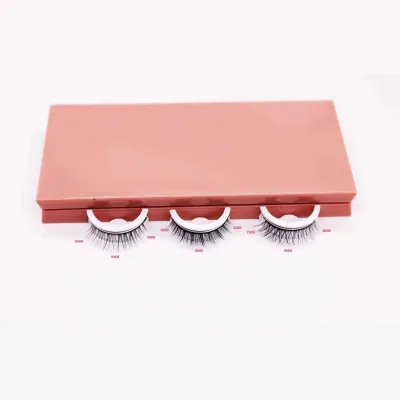
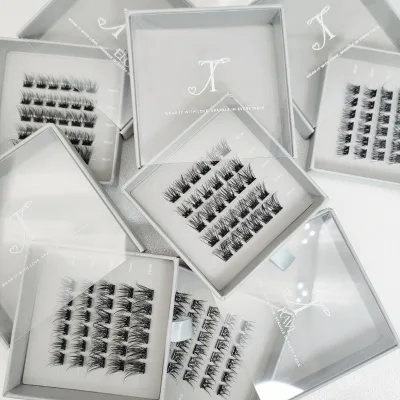
The global market for press-on lashes has expanded significantly, driven by consumer demand for reusable, glue-free beauty solutions that offer immediate aesthetic enhancement. Based on observed listings, these products are frequently marketed under specific style descriptors such as "3D Segment," "Cluster," and "Anime" variations, catering to diverse aesthetic preferences ranging from natural to dramatic volume. Buyers must recognize that the term "press on" encompasses a wide spectrum of designs, including self-adhesive clusters and pre-glued strips, which require distinct application techniques and storage considerations.
Procurement strategies should account for the variability in product construction, where some items utilize a cotton band while others feature ultra-fine synthetic bands. The observed data indicates a strong presence of handmade and DIY cluster options, suggesting that manufacturers often provide customizable packaging and private labeling services to meet brand-specific needs. Sourcing decisions must therefore prioritize suppliers who can demonstrate flexibility in model numbers and color codes, ensuring the final product aligns with the target demographic's specific style requirements.
Product Scope and Observed Listing Signals
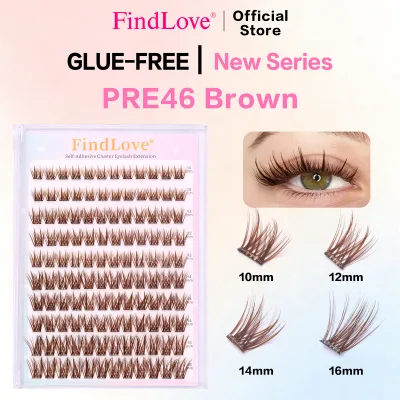
Current market listings reveal a diverse range of product attributes, including specific model numbers like PRE46 and PRE63, which denote distinct styles such as bottom press-on lashes or specific color variations like brown and black. The observed price range of 0.45 to 6.5 USD suggests a tiered market structure where basic synthetic options compete with premium handmade designs featuring complex textures like "spiky manga" or "fox" eyes. Buyers should carefully analyze these signals to distinguish between mass-produced items and those offering unique value propositions through specialized styling or material quality.
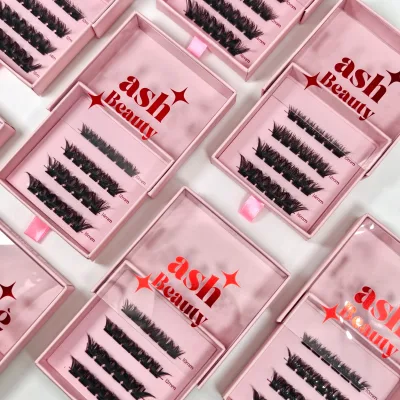
The product scope extends beyond simple aesthetics to include functional packaging details, such as plastic trays and custom bottom cards, which are critical for retail presentation and inventory management. Listings frequently highlight the availability of OEM and ODM services, indicating that many suppliers are prepared to support private label initiatives with customized branding and packaging solutions. Procurement teams must verify that the specific style, such as "Natural Long" or "Dramatic," matches the intended market positioning, as the same supplier may offer vastly different product lines under varying model identifiers.
Technical Specifications to Verify
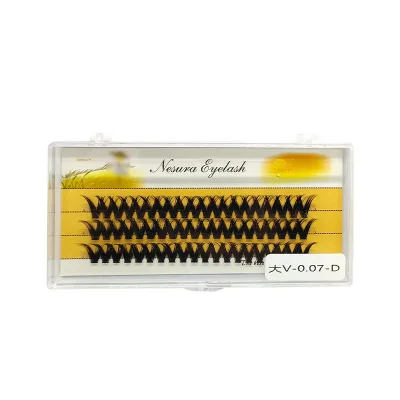
Technical verification begins with the eyelash material, where observed listings specify PBT and synthetic hair as primary components, though some entries also mention cotton bands for specific cluster types. Buyers must confirm the exact material composition for each order, as the durability and texture of PBT differ significantly from other synthetic blends, directly impacting the user experience and product longevity. Additionally, the thickness of the lash band is a critical specification, with observed data indicating a range down to 0.07MM, which is essential for achieving a natural, invisible look on the eyelid.
Length specifications vary widely, with observed ranges spanning from 8MM to 18MM, and some products offering mixed lengths to create volume effects. The number of rows per tray is another vital technical parameter, with listings showing configurations of 6, 10, and 12 rows, which dictates the density and coverage of the final application. Sourcing teams should request detailed dimension sheets to ensure the single package size, which can range from 10x10x1.5 cm to larger formats, aligns with logistics constraints and retail shelf requirements.
Compliance and Safety Documentation
While specific certification documents are not explicitly listed in the provided product facts, the nature of cosmetic products applied near the eyes necessitates rigorous safety verification. Buyers should require suppliers to provide evidence of compliance with relevant regional safety standards, such as those governing cosmetic ingredients and adhesive safety, to ensure the products do not cause irritation or allergic reactions. The absence of explicit certification data in the listing highlights the need for proactive due diligence rather than assuming compliance based on product descriptions alone.
Safety documentation should also cover the materials used in the packaging, particularly the plastic trays and cards that come into direct contact with the lashes. Since the product is designed for repeated use, the integrity of the adhesive or self-adhesive mechanism must be validated to prevent failure during application. Procurement teams must ensure that the supplier can provide a Declaration of Conformity or similar documentation confirming that all components, including the synthetic hair and band materials, meet the safety requirements of the destination market.
Cost Drivers and Commercial Terms
The observed Minimum Order Quantity (MOQ) ranges from 2 to 500 pieces, indicating a flexible market that accommodates both small startups and large retailers. However, specific listings highlight an MOQ of 50 pieces for certain branded items, suggesting that volume discounts may be available for larger orders. Buyers should negotiate based on the specific model number and style, as the cost drivers for handmade, complex designs like "spiky manga" lashes will differ from standard synthetic clusters, affecting the final unit price.
Commercial terms must also account for the availability of samples, which are noted as available in the observed data, allowing buyers to validate quality before committing to bulk orders. The single gross weight of the products, ranging from 0.080 kg to 0.3 kg, influences shipping costs and logistics planning, particularly for international procurement. Sourcing strategies should leverage the OEM and ODM capabilities to reduce costs through consolidated packaging and branding, ensuring that the total landed cost remains competitive within the target market.
Supplier Qualification and Quality Control
Supplier qualification should focus on verifying the consistency of handmade production processes, as the observed data indicates a significant portion of the market relies on manual assembly for styles like "Handmade" and "DIY Cluster Lashes." Buyers must assess the supplier's quality control protocols to ensure that the rows, lengths, and band thickness remain consistent across batches, as manual production can introduce variability that affects the final product's appearance and performance.
Quality control checks should also include a review of the packaging integrity, ensuring that the plastic trays and custom cards protect the lashes during transit without causing damage or deformation. Since the product is often sold as a single item with specific model numbers, verifying the accuracy of the labeling and the presence of the correct color codes is essential. Procurement teams should request a pre-shipment inspection report to confirm that the physical attributes match the technical specifications provided in the initial inquiry.
Long-Term Procurement Checks
Long-term procurement success depends on establishing a reliable supply chain that can adapt to changing fashion trends and consumer preferences. The observed variety of styles, including "Natural," "Wispy," "Fox," and "Anime," suggests that buyers must maintain a flexible relationship with suppliers who can quickly pivot production to meet emerging market demands. Regular communication regarding new model numbers and color codes, such as the extensive list of PRE and D codes, is essential to keep the product portfolio fresh and competitive.
Sustainability and supply chain transparency should also be monitored over time, as the industry increasingly values ethical sourcing and eco-friendly packaging options. Buyers should periodically review the supplier's ability to maintain consistent quality and delivery times, especially given the variability in single package sizes and weights observed in the market. Establishing a long-term partnership with a supplier who offers robust OEM and ODM services will ensure that the brand can scale effectively while maintaining high standards of product quality and customer satisfaction.
FAQs
What materials are used for Press-On Lashes?
The products utilize PBT and synthetic hair materials for durability and comfort. These materials ensure the lashes maintain their shape and provide a natural look. The cotton band offers a soft and flexible fit for the eyelid. This combination supports long-wear performance without causing irritation. Buyers can select based on preferred texture and weight.
Can I get custom packaging for these lashes?
Yes, OEM and ODM private label packaging services are available. Buyers can customize the back card and plastic tray design. The supplier accepts custom bottom cards and specific package requirements. This allows brands to maintain their visual identity. Customization supports distinct market positioning and retail presentation needs.
What is the minimum order quantity for these lashes?
The minimum order quantity is fifty pieces for standard items. Some specific models may have different MOQs ranging up to five hundred pieces. This low entry point helps new buyers test the market. Bulk orders often benefit from better pricing structures. Buyers should confirm the exact MOQ for their chosen style.
Which styles are available for Press-On Lashes?
Available styles include natural, wispy, fox, anime, half, demi, fluffy, cat, and volume. Specific models like PRE46 and PRE63 offer distinct looks. Colors range from natural black to brown or customized options. The variety supports diverse aesthetic preferences and eye shapes. Buyers can mix styles to create comprehensive lash collections.
Where are these Press-On Lashes manufactured?
These products are manufactured in Shandong, China. The region is known for its cosmetic manufacturing capabilities. The origin ensures consistent quality control and production efficiency. Buyers can rely on established supply chains from this location. The factory supports both standard and customized production requirements.
Are samples available for Press-On Lashes?
Samples are available for quality verification before bulk orders. Buyers can request samples to check material and band quality. This step ensures the product meets specific brand standards. Sample availability reduces risk for new sourcing relationships. Buyers should contact the supplier to arrange sample shipments.