Source Door Hardware for furniture, wooden doors, and internal doors
Compare 30 Door Hardware options including hinges, handles, and locks made from stainless steel, alloy, and zinc alloy. Buyers can evaluate customization, MOQs, and delivery times for surface installation on internal wooden doors.
Key considerations
Products List
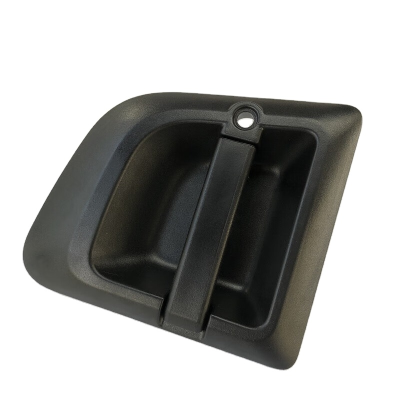


$0.35 - $0.65
MOQ: 2000


Comprehensive Sourcing Guide
Strategic Sourcing Guide for Door Hardware Procurement
Understanding Product Attributes and Material Composition
The procurement of Door Hardware requires a granular understanding of material composition, as this factor fundamentally dictates durability, aesthetic finish, and cost structure. Based on the observed market data, the primary materials utilized in this sector include Stainless Steel, Alloy, Aluminum Alloy, and Zinc Alloy. Each material serves distinct functional requirements. Stainless Steel is frequently cited for its corrosion resistance and structural integrity, making it a preferred choice for high-traffic or exterior applications where longevity is paramount. In contrast, Zinc Alloy and Aluminum Alloy are often selected for their castability and weight-to-strength ratio, particularly in decorative elements or interior applications where heavy-duty structural loads are not the primary concern.
The specific application of the hardware further refines material selection. For instance, products designated for internal wooden doors or general furniture usage often utilize Zinc Alloy handles, which allow for intricate die-casting processes to achieve complex designs. The surface treatment of these components is equally critical; observed data indicates that mirror-polished finishes are available, suggesting a high-gloss aesthetic suitable for modern design styles. Buyers must verify the specific alloy composition, as "Alloy" is a broad term that can encompass various mixtures with differing mechanical properties. The distinction between a standard stainless steel grade and a specialized aluminum alloy can significantly impact the final product's resistance to wear and environmental factors.
Technical Specifications and Dimensional Standards
Technical specifications form the backbone of any successful procurement agreement, ensuring that the hardware fits the intended architectural or furniture context. The market data reveals a wide variance in dimensional standards, ranging from small, precise components to larger structural units. For example, specific product models are associated with standard dimensions such as 11.5x7.5x3.2cm, 10.8x4.4x4cm, and larger units measuring 600x400x32mm. These variations indicate that the supply base caters to diverse needs, from small cabinet locks to large-scale door assemblies.
Critical technical parameters include the spindle size and rosette diameter, which are essential for compatibility with existing door mechanisms. Observed specifications list a spindle size of 8x8mm and a rosette diameter of 53mm as standard configurations for certain handle models. Deviations from these dimensions can render the hardware incompatible with standard door preparations. Furthermore, the type of hinge or locking mechanism is a key specification; products are categorized by their operational angle, such as 180° hinges, and locking features, with some units explicitly noted as having "Without Lock" configurations.
The weight of the components is another measurable specification, with some items recorded at 23.5g. This data point is useful for logistics planning and for assessing the perceived quality of the item, as heavier components often imply a higher density of material. Buyers should cross-reference these dimensional and weight specifications against their specific project requirements to ensure a seamless fit. The "Shape" attribute, described as "Strip-type" in some listings, further highlights the diversity in form factors available, necessitating careful selection based on the visual and functional design of the final installation.
Cost Drivers and Minimum Order Quantity Dynamics
The economic landscape of Door Hardware procurement is heavily influenced by Minimum Order Quantity (MOQ) requirements and the associated unit pricing structures. The observed market data indicates a significant range in MOQs, spanning from a single item up to 5,000 pieces. This variance suggests a market segmented by buyer type, accommodating both small-scale contractors and large-scale industrial distributors. High-volume buyers, such as those targeting an MOQ of 5,000 pieces, likely benefit from economies of scale that reduce the per-unit cost, whereas smaller buyers may face higher unit prices or limited customization options.
Pricing dynamics are further complicated by the customization level of the product. The data confirms that customization is available, and some suppliers offer OEM/ODM services. Customization typically introduces additional costs related to tooling, design time, and lower production efficiency. The payment terms observed, such as a 30% deposit and 70% balance before delivery via T/T, are standard in the industry but represent a cash flow consideration for the buyer. Additionally, the lead time for production is a critical cost driver; a delivery time of 35 working days is noted for certain items, which impacts project scheduling and inventory management.
Buyers must analyze the relationship between the MOQ and the unit price to determine the most cost-effective order size. While the observed price range in the market is broad, from $0.23 to $145, the specific price point for a given order depends on the material, the complexity of the design, and the volume ordered. For instance, a high-volume order of 3,000 pieces for a standard zinc alloy handle may yield a different price per unit compared to a custom order of 300 pieces with specific surface treatments. Understanding these variables allows buyers to negotiate more effectively and align their procurement strategy with their budgetary constraints.
Typical Applications and Installation Requirements
Door Hardware is deployed across a wide spectrum of applications, ranging from residential internal doors to commercial furniture and heavy-duty industrial doors. The observed data highlights specific use cases, such as "Internal Wooden Door" and general "Furniture" applications. The installation type is a crucial factor in determining the suitability of a product for a specific project. "Surface Installation" is a common method, where the hardware is mounted directly onto the face of the door or frame, offering flexibility in retrofitting existing structures.
The design style of the hardware must also align with the architectural intent of the project. "Modern" design styles are prevalent in the market, characterized by clean lines and contemporary finishes like the mirror-polished surfaces mentioned in the specifications. The "180° Hinge" type indicates a specific range of motion suitable for doors that require full opening capabilities, such as those in commercial settings or high-traffic residential areas. Conversely, hardware designed for furniture may prioritize aesthetic integration over heavy-duty mechanical performance.
Buyers should verify the "Suitable for" attributes of each product to ensure it matches the intended environment. While some products are listed as having "Widely Usage," others are specifically tailored for "Door" applications. The distinction between internal and external use is particularly important, as external hardware requires higher resistance to weathering and corrosion. The "Without Lock" attribute suggests that some products are intended for privacy or decorative purposes rather than security, which is a vital distinction for procurement planners.
Supplier Evaluation and Operational Capabilities
Evaluating potential suppliers requires a focus on their operational capabilities, including production location, customization services, and sample availability. The majority of the observed products originate from China, with specific mentions of "China Mainland" and "Wenzhou, Zhejiang" as key manufacturing hubs. These regions are known for their robust manufacturing ecosystems and expertise in metalworking and die-casting processes. The presence of "Die Casting" as a specific process in the data confirms that many suppliers utilize advanced manufacturing techniques to produce complex metal components.
Customization capabilities are a significant differentiator among suppliers. The data indicates that "Customization" and "Customized" options are available, and many suppliers offer OEM/ODM services. This flexibility allows buyers to tailor products to specific brand identities or functional requirements. However, the ability to provide samples is a critical metric for supplier reliability. The observation that "Sample: Accept" is a common attribute suggests that most suppliers are willing to provide pre-production samples for quality verification. This is an essential step for buyers to validate the material quality, finish, and dimensional accuracy before committing to a large order.
When evaluating suppliers, buyers should also consider the packaging standards. Observed packaging includes "Carton," "Catrons," "White Box," and specific configurations like "1 Pair" in an inner box and "20 Pairs" in a master carton. Consistent and protective packaging is vital to prevent damage during transit, especially for delicate finishes like mirror-polished surfaces. The "12 Months" warranty period observed in the data provides a baseline for supplier confidence in their product quality, though buyers should verify the specific terms and conditions of this warranty.
Quality Control and Long-Term Procurement Considerations
Ensuring long-term quality in Door Hardware procurement involves rigorous quality control measures and a clear understanding of the product lifecycle. The warranty period of 12 months is a standard indicator of the supplier's confidence in their product's durability. However, buyers should not rely solely on warranty periods; they must implement their own quality control protocols. This includes verifying the material composition, checking for defects in the die-casting process, and ensuring that surface treatments like mirror polishing are consistent and free from scratches or imperfections.
Long-term procurement considerations also extend to the supply chain's stability and the supplier's ability to maintain consistent quality over time. The variability in MOQs, from single items to 5,000 pieces, suggests that suppliers may have different production capacities and lead times. A lead time of 35 working days, as observed, requires careful planning to avoid project delays. Buyers should establish clear communication channels with suppliers to monitor production progress and address any potential issues proactively.
Furthermore, the standardization of product attributes is essential for long-term maintenance and replacement. If a building or furniture set requires replacement parts years after the initial installation, having a consistent product model and specification is crucial. The presence of specific model numbers, such as "KSH101S" and "HY-05," aids in tracking and reordering. Buyers should maintain detailed records of the product models, materials, and dimensions used in their projects to facilitate future procurement.
| Attribute Category | Observed Data Points | Procurement Verification Focus |
|---|---|---|
| Material | Stainless Steel, Alloy, Aluminum Alloy, Zinc Alloy | Verify alloy grade and corrosion resistance |
| Dimensions | 11.5x7.5x3.2cm, 8x8mm spindle, 53mm rosette | Confirm fit with existing door preparations |
| MOQ | 1 to 5,000 PCS | Align order volume with budget and storage |
| Lead Time | 35 Working Days | Plan for production and shipping delays |
| Warranty | 12 Months | Review terms for coverage and exclusions |
| Origin | China Mainland, Wenzhou, Zhejiang | Assess logistics and supply chain risks |
| Process | Die Casting, Mirror-polished | Inspect surface finish and casting quality |
In conclusion, successful sourcing of Door Hardware demands a comprehensive approach that balances technical specifications, cost efficiency, and supplier reliability. By carefully analyzing the material composition, dimensional standards, and operational capabilities of potential suppliers, buyers can secure high-quality products that meet their specific project requirements. The availability of customization and sample services further enhances the procurement process, allowing for tailored solutions that align with modern design trends and functional needs.
FAQs
What materials are commonly used for Door Hardware?
Common materials include stainless steel, zinc alloy, aluminum alloy, and general alloy. Stainless steel offers high corrosion resistance for exterior use, while zinc and aluminum alloys are often selected for decorative interior applications due to their castability and weight.
How long is the typical delivery time for these products?
The delivery time can be up to 35 working days depending on the specific product and order volume. Buyers should plan their procurement schedules around this lead time to avoid project delays, especially for customized orders requiring die-casting processes.
Which installation types are available for Door Hardware?
Surface installation is a common method where hardware is mounted directly onto the door face. This type is suitable for retrofitting existing structures and is often paired with modern design styles and specific hinge types like 180-degree hinges.
Can buyers request customization for Door Hardware orders?
Yes, customization is available and many suppliers offer OEM and ODM services. Buyers can specify unique designs or finishes, though this may affect the minimum order quantity and unit pricing compared to standard stock items.
What is the minimum order quantity for Door Hardware?
Minimum order quantities vary significantly, ranging from a single item to 5,000 pieces depending on the supplier and product type. High-volume orders often benefit from economies of scale, while smaller orders may have higher per-unit costs.
How are Door Hardware products typically packaged?
Products are usually packed in cartons, white boxes, or specific pair configurations like one pair per inner box. Master cartons often contain 20 pairs, ensuring protection for delicate finishes such as mirror-polished surfaces during transit.
What warranty is provided for Door Hardware purchases?
A standard warranty period of 12 months is commonly provided for Door Hardware products. This warranty indicates supplier confidence in product durability, though buyers should verify specific terms regarding material defects and surface treatment quality.