Source Door and Window Cleaning Machine for PVC Profiles, Aluminum, and Glass
Compare 30 available door and window cleaning machines from verified Chinese manufacturers. These units feature automatic grades, CNC capabilities, and variable voltage options to clean PVC profiles and other materials efficiently.
Key considerations
Products List

Premium Corner Cleaning Machine for Efficient Window and Door Production
$5300.00 - $5500.00
MOQ: 1 Pieces


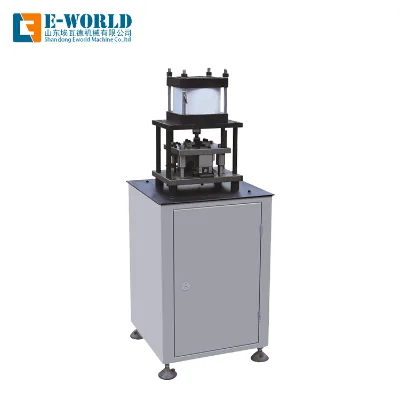


CNC PVC Window Corner Cleaning Machine for Plastic Doors and Window Machine
$7280.00 - $15800.00
MOQ: 1 Sets


Five Cutter Corner Cleaning Machine with CNC Operation for PVC Window and Door Machine
$7280.00 - $15800.00
MOQ: 1 Sets


Hot-Sale Door Window Machine/Door Windows Machinery /Door Window Cutting Machine
$7000.00 - $13000.00
MOQ: 1 Pieces


Comprehensive Sourcing Guide
Strategic Sourcing Guide for Door and Window Cleaning Machines
Understanding the Technical Landscape of Profile Cleaning Equipment
The procurement of door and window cleaning machines requires a precise understanding of the specific mechanical and electrical parameters that define operational efficiency. These machines are primarily engineered to clean PVC profiles, a critical step in the manufacturing of high-quality fenestration systems. The core functionality revolves around the removal of burrs, dust, and residue from the corners and edges of extruded profiles before they undergo further assembly or finishing processes.
When evaluating technical specifications, buyers must distinguish between the various operational parameters observed in the market. The power supply requirements are a primary differentiator, with observed units operating on both 380V and 220V systems, often at a frequency of 50Hz. This dual-voltage capability is essential for buyers sourcing equipment for facilities with varying electrical infrastructures. The input power ratings also vary significantly based on the machine's intended capacity, ranging from 0.55kw for lighter, portable units to 1.4kw for more robust industrial models.
The mechanical dimensions of the profiles these machines can handle are equally critical. The profile height capability typically spans a range from 25mm to 120mm, with some specific models accommodating heights between 30mm and 120mm. Similarly, the profile width specifications generally cover a range of 20mm to 120mm, ensuring compatibility with a wide array of standard window and door frame geometries. The air pressure requirements for pneumatic operation are consistently observed within the 0.5 to 0.8 MPa range, necessitating a compatible compressed air supply system at the manufacturing site.
Furthermore, the rotational speed of the milling cutters is a vital performance metric. High-speed units may operate at 2800 revolutions per minute, while others are calibrated at 2600r/Min. These speeds must be matched to the hardness of the material being processed to ensure a clean cut without damaging the profile. The physical footprint of the machinery also varies, with standard dimensions observed around 1050x670x1370mm for compact units, while larger automated systems may reach dimensions of 1800x1050x1800mm. Buyers should verify that their production floor can accommodate these specific spatial requirements.
Compliance, Certification, and Safety Standards
In the global B2B market, compliance with international safety and quality standards is non-negotiable. For door and window cleaning machines, the presence of specific certifications serves as a primary indicator of a manufacturer's adherence to regulatory frameworks. The most frequently observed certifications for this category of equipment include CE and ISO marks. The CE marking indicates conformity with health, safety, and environmental protection standards for products sold within the European Economic Area, while ISO certification suggests that the manufacturer follows internationally recognized quality management systems.
When evaluating a potential supplier, buyers must verify that the certification documents are current and applicable to the specific model being purchased. It is important to note that while CE and ISO are common, not every listed product may possess both certifications simultaneously. Procurement teams should request valid certification copies for the exact model number, such as JQK04-120, PCC001, SQJ120, or SQ06-120, to ensure that the equipment meets the legal requirements of the destination country.
Safety features are intrinsically linked to these certifications. The machines are designed with specific voltage and air pressure tolerances to prevent operational hazards. For instance, the requirement for a stable air pressure between 0.5 and 0.8 MPa implies the need for pressure regulators and safety valves to prevent over-pressurization. Additionally, the electrical systems must be designed to handle the specified input power, whether it is 0.55kw, 1.1kw, or 1.4kw, without overheating or posing a fire risk.
Buyers should also consider the origin of the equipment as a factor in compliance. Many of the observed units originate from China, with specific manufacturing hubs noted in Shandong. While this location is a major global manufacturing center, it requires rigorous due diligence to ensure that the exported goods meet the specific safety standards of the importing region. The presence of a "New" condition status is standard, but buyers must ensure that "New" implies factory-fresh equipment with all safety interlocks and protective guards intact, rather than refurbished units that may have compromised safety features.
Cost Drivers and Pricing Dynamics
The pricing of door and window cleaning machines is influenced by a complex interplay of factors, including technical specifications, customization capabilities, and packaging requirements. The observed price range in the market is exceptionally broad, spanning from $0.30 to $50,000. This vast disparity indicates that the market includes everything from small, portable handheld units to fully automated, large-scale industrial cleaning lines.
The primary cost driver is the level of automation and the power of the motor. Units with higher input power, such as those rated at 1.4kw, generally command a higher price point than those with 0.55kw motors. Similarly, machines with higher milling cutter speeds and more precise profile handling capabilities (e.g., accommodating the full 25-120mm height range) will be more expensive. The weight of the machine is another indicator of cost; heavier units, such as those weighing 700kg or 268kg, typically incorporate more robust frames and heavier-duty components, which increases the material and manufacturing costs.
Customization is a significant factor that can alter the final price. The availability of customization options allows buyers to tailor the machine to specific production line requirements, such as adjusting the profile width or height limits. However, these custom features often incur additional costs and may extend the lead time. The packaging method also plays a role in the total landed cost. While some units are packed in standard wooden boxes or wooden packages suitable for sea transportation, specialized packaging for delicate components or larger dimensions can add to the expense.
Buyers must also consider the Minimum Order Quantity (MOQ) when calculating the unit cost. The observed MOQ range is from 1 to 3000 units. Purchasing a single unit for a small workshop will result in a higher per-unit cost compared to bulk orders that leverage economies of scale. However, for large-scale manufacturers, the ability to order in high volumes can significantly reduce the cost per machine. It is crucial to negotiate based on the total volume and the specific configuration required, rather than focusing solely on the base price.
Typical Applications and Operational Scope
Door and window cleaning machines are designed for specific applications within the fenestration and aluminum extrusion industries. The primary function of these machines is the cleaning of PVC profiles, which is a critical step in ensuring the aesthetic and functional quality of the final window or door product. The "Portable Corner Cleaning" keyword highlights a specific application where the machine is used to clean the corners of profiles, removing any excess material or debris that could interfere with the welding or assembly process.
These machines are typically deployed in manufacturing facilities that produce window frames, door frames, and curtain walls. The ability to handle profiles with heights ranging from 25mm to 120mm and widths from 20mm to 120mm makes them versatile for various product lines. The specific model SQJ120, for example, is designed to handle a profile height of 25-120mm, making it suitable for a wide range of standard window profiles.
The operational scope also includes the cleaning of profiles before they are subjected to further processing, such as corner welding or glazing. The air consumption rates, observed at 15L/Min or 30L/Min, indicate the efficiency of the pneumatic systems used to blow away dust and debris. This ensures that the profiles are clean and ready for the next stage of production, reducing the risk of defects in the final assembly.
For buyers, understanding the specific application is key to selecting the right machine. A small workshop producing custom windows may require a compact, portable unit with a lower power rating, while a large-scale factory producing thousands of units daily may need a high-capacity, automated system with a larger footprint and higher power input. The working air pressure requirement of 0.5-0.8MPa must be consistent with the facility's compressed air system to ensure optimal performance.
Supplier Evaluation and Verification Protocols
Evaluating suppliers for door and window cleaning machines requires a systematic approach to verify their credibility and capability. Buyers should start by confirming the origin of the equipment. Many suppliers are based in China, with specific regions like Shandong being noted as manufacturing hubs. While this is a common origin, buyers must verify that the supplier has a physical presence and a track record of exporting to their region.
The verification process should include a review of the supplier's product portfolio. Buyers should check if the supplier offers the specific models they are interested in, such as JQK04-120, PCC001, SQJ120, or SQ06-120. It is important to ensure that the supplier can provide detailed technical datasheets for these models, including the exact dimensions, power ratings, and air consumption figures.
Certification verification is another critical step. Buyers should request copies of CE and ISO certificates and verify their validity with the issuing bodies. This ensures that the equipment meets the necessary safety and quality standards. Additionally, buyers should inquire about the customization capabilities of the supplier. The ability to customize the machine for specific profile dimensions or power requirements is a strong indicator of a supplier's technical expertise.
The packaging and shipping methods provided by the supplier are also important. The use of wooden packages or wooden boxes for sea transportation is standard, but buyers should confirm that the packaging is robust enough to protect the equipment during transit. The weight of the machine, which can range from 4kg for portable units to 700kg for industrial models, will impact the shipping costs and logistics planning.
Finally, buyers should assess the supplier's after-sales support and warranty policies. A reliable supplier should offer technical support, spare parts availability, and a clear warranty period. This is particularly important for machines with complex mechanical and electrical systems, where downtime can be costly.
Quality Control and Long-Term Procurement Considerations
Quality control is paramount when sourcing industrial machinery like door and window cleaning machines. Buyers should implement a rigorous inspection process that includes pre-shipment inspections and post-delivery testing. The inspection should verify that the machine matches the agreed-upon specifications, including the voltage, power input, air pressure requirements, and dimensional tolerances.
For long-term procurement, buyers should consider the durability and maintenance requirements of the equipment. Machines with higher weights, such as those weighing 268kg or 700kg, are likely to have more robust components and longer lifespans. However, they may also require more frequent maintenance and higher energy consumption. Buyers should evaluate the total cost of ownership, including energy costs, maintenance, and potential downtime, rather than focusing solely on the initial purchase price.
The availability of spare parts is another critical consideration. Buyers should ensure that the supplier has a reliable supply chain for critical components like milling cutters, motors, and pneumatic valves. The standard dimensions of the machine, such as 1050x670x1370mm, should be considered when planning the layout of the production line to ensure easy access for maintenance and repairs.
Finally, buyers should consider the scalability of their procurement strategy. As production volumes increase, the need for additional machines or upgrades may arise. Selecting a supplier that can provide scalable solutions and support for future expansions will ensure a smooth transition and minimize disruptions to the production process. By focusing on these long-term considerations, buyers can build a sustainable and efficient procurement strategy for door and window cleaning machines.
Comparative Analysis of Key Specifications
To assist buyers in making informed decisions, the following table compares the key specifications of several observed models. This comparison highlights the variations in power, dimensions, and capacity that are critical for matching the right machine to specific production needs.
| Specification | Model JQK04-120 | Model PCC001 | Model SQJ120 | Model SQ06-120 |
|---|---|---|---|---|
| Profile Height | 30~120mm | 25~120mm | 25~120mm | 120mm (Max) |
| Profile Width | 20~120mm | 25~120mm | 25~120mm | 120mm (Max) |
| Input Power | 0.55kw | 1.1kw | 1.1kw | 1.4kw |
| Voltage | 380V | 220V | 380V | 380V |
| Air Pressure | 0.5~0.8 MPa | 0.5-0.8MPa | 0.5-0.8MPa | 0.5-0.8MPa |
| Air Consumption | 30L/Min | 15L/Min | 15L/Min | N/A |
| Weight | 4kg | 268kg | 268kg | 700kg |
| Dimensions | 1620x1000x1500mm | 550x160x190mm | 1050x670x1370mm | 1050x670x1370mm |
| Milling Speed | N/A | 2800r/Min | 2600r/Min | N/A |
| Certification | CE, ISO | CE | CE | CE |
This table illustrates the diversity in the market, from lightweight, low-power units to heavy-duty, high-capacity machines. Buyers should use this data to align their procurement choices with their specific production requirements, ensuring that the selected machine offers the optimal balance of performance, efficiency, and cost.
FAQs
What certifications do door and window cleaning machines typically have?
Most units carry CE and ISO certifications to ensure safety and quality compliance. Buyers should verify these documents for specific models like JQK04-120 before purchase to confirm they meet destination country regulations.
How much power do these machines require for operation?
Input power ratings vary from 0.55kw for portable units to 1.4kw for industrial models. The voltage supply is typically 380V or 220V at 50Hz, depending on the specific machine configuration and factory infrastructure.
Which profile dimensions can these cleaning machines handle?
These machines generally process profile heights between 25mm and 120mm and widths from 20mm to 120mm. Specific models like SQJ120 are designed to accommodate this full range for standard window and door frames.
Can buyers customize the specifications of these machines?
Yes, customization is available to tailor machines to specific production line needs. Buyers can request adjustments for profile handling or power requirements, though this may affect the final price and lead time.
What is the typical air pressure requirement for these units?
The working air pressure must be maintained between 0.5 and 0.8 MPa for proper pneumatic operation. This ensures the milling cutters and dust removal systems function correctly without risking equipment damage.
Where are these machines typically manufactured and shipped from?
The majority of these units originate from China, with specific manufacturing hubs located in Shandong. They are usually packed in wooden boxes or packages suitable for sea transportation to international destinations.