Source Door Mirror for Hyundai Getz for repair replacement and fleet
Find 30 verified options for Door Mirror for Hyundai Getz from Chinese manufacturers. Compare specifications, prices, and lead times for right-side and front placement units suitable for 2002-2005 models.
Key considerations
Products List

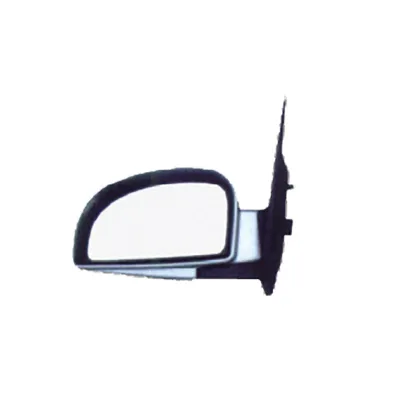
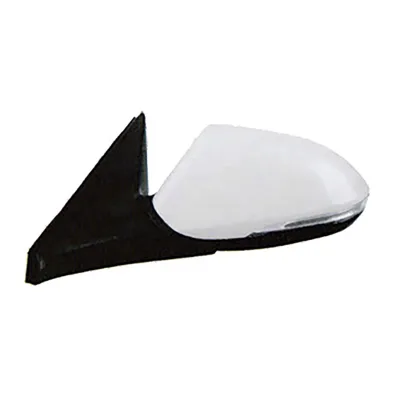

Auto Parts Car Accessory Front Door Side View Mirror for Hyundai Elantra 2019-2020
$36.25 - $41.00
MOQ: 10 Pieces

Auto Spare Parts Power Heated Door Mirror Driver Side for Hyundai Elantra 2017-2018
$16.00 - $19.00
MOQ: 10 Pieces


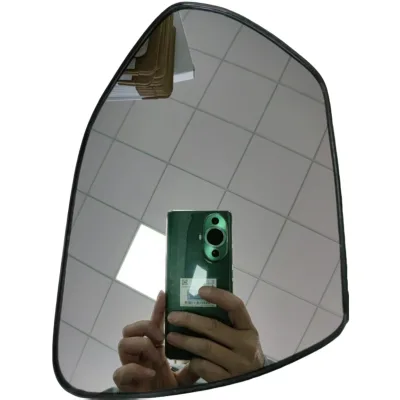


Auto Parts Mirror for Hyundai Tucson 2018 (OEM: 87606-D7000 87605-D7000)
$5.00 - $50.00
MOQ: 24 Pieces


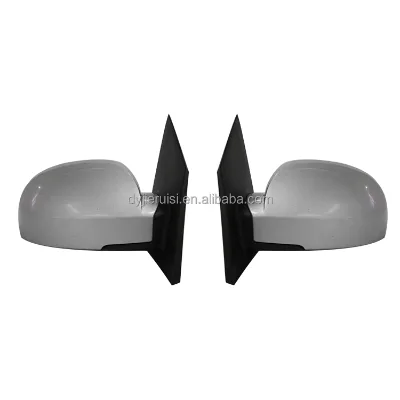


Comprehensive Sourcing Guide
Strategic Sourcing Guide for Hyundai Getz Door Mirrors
Technical Specifications and Fitment Verification
When sourcing door mirrors for the Hyundai Getz, the primary objective is to align the component's physical and electrical attributes with the specific vehicle generation and trim level. The product data indicates a distinct focus on the 2002-2005 model years, which corresponds to the first generation of the Hyundai Getz. Buyers must verify that the selected unit matches the specific model number codes provided in the supply chain, such as HY09-0107 or HY48-0107, to ensure compatibility. The OE numbers serve as the most critical reference point for verification; specific listings cite codes like 87610-1C300 and 87620-1C300. These alphanumeric identifiers are essential for distinguishing between left-hand and right-hand units, as well as differentiating between manual and electric adjustment mechanisms.
The physical construction of these mirrors typically involves an ABS plastic housing combined with glass elements, a material choice that balances durability with weight reduction. The product attributes highlight a "Right" placement for certain listings, indicating that procurement strategies must account for the specific side of the vehicle being replaced. Furthermore, the color specifications vary, with white and black options observed in the market, alongside listings where the color is noted simply as "Picture," suggesting that visual confirmation is necessary before finalizing an order. The voltage requirement is consistently listed as 12V, which is standard for automotive lighting and power mirror systems, ensuring compatibility with the vehicle's electrical architecture.
Buyers should also note the "Side Mirror" and "Auto Lighting Systems" classifications, which may imply integrated features such as heating elements or indicator lights, though these specific functionalities must be confirmed against the individual supplier's technical sheet. The placement on the vehicle is described as "Front" in some contexts, which is standard for side-view mirrors, but the precise mounting geometry must be cross-referenced with the vehicle's door frame. The "New" condition is a standard expectation for replacement parts, but the "About Us" field often notes "Factory Direct Sale," which can influence the perceived authenticity of the part compared to aftermarket alternatives.
Compliance, Certification, and Regulatory Standards
Navigating the regulatory landscape is a critical component of B2B procurement for automotive parts. The product data explicitly mentions an "E-mark" certification. This is a significant indicator of compliance with European Union safety standards, suggesting that the mirror assembly has undergone testing for optical clarity, structural integrity, and vibration resistance. For buyers operating in markets that require E-mark approval, this certification is a non-negotiable prerequisite. However, the presence of this mark in the data should be treated as an observation of specific listings rather than a universal guarantee for all units in the category.
Beyond the E-mark, the "Quality" attribute is frequently described as "High-Quality," and the "Brand Name" is often listed as "Original factory." While these terms suggest a level of adherence to manufacturer standards, they are marketing descriptors rather than formal certifications. Buyers must verify if the "Original factory" designation implies an OEM (Original Equipment Manufacturer) status or a high-grade aftermarket equivalent. The "Function" is listed as "OEM" and "safety mirror," reinforcing the safety-critical nature of the component. In the context of automotive safety, the mirror must meet specific standards regarding field of view and distortion limits, which are often validated through the E-mark process.
The "Material" composition, specifically ABS+glass, also plays a role in compliance. ABS plastic must meet flammability and impact resistance standards, while the glass must be tempered to prevent shattering into dangerous shards upon impact. Buyers should request test reports or certificates of analysis that confirm these material properties, especially if the destination market has strict regulations regarding child safety or pedestrian protection. The "Warranty" period of 12 months is a standard industry benchmark, but the specific terms of this warranty—such as coverage for manufacturing defects versus shipping damage—must be clearly defined in the purchase agreement.
Cost Drivers and Pricing Dynamics
The pricing for Hyundai Getz door mirrors is influenced by a complex interplay of factors, including the volume of the order, the specific model year, and the complexity of the mirror assembly. The observed price range in the market spans from $0.50 to $230 USD. This wide variance suggests that the lower end of the spectrum likely represents basic manual mirrors or housing-only replacements, while the higher end may include fully integrated electric mirrors with heating elements, turn signals, or memory functions. Buyers must be cautious when evaluating low-cost options, as the price difference often correlates with the inclusion of critical electronic components or the quality of the glass.
The Minimum Order Quantity (MOQ) is another significant cost driver. The data shows an MOQ range from 1 piece to 2000 pieces, with specific listings citing ranges like 10-50 pairs. For small fleet operators or individual repair shops, the ability to source single units is crucial for cash flow management. However, larger orders often unlock volume discounts, which can significantly reduce the per-unit cost. The "Selling Units" are listed as "Single item," which supports the flexibility of sourcing small quantities, but buyers should negotiate tiered pricing structures to optimize costs for larger replenishment cycles.
Shipping costs also play a substantial role in the total landed cost. The "Package" is described as "Cartons," and the "prod_packing" method is "by Sea" for bulk shipments. The single package size is noted as 66x20x54 cm, with a gross weight of 7.000 kg. These dimensions and weight figures are essential for calculating freight charges, particularly for air freight options like DHL, UPS, FedEx, EMS, or TNT, which are listed as available shipping methods. Sea freight is generally more economical for large volumes but incurs longer lead times, whereas air freight offers speed at a premium. Buyers should factor in these logistics costs when comparing the total cost of ownership across different suppliers.
Typical Applications and Vehicle Compatibility
The primary application for these door mirrors is the replacement or repair of damaged components on Hyundai vehicles. The data explicitly states the "Purpose" as "for replace/repair," indicating that these parts are designed to restore the vehicle to its original operational state. The specific fitment data highlights compatibility with the Hyundai HD65 and the Hyundai Getz (2002-2005). Additionally, there are listings for the Hyundai Mistra (2014), suggesting that the supplier portfolio may extend to other Korean car models, though the core keyword focus remains on the Getz.
The "Car Make" is identified as "Korean car," which aligns with Hyundai's origin. The "Car year" range of 2002-2005 is specific to the first generation Getz, a period when the vehicle was widely produced and sold globally. Buyers must ensure that the mirror they select matches the exact year and trim of the vehicle, as design changes can occur between model years even within the same generation. The "Car Fitment" field confirms the specific model, but the "OE NO." provides the most precise verification method. The extensive list of OE numbers, including 87620-C5030, 87620-08BA0, and others, suggests that the mirrors may be compatible with a broader range of Hyundai models beyond just the Getz, potentially including the Accent or Elantra, depending on the specific part number.
The "Placement on Vehicle" is listed as "Right" and "Front," which are standard positions for side-view mirrors. However, buyers must verify the side of the vehicle (driver vs. passenger) based on the market's driving configuration (left-hand drive vs. right-hand drive). The "Color" options, including white and black, must match the vehicle's exterior paint to ensure aesthetic consistency. The "Function" as a "safety mirror" underscores the importance of the mirror in maintaining visibility and preventing accidents, making it a critical component for vehicle safety inspections.
Supplier Evaluation and Sourcing Channels
Evaluating suppliers for automotive parts requires a rigorous assessment of their operational capabilities and reliability. The "About Us" section often highlights "Factory Direct Sale," which can be a positive indicator of cost efficiency and supply chain transparency. However, buyers should verify the actual location of the factory. The "prod_origin" is listed as "China," and a specific "Place of Origin" is noted as "Shandong, China." This geographic information is useful for logistics planning and understanding the regulatory environment of the supplier.
The "Payment" terms are specified as "T/T" (Telegraphic Transfer), which is a standard method for international trade. Buyers should ensure that the payment terms are clear regarding the deposit percentage and the balance payment schedule. The "Delivery time" varies, with some listings indicating 15-30 days and others 7-15 days. This discrepancy highlights the importance of confirming the lead time for the specific order quantity and shipping method. The "Shipping" options include major carriers like DHL, UPS, FedEx, EMS, and TNT, providing flexibility for different urgency levels.
When evaluating suppliers, buyers should look for evidence of consistent quality control and a track record of meeting delivery deadlines. The "Warranty" of 12 months is a standard offering, but the supplier's responsiveness to warranty claims is a critical factor. The "Single package size" and "Single gross weight" provide insight into the supplier's packaging efficiency, which can impact shipping costs and product protection during transit. Buyers should also consider the supplier's ability to handle custom orders, as the "Customization" attribute is listed as "Available." This flexibility can be valuable for sourcing specific colors or configurations that are not standard in the catalog.
Quality Control and Long-Term Procurement Considerations
Maintaining high quality in automotive mirror procurement requires a robust quality control (QC) process. The "Quality" attribute is described as "High-Quality," but this is a subjective claim that must be validated through objective measures. Buyers should request samples for physical inspection before committing to large orders. The inspection should focus on the integrity of the ABS housing, the clarity of the glass, and the functionality of any electrical components. The "Material" composition of ABS+glass should be verified to ensure it meets the necessary impact and weather resistance standards.
Long-term procurement considerations involve building a sustainable relationship with suppliers who can consistently deliver parts that meet the required specifications. The "Condition" is listed as "New," but buyers should ensure that the parts are not refurbished or remanufactured unless explicitly stated. The "Function" as "OEM" suggests that the parts should perform identically to the original components, which is crucial for maintaining vehicle safety and resale value. The "Warranty" period of 12 months provides a buffer for identifying latent defects, but the supplier's reputation for honoring these warranties is equally important.
Buyers should also consider the "MOQ" flexibility as a factor in long-term planning. The range from 1 to 2000 pieces allows for both immediate repair needs and strategic stockpiling. The "Delivery time" of 7-30 days should be factored into inventory management strategies to prevent stockouts. The "Package" type, specifically "Cartons," should be evaluated for its ability to protect the mirrors during long-distance shipping. The "prod_packing" by sea is suitable for bulk orders, but the packaging must be robust enough to withstand the rigors of maritime transport.
In conclusion, sourcing door mirrors for the Hyundai Getz requires a meticulous approach that balances technical specifications, regulatory compliance, cost efficiency, and supplier reliability. By leveraging the detailed product data and adhering to rigorous quality control standards, buyers can secure high-quality components that ensure the safety and functionality of their vehicles. The wide range of options available in the market, from basic manual mirrors to advanced electric assemblies, offers flexibility for various procurement needs, provided that buyers conduct thorough due diligence on each potential supplier.
FAQs
What certification does the door mirror have?
The door mirror carries an E-mark certification, indicating compliance with European Union safety standards. This mark confirms the product has passed tests for optical clarity and structural integrity, which is essential for regulatory approval in many international markets.
Which model years of Hyundai Getz are compatible?
This mirror is specifically designed for the Hyundai Getz model years 2002 through 2005. Buyers must verify the exact production year and trim level to ensure the OE numbers and mounting geometry match their specific vehicle requirements.
Can I order a single unit for replacement?
Yes, some listings allow a minimum order quantity of just one piece for single item sales. However, other suppliers may require a bulk purchase of 10 to 50 pairs, so buyers should check the specific MOQ before placing an order.
How long is the delivery time for this part?
Delivery times typically range from 7 to 30 days depending on the supplier and shipping method selected. Some factories offer expedited shipping via DHL or UPS, while sea freight for bulk orders may take longer to arrive.
What materials are used in the mirror construction?
The mirror housing is constructed from ABS plastic combined with glass elements for durability and weight reduction. This material composition ensures the part can withstand impact while maintaining the structural integrity required for safe vehicle operation.
What is the voltage requirement for the mirror?
The door mirror operates on a standard 12V electrical system, which is compatible with the vehicle's architecture. This voltage specification ensures proper functionality for any integrated features like heating elements or power adjustment mechanisms.