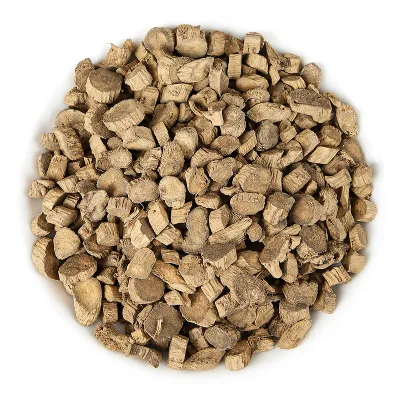
Source Double Fermented Dried Lily Root for tea blends, health drinks, and herbal extracts
Compare 30 listings for Double Fermented Dried Lily Root from verified Chinese suppliers. Buyers can evaluate specifications like packaging, certifications, and grades for health tea and herbal medicine applications.
Key considerations
Products List




Hot Selling Low Price Fresh Lotus Root Delicious Ingredients Lotus Root
$498.00 - $1500.00
MOQ: 10 Tons


$2000.00 - $3000.00
MOQ: 1 Tons


Comprehensive Sourcing Guide
Strategic Sourcing Guide for Double Fermented Dried Lily Root
Navigating the global market for specialized botanical ingredients requires a disciplined approach to verification, particularly when dealing with processed forms like Double Fermented Dried Lily Root. While the specific term "Double Fermented Dried Lily Root" may not appear as a direct product model in all current listings, the procurement landscape for related botanicals, such as Lily Flower Tea and various root-based medicinal powders, offers a clear framework for evaluation. Buyers must distinguish between finished tea products, crude medicines, and processed extracts to ensure the specific processing method of double fermentation is met. This guide outlines the critical technical, compliance, and operational factors necessary for securing high-quality supply chains in this sector.
Technical Specifications and Product Identification
The primary challenge in sourcing this specific botanical lies in aligning the buyer's definition of "double fermented" with the available product attributes. In the current market data, products are often categorized by their form, such as "Powder," "Loose Tea," or "Slice," and by their botanical origin, such as "Lily Flower Tea" or "Valerian Root." A buyer seeking a double fermented product must verify if the supplier offers a specific fermentation process or if the product is a standard dried root that requires further processing.
When evaluating technical specifications, the form of the product is paramount. Listings indicate that botanicals are available in various forms, including powder, slices, and loose tea. For a fermented root product, the physical appearance is typically distinct from raw dried roots, often presenting a darker color profile or a specific texture resulting from the fermentation process. Buyers should explicitly request documentation on the fermentation duration and the specific microbial strains used, as these factors define the "double" aspect of the process.
Furthermore, the part of the plant used is a critical specification. While some listings reference "Leaf" or "Leaves" for products like Motherwort, lily root products specifically utilize the bulb or root section. The molecular and chemical composition must be verified against the intended use. For instance, while some root products list specific active ingredients like Artemisinolide, a fermented lily root product may have different bioactive markers resulting from the enzymatic breakdown during fermentation. The standard for such products often aligns with "Food grade" or "Medicine grade" depending on the regulatory jurisdiction and intended application.
Compliance and Certification Verification
In the international trade of botanical ingredients, certification serves as the primary indicator of supply chain integrity and safety. The observed market data highlights several key certifications that buyers should demand from potential suppliers. These include ISO/Fssc/HACCP and ISO22000. These standards are not merely administrative hurdles but represent a commitment to food safety management systems and hazard analysis critical control points.
When sourcing Double Fermented Dried Lily Root, the presence of these certifications is non-negotiable for serious B2B procurement. The "Fssc" (Food Safety System Certification) and "HACCP" (Hazard Analysis and Critical Control Points) specifically address the risks associated with biological processing, such as fermentation, where microbial control is essential. Additionally, the "ISO22000" standard provides a comprehensive framework for managing food safety risks throughout the supply chain.
Buyers must also verify the "Quality" attributes explicitly stated in product listings, such as "No Pesticides" and "No Sulfur." These claims are critical for fermented products, as the fermentation process can sometimes mask impurities if the raw material is not of high purity. The "Test Method" section in supplier data often references "Tlc/HPLC" (Thin Layer Chromatography / High-Performance Liquid Chromatography). Buyers should ensure that the supplier provides recent test reports utilizing these methods to verify the absence of contaminants and to confirm the potency of the fermented product.
Cost Drivers and Pricing Structures
Understanding the cost structure of Double Fermented Dried Lily Root requires an analysis of the observed market variables. The pricing in the botanical sector is highly volatile and depends on several factors, including the complexity of the fermentation process, the origin of the raw material, and the scale of the order. The observed price range in the market spans from 1 to 6999 USD, a wide variance that reflects the difference between raw bulk commodities and highly processed, certified extracts.
The Minimum Order Quantity (MOQ) is a significant cost driver. Data indicates an MOQ range of 1 to 600 units, with a specific observation of 20kgs as a common threshold. For a specialized product like double fermented lily root, the MOQ may be higher due to the batch nature of fermentation. Buyers should anticipate that smaller quantities will carry a premium per kilogram, while larger orders may benefit from economies of scale.
Packaging also influences the final cost. The market shows variations in packaging, including "10kg/20kg/Carton," "PP Bag+Carton," and "20kgs-25kgs/Paper-Drum." The choice of packaging affects the unit price and the logistics cost. For fermented products, which may be sensitive to moisture and light, robust packaging like paper drums with inner liners is often required, adding to the overall cost. Buyers must weigh the cost of premium packaging against the risk of product degradation during transit.
Typical Applications and Market Segmentation
The application of Double Fermented Dried Lily Root varies significantly based on the product's grade and processing. The market data identifies several distinct categories, including "Health Tea," "Flower Tea," and "Crude Medicine." A double fermented product is likely positioned in the "Health Tea" or "Functional Food" segment, where the fermentation is intended to enhance bioavailability or create specific flavor profiles.
However, the distinction between "Food grade" and "Medicine grade" is crucial. If the product is intended for medicinal use, it must adhere to stricter standards, potentially aligning with "Medicine grade" specifications seen in listings for products like Motherwort powder. In this context, the product might be used in traditional formulations where the "Dosage" is specified as "Soak in Boiling Water" or "Fried Served with Water."
For the beverage industry, the product may be marketed as a "Loose Tea" or "Lily Flower Tea" variant, where the "Flavor" is described as "Tea Flavor." The fermentation process in this context is often used to reduce bitterness and develop a smoother taste profile. Buyers must clearly define the end-use application to ensure the supplier provides the correct grade. A product suitable for a health tea blend may not meet the regulatory requirements for a dietary supplement or a pharmaceutical ingredient.
Supplier Evaluation and Capability Assessment
Evaluating a supplier for Double Fermented Dried Lily Root requires a deep dive into their operational capabilities and transparency. The origin of the product is a key indicator of quality. The market data lists origins such as "China," "Hunan," and "Gansu." These regions are known for specific botanical cultivation, but the specific suitability for lily root fermentation must be verified. A supplier located in a region with a long history of lily cultivation may offer better raw material consistency.
Buyers should also assess the supplier's "Customization" capabilities. The availability of "OEM Service" and "Customization" options suggests that the supplier can tailor the fermentation process, packaging, and labeling to meet specific buyer requirements. This is particularly important for double fermented products, as the process parameters may need to be adjusted for different market preferences.
The "Sample" availability is another critical evaluation metric. Listings frequently mention "Free Samples" or "Free Sample" availability. Buyers should utilize this opportunity to test the product for sensory attributes, such as aroma and taste, and to verify the fermentation quality. The ability to provide a sample quickly and at no cost indicates a supplier's confidence in their product and their willingness to engage in a transparent evaluation process.
Quality Control and Long-Term Procurement
Maintaining consistent quality in fermented botanicals requires a robust quality control (QC) protocol. The "Shelf Life" of such products is typically around 2 years, as observed in similar root-based listings. However, the fermentation process can alter the stability of the product, making storage conditions critical. The recommended storage method is often a "Cool Dry Place," and buyers must ensure that their logistics partners can maintain these conditions throughout the supply chain.
Long-term procurement considerations involve establishing a relationship with a supplier who can guarantee consistency in the "Double Fermented" process. Variability in fermentation can lead to batch-to-batch differences in potency and flavor. Buyers should request a "Certificate of Analysis" (CoA) for every batch, ensuring that the "Test Method" remains consistent and that the "Active Ingredient" levels meet the agreed specifications.
The "Part Used" and "Latin Name" must be consistently verified to prevent adulteration. For example, while some listings reference "Radix Angelicae Sinensis" or "Leonurus Japonicus Houtt," a lily root product must clearly identify the correct botanical species. The "CAS No" and "Molecular Formula" are essential for chemical verification, ensuring that the product is not a substitute for a different root.
Comparative Analysis of Product Attributes
To assist in the decision-making process, the following table compares key attributes observed in the current market for botanical roots and teas, highlighting the specific considerations for double fermented lily root.
| Attribute Category | Observation from Market Data | Relevance to Double Fermented Lily Root |
|---|---|---|
| Product Form | Powder, Loose Tea, Slice, Crude Medicine | Fermented roots are often processed into powder or loose tea for ease of use. |
| Certification | ISO/Fssc/HACCP, ISO22000 | Essential for verifying safety in fermentation processes. |
| Origin | China, Hunan, Gansu | Regional expertise impacts raw material quality and fermentation culture. |
| Packaging | 10kg/20kg/Carton, Paper-Drum | Critical for maintaining moisture control during fermentation and storage. |
| Quality Claim | No Pesticides, No Sulfur | Vital for ensuring the raw material is clean before fermentation begins. |
| Standard | Food grade, Medicine grade, Grade I | Determines the regulatory pathway and intended application. |
| Test Method | Tlc/HPLC | Necessary for verifying chemical consistency and potency. |
| Customization | Available, OEM Service | Allows for specific fermentation protocols and branding. |
This comparison underscores that while the market offers a wide array of botanical products, the specific requirements for a double fermented lily root demand a supplier who can provide granular control over the fermentation process and rigorous quality assurance. Buyers must move beyond generic product listings and engage in detailed technical discussions to ensure the final product meets their specific functional and regulatory needs. By focusing on these verified attributes and avoiding assumptions about unlisted specifications, procurement teams can mitigate risk and secure a reliable supply of high-quality fermented botanical ingredients.
FAQs
What certifications are required for Double Fermented Dried Lily Root?
Products typically require ISO, Fssc, and HACCP certifications to ensure safety. These standards verify that the fermentation process meets strict food safety management systems and hazard analysis requirements for international trade.
How is the product usually packaged for shipment?
Common packaging includes 10kg or 20kg cartons, PP bags with cartons, or paper drums. Robust packaging is essential to maintain moisture control and protect the fermented botanical during transit.
Can suppliers provide free samples for quality verification?
Yes, many suppliers offer free samples to allow buyers to test product quality. This enables verification of sensory attributes and fermentation results before committing to a larger bulk order.
What is the typical minimum order quantity for this product?
The standard minimum order quantity is often 20 kilograms. Buyers should anticipate that smaller quantities may carry a higher unit price due to the specialized nature of the fermentation process.
Which regions are known for sourcing these botanical roots?
Key sourcing locations include China, specifically regions like Hunan and Gansu. These areas have established cultivation histories that influence the consistency and quality of the raw botanical materials.
What storage conditions are recommended for the fermented root?
Products should be stored in a cool, dry place to preserve stability. Proper storage prevents degradation and ensures the product maintains its potency and quality throughout its typical two-year shelf life.