Source Double Flanged Dismantling Joint for Water Systems
Compare 23 double flanged dismantling joint options from Chinese manufacturers. Evaluate carbon steel and ductile iron models with EPDM seals, flange connections, and customizable sizes for reliable pipeline protection; compare the available evidence and request quotations based on your requirements.
Key considerations
Products List




Comprehensive Sourcing Guide
Double Flanged Dismantling Joint Sourcing Guide
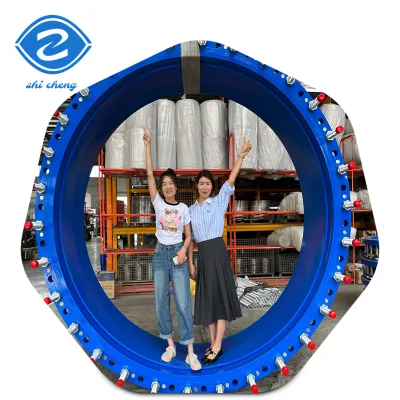
Procuring a double flanged dismantling joint requires careful attention to the specific mechanical interface and sealing requirements of your pipeline system. These components are essential for connecting pipes while allowing for easy disassembly and realignment during maintenance or expansion. Buyers must verify that the selected unit matches the flange standards of their existing infrastructure, as mismatches can lead to installation failures or costly retrofitting. The observed market data indicates a wide range of available models, from DN40 to DN3200, necessitating precise dimension checks before finalizing any order.
The supply chain for these industrial fittings often involves manufacturers in regions like Henan, China, who offer significant customization capabilities. Sourcing teams should prioritize suppliers who explicitly state their ability to support OEM, ODM, and OBM requests, ensuring the product can be tailored to unique project specifications. It is critical to confirm the working pressure ratings, which typically range from 0.6MPa to 1.6MPa, to ensure the joint can withstand the operational stresses of the intended medium, such as water or other compatible fluids.
Product Scope and Observed Listing Signals
The market for double flanged dismantling joints presents a diverse array of options regarding body materials and manufacturing techniques. Listings frequently cite Carbon Steel, Ductile Iron, Cast Iron, WCB, and Stainless Steel as primary body materials, each offering distinct advantages for different environmental conditions. Buyers must distinguish between forged and cast manufacturing methods, as the forging process often implies higher structural integrity for high-pressure applications, while casting may be more cost-effective for standard pressure ranges. The observed price variance from 1 to 886.7 USD reflects these material differences and the specific size configurations available.
Sealing performance is another critical signal to evaluate when reviewing product listings, as the gasket material directly impacts leak prevention and service life. Common sealing materials observed include EPDM and PTFE, which provide excellent resistance to various chemicals and temperature fluctuations. The shape of the joint is consistently round, designed to fit standard circular pipe geometries, but the flange connection type must be verified against specific standards like DIN, ANSI, or BS5163. Additionally, packaging details such as wooden cases or seaworthy plywood boxes are vital indicators of a supplier's commitment to protecting the product during international transit.
Technical Specifications to Verify
Dimensional accuracy is paramount when selecting a dismantling joint, as the nominal diameter must align perfectly with the pipeline's requirements. The observed product models span a vast range, including specific sizes like DN300, DN1200, and broader ranges from DN40 to DN2000. Buyers should explicitly verify the standard of the flange, ensuring it matches the project's designated standard, whether it be DIN, Jid, ANSI, or Awwa. Mismatched flange standards can result in incompatible bolt holes or face-to-face dimensions, rendering the joint unusable without expensive modifications.
Pressure ratings and structural classification must be rigorously checked to ensure the joint can handle the system's maximum operating conditions. While some listings specify working pressures of 0.6MPa, 1.0MPa, or 1.6MPa, others may reference a maximum pressure of 1000psi, requiring careful unit conversion and safety factor analysis. The sealing surface type, often noted as FF (Flat Face), must be compatible with the mating flange to ensure a uniform gasket compression. Furthermore, the classification of the product, sometimes listed as a ball valve or general flange structure, should be confirmed to avoid confusion with other valve types that may have different operational characteristics.
Compliance and Safety Documentation
Certification status serves as a primary indicator of a manufacturer's adherence to international quality management systems and safety protocols. Many suppliers in this sector provide ISO9001 and CE certifications, which validate that their production processes meet rigorous global standards for consistency and safety. Buyers should request current copies of these certificates to verify that the specific batch of dismantling joints being ordered was produced under the certified quality management system. The presence of additional certifications like Ztc or specific standard compliance documents further strengthens the supplier's credibility and reduces procurement risk.
Safety documentation must also include detailed information regarding the applicable medium and the material compatibility of the joint components. The observed data indicates that these joints are suitable for water and other compatible media, but the specific chemical resistance of the EPDM or PTFE gaskets must be confirmed against the actual fluid being transported. Warranty terms, typically observed as a one-year period, provide a baseline for recourse in case of premature failure, but buyers should clarify the scope of this warranty regarding installation errors or misuse. Ensuring that all documentation is up-to-date and legally binding is essential for maintaining compliance with local safety regulations.
Cost Drivers and Commercial Terms
The final cost of a double flanged dismantling joint is heavily influenced by the choice of body material and the complexity of the manufacturing process. Stainless Steel and forged Carbon Steel units generally command higher prices compared to cast Ductile Iron or Cast Iron alternatives due to raw material costs and processing intensity. Buyers should analyze the total cost of ownership, considering that a higher initial investment in a more durable material may reduce long-term maintenance and replacement expenses. The observed supply ability of 3000 units per month suggests that volume discounts may be available for large-scale projects, but this should be negotiated explicitly.
Commercial terms regarding minimum order quantities and lead times are critical factors in the procurement planning process. While some listings indicate an MOQ as low as 1 unit, others may require orders up to 100 units, affecting the feasibility of small-scale repairs or pilot projects. The lead time is often tied to the customization level, with standard sizes potentially shipping faster than custom-configured units requiring specific flange standards or colors. Packaging requirements, such as wooden boxes or carton boxes, also add to the overall cost and must be factored into the budget, especially for international shipments where seaworthy packaging is mandatory to prevent damage.
Supplier Qualification and Quality Control
Evaluating a supplier's manufacturing capabilities is essential to ensure consistent product quality and reliability. The observed data highlights that manufacturers in Henan, China, often utilize both casting and forging techniques, and buyers should verify which method is used for their specific order. A supplier's ability to provide free samples is a strong indicator of confidence in their product quality and allows for physical inspection before committing to a large order. This step is crucial for verifying the finish, weight, and dimensional accuracy of the dismantling joint against the provided technical drawings.
Quality control processes should be transparent and documented, with a clear focus on the sealing surface and flange standard compliance. Buyers should inquire about the specific testing procedures used to validate the working pressure and structural integrity of the joints before they leave the factory. The presence of a one-year warranty suggests a baseline level of quality assurance, but it is advisable to request detailed inspection reports or third-party test results for critical applications. Establishing a clear communication channel for quality disputes and ensuring the supplier has a robust process for handling non-conforming products is vital for a successful long-term partnership.
Long-Term Procurement Checks
Establishing a reliable supply chain for double flanged dismantling joints requires ongoing monitoring of supplier performance and product consistency. Buyers should regularly review the supplier's ability to meet delivery schedules and maintain the specified quality standards over multiple orders. The observed supply ability of 3000 units per month indicates capacity, but actual performance during peak demand periods should be tracked to prevent project delays. Maintaining a relationship with a supplier who offers flexible customization support, such as OEM and ODM services, ensures that future project needs can be met without switching vendors.
Continuous verification of product specifications and certifications is necessary to adapt to changing industry standards and regulatory requirements. As standards like DIN, ANSI, and GB evolve, buyers must ensure their suppliers remain compliant with the latest versions of these specifications. Regular audits of the supplier's quality management system and certification status help mitigate the risk of receiving non-compliant products. Additionally, keeping a record of the specific model numbers and material grades used in past successful projects facilitates easier reordering and ensures continuity in system maintenance and expansion.
FAQs
What materials are used for double flanged dismantling joints?
These joints are manufactured from carbon steel, ductile iron, cast iron, WCB, and SS304. The body material selection depends on the specific application requirements and environmental conditions. Sealing materials typically include EPDM or PTFE gaskets to ensure effective fluid containment and prevent leakage during operation.
Can the double flanged dismantling joint be customized?
Yes, customization is available for these joints. Buyers can request specific colors, OEM, ODM, or OBM support. The product supports various flange standards including DIN, JIS, ANSI, and BS5163. This flexibility allows the joint to meet diverse international engineering specifications and project requirements effectively.
What is the working pressure range for this joint?
The working pressure ratings are 0.6MPa, 1.0MPa, and 1.6MPa. These pressure levels ensure reliable performance in water and other applicable medium systems. The design supports flanged connections with a maximum pressure of 1000psi, providing robust structural integrity for various industrial piping network applications and operational demands.
Which flange standards are supported for this product?
The product supports multiple flange standards including DIN, JIS, ANSI, BS5163, and Awwa. Standard options also cover GB and BSW specifications. This wide compatibility ensures the dismantling joint can be seamlessly integrated into existing piping systems that adhere to different international engineering codes and regional construction requirements.
What certifications are provided for the double flanged joint?
The product comes with ISO9001, CE, and ZTC certifications. These credentials verify adherence to international quality management and safety standards. The manufacturing process ensures consistent quality control, allowing buyers to trust the reliability and compliance of the dismantling joints for critical infrastructure projects and industrial water treatment applications.
How are the dismantling joints packaged for shipping?
Packaging options include wooden cases, seaworthy plywood cases, wooden boxes, and carton boxes. Standard packaging is also available for general shipments. These secure methods protect the joints during transit, ensuring they arrive in pristine condition. The robust packaging prevents damage and maintains the integrity of the flanged connections and sealing components.